Are you wondering if you can install a window air conditioner right into your wall? It’s a question many people ask when trying to cool their rooms without bulky units sticking out of windows.
The idea sounds simple, but there are important things you need to know before you start cutting into your wall. You’ll discover the key facts, helpful tips, and potential challenges that come with putting a window AC in a wall.
By the end, you’ll be ready to make the best decision for your home and stay cool all summer long. Keep reading to find out if this setup is right for you!

Credit: www.youtube.com
Window Ac Vs Wall Ac
Many people wonder if they can put a window air conditioner in a wall. Both window and wall AC units cool rooms but have differences. Choosing the right one depends on your space and needs.
This article compares window AC and wall AC units. We look at design, installation, and performance to help you decide.
Design Differences
Window AC units fit into window openings. They have vents on both sides to pull air from outside and inside. Wall AC units are made to go through walls and have a sealed design.
Window ACs often have plastic or metal side panels that extend to fill window gaps. Wall ACs have a metal cabinet that fits in a cut-out in the wall.
- Window ACs are designed for windows only.
- Wall ACs fit into wall openings.
- Wall ACs have better insulation around them.
Installation Methods
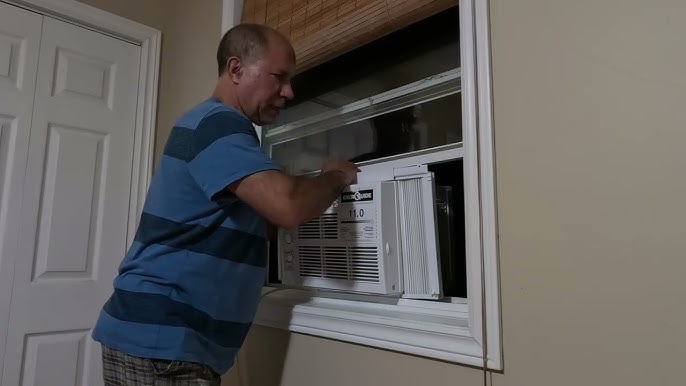
Window AC installation is simple. You place it in the window and secure it with brackets. It usually needs minimal tools and time.
Wall AC installation requires cutting a hole in the wall. The unit slides in and is sealed to prevent air leaks. This may need professional help.
- Window ACs install quickly in existing windows.
- Wall ACs need a wall opening and sealing.
- Wall AC installation is more permanent.
Performance Comparison
Both units cool rooms well, but wall ACs often have better energy efficiency. Their sealed design stops air leaks that lower cooling power.
Window ACs may lose cool air if not installed tightly. Wall ACs also reduce outside noise more than window units.
| Feature | Window AC | Wall AC |
|---|---|---|
| Energy Efficiency | Moderate | Higher |
| Noise Level | More outside noise | Less outside noise |
| Cooling Power | Good | Better |
| Air Leakage | Possible | Minimal |
Assessing Wall Suitability
Installing a window air conditioner in a wall requires careful planning. Not all walls are suitable for this task. Evaluating your wall’s characteristics is crucial for a safe and efficient installation.
Consider factors like wall thickness, material, and structural support. Insulation and weatherproofing are also important to maintain efficiency and comfort.
Wall Thickness And Material
Check the thickness of your wall before installing the air conditioner. Thicker walls may require adjustments for a snug fit. Walls made of concrete or brick might need specialized tools for cutting.
- Measure wall thickness accurately
- Identify the wall material: wood, brick, or concrete
- Consult a professional if unsure about cutting
Structural Support Needs
Air conditioners are heavy and need solid support. Make sure the wall can handle the weight without damage. Reinforcement might be necessary for some installations.
- Check if wall studs are present
- Consider adding a support bracket
- Ensure the wall can bear additional weight
Insulation And Weatherproofing
Good insulation helps keep the room comfortable. Weatherproofing prevents drafts and energy loss. Proper sealing around the unit is essential.
- Use foam or rubber insulation around the unit
- Seal gaps with caulking or weather stripping
- Check for air leaks after installation
Choosing The Right Unit
Installing a window air conditioner in a wall needs careful planning. Picking the right unit helps keep your room cool and saves energy.
This guide covers key factors to help you choose the best air conditioner for your wall installation.
Size And Cooling Capacity
Choose an air conditioner with the right size for your room. A unit that is too small will not cool well.
Cooling capacity is measured in BTUs. Higher BTUs cool larger rooms better.
- Small rooms (up to 150 sq ft): 5,000-6,000 BTUs
- Medium rooms (150-300 sq ft): 7,000-10,000 BTUs
- Large rooms (300-450 sq ft): 11,000-14,000 BTUs
Energy Efficiency Ratings
Look for units with good energy efficiency ratings. This saves money on electricity bills.
The Energy Efficiency Ratio (EER) shows how well the unit uses energy. Higher EER means better efficiency.
- Choose units with an EER of 10 or higher
- Look for Energy Star certified models
- Efficient units reduce power use and heat output
Compatibility With Wall Openings
Not all window air conditioners fit wall openings. Measure your wall space before buying.
Check the unit’s dimensions and compare them to your wall hole. Some units need support brackets for walls.
- Measure wall thickness and opening size
- Choose units designed for wall installation if possible
- Use proper mounting hardware to secure the unit safely
Installation Steps
Installing a window air conditioner in a wall is possible with the right tools and care. You need to measure, cut, secure, and seal the unit properly.
Follow these steps to ensure your air conditioner fits well and works efficiently in your wall space.
Measuring And Cutting The Wall
Start by measuring the air conditioner’s width, height, and depth. Mark the wall where you will cut the opening. Make sure the spot is near an electrical outlet and supports the unit’s weight.
- Measure the AC unit’s outer frame.
- Mark the wall area with a pencil.
- Check for studs or pipes behind the wall.
- Use a saw to cut the marked opening.
- Clean the edges for a smooth fit.
Securing The Ac Unit
After cutting the wall, place the air conditioner into the opening. Use screws and brackets to hold the unit firmly in place. Ensure it is level to avoid leaks and noise.
| Tool | Purpose |
| Screwdriver | Fasten screws |
| Level | Check unit alignment |
| Brackets | Support the AC unit |
| Drill | Create holes for screws |
Sealing And Insulating Gaps
Seal any gaps between the air conditioner and wall to keep air tight. Use weather stripping or foam insulation to block drafts and stop moisture.
- Apply weather stripping around the edges.
- Fill larger gaps with foam insulation.
- Use caulk to seal cracks.
- Check seals regularly for wear.
Safety And Building Codes
Installing a window air conditioner in a wall requires care. Safety rules and building codes keep your home secure. Ignoring these can cause hazards.
This guide covers permits, electrical needs, and how to avoid damage to your wall.
Permits And Regulations
Before installing an air conditioner in a wall, check local permits. Many areas require permission for wall modifications. This keeps buildings safe and up to code.
- Contact your city or county building department.
- Submit plans if needed to show safe installation.
- Follow rules about wall openings and unit size.
- Get inspections if required after installation.
Electrical Requirements
Window air conditioners need proper electrical connections. Incorrect wiring can lead to fire or shock risks. A dedicated outlet often works best.
| Requirement | Details |
| Voltage | Usually 110-120 volts |
| Amperage | Check unit label; often 10-15 amps |
| Dedicated Circuit | Recommended to avoid overload |
| GFCI Outlet | Use if near moisture or outdoors |
Avoiding Structural Damage
Cutting a hole in a wall can weaken it. Follow these tips to keep your wall strong and safe.
- Locate studs with a stud finder and avoid cutting them.
- Use a properly sized sleeve for the air conditioner.
- Add framing support around the opening.
- Seal gaps to prevent water and air leaks.
- Check for pipes or wires before cutting.
Credit: www.youtube.com
Maintenance Tips
Keeping a window air conditioner in a wall working well needs regular care. You can save money and energy by doing simple maintenance tasks.
Below are key tips to help your air conditioner last longer and run smoothly.
Cleaning Filters And Vents
Clean filters and vents improve air flow and cooling. Dirty filters make the unit work harder and use more energy.
- Remove the filter every month during use.
- Wash the filter with mild soap and warm water.
- Let the filter dry completely before putting it back.
- Use a vacuum to clean vents and remove dust.
- Check for any blockages that reduce airflow.
Checking For Leaks
Leaks in your air conditioner or wall can cause cool air loss and higher bills. Find leaks early and fix them.
| Leak Area | Signs | Fix |
| Seals around unit | Air gaps, water drips | Replace or add weatherstripping |
| Drainage holes | Water pooling | Clear holes with a thin wire |
| Wall opening | Air draft, insects | Seal gaps with foam or caulk |
Seasonal Storage Advice
Store your air conditioner properly during cold months. This protects the unit and keeps it ready for next summer.
Follow these tips for storing your unit:
- Turn off and unplug the air conditioner.
- Remove and clean the filter.
- Drain any water inside the unit.
- Cover the unit with a plastic bag or cloth.
- Store in a dry, cool place away from dust.
Common Challenges
Installing a window air conditioner in a wall brings some challenges. These problems can affect comfort and efficiency.
Knowing common issues helps you prepare and fix them early. Here are the main challenges to expect.
Noise And Vibration Issues
Wall air conditioners can cause more noise and vibration than window models. This happens because walls may not absorb sound well.
- Loud humming sounds can disturb nearby rooms.
- Vibrations may shake the wall and nearby objects.
- Improper mounting can increase noise levels.
- Older units often produce more vibrations.
Water Drainage Problems
Air conditioners create water as they cool the air. If drainage is blocked or poor, water can leak inside the home.
| Drainage Issue | Effect |
| Clogged drain hole | Water pooling inside unit |
| Improper slope | Water flows back into wall |
| No drainage outlet | Leaks inside the room |
Potential Air Leaks
Gaps between the unit and wall can let air escape. This reduces cooling efficiency and raises energy costs.
- Cracks around the unit cause drafts.
- Missing insulation worsens leaks.
- Poor sealing allows insects and dust inside.
- Regular checks can prevent air leaks.

Credit: thefurnaceoutlet.com
Alternatives To Window Ac In Walls
Window air conditioners usually fit in window spaces. But some homes have no windows or small ones. You can still cool rooms using other options.
These options work well in walls or other places. They keep your space cool without needing a window.
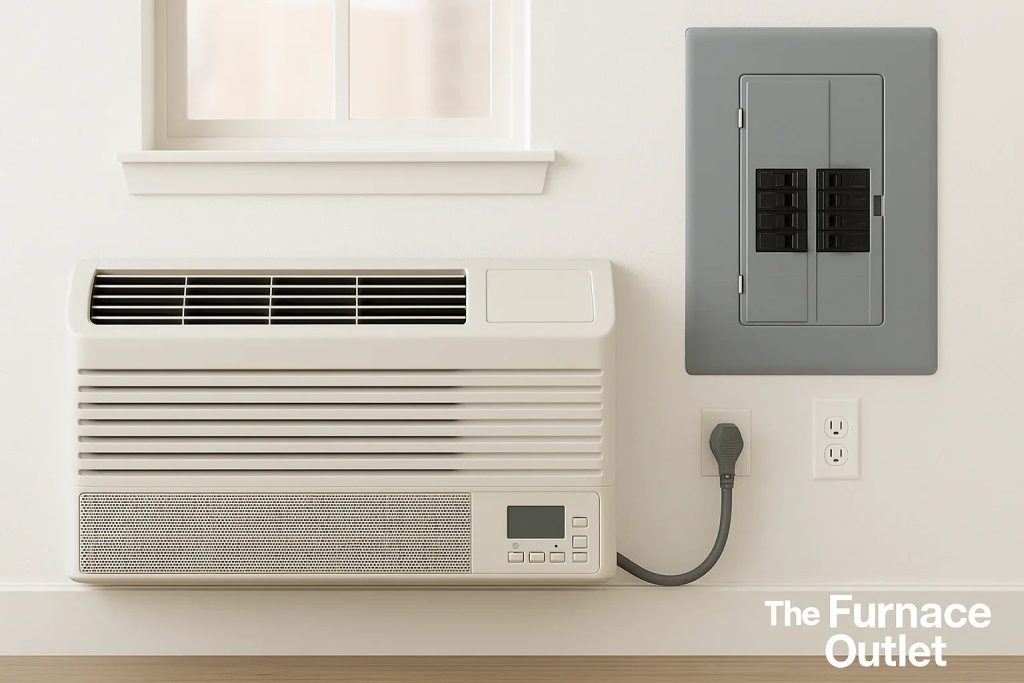
Through-the-wall Ac Units
Through-the-wall AC units fit directly into a hole in the wall. They are similar to window units but made for walls. These units have a grille on both sides of the wall.
They cool the room by pushing hot air outside. Installation needs cutting a hole in the wall and sealing it well.
- Do not block windows or walkways
- Works well for permanent cooling
- Requires proper wall thickness
- Needs professional installation for best results
Portable Ac Options
Portable air conditioners can cool rooms without window installation. They stand on the floor and have a vent hose to push hot air outside.
You can place the vent hose in a small wall vent or a sliding window adapter. These units are easy to move between rooms.
- No need to cut holes in walls
- Good for renters or temporary cooling
- Needs venting to the outside
- Regular emptying of water may be required
Mini-split Systems
Mini-split systems have two parts: an indoor air handler and an outdoor compressor. They connect with small pipes through a tiny hole in the wall.
This system cools rooms quietly and efficiently. It does not block windows or need big holes in walls.
- Energy efficient and quiet operation
- No bulky window or wall unit
- Requires professional installation
- Can cool multiple rooms with one outdoor unit
Frequently Asked Questions
Can You Install A Window Ac In A Wall Opening?
Yes, you can install a window air conditioner in a wall opening. It requires proper framing and support for stability. Ensure the opening matches the AC unit’s dimensions. Use weatherproof sealing to prevent air leaks and moisture damage.
What Tools Are Needed To Mount Window Ac In A Wall?
You need a drill, screws, measuring tape, level, saw, and caulking gun. These tools help create the wall opening, secure the unit, and seal gaps properly for a safe installation.
Will A Wall Installation Affect Ac Performance?
Proper installation ensures the AC performs well in a wall opening. Poor sealing or incorrect fitting can reduce efficiency. Good insulation and support maintain optimal cooling and energy use.
Is It Safe To Put A Window Ac In A Wall?
Yes, it’s safe if installed correctly with proper support and sealing. Ensure electrical connections follow safety codes. Use a professional if unsure to avoid hazards.
Conclusion
Installing a window air conditioner in a wall can work with the right steps. Measure the space carefully before cutting the wall. Make sure the unit fits well and seals tightly. Support the air conditioner to keep it secure and safe.
This setup can save space and cool your room effectively. Always follow safety tips and local rules. With some effort, you can enjoy cool air without a window. Simple tools and patience make the job easier. Try it if your window options are limited.