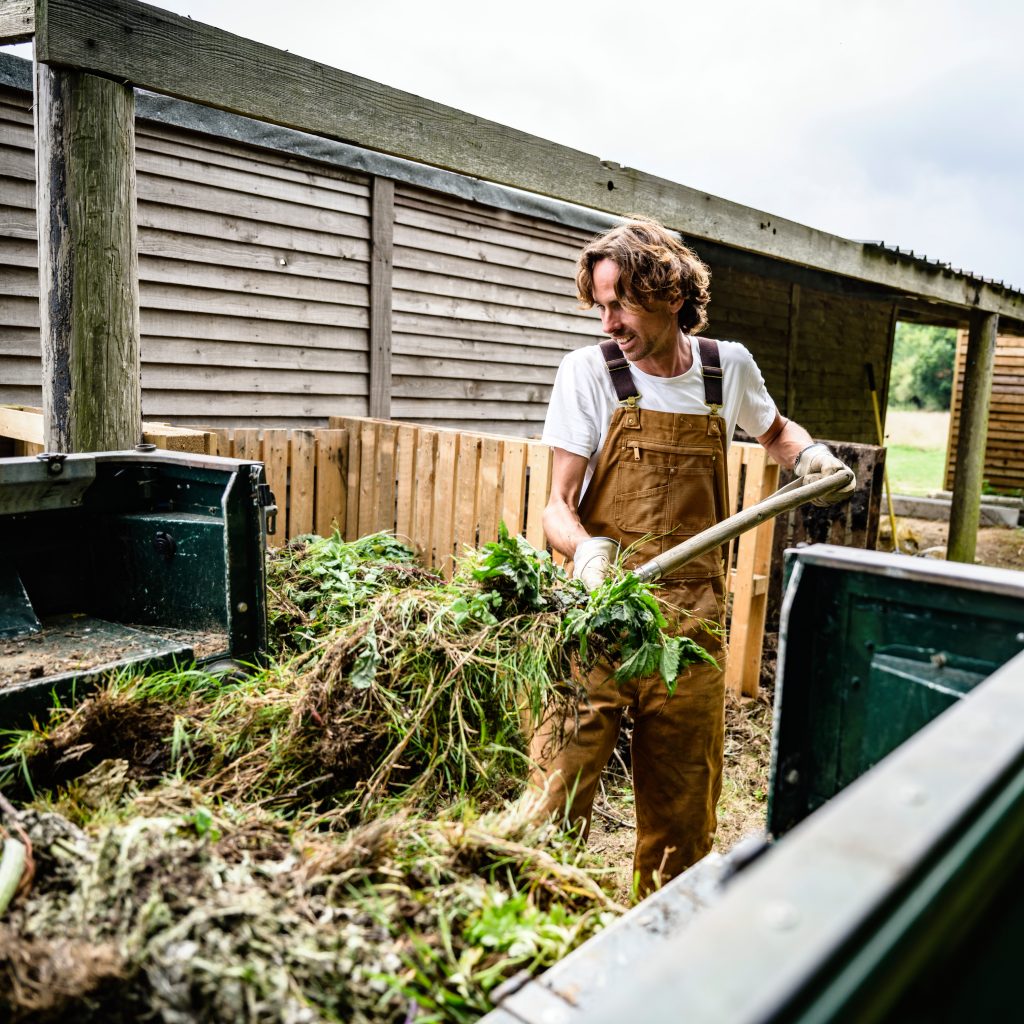
Have you ever wondered if you can add ashes to your compost bin? If you’re trying to create rich, healthy soil, you might think every natural ingredient helps.
But when it comes to ashes, the answer isn’t so simple. Adding the wrong materials can harm your compost and slow down the process. You’ll discover whether ashes belong in your compost, how they affect your soil, and the best way to use them if at all.
Keep reading to make sure your compost stays healthy and your garden thrives.
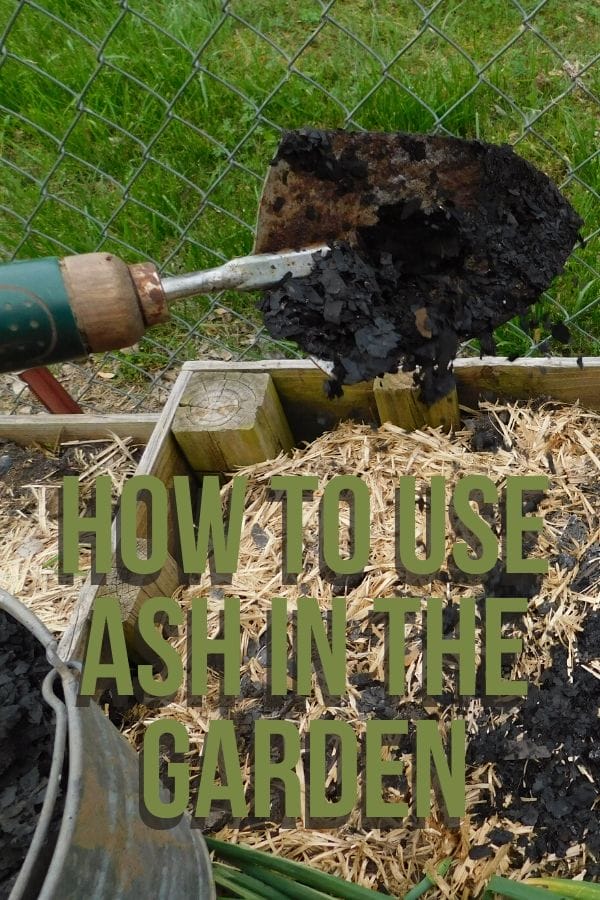
Credit: littlesproutslearning.co
Types Of Ashes To Compost
Ashes come from burning different materials. Some ashes are safe for compost. Others can harm your plants.
It is important to know which ashes you can add to your compost bin. This helps keep your compost healthy.
Wood Ashes
Wood ashes come from burning clean, untreated wood. They are rich in minerals like calcium and potassium. These minerals help plants grow strong.
You can add small amounts of wood ash to your compost. Too much ash can raise the pH level and make soil too alkaline. Mix ashes well with other compost materials.
- Use ashes from natural wood only
- Avoid ashes from painted or treated wood
- Add ashes in small amounts
Charcoal Ashes
Charcoal ashes come from burned charcoal used in grills. They often contain additives or chemicals. These can harm the compost and plants.
Avoid putting charcoal ashes in your compost bin. They may contain substances that do not break down well. Instead, dispose of them in the trash or use them in other ways.
- Do not add charcoal ashes to compost
- Check if charcoal contains additives
- Dispose of charcoal ashes safely
Coal Ashes
Coal ashes come from burning coal for heat or energy. These ashes often have toxic metals. They can pollute the soil and water.
Never put coal ashes in your compost bin. They are unsafe for plants and humans. Keep coal ashes away from your garden and compost.
- Coal ashes contain harmful chemicals
- Do not use coal ashes in compost
- Dispose of coal ashes as hazardous waste
Benefits Of Adding Ashes
Adding ashes to a compost bin can help improve soil quality. Ashes come from burned wood or plants and contain useful nutrients.
Using ashes in compost supports healthy plants and helps balance soil conditions. It is a natural way to enrich your garden soil.
Nutrient Boost
Ashes add important nutrients like potassium, calcium, and magnesium to compost. These nutrients help plants grow strong and healthy.
Potassium improves fruit and flower development. Calcium supports cell walls in plants. Magnesium helps with photosynthesis.
- Potassium aids in plant growth
- Calcium strengthens plant structures
- Magnesium helps plants make food
Ph Adjustment
Ashes can raise the pH level of compost, making it less acidic. This helps create a better environment for many plants.
Adding ashes balances the compost and reduces acidity from other materials. This helps nutrients become more available to plants.
- Raises pH to reduce acidity
- Balances compost for healthy soil
- Improves nutrient availability
Risks Of Using Ashes In Compost
Using ashes in your compost can be tricky. They might seem harmless, but they can cause issues. Understanding these risks is important for healthy composting.
Ashes can affect the pH level and may contain harmful substances. It’s crucial to know how these factors impact your compost.
Excessive Alkalinity
Wood ashes are high in alkaline content. This can make your compost too basic. Plants usually prefer a neutral pH.
- Alkaline soil can harm plant growth.
- It may reduce the availability of essential nutrients.
- High pH levels can disrupt microbial activity.
Toxic Contaminants
Some ashes contain harmful substances. These can be dangerous to plants and soil health.
| Source of Ash | Possible Contaminants |
| Treated Wood | Arsenic, Chromium |
| Painted Wood | Lead, Other Heavy Metals |
| Coal | Sulfur, Mercury |
How To Safely Add Ashes
Adding ashes to your compost bin can improve soil health if done right. Ashes contain minerals that plants need.
It is important to add ashes safely to avoid harming your compost or plants.
Proper Amounts
Use only small amounts of ashes in your compost. Too much ash can raise the soil pH and harm plants.
Limit ashes to about one cup per five-gallon bucket of compost. This keeps the mix balanced and safe.
- Do not add ashes from treated or painted wood.
- Fresh ashes should be cool and dry.
- Test your soil pH to avoid making it too alkaline.
Mixing Techniques
Mix ashes well into the compost to spread them evenly. This prevents clumps that can harm plants.
Turn the compost regularly to help ashes break down and mix with other materials.
- Spread ashes thinly over compost layers.
- Use a garden fork or shovel to mix ashes deeply.
- Keep the compost moist to help decomposition.
Alternatives To Composting Ashes
Wood ashes can be helpful in gardens but not all ashes fit well in compost bins. Some ashes may change the compost balance or harm helpful organisms. It is important to know other ways to use or dispose of ashes safely.
Here are some practical alternatives to composting ashes. These methods help keep your garden healthy and protect the environment.
Using Ashes In Garden Soil
Ashes from wood fires can add nutrients like potassium and calcium to garden soil. They raise soil pH, making it less acidic. Use ashes carefully to avoid damaging plants.
- Sprinkle ashes thinly on garden beds, not more than 5 pounds per 100 square feet.
- Mix ashes well into the soil to avoid clumping.
- Avoid using ashes near acid-loving plants like blueberries or azaleas.
- Do not use ashes from treated wood, charcoal briquettes, or coal.
Disposal Options
If you cannot use ashes in your garden, there are other safe disposal options. These help prevent pollution and keep waste manageable.
| Disposal Method | Description | Notes |
| Trash Disposal | Place cooled ashes in a sealed metal container before trash pickup. | Ensure ashes are fully cold to avoid fires. |
| Landfill | Some landfills accept ashes mixed with other waste. | Check local rules before disposal. |
| Use as Ice Melt | Sprinkle ashes on icy walkways to improve traction. | Use sparingly to avoid soil contamination. |
| Spread on Gravel Paths | Ashes can help reduce mud on garden paths. | Avoid runoff into water sources. |

Credit: creators.yahoo.com
Signs Your Compost Needs Ashes
Adding ashes to your compost can help fix some common problems. Ashes are good for changing the compost’s acidity and texture.
Knowing when to add ashes helps keep your compost healthy and working well. Look for these signs to decide if ashes are needed.
Balancing Acidity
If your compost smells sour or like vinegar, it may be too acidic. Acidic compost can slow down the breakdown of materials.
- Plants growing poorly after compost use
- Compost feels sticky or wet
- Presence of mold or fungus on the surface
- Slower decomposition of organic waste
Adding wood ashes can help reduce acidity. Ashes contain lime, which raises the pH level and balances the compost.
Improving Texture
Compost that is too dense or clumpy may need ashes. Ashes help by adding small particles that improve airflow and drainage.
| Problem | Effect | How Ashes Help |
| Clumpy Compost | Poor air circulation | Ashes create small gaps |
| Wet Compost | Slow breakdown | Ashes absorb moisture |
| Heavy Compost | Hard to turn | Ashes lighten texture |

Credit: creators.yahoo.com
Frequently Asked Questions
Can You Compost Wood Ashes In A Bin?
Yes, you can compost wood ashes in moderation. They add valuable potassium and lime but avoid overuse, as ashes raise pH and can harm compost microbes.
Are Ashes Safe For Vegetable Garden Compost?
Wood ashes are safe in small amounts. They help balance soil acidity but avoid using ashes from treated wood or coal, which contain harmful chemicals.
How Much Ash Is Safe In Compost?
Add no more than one cup of ashes per 5-gallon compost batch. Excess ash can disrupt compost pH and reduce microbial activity.
Should Ashes Be Mixed Before Adding To Compost?
Yes, mix ashes thoroughly into compost. This helps distribute nutrients evenly and prevents clumping or high pH spots that can harm the compost process.
Conclusion
Ashes can be a helpful addition to your compost bin in small amounts. They add minerals like calcium and potassium that plants need. Avoid putting too many ashes at once, as they can change the soil’s pH balance. Let the ashes cool completely before adding them to the compost.
Mix ashes well with other compost materials for best results. Composting with ashes can improve soil health when done carefully. Keep your compost balanced and watch your garden grow strong.