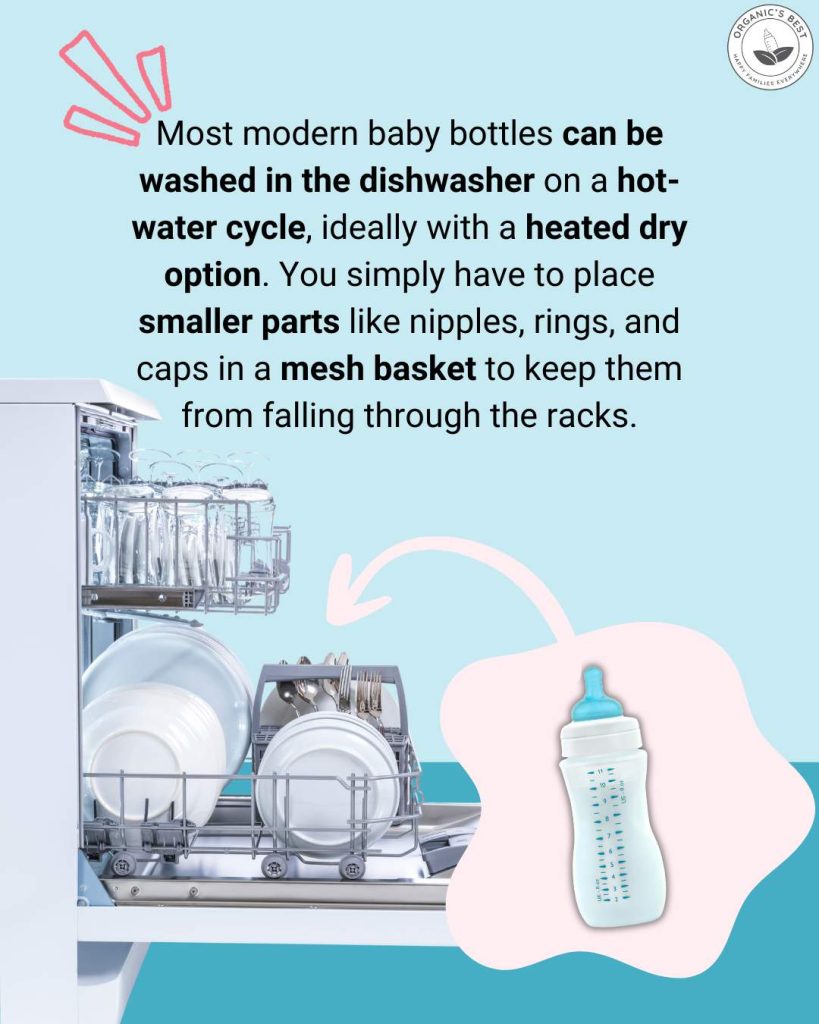
Have you ever wondered if you can put bottles in the dishwasher? You’re not alone.
Many people find themselves hesitating at the kitchen sink, unsure whether their favorite water bottle or baby bottle can handle the heat of a dishwasher cycle. Maybe you’ve noticed leftover milk residue in baby bottles or a stubborn smell that just won’t go away.
You might be tempted to toss them in the dishwasher for convenience, but is it safe? This question often leads to a mix of curiosity and concern. Are you risking your bottles warping, or worse, breaking entirely? You’ll discover the dos and don’ts of washing bottles in the dishwasher, so you can keep them clean without any hassle or mishaps. Dive in to find out how you can save time while ensuring your bottles remain in tip-top shape!
Types Of Bottles Safe For Dishwashers
Not all bottles are safe for the dishwasher. Knowing which types can handle the heat and water pressure helps keep them in good shape. Some materials stand up well, while others may warp or break. Understanding the bottle type guides proper cleaning and care.
Plastic Bottles
Some plastic bottles can go in the dishwasher. Look for bottles marked as dishwasher safe. These plastics resist heat and won’t melt or warp easily. Avoid putting thin or cheap plastics in the dishwasher. The high temperature can damage them or cause chemicals to leach. Use the top rack to reduce heat exposure.
Glass Bottles
Glass bottles are usually safe in the dishwasher. They handle heat and water pressure well. Use a secure spot to prevent movement and breakage. Avoid glass with painted designs or labels that may fade or peel. Check the manufacturer’s instructions before washing. Glass dries well and stays clear after a dishwasher cycle.
Metal Bottles
Stainless steel bottles often work well in dishwashers. They resist rust and heat damage. Avoid metal bottles with special coatings or insulation layers. These can weaken or peel off. Remove lids and seals before washing. Some metal parts may need hand washing to last longer. Always check the bottle’s care label for dishwasher safety.

Credit: www.reddit.com
Preparing Bottles For Dishwasher Cleaning
Preparing bottles for dishwasher cleaning is key to getting them truly clean without damaging them or your machine. Taking a few extra steps before loading helps avoid common issues like residue buildup or clogging. These preparation tips also ensure your bottles come out spotless and safe for use.
Removing Labels And Caps
Labels can trap moisture and detergent, leaving sticky spots or peeling during the wash. Peel off any removable labels before placing bottles in the dishwasher. If the labels are stubborn, soak the bottles in warm water for a few minutes to loosen the adhesive.
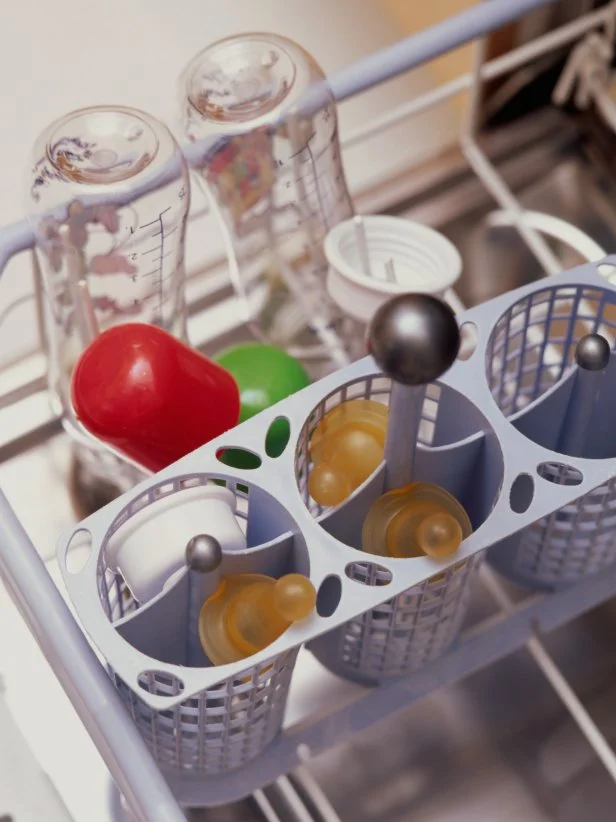
Always remove caps and rings from bottles. These small parts can block water flow or get damaged by dishwasher heat. Wash them separately by hand or place them in the utensil basket to avoid losing them.
Pre-rinsing Tips
Rinse bottles under running water to clear out leftover milk, juice, or other residues. This prevents food particles from baking onto the bottle during washing. Avoid using soap during this rinse, as it can create foam that clogs your dishwasher filter.
For bottles with stubborn residue, fill them partially with warm water and shake vigorously before rinsing. This quick step saves you from scrubbing later and helps your dishwasher work more effectively.
Positioning Bottles In The Dishwasher
Place bottles upside down on the top rack to allow water to flow inside and drain properly. Avoid overcrowding so each bottle gets enough water and detergent. If your dishwasher has adjustable racks, customize them to hold bottles securely without tipping.
Keep caps and small parts in the designated utensil basket or a dishwasher-safe container to prevent them from falling through. This setup helps everything get cleaned evenly and avoids damage to your dishwasher’s components.
Dishwasher Settings For Bottles
Dishwasher settings play a key role when cleaning bottles. Choosing the right settings helps protect bottles and ensures they get clean. Different bottles need different care depending on their material and shape. Setting the dishwasher correctly avoids damage and keeps bottles safe for reuse.
Choosing The Right Cycle
Select a gentle or glassware cycle for bottles. These cycles use less water pressure and shorter wash times. Avoid heavy or pots-and-pans cycles, as they can be too rough. A quick wash cycle is good for lightly soiled bottles.
Temperature Considerations
Use warm water settings, around 110-120°F (43-49°C). High temperatures may warp plastic bottles or damage labels. Avoid very hot water for sensitive bottle materials. Warm water cleans effectively without harming the bottle’s shape or finish.
Avoiding Damage During Washing
- Place bottles upright on the top rack to prevent water pooling inside.
- Use a bottle holder or rack to keep bottles secure.
- Do not overload the dishwasher; bottles need space for water flow.
- Remove caps and lids before washing to clean thoroughly and avoid damage.
Credit: www.foodnetwork.com
Common Mistakes To Avoid
Cleaning bottles in the dishwasher saves time and effort. Yet, many make mistakes that reduce cleaning quality or damage bottles. Avoiding these errors ensures bottles stay clean and last longer. Below are common mistakes to avoid when washing bottles in the dishwasher.
Overloading The Dishwasher
Putting too many bottles or items inside blocks water flow. Dirt and detergent cannot reach all surfaces. Bottles may come out dirty or only partly clean. Leave space between bottles for water to circulate freely. Load the dishwasher carefully to ensure effective cleaning.
Using Harsh Detergents
Strong detergents can damage bottle materials. Plastic bottles may become cloudy or crack over time. Harsh chemicals may leave residue that affects taste and safety. Use mild detergents designed for dishwasher use. Check the detergent label for safety with plastics.
Ignoring Manufacturer Instructions
Some bottles have special cleaning guidelines. Not all bottles are dishwasher safe. Ignoring instructions may cause warping or leaks. Always check the bottle’s label or packaging before washing. Follow specific advice to protect the bottle’s shape and function.
Alternative Cleaning Methods For Bottles
Cleaning bottles without a dishwasher is simple and effective. Alternative methods help keep bottles safe and clean. These options work well for delicate or oddly shaped bottles. They also save energy and reduce wear on your bottles. Choose a method that fits your time and tools.
Hand Washing Techniques
Fill the sink with warm water and mild soap. Use a soft cloth or sponge to clean the bottle’s exterior. Pour soapy water inside the bottle. Swirl it around to reach all areas. Rinse thoroughly with clean water. Let the bottle air dry upside down on a clean towel.
Using Bottle Brushes
Bottle brushes reach deep into narrow necks and corners. Choose a brush with soft bristles to avoid scratches. Insert the brush into the bottle and scrub gently. Move the brush up and down to remove residue. Rinse the bottle thoroughly after scrubbing. Clean the brush regularly to prevent bacteria buildup.
Natural Cleaning Solutions
Natural cleaners are safe and eco-friendly. Mix equal parts white vinegar and water. Pour the solution inside the bottle and let it sit for 15 minutes. Use baking soda for tough stains or odors. Add a tablespoon of baking soda, then fill with warm water. Shake well and let it rest before rinsing. These solutions help disinfect and remove smells effectively.

Credit: www.searshomeservices.com
Frequently Asked Questions
Can All Types Of Bottles Go In The Dishwasher?
Not all bottles are dishwasher safe. Check the manufacturer’s label. Plastic, glass, and metal bottles may vary. Some plastics can warp or release chemicals. Always use the top rack for plastic bottles to avoid heat damage.
How To Prevent Bottle Damage In The Dishwasher?
Place bottles securely to avoid movement during washing. Use a gentle or glassware cycle if available. Avoid high heat settings to prevent warping or cracking. Remove lids and parts before washing for thorough cleaning and drying.
Are Dishwasher Detergents Safe For Bottles?
Most dishwasher detergents are safe for bottles but can be harsh on some materials. Use mild, phosphate-free detergents for plastics and delicate items. Avoid using bleach or abrasive cleaners that can damage the bottle’s surface or finish.
Can Dishwashers Clean Baby Bottles Effectively?
Yes, dishwashers can clean baby bottles effectively if they are dishwasher safe. Use the top rack and a gentle cycle. Remove all parts like nipples and rings for thorough cleaning. High temperatures help sterilize baby bottles properly.
Conclusion
Bottles can go in the dishwasher, but some need special care. Use the top rack for plastic bottles to avoid melting. Remove caps and lids before washing. Check the bottle’s label for dishwasher safety. Hand wash delicate or insulated bottles to keep them safe.
Regular cleaning keeps bottles fresh and germ-free. Follow these tips to protect your bottles and dishwasher. Clean bottles mean healthier drinks every day. Simple steps make washing easy and safe.