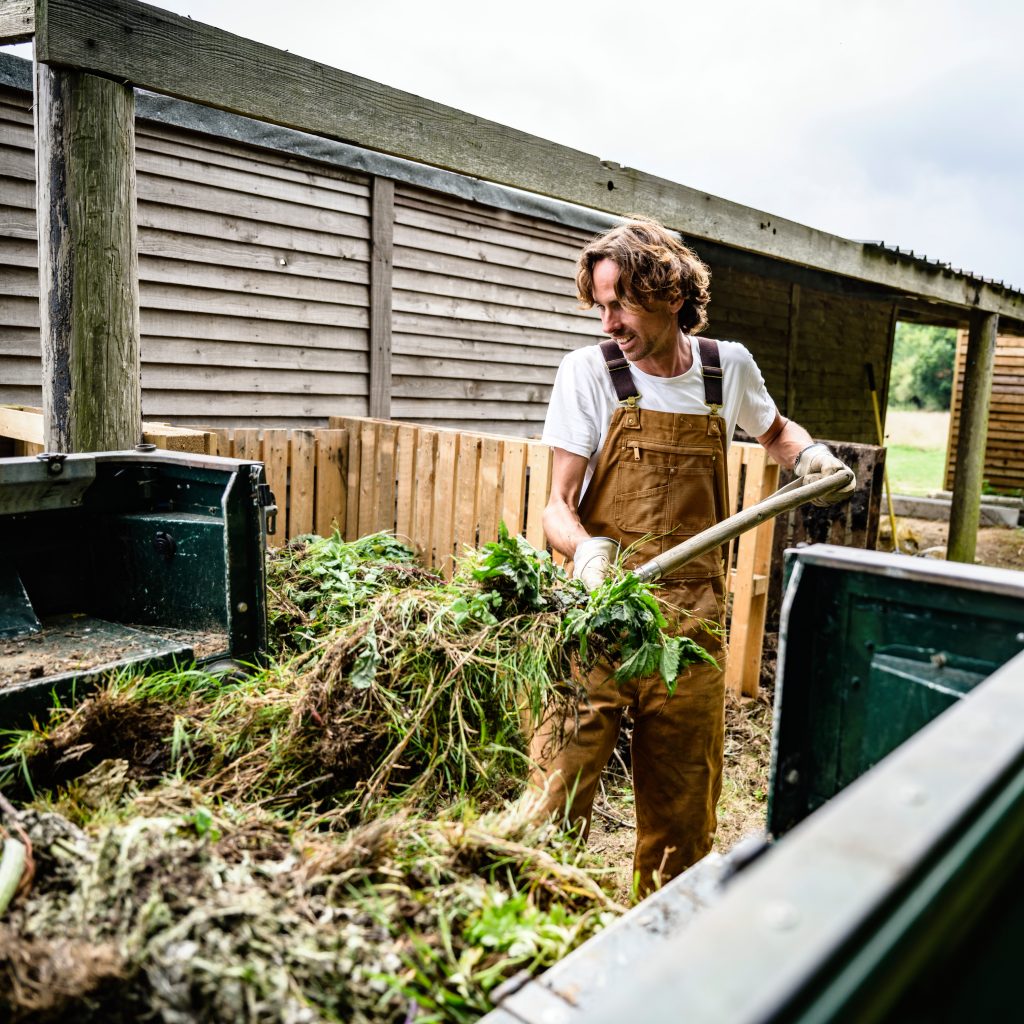
Have you ever wondered if you can put bread in your compost bin? It’s a common question for anyone trying to reduce waste and make their garden thrive.
You might think bread is just another food scrap, but is it really good for your compost? Knowing the right answer can save you from unwanted pests, bad smells, and a messy bin. You’ll discover the truth about composting bread and learn simple tips to keep your compost healthy and effective.
Keep reading to find out how to turn your leftover bread into garden gold!
Bread And Composting Basics
Putting bread in your compost bin can help reduce waste. Bread breaks down and adds nutrients to the soil.
Knowing what happens to bread in compost and which types are best helps keep your compost healthy.
What Happens To Bread In Compost
Bread decomposes quickly in a compost bin. Microorganisms like bacteria and fungi break it down into organic matter.
Too much bread can attract pests and create bad smells. It is best to add bread in small amounts.
- Bread breaks down and adds carbon to the compost
- It helps feed microorganisms that improve soil health
- Moist bread speeds up decomposition
- Large amounts can cause pests like rats or flies
- Old or moldy bread should be composted carefully
Types Of Bread Suitable For Compost
Not all bread types compost equally well. Some are better for your compost bin than others.
| Type of Bread | Composts Well? | Notes |
| White Bread | Yes | Breaks down fast, low fiber |
| Whole Wheat Bread | Yes | Slower to break down, adds nutrients |
| Gluten-Free Bread | Yes | Varies by ingredients, usually composts well |
| Sweet Breads (e.g., banana bread) | No | High sugar can attract pests |
| Bread with Mold | Yes | Mold helps decomposition but add small amounts |
Benefits Of Adding Bread To Compost
Adding bread to your compost bin can help enrich the compost. Bread breaks down and adds valuable nutrients to the soil.
This process supports healthy plant growth by improving soil quality naturally. Let’s explore how bread benefits compost.
Nutrient Contribution
Bread contains carbohydrates and small amounts of protein and minerals. These nutrients feed the microorganisms that break down organic matter.
- Provides energy for compost microbes
- Contains nitrogen, which helps balance compost
- Breaks down into organic matter that enriches soil
- Helps speed up the composting process
Improving Soil Microbes
Bread encourages the growth of helpful bacteria and fungi in the compost. These microbes are vital for healthy soil ecosystems.
| Microbe Type | Role in Compost |
| Bacteria | Break down simple organic compounds |
| Fungi | Decompose tough materials like cellulose |
| Actinomycetes | Improve soil texture and nutrient release |
Risks Of Composting Bread
Putting bread in your compost bin may seem like a good idea. Bread is organic and breaks down over time. But composting bread has some risks you should know.
Bread can cause problems in your compost pile. It may attract unwanted pests and rodents. It can also create mold and bad smells.
Attracting Pests And Rodents
Bread is sweet and soft, which makes it very attractive to animals. Rats, mice, raccoons, and insects love to eat bread. Adding bread to compost can invite these pests.
These animals can cause damage to your compost bin and garden. They may spread diseases and make a mess. This makes composting bread risky for keeping pests away.
- Bread attracts rodents like rats and mice
- Raccoons and squirrels may visit your compost
- Insects such as flies and ants are drawn to bread
- Pests can spread dirt and germs around your bin
Mold And Odor Issues
Bread breaks down quickly and often grows mold. Moldy bread in compost can create strong, unpleasant smells. These odors can be hard to control in your yard.
The mold can also slow down the composting process. It may affect the balance of good microbes needed to break down other materials. This can make your compost less healthy.
- Mold grows fast on bread in compost
- Bad smells can spread to your garden area
- Moldy bread can slow the compost process
- Strong odors may attract unwanted animals
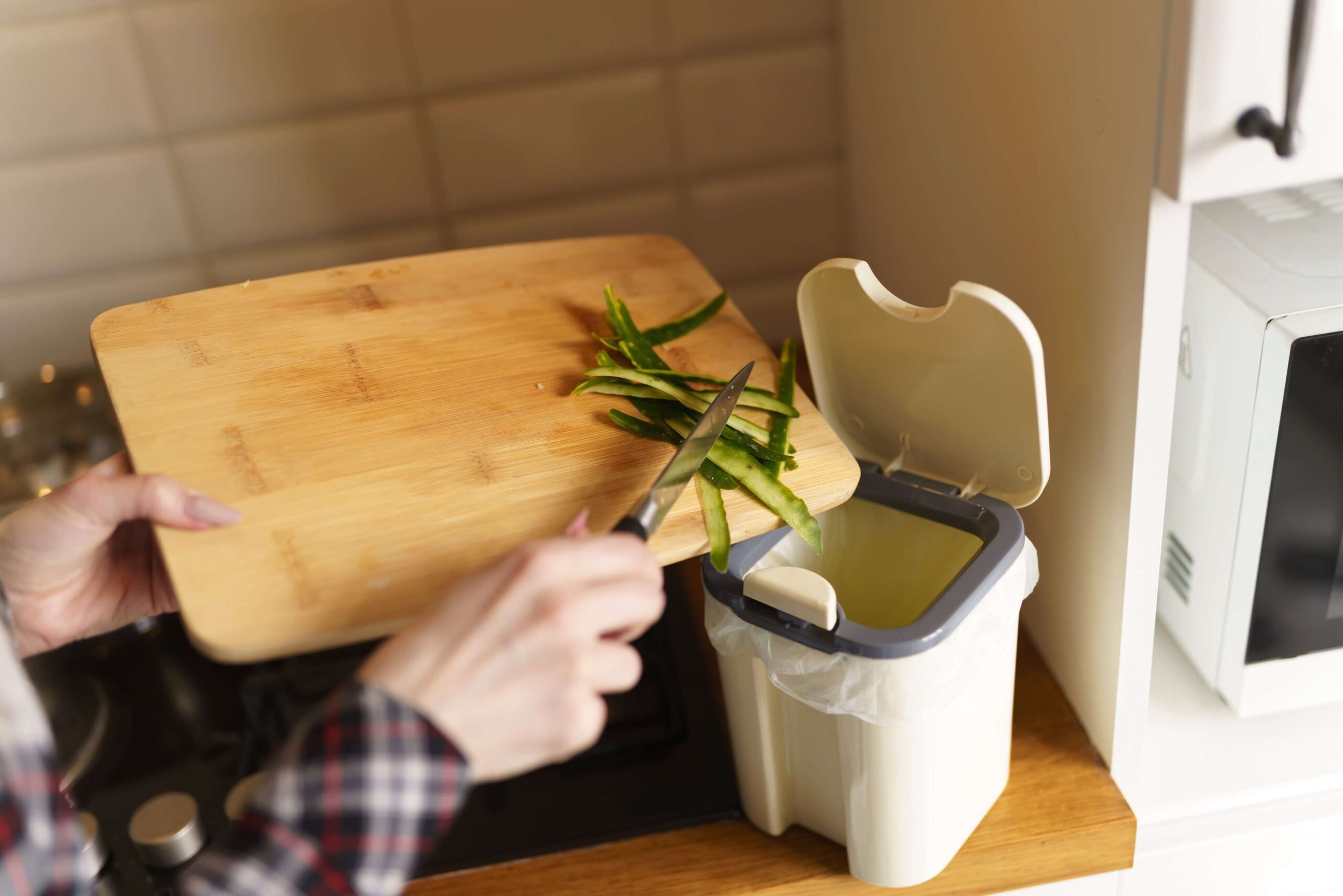
Credit: www.texasdisposal.com
How To Prepare Bread For Compost
Bread can go into your compost bin, but you need to prepare it right. Proper preparation helps the bread break down faster.
Preparing bread correctly keeps pests away and avoids bad smells. This guide shows how to get bread ready for compost.
Breaking Bread Into Smaller Pieces
Break the bread into small pieces before adding it to your compost. Smaller pieces decompose faster and mix better.
Use your hands or a knife to tear or cut the bread into chunks about one to two inches wide.
- Small pieces help microbes break down the bread quickly
- Large chunks may stay wet and slow decomposition
- Breaking up bread stops it from clumping together
Balancing With Other Compost Materials
Bread is rich in carbohydrates and moisture. Balance it with dry, brown materials in your compost.
Add items like dry leaves, shredded paper, or straw to keep the compost healthy and prevent bad smells.
- Mix bread pieces evenly with dry brown materials
- Too much bread can make the compost smelly or attract pests
- Keep a good balance of green (wet) and brown (dry) materials
Best Practices For Composting Bread
Bread can be composted if done correctly. It breaks down quickly but needs care.
Follow simple steps to keep your compost healthy and avoid pests when adding bread.
Layering Techniques
Use layers to balance wet and dry materials. Bread is wet, so add dry layers too.
- Start with a dry base like leaves or shredded paper.
- Add a thin layer of bread pieces to avoid clumping.
- Cover bread with dry materials to reduce smell and pests.
- Alternate wet and dry layers for good composting.
Maintaining Moisture And Aeration
Keep compost moist but not soggy. Bread can make it too wet if not balanced.
| Condition | What to Do |
| Too Dry | Add small amounts of water or wet scraps |
| Too Wet | Mix in dry leaves or shredded paper |
| Not Enough Air | Turn the pile every few days |
| Too Smelly | Check for bread layers and cover with dry material |

Credit: m.youtube.com
Alternatives To Composting Bread
Bread can be tricky to compost because it attracts pests and molds quickly. You might want to try other ways to use leftover bread instead of putting it in the compost bin.
Here are some practical alternatives that help reduce waste and make good use of old bread.
Using Bread For Animal Feed
Many animals enjoy bread as a treat. Feeding bread to animals can be a good way to reduce waste, but it should be done carefully.
- Feed bread in small amounts to avoid upsetting animals’ digestion.
- Break bread into small pieces to make it easier for animals to eat.
- Use stale or dry bread instead of moldy or very old bread.
- Feed bread to farm animals like chickens, pigs, and ducks.
- Avoid giving bread to wild birds regularly to keep their diet balanced.
Creative Bread Recycling Ideas
Old bread can be reused in many creative ways around the house and kitchen. This helps reduce food waste and saves money.
| Idea | Description |
|---|---|
| Make Breadcrumbs | Grind stale bread to use as crumbs for cooking or baking. |
| Prepare Croutons | Cut bread into cubes, season, and bake for salad toppings. |
| Use in French Toast | Soak bread in egg mixture and cook for a tasty breakfast. |
| Feed Garden Worms | Break bread into small pieces and add to worm bins carefully. |
| Make Bread Pudding | Mix bread with milk, eggs, and sugar to create a sweet dessert. |
Credit: www.mcenroeorganicfarm.com
Frequently Asked Questions
Can Bread Be Composted Safely?
Yes, bread can be composted safely, but with caution. It breaks down quickly, enriching your compost. However, it can attract pests. To prevent this, bury bread deep in the compost pile. Avoid adding large amounts at once to maintain balance and deter unwanted visitors.
How Does Bread Affect Compost Quality?
Bread enhances compost quality by adding valuable nutrients. It decomposes rapidly, contributing carbon and nitrogen. However, too much can disrupt the balance. Ensure a mix of greens and browns. This prevents issues like odor and pests, maintaining a healthy compost environment.
What Types Of Bread Can Be Composted?
Almost all types of bread can be composted, including whole grain and white. Avoid bread with excessive oils, butter, or preservatives, as they can hinder decomposition. Stale, moldy bread is ideal for composting. Always break it into smaller pieces for quicker breakdown and to deter pests.
How To Prevent Pests When Composting Bread?
To prevent pests, bury bread deep in your compost pile. This hides the smell, reducing attraction. Cover it with a layer of browns, like leaves. Avoid adding large quantities at once. This practice helps maintain a balanced compost, discouraging pests effectively.
Conclusion
Bread can go into your compost bin, but with care. Small amounts break down well and feed helpful microbes. Avoid moldy or large pieces that attract pests. Tear bread into tiny bits for faster composting. Keep your bin balanced with greens and browns for best results.
Composting bread helps reduce waste and enrich soil naturally. Try it out and watch your garden grow healthier. Simple steps make a big difference in compost quality.