Are you wondering if you can toss your car seat covers into the dryer to save time? You’re not alone.
Many people want a quick and easy way to keep their car seats fresh and clean without risking damage. But before you press start on that dryer, it’s important to know what really happens when car seat covers meet heat.
Keep reading to discover the best way to care for your seat covers and avoid costly mistakes that could ruin them. Your car’s interior deserves the right treatment, and we’re here to help you get it just right.
Types Of Car Seat Covers
Car seat covers come in different materials. Each type offers unique benefits and care needs.
Knowing the type of cover helps you decide if you can put it in the dryer safely.
Fabric Covers
Fabric covers are popular because they are soft and breathable. They come in cotton, polyester, and blends. These covers can often be machine washed.
- Usually affordable
- Easy to clean with mild detergent
- May shrink or lose shape in high heat
- Check care label before drying
Leather And Faux Leather Covers
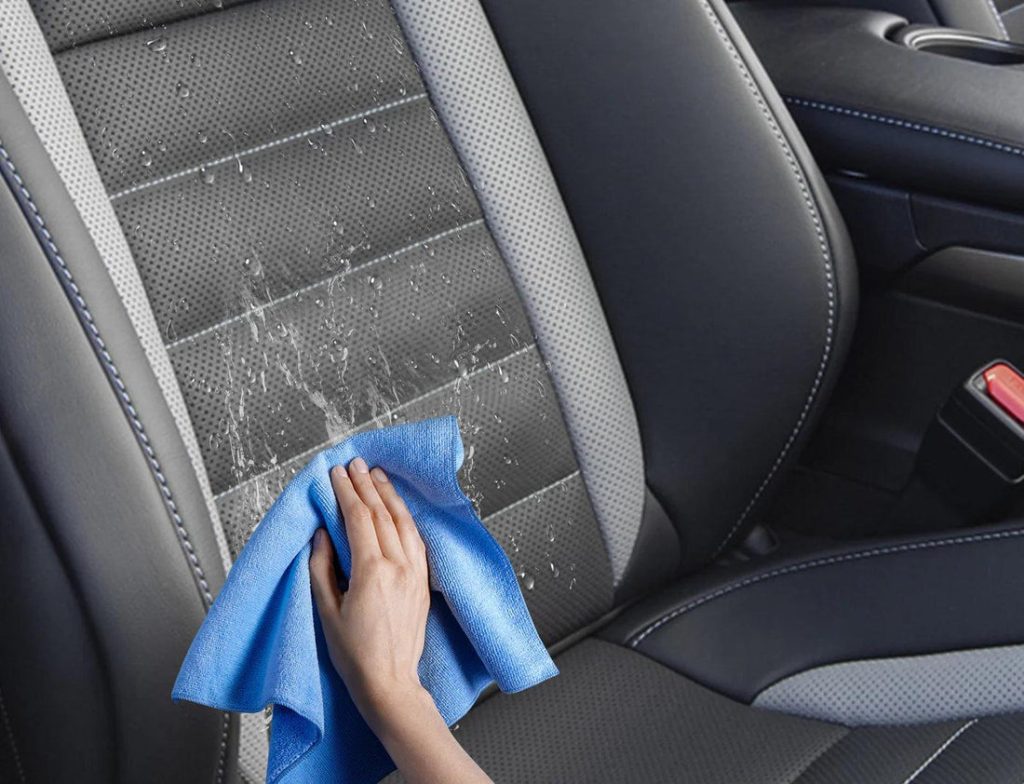
Leather and faux leather covers look stylish and feel smooth. They resist spills but need special care. Heat can damage the material or cause cracking.
| Material | Can It Go in Dryer? | Care Tips |
| Leather | No | Wipe with damp cloth, use leather conditioner |
| Faux Leather | No | Clean with mild soap, avoid heat and direct sun |
Neoprene And Waterproof Covers
Neoprene covers are thick and water-resistant. They protect seats from spills and dirt. You can wash them, but dryers might shrink or damage the material.
Always check the care instructions. Air drying is usually safest for these covers.
Credit: blisscarwash.com
Care Labels And Manufacturer Guidelines
Car seat covers need proper care to stay clean and last longer. Checking care labels helps you know how to wash them safely.
Manufacturers give instructions to protect the material and shape of the covers. Following these keeps your car seats looking good.
Reading Care Instructions
Care labels show symbols and words about washing and drying. They tell you if the covers can go in the dryer or not.
Look for drying symbols like a square with a circle. A dot inside means low heat, two dots mean medium heat, and a cross means do not tumble dry.
- Check if the label says “Do Not Tumble Dry”
- Follow any temperature limits shown
- Look for special instructions like air drying
Common Manufacturer Recommendations
Most car seat covers are not made for machine drying. High heat can shrink or damage the fabric and padding.
Manufacturers usually suggest air drying the covers. This keeps the shape and prevents damage.
- Remove covers from washer promptly
- Hang covers to dry in a shaded area
- Avoid direct sunlight to prevent fading
- Do not iron unless label allows
Risks Of Using A Dryer For Car Seat Covers
Using a dryer for car seat covers can cause problems. Many covers are made from materials that do not handle heat well.
Dryers can change the size, color, and feel of the covers. It is important to know these risks before drying them.
Shrinkage And Damage
High heat in dryers can shrink car seat covers. Shrinkage makes covers tight and hard to put back on seats.
Heat can also weaken the fabric and cause tears or holes. Damage lowers the cover’s protection and lifespan.
Color Fading And Texture Changes
Dryers can fade the colors of car seat covers. This makes the covers look old and worn out quickly.
The texture of the fabric may also change. Covers can become rough or stiff, reducing comfort and style.
Safe Drying Alternatives
Car seat covers need careful drying to keep them in good shape. Using a dryer can cause damage or shrinkage.
There are safer ways to dry these covers without risking their quality. Try some gentle drying methods instead.
Air Drying Tips
Air drying is the safest way to dry car seat covers. It prevents heat damage and keeps the fabric fresh.
Hang the covers in a well-ventilated area away from direct sunlight. This avoids fading and fabric weakening.
- Use a clothesline or drying rack
- Turn covers inside out for faster drying
- Flip covers occasionally to dry evenly
- Keep covers away from heat sources
Using Low Heat Settings
If you must use a dryer, choose the lowest heat setting. Low heat reduces the risk of shrinking or melting parts.
Check the care label on your car seat covers. Some materials can handle gentle heat while others cannot.
- Set dryer to “air fluff” or “delicate” mode
- Use a short drying cycle
- Remove covers while slightly damp
- Do not overload the dryer
Spot Drying Techniques
Spot drying works well for small stains or damp areas. It avoids drying the whole cover unnecessarily.
Use a clean towel to blot wet spots. You can also use a hairdryer on low heat to dry specific areas.
- Blot stains gently without rubbing
- Use cold or lukewarm water to clean spots
- Keep the hairdryer moving to avoid heat damage
- Let the cover air dry fully after spot drying
When Dryer Use Is Acceptable
Car seat covers need careful cleaning to last long. Drying them properly is very important. Some covers can go in the dryer safely.
This guide explains when it is okay to use a dryer for car seat covers. Knowing the right materials and drying settings can help.
Durable Materials
Car seat covers made from strong fabrics like polyester or neoprene can handle dryer heat. These materials do not shrink or lose shape easily.
- Polyester seat covers dry well in a machine.
- Neoprene covers resist heat and dry quickly.
- Avoid cotton covers as they may shrink.
- Check the label for fabric type before drying.
Short, Low-heat Cycles
Use short drying times and low heat to protect your covers. This prevents damage and keeps the fabric soft.
| Dryer Setting | Recommended Time | Heat Level |
| Delicate | 15-20 minutes | Low |
| Air Fluff | 20-30 minutes | No Heat |
| Permanent Press | 20 minutes | Low-Medium |

Credit: www.seatcoversolutions.com
Expert Maintenance Tips
Car seat covers keep your seats clean and safe. Proper care helps them last longer.
Knowing if you can put car seat covers in the dryer is important. This guide shares tips for cleaning and protecting them.
Regular Cleaning Practices
Check the care label on your car seat covers before washing. Some covers can be machine washed, while others need hand cleaning.
Most car seat covers should not be put in the dryer. High heat can shrink or damage the fabric. Air drying is safer.
- Remove covers and shake out loose dirt.
- Use mild detergent for gentle cleaning.
- Hand wash or use a gentle machine cycle.
- Do not use bleach or harsh chemicals.
- Lay covers flat to air dry away from direct sunlight.
Protecting Covers From Wear And Tear
Protect your car seat covers by avoiding sharp objects and heavy friction. This reduces rips and tears.
Regularly inspect your covers for signs of damage. Fix small tears quickly to prevent them from getting worse.
- Keep pets’ nails trimmed to avoid scratches.
- Use seat covers designed for your car model.
- Remove covers carefully when cleaning.
- Avoid placing heavy items on the seats.
- Store extra covers in a cool, dry place.

Credit: www.seatcoversolutions.com
Frequently Asked Questions
Can Car Seat Covers Be Safely Dried In A Dryer?
Most car seat covers are not dryer-safe. Heat can damage fabric and elastic. Always check the care label before drying.
What Is The Best Way To Dry Car Seat Covers?
Air drying is best for car seat covers. Lay them flat or hang in a shaded area to avoid shrinking or fading.
Will Drying Car Seat Covers Ruin Their Fit?
Using a dryer can cause shrinkage, which ruins the fit. Air drying preserves the cover’s shape and elasticity.
How Do I Clean Car Seat Covers Without A Dryer?
Hand wash or machine wash on gentle cycle with mild detergent. Then air dry to maintain fabric quality and durability.
Conclusion
Car seat covers need gentle care to last long. Most covers should not go in the dryer. Heat can shrink or damage the fabric quickly. Air drying keeps them safe and looking good. Always check the label for washing instructions first.
Taking time to dry naturally helps maintain color and fit. A little care protects your investment and comfort. Drying right is simple and worth the effort. Keep your car seat covers fresh and neat with safe drying.