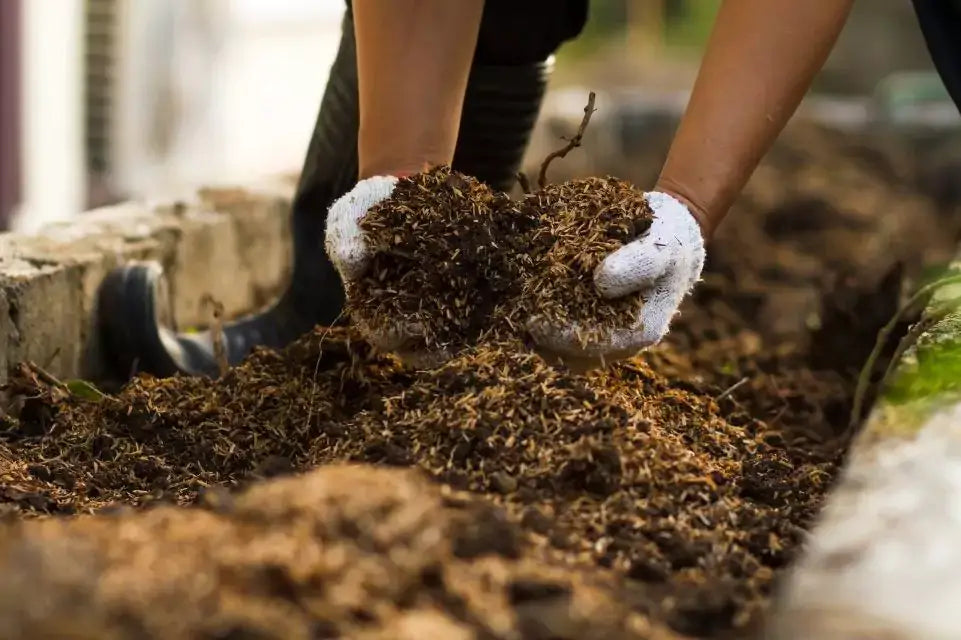
Have you ever wondered if those leftover coffee grounds from your morning brew can find a new life in your compost bin? You might be surprised at how beneficial they can be for your garden and compost pile.
But before you toss them in, it’s important to know the right way to use coffee grounds so they help rather than harm your compost. Keep reading to discover how coffee grounds can boost your compost and what you should watch out for to make the most of this everyday kitchen waste.
Benefits Of Coffee Grounds In Compost
Coffee grounds are a great addition to your compost bin. They help improve the quality of your compost.
Adding coffee grounds supports healthy soil and helps plants grow better.
Nutrient Boost For Soil
Coffee grounds add important nutrients like nitrogen, potassium, and phosphorus. These nutrients help plants stay strong and healthy.
- Nitrogen supports leaf growth.
- Potassium helps with root development.
- Phosphorus aids in flower and fruit production.
Improving Soil Structure
When mixed into compost, coffee grounds improve soil texture. They help soil hold water better and increase aeration. This lets roots grow more easily.
| Benefit | Effect on Soil |
| Water Retention | Keeps soil moist longer |
| Soil Aeration | Prevents soil compaction |
| Drainage | Helps excess water flow |
Attracting Beneficial Microbes
Coffee grounds feed helpful microbes in the soil. These microbes break down organic matter and make nutrients easier for plants to absorb. This supports a healthy garden ecosystem.
- Microbes improve soil fertility.
- They protect plants from diseases.
- They support nutrient cycling.

Credit: fullyhealthy.com
How Coffee Grounds Affect Composting
Coffee grounds are a popular item to add to compost bins. They come from used coffee and can improve your compost in many ways. Understanding their role helps you create better compost.
Adding coffee grounds changes the balance and helps the compost break down faster. They also hold moisture well, which is good for compost health.
Balancing Carbon And Nitrogen
Coffee grounds are rich in nitrogen, a key nutrient for compost. Nitrogen helps microbes break down materials faster. Compost needs a balance of carbon and nitrogen to work well.
Too much carbon slows down composting. Coffee grounds add nitrogen, helping balance the mix. Use coffee grounds with brown materials like leaves or paper to keep the right ratio.
- Coffee grounds add nitrogen (green material)
- Brown materials add carbon
- A good balance is about 25-30 parts carbon to 1 part nitrogen
Moisture Retention Properties
Coffee grounds hold moisture well. This helps keep the compost damp, which microbes need to live and work. Dry compost slows down and stops breaking down materials.
But too much moisture can make compost soggy and smelly. Mixing coffee grounds with dry materials helps keep the right moisture level.
- Coffee grounds keep compost moist
- Mix with dry materials to avoid sogginess
- Good moisture helps microbes stay active
Speeding Up Decomposition
Coffee grounds speed up composting by feeding microbes. These tiny organisms break down waste into rich soil. More nitrogen means more energy for microbes.
Adding coffee grounds helps the compost heat up. Warm compost breaks down faster and kills weed seeds and pests.
- Coffee grounds provide food for microbes
- Increase heat in compost pile
- Faster breakdown of materials
Best Practices For Adding Coffee Grounds
Coffee grounds are a popular addition to compost bins. They add nutrients and help create rich soil.
Using coffee grounds correctly keeps your compost healthy and balanced. Follow these best practices.
Amount To Add
Add coffee grounds in moderation. Too much can make the compost too acidic.
- Use about 20% coffee grounds in your compost mix.
- For a small bin, one cup per week is enough.
- Large bins can handle up to two cups per day.
- Balance coffee grounds with other materials.
Mixing With Other Materials
Coffee grounds are rich in nitrogen, so mix them with carbon-rich materials.
| Material Type | Examples |
| Nitrogen-rich (Green) | Fruit scraps, vegetable peels, fresh grass clippings |
| Carbon-rich (Brown) | Dry leaves, straw, cardboard, paper |
Layer coffee grounds with dry leaves or shredded paper to keep the balance right.
Avoiding Compost Bin Issues
Too many coffee grounds can cause problems like bad smell or slow composting.
- Turn your compost regularly to add air.
- Do not add wet coffee grounds alone; mix with dry materials.
- Watch for clumps and break them up to improve airflow.
- If smell occurs, add more brown materials to fix it.
Common Mistakes To Avoid
Adding coffee grounds to your compost bin can improve soil health. Yet, some mistakes can slow down composting or cause bad smells.
Knowing what to avoid helps keep your compost balanced and healthy for your plants.
Using Too Much Coffee Grounds
Putting too many coffee grounds in your compost bin can create problems. Coffee grounds are rich in nitrogen, but too much nitrogen can make the compost wet and smelly.
It is best to mix coffee grounds with dry materials like leaves or paper. This balance helps the compost break down faster and stops bad odors.
- Use coffee grounds in small amounts
- Always mix with dry, brown materials
- Turn the compost to add air
Adding Coffee Filters
Coffee filters are often made of paper and can be composted. But some filters have chemicals or bleach that harm compost.
Check if your coffee filters are unbleached and free of additives. If unsure, remove the filter before adding grounds to compost.
- Use unbleached, natural filters only
- Remove synthetic or bleached filters
- Shred filters to help them break down
Composting Used Vs. Fresh Grounds
Used coffee grounds are better for compost than fresh grounds. Fresh grounds can be acidic and slow down composting.
Used grounds have lost most acidity and add nutrients. Always let fresh grounds dry out before adding them to compost.
- Prefer used coffee grounds for compost
- Dry fresh grounds before composting
- Mix grounds well with other compost materials
Alternatives To Coffee Grounds In Compost
Coffee grounds are a popular compost ingredient, but you can use other materials too. These alternatives also add nitrogen, which helps break down compost quickly.
Using a variety of nitrogen-rich materials keeps your compost healthy and balanced. Here are some good options to try.
Other Nitrogen-rich Materials
Green plant waste is a great source of nitrogen. It helps speed up decomposition and adds nutrients to the soil.
- Grass clippings
- Vegetable scraps
- Fruit peels
- Green leaves
- Spent brewery grains
Organic Waste Options
Many kitchen and garden wastes provide nitrogen for compost. Mixing these with brown materials creates healthy compost.
| Organic Waste | Nitrogen Content |
| Vegetable scraps | High |
| Fruit peels | Moderate |
| Grass clippings | High |
| Manure (herbivores) | Very High |
| Green leaves | Moderate |

Credit: www.epicgardening.com
Tips For Coffee Grounds Storage Before Composting
Storing coffee grounds properly before adding them to your compost bin keeps them fresh. It also prevents problems like mold and bad smells. Good storage helps your compost break down well.
Here are easy tips to prepare coffee grounds for composting. Follow these to keep your compost healthy and effective.
Drying Grounds
Fresh coffee grounds hold a lot of moisture. Drying them helps stop clumping and slows decay. Spread the grounds thinly on a tray. Let them air dry in a warm, dry place for a day or two.
- Use a shallow tray to spread grounds evenly
- Stir grounds occasionally to speed drying
- Keep tray out of direct sunlight to avoid overheating
- Dry grounds fully before storing
Preventing Mold Growth
Mold grows fast on wet coffee grounds. Proper storage stops mold and keeps grounds good for compost. Store dried grounds in a dry, sealed container. Avoid airtight bags if grounds are still damp.
| Storage Method | Best Use | Notes |
| Open container | Dry grounds | Allows air flow, prevents mold |
| Sealed jar | Fully dry grounds | Keeps moisture out |
| Paper bag | Semi-dry grounds | Breathable but protects from dust |
| Plastic bag | Not recommended | Traps moisture, causes mold |

Credit: stutzmans.com
Frequently Asked Questions
Are Coffee Grounds Good For Compost?
Yes, coffee grounds are great for composting. They are rich in nitrogen, which helps in breaking down organic matter. Adding them to your compost bin can improve soil structure and increase microbial activity.
How Much Coffee Grounds Can I Add?
You can add coffee grounds in moderation. Aim for a balance of one-third coffee grounds, one-third green materials, and one-third brown materials. Too many coffee grounds can make the compost acidic.
Do Coffee Grounds Attract Pests?
Used coffee grounds generally do not attract pests. They might repel some insects like ants and slugs. However, always mix them well into the compost to avoid any potential issues.
Can Coffee Grounds Make Compost Acidic?
Coffee grounds are slightly acidic, but they become neutral during composting. When added in moderation, they won’t significantly alter the pH balance of your compost.
Conclusion
Coffee grounds add valuable nutrients to your compost bin. They help improve soil and support plant growth. Just avoid adding too many at once. Mix them well with other compost materials. This keeps your compost balanced and healthy. Using coffee grounds is an easy way to reduce waste.
It also helps create rich, dark compost for your garden. Give it a try and watch your plants thrive. Simple steps make a big difference in composting success.