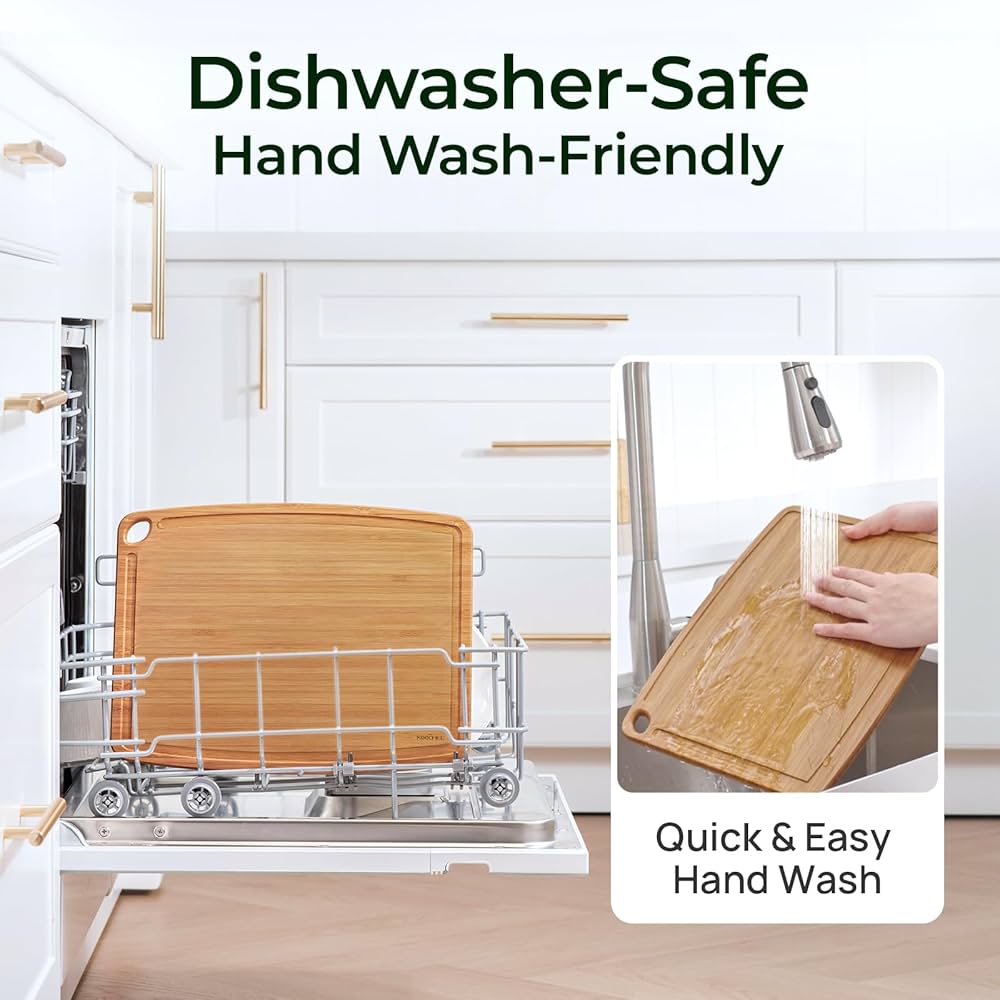
Are you wondering if it’s safe to put your cutting boards in the dishwasher? You probably want to keep your kitchen tools clean without ruining them.
But not all cutting boards react the same way to the heat and water inside a dishwasher. You’ll discover which cutting boards can handle the dishwasher and which ones need special care. By the end, you’ll know exactly how to keep your cutting boards clean, safe, and lasting longer.
Keep reading to protect your kitchen investment!
Credit: www.homedepot.com
Types Of Cutting Boards
Cutting boards come in many materials. Each type needs different care.
Knowing board types helps you decide if you can put them in a dishwasher.
Wooden Boards
Wooden cutting boards are popular for their durability. They are gentle on knives.
Wood can crack or warp in a dishwasher. Hand washing is best to keep them safe.
Plastic Boards
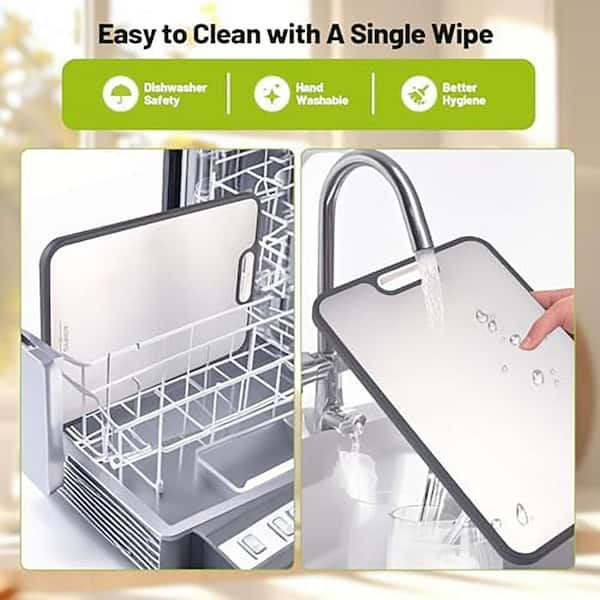
Plastic boards are common and often dishwasher safe. They can handle high heat.
They may get scratched over time. Replace if deep cuts appear to avoid bacteria.
Bamboo Boards
Bamboo boards are harder than wood but lighter. They resist water better than wood.
Dishwasher heat can dry and crack bamboo. Hand wash with mild soap and dry well.
Composite Boards
Composite boards combine wood fibers and resin. They are tough and durable.
Most composite boards are dishwasher safe. Check the manufacturer’s instructions to be sure.
Dishwasher Safety For Cutting Boards
Cutting boards are a kitchen essential, but cleaning them properly is important. Many people wonder if putting cutting boards in the dishwasher is safe.
This guide looks at key factors like heat, water, detergent, and damage risks. It helps you decide the best way to clean your cutting boards.
Heat And Water Impact
Dishwashers use hot water and steam to clean dishes. This high heat can affect cutting boards in different ways. Wooden boards may lose moisture and dry out.
Plastic boards handle heat better but can sometimes warp if the temperature is too high. Water pressure also impacts the board’s surface and edges.
Detergent Effects
Dishwasher detergents are strong to remove grease and food. These chemicals can wear down cutting board materials. Wood can absorb some detergent, causing it to weaken or discolor.
- Plastic boards resist detergents better than wood.
- Harsh detergents may dull the surface of some boards.
- Using mild detergents can reduce damage risks.
- Some boards have labels that say if dishwasher detergent is safe.
Warping And Cracking Risks
Heat and water can cause cutting boards to warp or crack. Wood boards are most at risk because they expand and shrink with moisture changes. Plastic boards may bend out of shape.
| Material | Warping Risk | Cracking Risk | Dishwasher Safe? |
|---|---|---|---|
| Wood | High | High | No |
| Bamboo | Medium | Medium | No |
| Plastic | Low | Low | Usually yes |
| Composite | Low | Low | Check label |
Which Boards Are Dishwasher Safe?
Not all cutting boards can go in the dishwasher. Some materials handle heat and water better than others.
Knowing which boards are dishwasher safe helps keep your kitchen tools clean without damage.
Plastic And Composite Boards
Plastic and composite cutting boards are usually dishwasher safe. They resist heat and do not absorb water.
- Made from synthetic materials like polyethylene
- Can handle high dishwasher temperatures
- Easy to sanitize in the dishwasher
- Less prone to cracking or warping
Avoiding Wooden Boards
Wooden boards are not safe for dishwashers. Heat and water cause them to crack and warp.
Hand washing is best to keep wooden boards in good shape and prevent damage.
Special Cases For Bamboo
Bamboo boards are harder than wood but still need care. They can crack in the dishwasher.
| Board Type | Dishwasher Safe | Notes |
| Plastic | Yes | Durable and easy to clean |
| Composite | Yes | Resists heat and water |
| Wood | No | Cracks and warps with heat |
| Bamboo | No | May crack or dry out |
Proper Cleaning Techniques
Cutting boards need good cleaning to stay safe and last longer. Some boards should not go in the dishwasher. This guide explains how to clean cutting boards the right way.
Using proper cleaning methods helps remove germs and keeps your cutting board in good shape. Learn how to wash, sanitize, and dry your boards carefully.
Hand Washing Tips
Hand washing is often the best way to clean cutting boards, especially wooden ones. Use warm water and soap to scrub the surface well.
Make sure to clean both sides of the board. Use a scrub brush or sponge to remove food bits and stains.
- Use hot, soapy water
- Scrub all surfaces thoroughly
- Rinse with clean water
- Do not soak wooden boards for long
Sanitizing Without Dishwasher
Sanitizing cutting boards is important to kill germs. You can use household items for this if you do not use a dishwasher.
White vinegar and diluted bleach are good choices. Vinegar is natural and safe for wood. Bleach works well but must be used carefully.
- Spray or wipe vinegar on the board, then rinse
- Mix 1 tablespoon bleach with 1 gallon water
- Apply bleach solution, let sit 5 minutes, rinse well
- Always dry the board after sanitizing
Drying And Maintenance
Dry cutting boards quickly to stop bacteria growth. Use a clean towel or air dry standing up.
Wood boards need extra care. Apply food-safe mineral oil to keep them from cracking and warping.
- Dry boards completely before storing
- Store boards upright to air out
- Oil wooden boards monthly
- Replace boards with deep cuts or cracks
Extending Cutting Board Lifespan
Caring for your cutting board can keep it strong and safe for years. Some simple steps help protect it from damage and wear.
Wooden boards need special attention to last longer. Proper care stops cracks and warping.
Oiling Wooden Boards
Oiling wooden cutting boards keeps the wood from drying out. It also helps prevent cracks and warping.
- Use food-safe mineral oil or beeswax-based oils.
- Apply oil evenly with a soft cloth.
- Let the oil soak in for several hours or overnight.
- Wipe off any extra oil before use.
- Repeat oiling once a month or when the board looks dry.
Avoiding Excess Moisture
Too much water can damage wooden boards. It causes wood fibers to swell and crack after drying.
| Do | Don’t |
| Hand wash with warm, soapy water | Put in dishwasher |
| Dry with a towel immediately | Soak in water for long periods |
| Store in a dry place upright | Store flat in damp areas |
Regular Inspection
Check your cutting board often for signs of damage. Fixing small issues early stops bigger problems.
- Look for deep cuts or cracks that can trap bacteria.
- Smooth rough spots with fine sandpaper.
- Replace boards with large damage or deep cracks.
- Keep the board clean and dry after each use.
Common Mistakes To Avoid
Putting cutting boards in the dishwasher seems easy and fast. Yet, some common mistakes can damage your boards or dishwasher.
Learn what to avoid to keep your cutting boards safe and clean after washing.
Overloading The Dishwasher
Overloading the dishwasher stops water and detergent from reaching all surfaces. This can leave cutting boards dirty or partially washed.
- Do not stack too many items together.
- Place cutting boards where water jets can reach them.
- Leave space around boards for proper cleaning.
- Load heavy items on the bottom rack to avoid blocking spray.
Using Harsh Chemicals
Strong dishwasher detergents or bleach can harm wooden or plastic cutting boards. They may cause cracks, fading, or warping.
| Type of Cutting Board | Safe Cleaning Options | Chemicals to Avoid |
| Wooden | Mild detergent, hand wash preferred | Bleach, harsh detergents |
| Plastic | Dishwasher-safe detergent | Bleach in high amounts |
| Bamboo | Gentle soap, hand wash recommended | Strong chemicals, bleach |
Ignoring Manufacturer Guidelines
Each cutting board brand has care instructions. Ignoring these can void warranties or damage the board.
Common manufacturer instructions include:
- Check if dishwasher safe.
- Use only recommended detergents.
- Avoid high heat drying cycles.
- Hand wash if advised.
Expert Recommendations
Cutting boards can carry bacteria if not cleaned properly. Some people wonder if dishwashers can help sanitize them. This guide shares expert advice on using dishwashers with cutting boards.
Learn the best ways to clean your cutting boards, alternatives to dishwashing, and signs it is time to replace them.
Best Practices For Dishwasher Use
Not all cutting boards handle dishwashers well. Wooden boards can crack or warp. Plastic boards usually tolerate dishwashers better.
- Check the manufacturer’s instructions before placing a cutting board in the dishwasher.
- Use the top rack for plastic boards to avoid heat damage.
- Avoid dishwashing wooden boards to keep them from drying out and cracking.
- Use hot water and a strong detergent for better cleaning results.
- Remove food scraps before washing to prevent buildup.
Alternatives To Dishwashing
Some cutting boards need hand cleaning to last longer. Here are ways to clean boards without a dishwasher.
- Wash the board with hot, soapy water after each use.
- Use a scrub brush to remove stuck-on food.
- Sanitize by wiping with white vinegar or diluted bleach solution.
- Rinse well and dry with a clean towel.
- Apply mineral oil to wooden boards to keep them from drying out.
When To Replace Your Cutting Board
Cutting boards wear out over time. Replacing them keeps your food safe.
| Sign | Reason to Replace |
| Deep grooves or cracks | Harbor bacteria and are hard to clean |
| Warping or splitting | Can cause uneven cutting and trap germs |
| Persistent odors or stains | Show that cleaning no longer works well |
| Excessive wear | Board becomes unstable and unsafe to use |

Credit: www.amazon.com

Credit: x.com
Frequently Asked Questions
Can Wooden Cutting Boards Go In The Dishwasher?
No, wooden cutting boards should not go in the dishwasher. The high heat and moisture can cause warping and cracking. Hand washing with mild soap and water is recommended. Dry thoroughly to prevent bacterial growth and maintain the board’s longevity.
Proper care will keep your wooden cutting board in good condition.
Is It Safe To Wash Plastic Cutting Boards In The Dishwasher?
Yes, plastic cutting boards are generally dishwasher safe. They can withstand the high heat and moisture. However, ensure they are placed securely to avoid warping. Regular cleaning in the dishwasher will help maintain hygiene. For stubborn stains, a pre-rinse or scrub may be necessary.
How Do Bamboo Cutting Boards React To Dishwashers?
Bamboo cutting boards should not be placed in dishwashers. The high heat and water can cause them to warp or crack. It’s best to hand wash them with mild soap and water. Proper care will help maintain their durability and appearance over time.
Always dry thoroughly after washing.
Can Glass Cutting Boards Be Dishwashed?
Yes, glass cutting boards are dishwasher safe. They can handle the high heat and water exposure. This makes them easy to clean and maintain. However, handle with care to prevent chips or cracks. Regular dishwasher cleaning helps keep them hygienic and looking new.
Conclusion
Putting cutting boards in the dishwasher can be safe for some types. Plastic boards usually handle the heat and water well. Wooden boards, though, may crack or warp over time. Always check the care instructions for your board. Hand washing often keeps boards in better shape longer.
Keeping boards clean helps stop bacteria from growing. Choosing the right cleaning method protects your kitchen tools. Simple care can keep your cutting boards useful and safe.