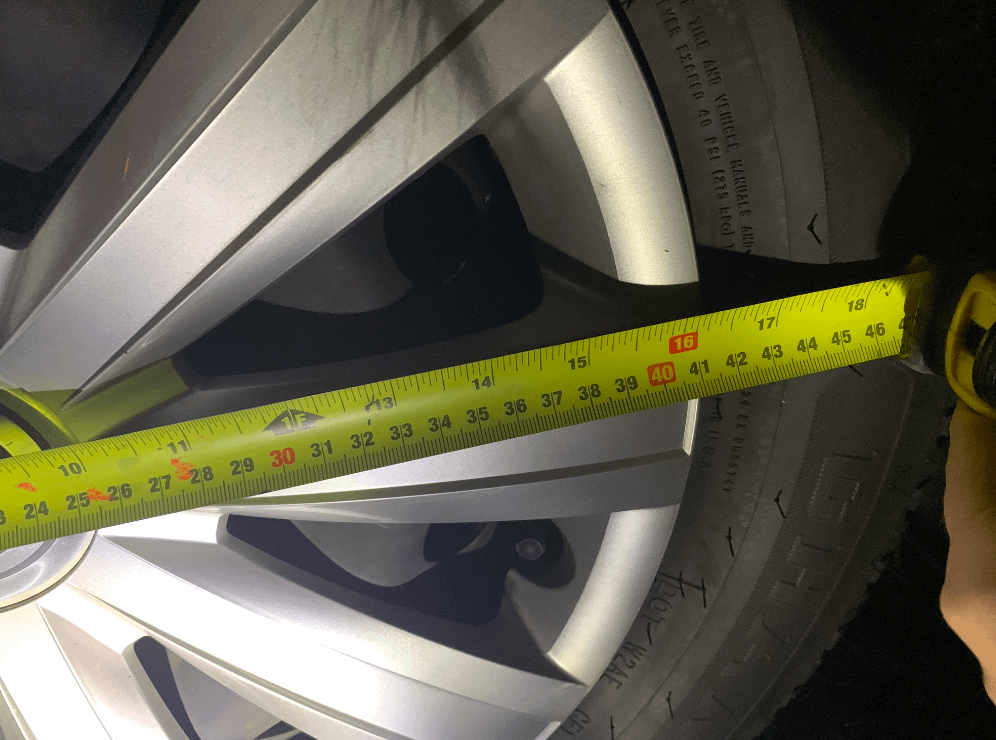
Have you ever wondered if you can put different size tires on your car? Maybe you’re thinking about mixing sizes to save money, improve performance, or just because you found a great deal.
But before you make a move, it’s important to understand how tire size affects your car’s safety, handling, and overall performance. You’ll discover the key facts that can help you decide whether mixing tire sizes is right for your vehicle.
Keep reading to avoid costly mistakes and keep your car running smoothly.
Benefits Of Different Size Tires
Using different size tires on a car can change how it drives. It also affects how the car looks. Some drivers choose different sizes for specific reasons.
This guide explains the main benefits of putting different size tires on a car. You will learn why some people make this choice.
Improved Traction And Handling
Different size tires can help a car grip the road better. Wider tires in the back give extra traction, especially in fast cars.
This setup helps the car handle corners more smoothly. It can make driving safer in some conditions.
Better Performance For Specific Driving
Different tire sizes can improve performance for certain types of driving. For example, larger tires in the rear help with acceleration.
Smaller tires in front can reduce steering effort and improve response times. This is useful for racing or sporty driving.
Enhanced Aesthetic Appeal
Using different sized tires can change the car’s look. Bigger tires at the back can give a more aggressive and sporty style.
Many car owners like this visual effect because it makes their vehicle stand out on the road.
Improved Load Distribution
Different size tires can help spread the car’s weight better. Larger tires in the rear support more weight from the engine or cargo.
This can help the car stay balanced and stable, especially when carrying heavy loads.
Better Fuel Efficiency In Some Cases
Using smaller tires in front can reduce rolling resistance. This can lead to better fuel economy on highways.
It is important to pick the right sizes to avoid negative effects on speedometer and fuel use.

Credit: carfromjapan.com
Potential Risks And Challenges
Using different size tires on a car can cause several problems. It affects how the car drives and how safe it is.
Before changing tire sizes, you must know the risks and challenges. This helps you avoid damage and accidents.
Impact On Vehicle Handling
Tires of different sizes can change how your car handles. The car might feel unstable or pull to one side. This happens because the tires do not grip the road evenly.
Effects On Speedometer And Odometer Accuracy
Different tire sizes change the wheel’s rotation speed. This makes the speedometer and odometer show wrong readings. You might think you are driving faster or slower than you really are.
Increased Tire Wear And Tear
Mismatched tires wear out faster. The tires with different sizes create uneven stress. This can lead to early tire damage and the need for replacement.
Potential Damage To Drivetrain
Different size tires can strain the drivetrain parts. Parts like the differential and transmission work harder. This may cause costly repairs over time.
Safety Concerns
- Increased risk of losing control on slippery roads
- Longer stopping distances in emergencies
- Reduced effectiveness of anti-lock braking systems (ABS)
- Possible tire blowouts due to uneven pressure
Legal And Warranty Issues
Using different size tires may void your vehicle’s warranty. Some regions have laws about tire sizes on vehicles. It is important to check local rules and your car’s manual before making changes.
Impact On Vehicle Performance
Using different size tires on a car can change how the vehicle performs. It affects the ride, safety, and efficiency. Understanding these changes helps you make better decisions for your car.
Each tire size plays a role in how the car handles, how far it can go on a tank of gas, and how well it stops. Let’s explore these effects in detail.
Handling And Stability
Different tire sizes can cause uneven grip and balance. This can lead to poor handling and less stability. The car may pull to one side or feel less responsive in turns.
- Uneven tire sizes affect traction on wet or slippery roads.
- Turning and cornering may become harder to control.
- Steering response can feel slower or inconsistent.
- Suspension and alignment can wear out faster.
Fuel Efficiency
Using tires of different sizes can change the rolling resistance. This means the engine works harder to move the car. As a result, fuel consumption can increase.
| Tire Size Difference | Effect on Fuel Efficiency |
| Small difference | Minor impact, slight drop in mileage |
| Moderate difference | Noticeable increase in fuel use |
| Large difference | Significant fuel consumption rise |
Braking Distance
Different tire sizes can cause uneven braking force. This may increase the distance needed to stop safely. The brakes may not work as effectively on all wheels.
Here are common risks related to braking with mixed tire sizes:
- Longer stopping distances on wet or icy roads
- Increased chance of skidding or losing control
- Uneven brake pad wear and damage

Credit: www.reddit.com
Legal And Safety Considerations
Using different size tires on a car affects safety and legal rules. It is important to know these rules before changing tire sizes.
Incorrect tire sizes can cause problems with handling and may break the law. Always check what is safe and allowed.
Legal Requirements For Tire Sizes
Many places have laws about tire sizes on vehicles. These laws make sure the tires fit the car properly.
Using tires that are too large or too small can cause your vehicle to fail inspections or lead to fines. Check local rules before changing sizes.
Safety Risks Of Different Size Tires
Different size tires can affect how your car handles and brakes. This can create safety hazards on the road.
- Uneven tire sizes may cause poor grip and stability.
- Speedometer and odometer readings can be inaccurate.
- Braking performance might decrease, increasing stopping distance.
- Suspension and drivetrain parts could wear out faster.
- Risk of tire rubbing against the car’s body or suspension.
Manufacturer Recommendations And Warranty
Car makers suggest specific tire sizes for safety and performance. Using other sizes may void your warranty.
Always check your owner’s manual or contact the dealer before changing tire sizes. This helps avoid damage and keeps your warranty valid.
Tips To Stay Safe And Legal
| Tip | Reason |
|---|---|
| Use tires approved by the manufacturer | Ensures safety and maintains warranty |
| Check local laws about tire sizes | Avoids fines and legal issues |
| Match tire sizes on the same axle | Keeps vehicle balanced and stable |
| Have a professional inspect your tires | Detects fit and safety problems early |
| Replace tires in sets when possible | Improves handling and wear uniformity |
Expert Tips For Choosing Tires
Choosing the right tires for your car is important for safety and performance. Some people ask if they can put different size tires on their car. The answer depends on several factors.
Here are some expert tips to help you pick the best tires. These tips cover talking to a professional, knowing your driving habits, and understanding tire sizes.
Consulting A Professional
Talking to a tire expert or mechanic helps you make the right choice. They know which tires fit your car and keep it safe.
Professionals can tell if using different size tires is safe for your vehicle. They check your car’s make and model to give advice.
- Visit a trusted tire shop
- Ask about tire size compatibility
- Follow their recommendations for safety
Assessing Your Driving Needs
Think about how and where you drive. Your tires should match your usual roads and weather conditions.
If you drive on rough roads, choose durable tires. For city driving, tires with good grip and comfort work best.
- Highway driving needs tires with good fuel efficiency
- Off-road driving needs tires with strong tread
- Winter driving requires tires with better traction
Understanding Tire Specifications
Tire sizes include width, aspect ratio, and diameter. These numbers affect how the tire fits and performs.
Using different size tires on one car can cause problems. It may affect handling, speedometer accuracy, and safety systems.
| Specification | Meaning | Example |
|---|---|---|
| Width | Width of the tire in millimeters | 205 |
| Aspect Ratio | Height of sidewall as a percent of width | 55 |
| Diameter | Wheel diameter in inches | 16 |

Credit: carfromjapan.com
Installation And Maintenance
Using different size tires on a car requires care. Proper installation and maintenance keep your vehicle safe.
This guide covers key points for installing and maintaining tires of various sizes on your car.
Proper Installation Techniques
Install tires carefully to avoid damage and ensure good performance. Follow these tips for the best results.
- Check your car’s manual for tire size limits and recommendations.
- Match the load and speed ratings of the new tires with the old ones.
- Install tires with the correct air pressure before mounting.
- Balance the tires properly to avoid vibrations while driving.
- Use a professional wheel alignment service after installation.
Regular Tire Maintenance
Maintain tires regularly to extend their life and keep driving safe. Different sizes may wear unevenly.
| Maintenance Task | Frequency | Notes |
| Check tire pressure | Monthly | Adjust for load and temperature |
| Inspect for damage | Weekly | Look for cuts, bulges, or cracks |
| Rotate tires | Every 5,000 to 8,000 miles | Helps even out wear |
| Balance tires | As needed | Reduces vibrations |
| Wheel alignment | Annually or if steering pulls | Prevents uneven wear |
Frequently Asked Questions
Can You Mix Tire Sizes On The Same Car?
Yes, you can mix tire sizes, but it depends on your car’s specifications. Always consult the owner’s manual or a tire expert before mixing sizes to avoid handling and safety issues.
What Are Risks Of Using Different Tire Sizes?
Using different tire sizes can affect your car’s stability, handling, and braking. It may also cause uneven tire wear and impact fuel efficiency, leading to potential safety hazards.
How Do Different Tire Sizes Affect Car Performance?
Different tire sizes alter your car’s ride quality, speedometer accuracy, and traction. This can reduce comfort, increase wear, and potentially damage your vehicle’s drivetrain or suspension.
Is It Legal To Have Mismatched Tire Sizes?
Laws vary by location, but many regions require uniform tire sizes on each axle for safety. Check local regulations to ensure your tire setup complies with legal standards.
Conclusion
Mixing tire sizes on a car can affect safety and performance. Choose sizes carefully and follow your car’s manual. Uneven tires may cause handling issues or wear faster. Always check local laws before changing tire sizes. Proper tire fit keeps your drive smooth and safe.
When in doubt, ask a tire expert for advice. Safe driving starts with the right tires on your car.