Have you ever wondered if you can toss your eggshells into your compost bin? It’s a common kitchen question that many gardeners and compost enthusiasts face.
You might think eggshells break down quickly, but there’s more to know before you add them to your pile. Understanding how eggshells affect your compost can help you create richer soil for your plants. Keep reading to find out the surprising truth about eggshells and composting—and how to make the most of every scrap in your kitchen!
Credit: www.gardeningknowhow.com
Eggshells And Composting
Eggshells can be a useful addition to your compost bin. They break down and add nutrients to the soil. Understanding how they work helps you compost better.
Many people wonder if eggshells should go in compost. The answer is yes, but there are tips to follow. Crushed eggshells decompose faster and help the compost mix well.
Why Add Eggshells To Compost
Eggshells add value to compost in several ways. They help balance the compost mix and improve soil quality. Here are some reasons to add eggshells to your compost:
- They add calcium, which plants need for strong cell walls.
- Crushed shells improve soil drainage and aeration.
- Eggshells help reduce acidity in the soil.
- They can deter pests like slugs and snails.
Nutrient Benefits Of Eggshells
Eggshells mainly provide calcium carbonate, a key nutrient for plants. They also supply small amounts of other minerals that support plant growth.
| Nutrient | Role in Plant Growth | Approximate Content in Eggshells |
| Calcium | Builds strong cell walls | 95% |
| Magnesium | Helps with photosynthesis | 1% |
| Phosphorus | Supports root development | 1% |
| Potassium | Improves overall plant health | 1% |
Preparing Eggshells For Compost
Eggshells add valuable nutrients to compost. They are rich in calcium and help balance soil acidity.
Proper preparation of eggshells speeds up their breakdown in the compost bin. It also reduces bad smells and pests.
Cleaning And Drying Eggshells
Rinse eggshells with water to remove egg residue. Clean shells prevent bad odors and pests in the compost.
After washing, dry the shells completely. You can air dry them or use a low oven temperature.
- Rinse shells under running water
- Remove any leftover egg inside
- Let shells air dry for a day
- Or dry in oven at 200°F (93°C) for 10 minutes
Crushing Eggshells For Faster Breakdown
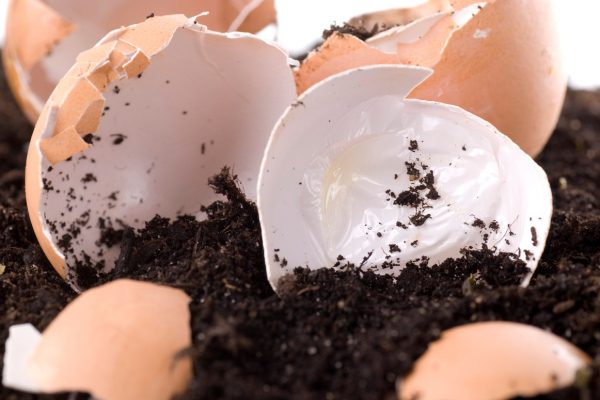
Crushing eggshells increases their surface area. This helps them break down faster in compost.
You can crush shells by hand or use a food processor. Aim for small pieces, about the size of rice grains.
- Place dry eggshells in a bag
- Crush with a rolling pin or heavy object
- Or pulse in a food processor
- Avoid powdering; small chunks are best
How Eggshells Affect Compost Quality
Eggshells are a common kitchen waste item. Many people wonder if they are good for compost. Eggshells can improve compost quality in several ways.
They break down slowly, but they add valuable nutrients. Eggshells can also affect the pH levels of the compost.
Impact On Ph Levels
Eggshells can help balance the pH levels in compost. They are alkaline and can neutralize acidic materials. This helps create a more balanced compost.
Maintaining a balanced pH is important. It ensures a healthy environment for decomposers like worms and bacteria.
- Eggshells are alkaline
- They neutralize acidic components
- Balanced pH supports healthy decomposition
Calcium Contribution
Eggshells are rich in calcium. This mineral is vital for plant growth. Calcium helps build strong cell walls in plants.
Adding eggshells to compost boosts its calcium content. This can benefit your garden plants when you use the compost as fertilizer.
- Eggshells add calcium to compost
- Calcium is important for plant cell walls
- Compost with calcium helps plant growth
Credit: www.greenwashingindex.com
Common Mistakes With Eggshell Composting
Eggshells are a popular addition to compost bins. They add calcium and other nutrients to the soil. Many people make mistakes when adding eggshells to their compost.
These mistakes can slow down composting or cause bad smells. It is important to know how to handle eggshells right in your compost bin.
Avoiding Mold And Odors
One common mistake is adding whole eggshells without cleaning them. Eggshells with leftover egg can cause mold and smells. This makes the compost unhealthy and unpleasant.
- Rinse eggshells before adding to compost.
- Crush eggshells into small pieces to speed up breakdown.
- Mix eggshells well with dry materials like leaves or paper.
- Keep the compost moist but not too wet to avoid odors.
Balancing Eggshells With Other Waste
Adding too many eggshells can create an imbalance in the compost. Eggshells are rich in calcium but low in nitrogen. Compost needs a good mix of both to work well.
| Material Type | Examples | Role in Compost |
| Green Waste | Vegetable scraps, coffee grounds | Provides nitrogen |
| Brown Waste | Leaves, paper, straw | Provides carbon |
| Eggshells | Crushed shells | Provides calcium |
Balance eggshells by mixing them with green and brown waste. This mix helps microbes break down compost faster and better.
Alternatives To Adding Eggshells In Compost
Eggshells can add calcium to your compost, but they break down slowly. Some people prefer other ways to use eggshells in the garden.
Here are two useful alternatives to putting eggshells directly into your compost bin.
Using Eggshells As Garden Fertilizer
Eggshells contain calcium and minerals that plants need. You can crush them into small pieces and sprinkle them around your plants.
This helps improve soil quality and supports strong plant growth without waiting for eggshells to decompose in compost.
- Crush eggshells into fine pieces for better absorption
- Sprinkle around vegetable plants and flowers
- Mix crushed shells into potting soil
- Avoid large pieces that take longer to break down
Eggshells For Pest Control
Crushed eggshells can help keep some pests away. Their sharp edges can deter soft-bodied insects like slugs and snails.
Sprinkle crushed shells around plants to create a natural barrier that pests avoid crossing.
- Crush eggshells into small, sharp pieces
- Spread a ring of crushed shells around plants
- Replace the barrier after rain or watering
- Combine with other pest control methods for best results
Credit: www.greenwashingindex.com
Tips For Successful Composting
Composting is a great way to recycle kitchen waste like eggshells. It turns waste into rich soil for gardens. To compost well, you need to follow some simple tips.
Good compost needs the right balance of moisture, air, and mixing. These help break down materials quickly and evenly.
Maintaining Moisture And Aeration
Keep your compost moist like a wrung-out sponge. Too much water makes it soggy and smelly. Too little slows down the process.
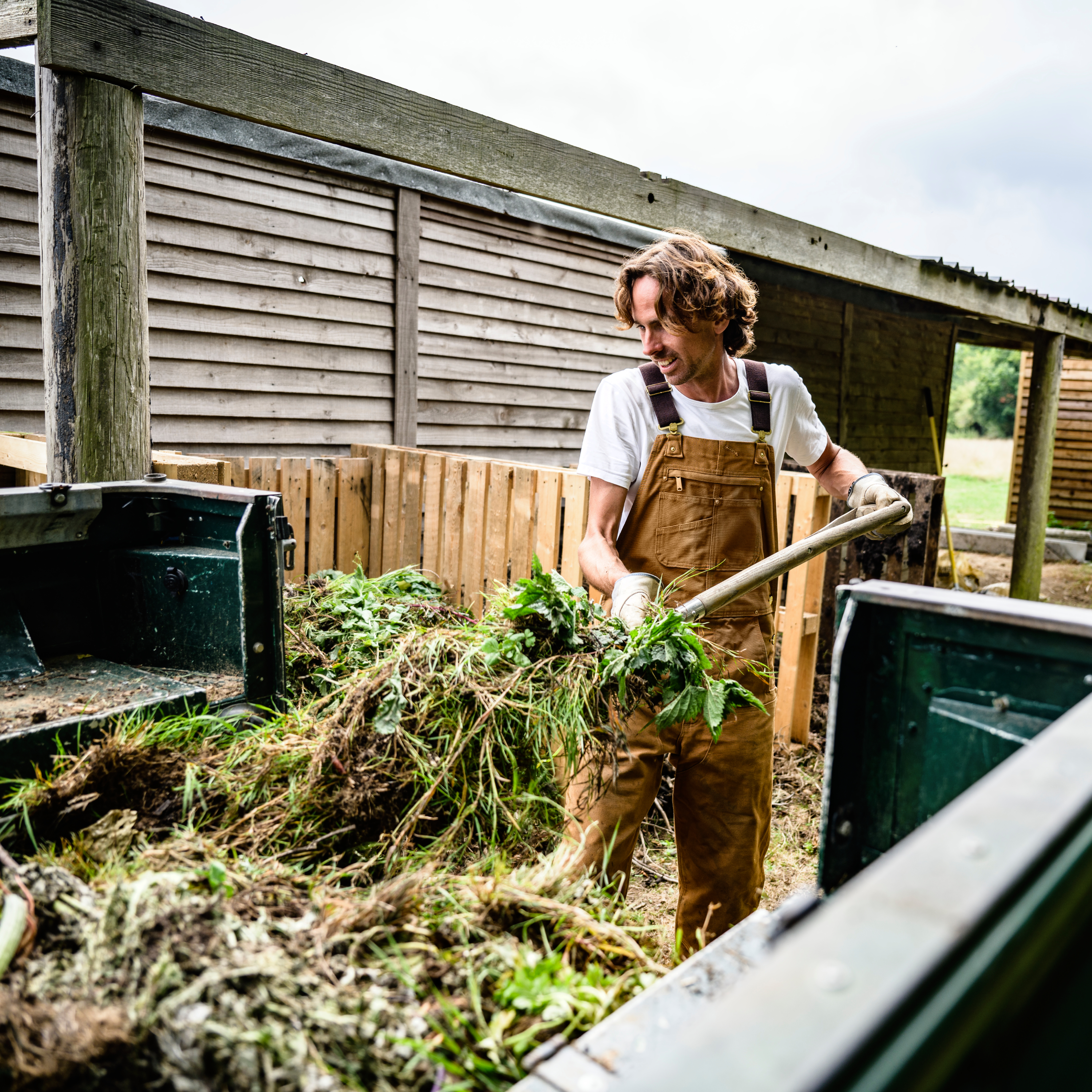
Air helps microbes break down waste. Turn your compost often to add oxygen. This stops bad odors and speeds up decomposition.
- Check moisture by squeezing compost gently
- Add water if dry, or dry materials if too wet
- Turn compost every 1-2 weeks for air
- Use a pitchfork or compost aerator tool
Proper Mixing Of Compost Materials
Mixing green and brown materials helps compost break down well. Green materials are wet and rich in nitrogen. Brown materials are dry and full of carbon.
Eggshells are brown materials. Crush them before adding to speed up breaking down. Mix eggshells evenly with other compost ingredients.
- Combine green waste like vegetable scraps
- Add brown waste like dried leaves and eggshells
- Mix layers to keep balance
- Chop large materials to speed composting
Frequently Asked Questions
Can Eggshells Go Directly Into A Compost Bin?
Yes, eggshells can go into a compost bin. Crushing them first speeds up decomposition. They add valuable calcium and minerals to the compost.
Do Eggshells Improve Compost Quality?
Eggshells improve compost by adding calcium, which supports plant growth. They help balance soil pH and reduce acidity, enhancing overall soil health.
Should Eggshells Be Washed Before Composting?
Washing eggshells is recommended to reduce odors and bacteria. Clean shells compost better and prevent attracting pests to your compost bin.
How Long Do Eggshells Take To Decompose?
Eggshells decompose slowly, usually taking several months. Crushing them into small pieces speeds up the breakdown process in your compost.
Conclusion
Eggshells can be a helpful addition to your compost bin. They break down slowly but add valuable minerals like calcium. Crushing them into small pieces speeds up this process. Avoid adding too many eggshells at once to keep balance. Mixing eggshells with other kitchen scraps helps create rich compost.
Remember, good compost supports healthy plants and gardens. Start adding eggshells today and watch your compost grow better. Simple steps lead to great results in composting.