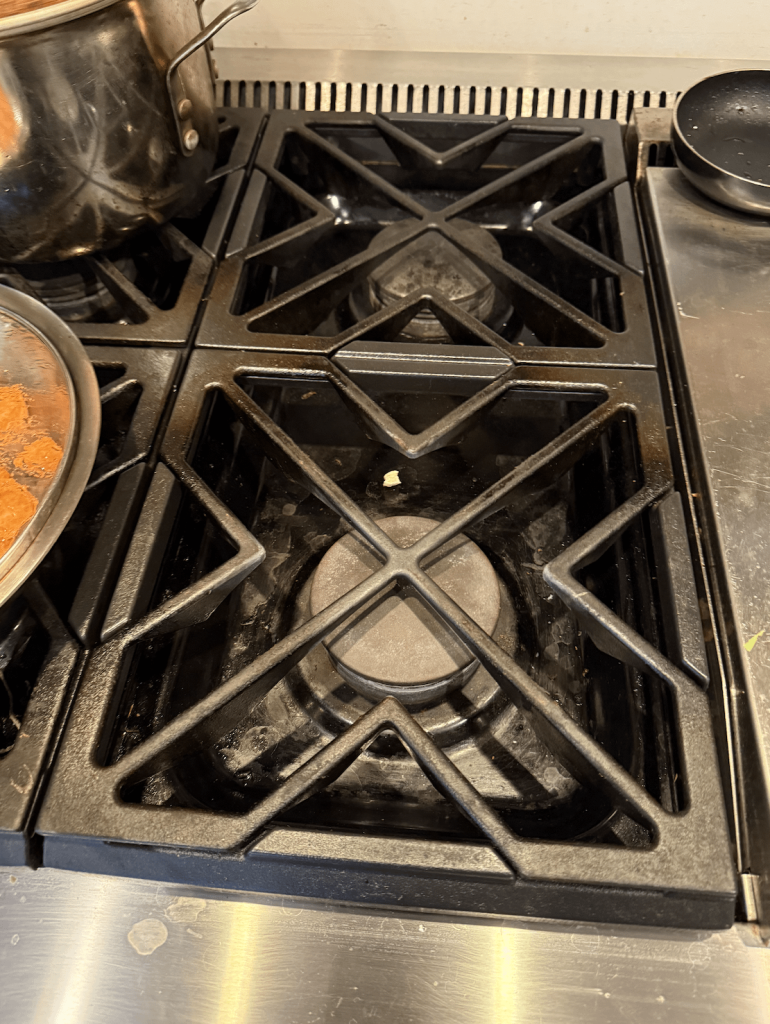
If you’ve ever found yourself scrubbing stubborn grease off your gas stove grates, you know it’s not exactly the easiest chore. Your kitchen should be a place of creativity and comfort, not a source of cleaning frustration.
So, here’s a question that might have crossed your mind: Can you put gas stove grates in the dishwasher? Before you make any decisions, take a moment to consider the time and effort you could save. Imagine the convenience of simply placing those grates in your dishwasher and pressing start.
But is it really that simple? Let’s explore the ins and outs of this cleaning hack, so you can make an informed choice that suits your lifestyle. Keep reading to uncover the surprising truths and practical tips that could transform your cleaning routine.

Credit: manuals.plus
Dishwasher Safety For Gas Stove Grates
Keeping your gas stove grates clean is essential, but you must consider dishwasher safety before tossing them in. Not all grates are designed to handle dishwasher conditions, which can lead to damage or reduced lifespan. Understanding the right approach helps you maintain your stove without costly replacements.
Material Compatibility
Gas stove grates are usually made from cast iron, steel, or enamel-coated metal. Cast iron grates often have a protective coating that can chip or wear off in the dishwasher. Steel grates may tolerate dishwasher cycles better but can still rust if the finish is damaged.
Enamel-coated grates are particularly sensitive. The high heat and strong detergents in dishwashers can cause the enamel to crack or discolor. Ask yourself: does your grate’s material stand up to harsh dishwasher conditions, or is hand washing the safer choice?
Manufacturer Guidelines
Always check the manufacturer’s instructions before placing grates in the dishwasher. Some brands explicitly warn against it to avoid voiding warranties or damaging the product. If the manual recommends hand washing, it’s best to follow it closely.
Manufacturers often provide cleaning tips tailored to the material and finish of the grates. Ignoring these can lead to unintended wear or costly repairs. Have you taken a moment to read those guidelines? It might save you time and money in the long run.
Preparing Grates For Dishwasher
Preparing gas stove grates for the dishwasher ensures better cleaning results. Dirty grates can clog your dishwasher or leave residue behind. Taking a few simple steps helps remove food particles and grease. This makes the washing process more effective and protects your appliance.
Removing Loose Debris
Start by removing loose debris from the grates. Use a soft brush or cloth to wipe off crumbs and food scraps. Avoid using metal tools that can scratch the surface. Shake the grates gently over a trash can to get rid of stubborn bits. This step prevents large particles from blocking the dishwasher drain.
Pre-soaking Techniques
Soaking the grates softens baked-on grease and grime. Fill a sink or bucket with warm water and mild dish soap. Submerge the grates completely and let them soak for 15 to 30 minutes. For tough stains, add a small amount of baking soda to the water. After soaking, scrub gently with a sponge before placing them in the dishwasher.
Best Dishwasher Settings
Choosing the best dishwasher settings helps clean gas stove grates safely and effectively. Proper settings protect the grates from damage and ensure thorough cleaning. Using the right temperature and cycle will keep the metal in good shape and remove grease well.
Optimal Temperature
Set the dishwasher temperature between 120°F and 140°F. This range cleans grease without harming the grate coating. Avoid very high heat; it can cause paint or finish to peel. Lower temperatures may not remove tough stains or food residue.
Cycle Selection
Use a heavy-duty or pots and pans cycle for stove grates. These cycles provide stronger water pressure and longer wash times. Avoid quick or delicate cycles; they may leave grime behind. Also, skip drying cycles with high heat to prevent damage.

Credit: www.reddit.com
Alternative Cleaning Methods
Sometimes, dishwasher cleaning isn’t the best choice for your gas stove grates. They might be too bulky or coated with materials that can wear off in the dishwasher. Trying alternative cleaning methods can save your grates and keep them looking great.
Hand Washing Tips
Start by soaking the grates in hot, soapy water for at least 15 minutes. This helps loosen the grease and burnt-on food. Use a non-abrasive scrub brush or sponge to avoid scratching the surface while scrubbing thoroughly.
Stubborn spots might need a little extra effort. Apply a paste made from dish soap and baking soda directly on those areas. Let it sit for 10 minutes, then scrub gently again to lift the grime without damaging the grates.
Using Baking Soda And Vinegar
Baking soda and vinegar create a natural cleaning duo that can tackle tough stains on your stove grates. Sprinkle baking soda over the grates, then spray or pour white vinegar on top to cause a fizzing reaction that breaks down grease.
Allow this mixture to sit for 15-20 minutes before scrubbing with a brush. Rinse well with warm water afterward. You’ll be surprised how this simple method restores shine without harsh chemicals.
Maintaining Grate Condition
Keeping your gas stove grates in good shape ensures they not only look great but also perform well. Over time, grates can wear down, rust, or get damaged, especially if you’re not careful with cleaning and maintenance. Paying attention to how you care for them can save you money and keep your stove safe to use.
Avoiding Rust And Damage
Gas stove grates are usually made of cast iron or steel, which can rust if exposed to moisture for too long. To prevent rust, always dry the grates thoroughly after washing. Leaving them wet or putting them away damp creates the perfect environment for rust to form.
Dishwasher detergent can be harsh and strip protective coatings, making grates more vulnerable to rust and chipping. Have you noticed a rough texture or discoloration after dishwasher cleaning? That’s often a sign the finish is wearing off.
Consider using mild soap and warm water with a soft brush instead. This approach keeps the protective layer intact and reduces the risk of damage. If you do use a dishwasher, check your stove’s manual to see if it’s safe for your specific grates.
Regular Cleaning Schedule
How often do you clean your stove grates? Waiting until they’re caked in grease makes cleaning harder and increases the chance of damage. Instead, wipe them down after each use or at least once a week.
Set a simple routine: soak the grates in warm, soapy water to loosen grime, then scrub gently with a non-abrasive brush. This keeps buildup under control and prevents stubborn stains.
Regular maintenance doesn’t have to be a chore. Think of it as a quick 10-minute task that keeps your stove safe and your cooking experience smooth. What small changes can you make today to protect your grates?

Credit: www.reddit.com
Troubleshooting Common Issues
Troubleshooting common issues with gas stove grates in the dishwasher can save you time and frustration. Knowing how to handle problems like stubborn stains and dishwasher residue helps keep your grates clean without damage. Let’s look at practical tips to tackle these challenges effectively.
Stubborn Stains
Stubborn stains on gas stove grates are often baked-on grease or burnt food. If your dishwasher isn’t removing these spots, try scrubbing the grates with a paste made of baking soda and water before placing them in the dishwasher. This extra step loosens tough grime and improves cleaning results.
Another trick is to soak the grates in hot, soapy water for 15-30 minutes before washing. This softens the residue, making it easier for the dishwasher to handle. Have you ever noticed that some stains just refuse to budge? Pre-treatment might be the key you’re missing.
Dishwasher Residue
Sometimes, after a dishwasher cycle, you might find white or cloudy residue on your stove grates. This is usually from hard water minerals or leftover detergent. To avoid this, use a dishwasher rinse aid, which helps prevent spots and film buildup.
Also, make sure you’re using the right amount of detergent. Too much can leave residue, while too little won’t clean effectively. If residue persists, wiping the grates down with a vinegar solution after washing can remove mineral deposits and restore shine.
Frequently Asked Questions
Can You Safely Wash Gas Stove Grates In The Dishwasher?
Most gas stove grates are dishwasher safe, but check the manufacturer’s instructions first. Some coatings may wear off or rust. Hand washing with warm, soapy water is often safer to maintain their finish and durability.
What Damage Can Dishwasher Cause To Stove Grates?
Dishwashers can cause rust, discoloration, or peeling of protective coatings on stove grates. High heat and harsh detergents may degrade metal finishes. Over time, this reduces the grates’ lifespan and aesthetic appeal.
How To Clean Gas Stove Grates Without A Dishwasher?
Use warm, soapy water and a non-abrasive scrub brush to clean grates. For stubborn stains, soak them in vinegar or baking soda solution. Rinse thoroughly and dry completely to prevent rust.
Are All Gas Stove Grates Dishwasher Compatible?
Not all stove grates are dishwasher compatible. Cast iron or coated grates may rust or lose coating. Always check your stove’s manual or manufacturer guidance before using a dishwasher.
Conclusion
Gas stove grates can sometimes go in the dishwasher, but check first. Some grates may get damaged by dishwasher heat or detergent. Hand washing with warm soapy water often works best. Regular cleaning keeps your stove safe and looking good.
Remember to dry grates fully to stop rust. Cleaning grates carefully saves money and time. Simple care helps your stove last longer and cook well. Small steps make a big difference in kitchen upkeep.