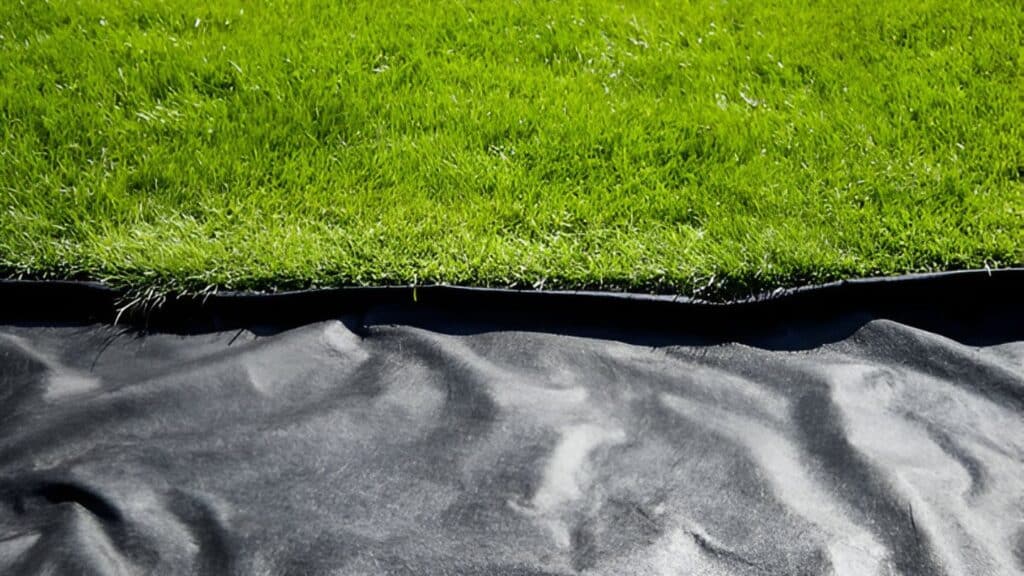
Are you tired of battling stubborn grass that keeps popping up in your garden beds? You might be wondering, can you put landscape fabric over grass to keep those weeds and unwanted plants under control?
The answer isn’t as simple as you might think. What you do now can save you hours of work later and help your garden look neat and healthy. Keep reading to discover the best way to use landscape fabric over grass and avoid common mistakes that could cost you time and money.
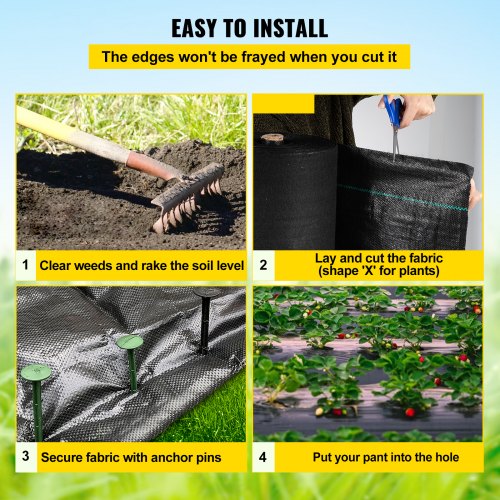
Credit: www.vevor.com
Benefits Of Using Landscape Fabric
Landscape fabric is a useful tool for gardeners and landscapers. It helps manage unwanted plants and keeps soil healthy. This fabric is placed over grass or soil to improve garden growth.
Using landscape fabric has several benefits. It controls weeds, retains moisture, and makes garden care easier. These advantages help create a cleaner and more vibrant garden space.
Weed Control Advantages
Landscape fabric blocks sunlight from reaching weed seeds. Without sunlight, weeds cannot grow well. This reduces the number of weeds in your garden and saves time on weeding.
- Stops weed seeds from sprouting
- Reduces the need for chemical weed killers
- Keeps garden beds neat and tidy
- Prevents weeds from competing with plants for nutrients
Soil Moisture Retention
Landscape fabric helps keep water in the soil. It reduces evaporation caused by wind and sun. This means plants get more consistent moisture, which helps them grow strong.
| Benefit | Effect on Soil |
| Moisture retention | Reduces water loss |
| Temperature control | Keeps soil cooler in summer |
| Soil erosion | Prevents soil washing away |
Improved Garden Maintenance
Landscape fabric makes garden care simpler. It creates a clear barrier that limits weed growth. This lets gardeners spend less time on weeding and more time enjoying their plants.
Key maintenance benefits include:
- Easy to install and adjust
- Helps mulch stay in place
- Reduces soil compaction
- Keeps garden looking neat

Credit: www.reddit.com
Challenges Of Placing Fabric Over Grass
Placing landscape fabric over grass can seem like a simple way to block weeds. Many people try it to save time. But this method comes with several challenges.
Understanding these challenges helps you decide if fabric over grass is right for your garden or yard.
Grass Growth Under Fabric
Grass can keep growing under the fabric. The roots reach down for water and nutrients. This growth may cause the fabric to lift or tear.
- Grass blades push up against the fabric
- Roots can damage the fabric’s structure
- New shoots find small gaps to grow through
- Fabric may not fully block sunlight, allowing growth
Potential For Mold And Rot
Placing fabric over living grass traps moisture. This creates a damp environment. Mold and rot can develop in the soil and fabric.
| Issue | Cause | Effect |
| Mold Growth | Trapped moisture | Unhealthy plants, bad smell |
| Soil Rot | Poor air circulation | Weakened grass roots |
| Fabric Decay | Constant dampness | Shorter fabric life |
Fabric Durability Concerns
Landscape fabric over grass faces wear faster. The uneven surface and living roots cause damage. Heavy foot traffic also wears the fabric out.
Durability problems include:
- Fabric tears from grass roots pushing up
- Fabric breaks down under constant moisture
- UV rays can weaken fabric if exposed
- Soil movement causes fabric to shift and wrinkle
Preparing Grass Before Installation
Placing landscape fabric over grass needs good preparation. Proper steps help the fabric work well and last longer.
Preparing grass means cutting, cleaning, and checking the health of the grass. These steps prevent problems later.
Mowing And Trimming
Cut the grass short before laying fabric. Mowing makes the surface flat and easier to work on. Trim edges and around obstacles too.
Removing Excess Debris
- Clear leaves and sticks from the grass
- Remove rocks and old roots
- Rake the area to smooth the surface
- Pick up trash or any other loose items
Assessing Grass Health
| Condition | Action Needed |
|---|---|
| Green and Healthy | Proceed with installation |
| Patchy or Thin | Consider removing or treating grass first |
| Dead or Dying | Remove grass completely before fabric |
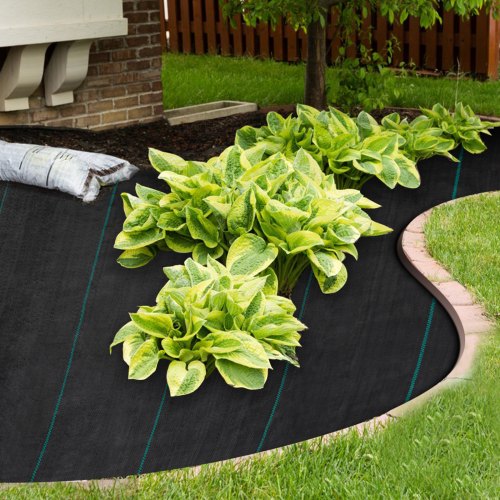
Credit: www.vevor.com
Step-by-step Installation Guide
Installing landscape fabric over grass helps control weeds and improve soil health. This guide shows how to do it right.
Follow these steps carefully to lay the fabric smoothly, secure edges and seams, and add a protective layer.
Laying The Fabric Smoothly
First, mow the grass as short as possible. Remove any debris or rocks from the area. Roll out the fabric slowly to avoid wrinkles.
- Start at one corner of the lawn
- Pull the fabric tight as you unroll it
- Overlap edges by 6 inches to prevent gaps
- Cut fabric to fit curves or irregular shapes
- Keep fabric flat against the ground without folds
Securing Edges And Seams
Use landscape staples or pins to hold the fabric in place. Secure every few feet along edges and seams.
| Material | Staple Length | Spacing |
| Steel Staples | 6-8 inches | 12-18 inches apart |
| U-Shaped Pins | 4-6 inches | Every 12 inches |
Overlap seams by at least 6 inches and pin them securely to avoid fabric shifting.
Adding Mulch Or Gravel Layer
Cover the fabric with mulch or gravel to protect it from sun damage and improve garden appearance.
- Spread a 2-4 inch thick layer of mulch or gravel
- Keep the layer even to avoid thin spots
- Replenish mulch yearly to maintain coverage
- Ensure drainage is not blocked by the material
Maintenance Tips After Installation
Landscape fabric can help control weeds and improve garden health. After putting it over grass, regular care is important. This guide covers easy maintenance steps to keep your fabric working well.
Checking your fabric often and taking simple actions can stop grass from growing through. This keeps your garden neat and your fabric effective for longer.
Inspecting For Grass Growth
Look over the fabric every few weeks. Grass may grow through small holes or edges. Early spotting helps stop weeds before they spread.
- Walk around and check the fabric surface closely.
- Look for any green shoots pushing through.
- Mark spots where grass appears to focus on repairs.
- Remove any weeds by hand carefully.
Replacing Damaged Fabric Sections
Sometimes the fabric gets torn or worn out. Fix these areas quickly to stop grass from growing through. Replace small parts or patch holes to keep the barrier strong.
| Damage Type | Repair Action |
| Small tear | Patch with new fabric piece and secure edges |
| Large hole | Cut out damaged section and replace with new fabric |
| Edge lifting | Pin down edges with landscape staples |
Watering And Fertilizing Practices
Water and feed plants carefully to avoid harming the fabric. Too much water can cause fabric to shift. Fertilizers should reach plants without damaging the barrier.
- Water plants gently to prevent fabric movement.
- Use drip irrigation under the fabric if possible.
- Apply fertilizer around plants, not directly on fabric.
- Check fabric after watering to ensure it stays flat and secure.
Alternative Solutions To Landscape Fabric
Landscape fabric is a common choice to control weeds in gardens. It blocks sunlight and stops grass from growing up. Some people want other options to avoid fabric’s drawbacks.
Below are different ways to stop weeds and grass without using landscape fabric. These methods use natural or simple materials to keep your garden tidy.
Organic Mulch Options
Organic mulch helps stop weeds by covering the soil. It also adds nutrients as it breaks down. Mulch keeps soil moist and cool during hot days.
- Wood chips or bark are popular for flower beds.
- Straw or hay works well in vegetable gardens.
- Grass clippings can be used but dry them first.
- Leaves shredded into small pieces make good mulch.
Plastic Sheeting Benefits
Plastic sheeting stops all light from reaching weeds. This kills grass and seeds under it. It is easy to install and lasts a long time.
| Benefit | Explanation |
| Weed Control | Blocks sunlight to prevent growth |
| Water Retention | Keeps soil moist by reducing evaporation |
| Durability | Resists weather and lasts multiple seasons |
| Cost | Usually cheaper than fabric |
Natural Weed Barriers
Natural barriers use plants or materials to block weeds. These options blend well with the garden and improve soil health.
- Plant ground covers like clover or creeping thyme.
- Use thick layers of newspaper or cardboard under mulch.
- Try dense shrubs or grasses to shade the soil.
- Apply compost to encourage strong plant growth.
Frequently Asked Questions
Can Landscape Fabric Be Laid Over Grass?
Yes, you can lay landscape fabric over grass. It suppresses weed growth and prevents grass from sprouting. Ensure the grass is cut short before installation. This method is temporary and may require additional measures for long-term landscaping.
How Does Landscape Fabric Affect Grass?
Landscape fabric blocks sunlight and air, hindering grass growth. It creates a barrier that suppresses weeds and grass. Over time, organic matter can accumulate, potentially allowing some grass to sprout. Regular maintenance is necessary to ensure effectiveness.
Is Landscape Fabric A Permanent Solution?
No, landscape fabric is not a permanent solution. It’s a temporary method for weed and grass control. Over time, it may degrade or require replacement. For a permanent solution, consider additional landscaping techniques or alternative materials.
What Are The Benefits Of Using Landscape Fabric?
Landscape fabric suppresses weeds, reduces soil erosion, and conserves moisture. It provides a clean base for planting and landscaping projects. It’s easy to install and maintain, making it a popular choice for gardeners and landscapers.
Conclusion
Putting landscape fabric over grass can help control weeds. It blocks sunlight, stopping grass from growing through. But, grass under fabric may die and create a mess. Cutting or removing thick grass first works better. Water can still pass through the fabric to soil.
Choose a good quality fabric for best results. This method saves time and effort in garden care. Think about the type of plants you want to grow. Proper preparation leads to a healthier garden space. Simple steps make landscaping easier and more effective.