Are stubborn weeds taking over your garden? You might be wondering if landscape fabric can be the simple solution to keep them under control.
But can you really put landscape fabric over existing weeds and expect it to work? Before you roll out that fabric, there are important things you need to know to avoid frustration and wasted effort. Keep reading, and you’ll discover the truth about using landscape fabric over weeds—and how to protect your garden the right way.
Why Landscape Fabric Is Used
Landscape fabric helps protect garden beds from weeds and soil problems. It is a material that lets water and air pass through but blocks weed growth.
Many gardeners use landscape fabric to keep their garden beds neat and healthy. It reduces the work needed to remove weeds and improves plant growth conditions.
Benefits For Garden Beds
Using landscape fabric in garden beds offers several benefits. It helps maintain soil moisture and keeps the soil temperature steady.
- Prevents soil erosion by holding soil in place
- Allows water and nutrients to reach plant roots
- Reduces the need for chemical weed killers
- Keeps garden beds looking clean and tidy
How It Controls Weeds
Landscape fabric blocks sunlight, stopping weed seeds from sprouting. This helps reduce weeds without harming plants in the garden bed.
| Weed Control Method | How Landscape Fabric Helps |
| Blocking sunlight | Prevents weed seeds from growing |
| Physical barrier | Stops weed roots from reaching soil surface |
| Water permeability | Allows water to reach plants but not weeds |
| Durability | Lasts for years, reducing weed growth over time |

Credit: www.amazon.ca
Risks Of Installing Fabric Over Weeds
Using landscape fabric over weeds seems like a quick fix. It can stop some weeds from growing on the surface.
But placing fabric directly on weeds carries risks that affect your garden’s health and weed control.
Potential For Weed Growth
Weeds can still grow even with fabric over them. Some weeds find gaps or weak spots in the fabric.
- Weeds with deep roots push through the fabric.
- Seeds on top of the fabric can sprout and grow.
- Moisture trapped under fabric helps some weeds survive.
- Damaged fabric allows weeds to break through easily.
Soil Health Concerns
Covering soil with fabric affects soil health. It changes how water and air reach the soil.
| Soil Aspect | Effect of Fabric |
| Water Drainage | May block water flow, causing wet spots |
| Air Circulation | Limited air reduces soil oxygen |
| Soil Life | Less activity from worms and microbes |
| Nutrient Flow | Slower nutrient exchange between soil and plants |
Preparing The Area Before Installation
Installing landscape fabric requires proper preparation to ensure its effectiveness. Taking time to prepare the area helps prevent weeds from growing through the fabric.
Good preparation also helps the fabric lay flat and last longer. Let’s look at key steps before putting down the fabric.
Removing Existing Weeds
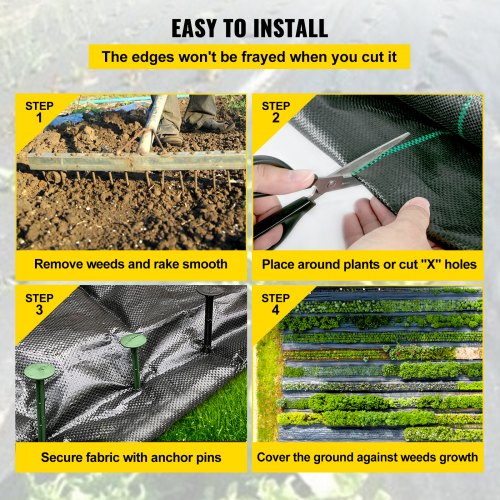
Remove all existing weeds completely before placing the fabric. This stops weeds from growing back through or around the edges.
- Pull weeds by hand or use a hoe to get roots out.
- Clear the area of grass and plant debris.
- Use a weeding tool for deep roots.
- Dispose of weeds properly to avoid spreading seeds.
Soil Preparation Tips
Prepare the soil so the fabric lies flat and water drains well. Loose soil helps roots grow away from the fabric edges.
| Task | Reason | How to Do It |
| Clear Debris | Prevent bumps under fabric | Remove rocks, sticks, and clumps |
| Level Soil | Ensure flat surface | Rake soil smooth and even |
| Improve Drainage | Avoid water pooling | Add sand or compost if soil is heavy |
| Compact Soil | Keep fabric stable | Lightly tamp soil with hand tamper |

Credit: www.amazon.ca
Best Practices For Laying Landscape Fabric
Landscape fabric helps control weeds while letting water and air reach the soil. Using fabric correctly can keep your garden neat and healthy. This guide covers how to pick the right fabric and install it properly over weeds.
Choosing the right fabric and installing it well makes a big difference. Follow these tips to get the best results for your garden or yard.
Choosing The Right Fabric
Select fabric that blocks sunlight but allows water and air to pass through. This stops weeds but keeps plants healthy. Look for materials like woven polypropylene or polyester that last long outside.
- Choose a fabric with high durability to resist tearing.
- Pick a material that is permeable to water and air.
- Select a fabric thickness suitable for your weed problem.
- Avoid cheap plastic sheets that trap water and harm roots.
Proper Installation Techniques
Good installation starts with clearing the area of large weeds and debris. Lay the fabric flat and overlap edges to stop weeds from growing through gaps. Secure the fabric with landscape staples to keep it in place.
| Installation Step | Details |
| Clear Area | Remove big weeds and rocks before laying fabric |
| Lay Fabric Flat | Stretch fabric tight and smooth to avoid wrinkles |
| Overlap Edges | Overlap 6 inches to block weed growth through seams |
| Secure Fabric | Use staples or pins every 1-2 feet to hold fabric down |
| Add Mulch | Cover fabric with mulch for extra weed control and UV protection |
Maintaining Fabric To Prevent Weed Growth
Landscape fabric helps stop weeds from growing in your garden. Proper care keeps it working well. Regular checks and quick action stop weeds from coming back.
Good maintenance lets the fabric last longer. It also keeps your garden clean and healthy.
Regular Inspection
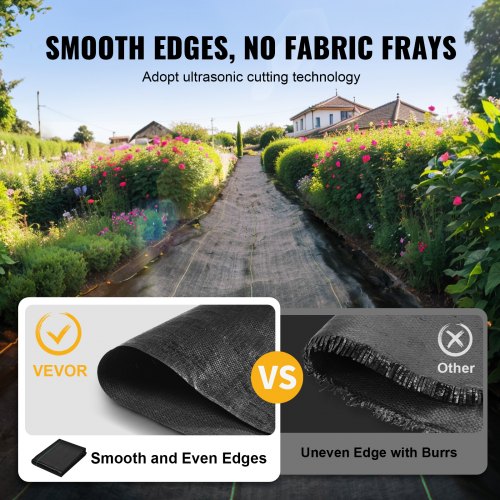
Check the fabric often for holes or tears. Weeds can grow through small openings. Look closely around edges and seams.
Remove any dirt or debris on top of the fabric. This stops seeds from settling and sprouting. Keep the fabric dry and clean for best results.
- Look for damage every few weeks
- Clear leaves and soil from fabric
- Fix tears with garden staples or patches
Dealing With Persistent Weeds
Some weeds grow strong and break through fabric. Pull these weeds out by hand to stop them spreading. Do this before they produce seeds.
If weeds keep returning, add a layer of mulch on top. Mulch blocks light and keeps seeds from growing. Replace mulch as it breaks down over time.
- Remove tough weeds quickly
- Add mulch to block sunlight
- Replace mulch yearly for best results
Alternative Weed Control Methods
Weeds can be a big problem in gardens. Some people think about using landscape fabric. There are other ways to control weeds without it.
These methods can help keep your garden clean. They also make it healthier and more beautiful.
Organic Mulches
Organic mulches stop weeds from growing. They also keep soil moist and add nutrients.
Things like wood chips and straw can be used. They cover the ground and block sunlight from weeds.
- Wood chips break down and enrich the soil
- Straw is easy to spread and manage
- Leaves provide a natural look
Chemical Treatments
Chemical treatments can kill weeds fast. They are often used in large gardens or farms.
Be careful when using chemicals. They can harm other plants and animals if not used right.
- Herbicides target only weeds
- Pre-emergent sprays stop new weeds
- Follow instructions to avoid damage
Expert Tips For Long-term Success
Using landscape fabric over weeds can help control unwanted plants. It works best when combined with other methods. Planning and care are important for lasting results.
This guide shares expert tips to keep your garden healthy and weed-free for a long time.
Combining Methods
Landscape fabric alone may not stop all weeds. Combine it with other strategies for better control. Start by removing large weeds before laying the fabric.
- Pull or dig out weeds by hand before installation
- Use a natural herbicide to kill tough roots
- Cover fabric with mulch to block light and keep fabric in place
- Regularly inspect the area and remove any new sprouts
Seasonal Care Advice
Weed control needs attention throughout the year. Seasonal care helps fabric last longer and keeps weeds down.
| Season | Recommended Care |
| Spring | Remove debris and check fabric for damage |
| Summer | Add mulch and water plants carefully |
| Fall | Clear dead leaves and prepare soil for winter |
| Winter | Inspect fabric after storms and fix tears |
Credit: www.vevor.ca
Frequently Asked Questions
Can You Install Landscape Fabric Over Existing Weeds?
Yes, you can install landscape fabric over weeds. However, it’s best to remove or kill weeds first. This prevents them from growing through the fabric and reduces competition for plants.
Will Landscape Fabric Stop All Weed Growth?
Landscape fabric significantly reduces weed growth but doesn’t stop it completely. Some persistent weeds may grow through or around the edges. Regular maintenance is necessary for best results.
How Long Does Landscape Fabric Last Over Weeds?
Quality landscape fabric lasts 5 to 10 years, depending on conditions. Exposure to sunlight and soil type affect its durability. Proper installation extends its effective weed barrier life.
Can Landscape Fabric Be Used Under Mulch For Weeds?
Yes, placing landscape fabric under mulch improves weed control. The fabric blocks sunlight, preventing weed seeds from germinating. Mulch also protects fabric from sunlight and adds nutrients.
Conclusion
Placing landscape fabric over weeds can help reduce their growth. It blocks sunlight, making it harder for weeds to survive. Yet, fabric works best when weeds are removed first. Water and nutrients still reach your plants through the fabric. Regular maintenance keeps your garden neat and weed-free.
Using fabric saves time and effort in the long run. It protects soil and helps plants grow better. Consider fabric as one tool in weed control. Simple steps create a healthier and cleaner garden space.