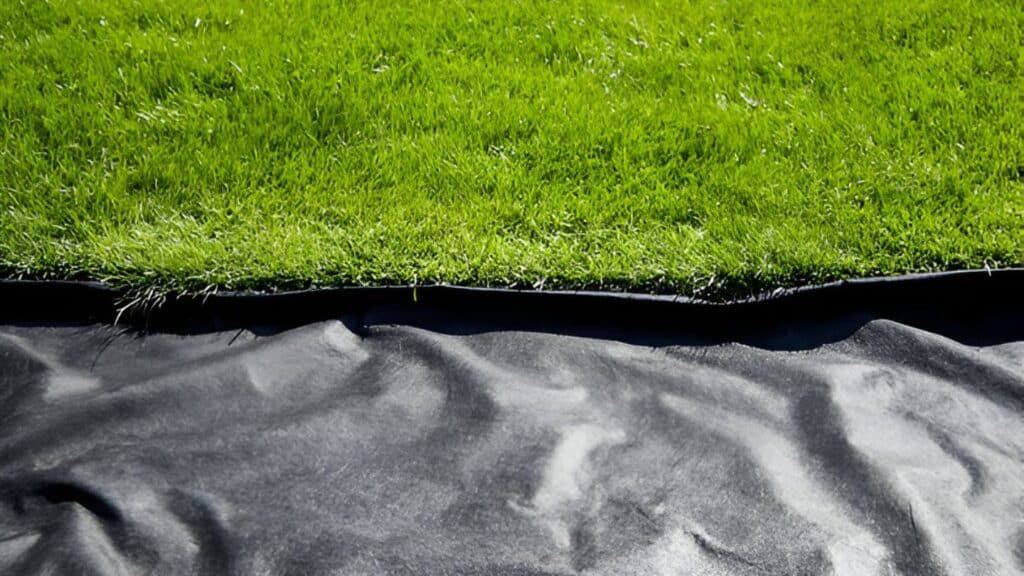
Are you tired of battling stubborn grass that keeps popping up in your garden beds? You might have heard that landscaping fabric can be the perfect solution.
But can you put landscaping fabric over grass without making things worse? Before you roll out that fabric, it’s important to know how it really works and what to expect. Keep reading, and you’ll discover the smart way to use landscaping fabric so your garden stays neat, healthy, and weed-free.
Credit: www.vevor.ca
Purpose Of Landscaping Fabric
Landscaping fabric is a material placed over soil or grass to help with garden care. It acts as a barrier between the ground and plants.
This fabric helps gardeners control weeds and manage soil moisture. It makes outdoor spaces easier to maintain.
Weed Control Benefits
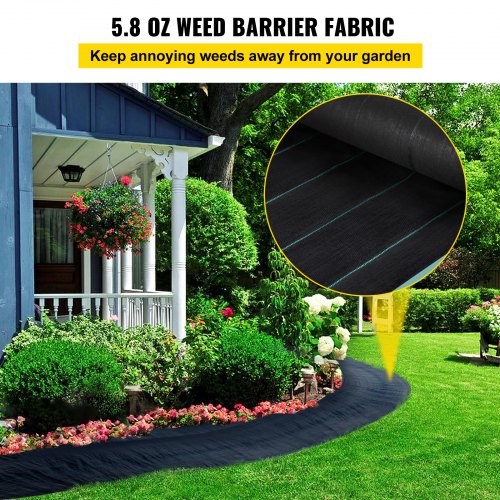
One main use of landscaping fabric is to stop weeds from growing. It blocks sunlight and stops weed seeds from sprouting.
- Reduces the need for chemical weed killers
- Keeps gardens neat and tidy
- Prevents weeds from competing with plants for nutrients
- Makes garden work less time-consuming
Soil Moisture Retention
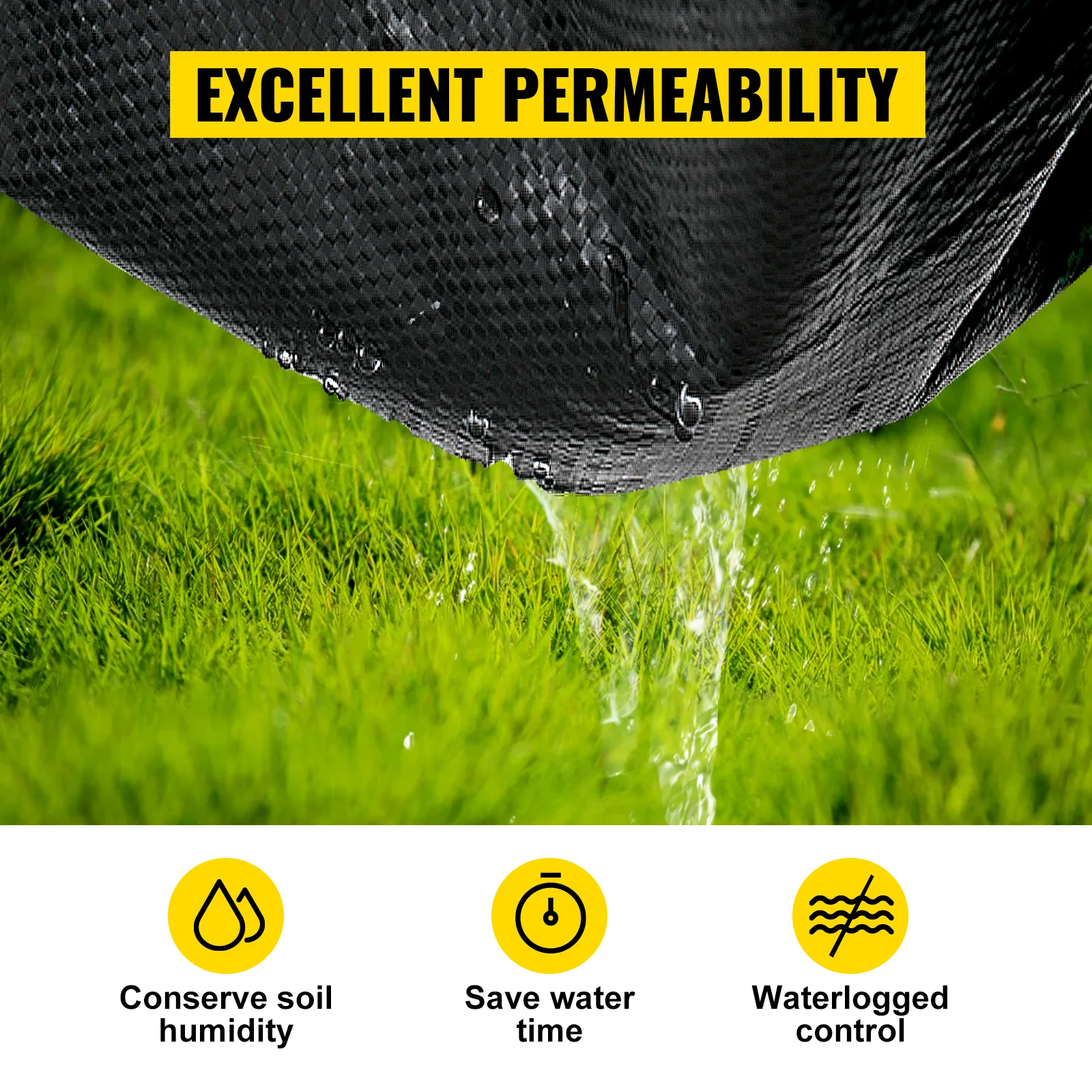
Landscaping fabric also helps keep soil moist. It slows down water evaporation and protects soil from drying out quickly.
| Benefit | Explanation |
| Less Watering Needed | Soil stays moist longer, reducing water use |
| Healthier Plants | Consistent moisture helps roots grow strong |
| Soil Erosion Control | Fabric holds soil in place during rain |
Challenges Of Placing Fabric Over Grass
Using landscaping fabric over grass can have several challenges. While it may seem easy, there are potential issues.
Understanding these challenges helps in making informed decisions for your garden.
Grass Health Concerns
Covering grass with fabric can harm its health. Grass needs sunlight and air to thrive.
- Lack of sunlight can cause grass to yellow and die.
- Moisture trapped under fabric can lead to mold.
- Reduced airflow may promote pest infestations.
Fabric Installation Issues
Installing fabric over grass presents several practical difficulties. Proper installation is crucial for effectiveness.
| Issue | Impact |
| Improper Anchoring | Fabric may shift, exposing grass. |
| Inadequate Overlap | Weeds can grow through gaps. |
| Poor Material Choice | Low-quality fabric may tear easily. |
Preparing Grass Before Installation
Installing landscaping fabric over grass needs good preparation. Proper steps help the fabric work well.
Preparing the area stops problems like weeds growing through the fabric. Follow these tips before laying the fabric.
Mowing And Clearing
Start by mowing the grass very short. Cutting grass low helps the fabric lay flat and stick better.
Remove any debris like leaves, sticks, or stones. Clear ground makes fabric installation smooth and clean.
- Use a sharp mower blade for a clean cut
- Rake away all grass clippings and debris
- Check for uneven spots and smooth them
Dealing With Existing Weeds
Weeds can grow through the fabric and cause problems later. Remove all visible weeds before you install.
Use tools or hand pull weeds from roots. You may apply a natural weed killer if needed and wait a few days.
- Pull weeds by hand or use a hoe
- Apply weed killer carefully on tough weeds
- Wait a few days after treatment before laying fabric
- Check area again for new weed growth
Step-by-step Installation Process
Putting landscaping fabric over grass helps control weeds and improves garden health. Follow these steps to install it correctly.
This guide shows you how to cut, lay, and secure the fabric for the best results.
Cutting And Laying Fabric
Start by mowing the grass very short. This makes the fabric lay flat and work better.
Cut the fabric to fit the area you want to cover. Make sure to leave extra fabric around edges for tucking.
- Measure the area carefully before cutting
- Use sharp scissors or a utility knife to cut fabric
- Overlap fabric pieces by 4 to 6 inches to block weeds
- Lay the fabric smooth without wrinkles or folds
Securing The Fabric Properly
Use landscape staples or pins to hold the fabric firmly in place. Secure it along edges and overlaps.
Check that the fabric stays tight to the ground. Loose fabric lets weeds grow underneath.
- Place staples every 12 to 18 inches along edges
- Secure overlaps with extra staples to prevent gaps
- Tuck fabric edges under soil or mulch for neatness
- Add mulch on top to protect fabric and improve appearance
Alternative Methods For Weed Prevention
Weeds can grow quickly and harm your garden. Using the right methods helps stop weeds from spreading. You can try different ways to keep weeds away without using chemicals.
Two good options are mulching and natural weed barriers. These methods protect your plants and soil while reducing weeds.
Mulching Options
Mulch covers the soil surface and blocks sunlight that weeds need to grow. It also holds moisture and keeps the soil cool. There are many mulch types to choose from.
- Wood chips: Long-lasting and good for trees and shrubs.
- Straw: Light and easy to spread around vegetable beds.
- Leaves: Free and natural, but break down quickly.
- Grass clippings: Add nutrients but should be dry to avoid mold.
- Compost: Improves soil and stops weeds at the same time.
Natural Weed Barriers
Natural weed barriers stop weeds without plastic or fabric. They let water and air reach the soil. You can make barriers from plants or materials found in your yard.
| Type | Description | Benefits |
|---|---|---|
| Cover Crops | Plants like clover or rye grown to cover soil | Shade soil and add nutrients |
| Cardboard | Layers of cardboard placed on soil | Blocks light and breaks down naturally |
| Newspaper | Multiple sheets laid thickly on garden beds | Stops weeds and is easy to recycle |
| Dense Ground Covers | Low-growing plants like creeping thyme | Outcompete weeds and add beauty |
Common Mistakes To Avoid
Putting landscaping fabric over grass can help control weeds. But some mistakes can make it fail. Avoid these common errors for better results.
Understanding what not to do will save time and effort. It also helps the fabric work as it should.
Ignoring Grass Preparation
Many people place fabric directly on grass without preparing it. This makes the fabric less effective and can cause problems later.
Cut the grass short before laying the fabric. Remove any weeds, rocks, or debris from the area. This helps the fabric sit flat and stops grass from growing through.
- Trim grass as close to the ground as possible
- Clear away weeds and loose soil
- Level the ground to avoid bumps
Improper Fabric Overlap
Not overlapping the fabric pieces correctly lets grass and weeds grow through gaps. This breaks the barrier the fabric is supposed to make.
Make sure each piece overlaps by at least 6 inches. Secure the edges with stakes or pins. Overlapping stops unwanted plants from sneaking through the joins.
- Overlap fabric pieces by 6 inches minimum
- Use stakes or pins to hold fabric edges down
- Check for gaps before adding mulch or soil on top
Maintenance Tips After Installation
After you put landscaping fabric over grass, regular care helps it last longer. Good maintenance stops problems before they grow.
Check the fabric often and handle any grass that tries to grow through. This keeps your garden neat and tidy.
Checking Fabric Integrity
Look at the landscaping fabric every few months. Make sure it has no tears or holes. Damage lets weeds and grass grow through.
If you find any rips, fix them fast. Patch small holes with new fabric pieces. Large damage may need replacing the whole section.
- Inspect fabric edges for lifting
- Remove debris on top to avoid damage
- Repair holes with fabric patches
- Replace worn sections if needed
Handling Grass Growth
Grass can still try to grow through gaps or edges. Pull out any grass shoots you see quickly. This stops them from spreading.
Use a sharp tool to cut grass near the fabric edges. Keep the edges covered with mulch or stones to block new grass growth.
- Remove grass shoots by hand regularly
- Trim grass near fabric edges carefully
- Cover edges with mulch or rocks
- Keep soil moist but avoid overwatering

Credit: www.reddit.com
Credit: www.vevor.ca
Frequently Asked Questions
Can You Lay Landscaping Fabric Directly On Grass?
Yes, you can lay landscaping fabric directly on grass. However, it’s best to mow and water the grass first. This helps the fabric lay flat and suppress weeds effectively. Over time, grass beneath may decay, improving soil quality.
How Long Does Landscaping Fabric Last Over Grass?
Landscaping fabric can last 5 to 10 years over grass. Its lifespan depends on fabric quality and exposure to sunlight. Durable, UV-resistant fabrics tend to last longer. Regular maintenance also extends its effectiveness and prevents fabric damage.
Will Grass Grow Through Landscaping Fabric?
Grass may grow through landscaping fabric if it’s not installed properly. Using thick, high-quality fabric reduces growth chances. Overlapping seams and securing edges help prevent grass penetration. Proper installation ensures better weed control and lawn health.
Does Landscaping Fabric Prevent All Weeds On Grass?
Landscaping fabric significantly reduces weed growth but doesn’t eliminate all weeds. Some stubborn weeds can grow through or around edges. Combining fabric with mulch or gravel enhances weed prevention. Regular monitoring is necessary to control persistent weeds.
Conclusion
Putting landscaping fabric over grass can help control weeds and soil erosion. It works best when grass is cut short and healthy. The fabric stops sunlight, slowing grass growth underneath. Water still passes through, keeping soil moist. Remember to secure the fabric well to avoid lifting.
Over time, grass may grow through if fabric is thin or damaged. Regular checks and maintenance keep your garden neat. Using landscaping fabric is a simple step for better garden care and weed control. Worth trying for a cleaner, easier yard.