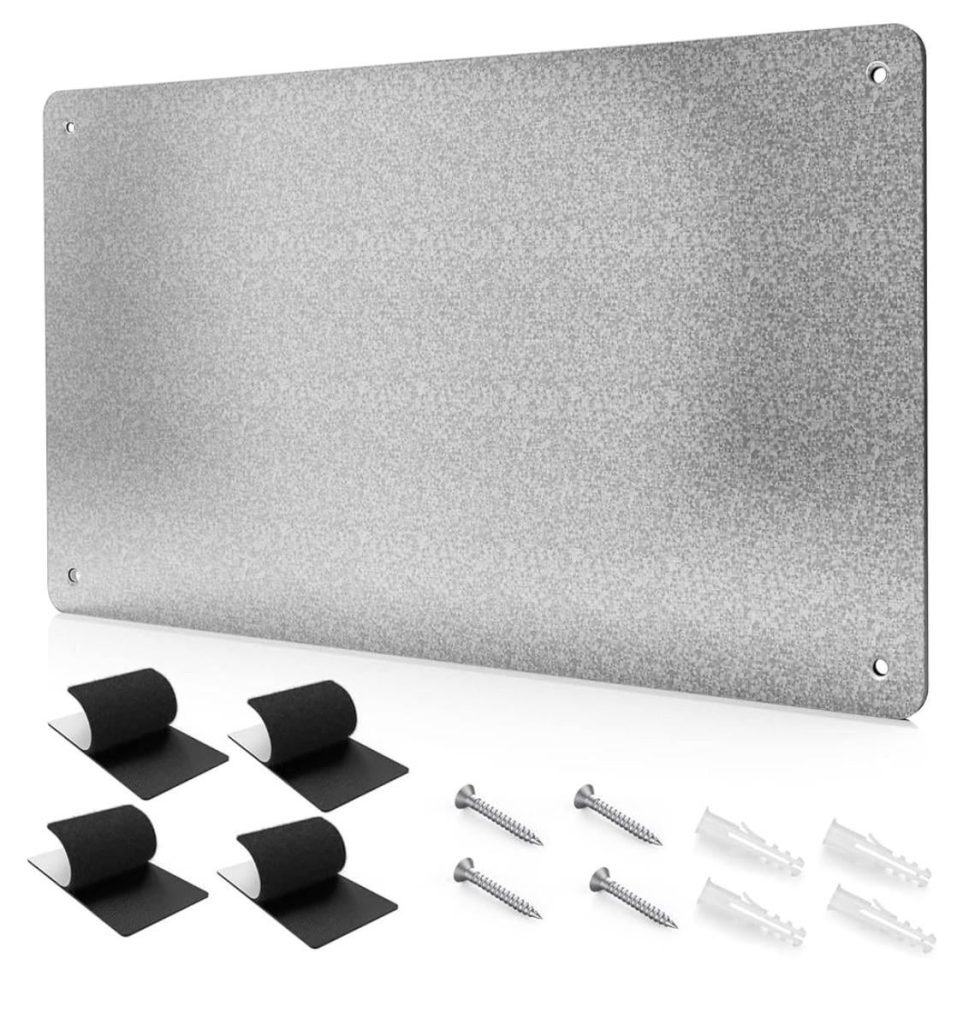
Have you ever tried sticking a magnet on your stainless steel refrigerator, only to watch it slide right off? It can be frustrating when you want to decorate your kitchen or keep important notes and reminders in sight.
You might be wondering if magnets even work on stainless steel or if there’s a trick to it. Keep reading, because understanding how magnets and stainless steel interact can help you find the perfect solution for your fridge. By the end, you’ll know exactly what to do to make your magnets stay put and add that personal touch to your kitchen.

Credit: www.reddit.com
Magnet Basics
Magnets have fascinated people for centuries. They attract certain metals, making them useful for many tasks. Understanding magnet basics helps explain why some magnets stick to refrigerators and others do not. This knowledge also clarifies how magnets interact with stainless steel surfaces.
How Magnets Work
Magnets create a magnetic field that pulls on metals like iron, cobalt, and nickel. This field comes from tiny particles called electrons inside atoms. Electrons spin and move, creating a magnetic force. When many atoms align their magnetic fields, the object becomes a magnet.
Not all metals respond the same to magnets. Metals like iron are strongly attracted. Others, such as aluminum or copper, do not react. The strength of the magnet and the metal type affect the pull between them.
Types Of Magnets
Magnets come in different types based on how they are made and how strong they are. The main types include:
- Permanent Magnets:These keep their magnetic force over time. Examples are fridge magnets and refrigerator magnets.
- Temporary Magnets:These act like magnets only when near a magnetic field. Soft iron is a common example.
- Electromagnets:These use electricity to produce a magnetic field. They lose magnetism when the power is off.
Permanent magnets are the most common on refrigerator doors. Their strength and material affect how well they stick to stainless steel.
Stainless Steel Properties
Understanding the properties of stainless steel is key to answering whether you can put magnets on your stainless steel refrigerator. Not all stainless steel behaves the same way when it comes to magnetism. This difference comes down to the metal’s internal structure and composition.
Magnetic Vs Non-magnetic Stainless Steel
Stainless steel comes in different types, mainly categorized by their crystal structure: austenitic, ferritic, and martensitic.
- Austenitic stainless steelis the most common type used in kitchen appliances. It contains a high amount of chromium and nickel, which makes it non-magneticor only slightly magnetic. If your refrigerator uses this type, magnets might not stick well.
- Ferritic and martensitic stainless steelcontain less nickel and have a different internal structure. These types are magnetic, so magnets will generally stick to surfaces made from them.
Have you ever tried sticking a magnet to your fridge only to have it fall off? That’s often because your fridge is made from austenitic stainless steel, which doesn’t attract magnets strongly.
Common Stainless Steel Grades In Refrigerators
Most stainless steel refrigerators use grades like 304 or 430. Knowing these can help you figure out if magnets will hold.
| Grade | Type | Magnetic Properties | Common Use in Refrigerators |
|---|---|---|---|
| 304 | Austenitic | Non-magnetic or slightly magnetic | High-end and fingerprint-resistant finishes |
| 430 | Ferritic | Magnetic | More affordable models and traditional stainless look |
If your fridge is made from grade 430 stainless steel, you can easily decorate it with magnets. But if it’s grade 304, you might need special magnetic strips with adhesive backing to attach your favorite magnets. Does your fridge’s finish match the magnetic behavior you expected?
Magnets On Stainless Steel Refrigerators
Magnets and stainless steel refrigerators often spark a simple but surprising question: can you stick magnets on these sleek surfaces? The answer depends largely on the type of stainless steel used and its magnetic properties. Understanding this can save you from the frustration of magnets that just won’t stick.
Which Stainless Steel Fridges Attract Magnets
Not all stainless steel is created equal when it comes to magnetism. Some fridges use stainless steel that contains iron in a form that magnets can grab onto easily. These are usually made from a type called ferritic stainless steel, which has a magnetic structure.
Brands that use this material often allow your fridge magnets, notes, and photos to stay put without slipping off. If you want to test your current or prospective fridge, try a small magnet on the surface before buying. This simple check can save you from disappointment.
Why Some Stainless Steel Surfaces Repel Magnets
Other stainless steel fridges use a type called austenitic stainless steel. This version contains less iron in the magnetic form and more nickel, making it non-magnetic. So, your magnets will slide right off these smooth surfaces.
This is common in higher-end models that focus on a polished, fingerprint-resistant finish. If you own one of these, don’t give up on decorating your fridge! Magnetic strips, adhesive hooks, or specially designed stainless steel-compatible magnets can be great alternatives.
Credit: www.kjmagnetics.com
Testing Magnet Compatibility
Testing magnet compatibility with your stainless steel refrigerator is easy. It helps you know if magnets will stick or slide off. This simple check saves time and prevents damage to your fridge surface.
Simple Magnet Test At Home
Find a small magnet from your fridge or craft supplies. Hold the magnet against the stainless steel door. Try to move the magnet gently. Notice if it sticks firmly or falls off.
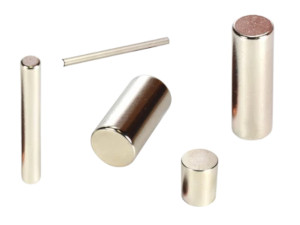
Test different spots on the fridge door. Some parts may attract magnets better than others. This test works best with regular fridge magnets or neodymium magnets.
Interpreting The Results
If the magnet sticks well, your fridge surface is magnetic. You can use magnets for notes, photos, or decorations. If the magnet barely sticks or slides down, the door is non-magnetic.
Non-magnetic stainless steel has a smooth finish but won’t hold magnets. In this case, use adhesive hooks or special magnetic sheets made for non-magnetic surfaces.
Impact Of Magnets On Stainless Steel
Magnets often decorate refrigerators, adding charm or holding important notes. Stainless steel refrigerators have a sleek, modern look. Understanding how magnets affect stainless steel helps keep your appliance safe and functional.
Potential Scratches And Damage
Magnets can cause scratches on stainless steel surfaces. This happens when dirt or grit gets trapped between the magnet and the fridge. Dragging magnets across the surface may leave marks. Always place magnets gently and avoid sliding them.
Some magnets have rough or sharp edges. These edges increase the risk of damage. Using soft-backed magnets can reduce scratches. Regular cleaning of the fridge surface also protects against wear.
Magnetic Effects On Refrigerator Functionality
Magnets do not affect the cooling or electrical parts of stainless steel refrigerators. The magnetic field from typical fridge magnets is very weak. It cannot interfere with sensors or motors inside the fridge.
However, strong magnets should be kept away from digital displays or electronic controls. These components may be sensitive to strong magnetic fields. Normal decorative magnets remain safe for most stainless steel refrigerators.
Alternatives To Magnets On Stainless Steel
If your stainless steel refrigerator doesn’t hold magnets well, don’t worry—there are smart alternatives that keep your kitchen organized and stylish. These options protect your appliance’s finish while offering the convenience you need. You might even find some solutions that work better than traditional magnets.
Adhesive Hooks And Strips
Adhesive hooks and strips stick directly to your refrigerator’s surface without causing damage. They come in various sizes and strengths, perfect for hanging lightweight items like keys, utensils, or shopping lists.
What’s great is that many of these adhesives are removable and won’t leave sticky residue behind. You can reposition or remove them easily, which is ideal if you like changing your kitchen layout often.
Try brands like Command strips that are designed specifically for smooth surfaces. They offer hooks, clips, and even small baskets that add functional storage space without needing magnets.
Magnetic Accessories With Protective Coatings
If you love magnets but worry about scratching your stainless steel, look for magnetic accessories with soft or rubberized coatings. These coatings prevent direct metal-to-metal contact, protecting your fridge’s finish.
These magnets hold firmly and come in various styles, from photo frames to note holders. Using coated magnets lets you enjoy the flexibility of magnets without the risk of marks or rust spots.
Have you ever noticed tiny scratches or dull spots where your magnets used to be? Switching to coated magnets can save your appliance’s look while still letting you display reminders and photos.

Credit: www.reddit.com
Frequently Asked Questions
Can Magnets Stick To All Stainless Steel Refrigerators?
Not all stainless steel refrigerators are magnetic. Only those with a ferromagnetic base allow magnets to stick. Some models use non-magnetic stainless steel, preventing magnets from adhering.
Why Don’t Magnets Stick To Some Stainless Steel Fridges?
Many stainless steel fridges use austenitic stainless steel, which is non-magnetic. This type resists corrosion but lacks magnetic properties, so magnets won’t cling to its surface.
How To Check If A Fridge Is Magnetic Or Not?
Use a small magnet to test your fridge’s surface. If it sticks firmly, the fridge is magnetic. If it slides or falls off, it’s non-magnetic stainless steel.
Can Magnetic Fridge Accessories Damage Stainless Steel Surfaces?
Generally, magnets won’t damage stainless steel surfaces if used properly. Avoid strong or abrasive magnets to prevent scratches or dents. Use soft backing if concerned about surface damage.
Conclusion
Magnets on stainless steel refrigerators? It’s not always simple. Some fridges resist magnets due to their material composition. But don’t worry. You can still decorate. Try magnetic boards or clips for a creative touch. They stick to most stainless steel surfaces.
Plus, they’re easy to move. Remember, magnets add personality. They hold reminders and photos too. So, check your fridge’s magnetic compatibility first. Experiment with different magnets. Find what works best for your kitchen style. Enjoy customizing your fridge while keeping it functional.
Your refrigerator can be both stylish and practical. Enjoy decorating it with ease!