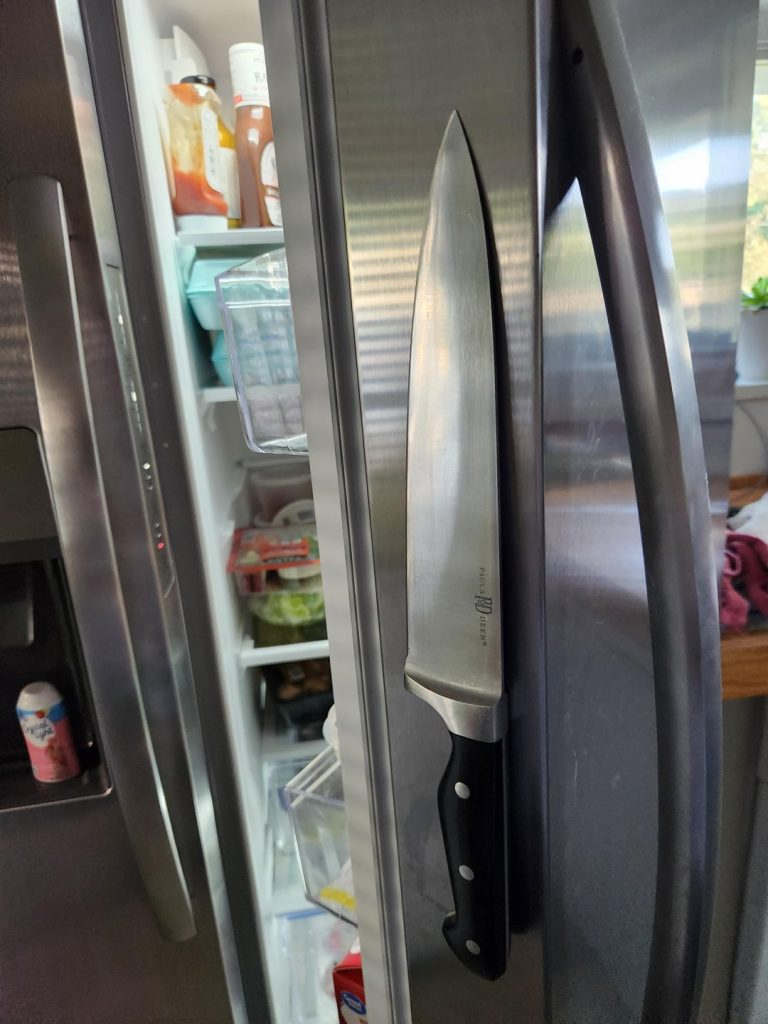
Have you ever tried sticking a magnet to your stainless steel refrigerator, only to see it slide right off? It’s frustrating, isn’t it?
You might wonder if magnets just don’t work on stainless steel or if there’s a trick you’re missing. Whether you want to hang important notes, display photos, or add some fun decorations, knowing if and how magnets stick to your fridge matters.
Keep reading, and you’ll discover the surprising truth about magnets and stainless steel refrigerators – plus easy tips to make your magnets stay put every time.
Magnetic Properties Of Stainless Steel
Understanding the magnetic properties of stainless steel is key if you want to know whether magnets will stick to your refrigerator. Not all stainless steel reacts the same way to magnets. The differences come down to the type of stainless steel used and how its internal structure responds to magnetic forces.
Types Of Stainless Steel
Stainless steel comes in several types, but the most common are:
- Austenitic:This type contains high levels of chromium and nickel. It is usually non-magnetic or very weakly magnetic. Many kitchen appliances, including refrigerators, are made from this type.
- Ferritic:Lower in nickel and higher in iron content, ferritic stainless steel is magnetic. It’s often used in automotive parts and some appliances.
- Martensitic:This type is magnetic and often used in cutlery and tools because of its hardness.
Knowing the type of stainless steel your refrigerator uses can help you predict if magnets will stick. Have you checked the product specs or manufacturer details to identify your fridge’s stainless steel type?
How Magnetism Works In Stainless Steel
Magnetism depends on the arrangement of atoms and electrons in the metal. Austenitic stainless steel has a crystal structure that resists magnetism, so magnets usually don’t cling well. However, if the steel is bent or hammered, it can develop magnetic properties due to changes in its structure.
Ferritic and martensitic steels have atomic structures that allow magnetic fields to pass through easily, making magnets stick firmly. This means even a small scratch or dent can change how magnetic your fridge surface feels.
Have you noticed some parts of your stainless steel fridge attract magnets better than others? That’s often due to these structural differences. So, before buying magnets, try testing a small magnet on different areas of your fridge to see how it reacts.
Common Refrigerator Materials
Understanding the materials used in refrigerators helps you decide if magnets will stick or slide right off. Different types of metals and finishes affect how your favorite fridge magnets behave. Knowing these differences can save you from frustration and let you personalize your kitchen space exactly how you want.
Steel Vs Stainless Steel
Regular steel refrigerators are usually magnetic because steel contains iron, which magnets love. If you’ve ever stuck a magnet on an old-fashioned fridge, you know it holds tight without any fuss.
Stainless steel, however, is a bit trickier. It’s made by mixing steel with chromium and other elements to prevent rust. Some stainless steel types are magnetic, but many are not, especially the ones used in modern refrigerators.
If you’ve tried placing magnets on a stainless steel fridge and they just slide down, it’s likely because your fridge uses a non-magnetic stainless steel variety. This subtle difference in material can make a big impact on how you decorate your fridge.
Magnetic Vs Non-magnetic Surfaces
Magnets only stick to surfaces that contain ferromagnetic materials like iron or certain types of steel. Non-magnetic surfaces, such as most stainless steel finishes, aluminum, or plastic, won’t hold magnets at all.
Have you noticed some fridges have a smooth, shiny surface that just won’t hold magnets? That’s often a magnetic-resistant coating or a non-magnetic metal underneath. On the other hand, textured or matte finishes sometimes hide a magnetic layer beneath, so testing with a magnet is always a good idea.
- Magnetic surfaces: Regular steel, some stainless steel grades (ferritic types)
- Non-magnetic surfaces: Austenitic stainless steel, aluminum, plastic, glass
Next time you shop or think about adding magnets, ask yourself: Does your fridge surface attract magnets naturally, or do you need a magnetic board or alternative solution? This simple question can guide your choice and avoid unexpected surprises.
Can Magnets Stick To Stainless Steel Refrigerators?
Stainless steel refrigerators are a popular choice in modern kitchens. Many homeowners wonder if magnets will stick to them. This is important for displaying notes, photos, or important reminders. The magnetism of stainless steel can vary. Let’s explore the factors affecting magnetism and how to test your refrigerator’s surface.
Factors Affecting Magnetism
Not all stainless steel is magnetic. Its composition affects magnetism. Stainless steel is an alloy. It contains iron, chromium, and other elements. The amount of nickel and chromium can make it less magnetic. Some stainless steel types, like 304, are less magnetic. Types like 430 are more likely to attract magnets. The finish on the steel also plays a role. Smooth finishes might resist magnetism more than textured ones.
Testing Your Refrigerator Surface
Testing if magnets stick is simple. Grab a small magnet. Gently press it against the fridge surface. See if it stays in place. If it falls, the surface is likely non-magnetic. Try different areas of the fridge. Some parts might be more receptive. For a deeper check, use a stronger magnet. This can confirm the level of magnetism.

Credit: www.reddit.com
Alternatives For Non-magnetic Refrigerators
Many stainless steel refrigerators do not attract magnets. This can make it hard to use magnets for notes or decorations. There are simple alternatives that work well without damaging the surface. These options keep your fridge organized and stylish.
Adhesive Hooks And Strips
Adhesive hooks and strips stick firmly to smooth surfaces. They hold lightweight items like keys, notes, and small tools. Many brands offer easy-to-remove options that leave no marks. They come in clear or colored designs to match your kitchen. Use them to hang grocery lists or small decorations.
- Easy to apply and remove
- Strong hold for lightweight objects
- Does not damage the fridge surface
- Available in various sizes and colors
Magnetic Pads And Plates
Magnetic pads and plates add a magnetic layer to non-magnetic surfaces. Stick a thin metal plate on the fridge first. Then attach magnets to the plate as usual. This method creates a magnetic area without changing the fridge. It works well for photos, notes, and small magnets.
- Creates a magnetic surface on stainless steel
- Can be cut to fit any fridge size
- Easy to clean and reposition
- Protects the fridge from scratches
Care Tips For Magnets And Stainless Steel
Magnets can add charm and functionality to your stainless steel refrigerator, but they need some care to keep both the magnets and the fridge looking great. Ignoring simple precautions can lead to scratched surfaces or magnets losing their grip. Let’s look at how you can protect your stainless steel and keep your magnets strong over time.
Preventing Surface Damage
Stainless steel surfaces are durable but not invincible. Magnets with rough or sharp edges can scratch or leave marks on your fridge. Always check the back of your magnets for any rough spots before placing them.
Use soft felt pads or adhesive foam strips behind your magnets to create a cushion. This simple step reduces friction and prevents tiny scratches that build up over time. Also, avoid moving magnets around frequently to limit surface wear.
Wondering if cleaning your fridge affects the magnets? Wipe the surface gently with a soft cloth and mild soap. Harsh chemicals can dull the finish and weaken adhesive magnets, so stick to gentle cleaners.
Maintaining Magnet Strength
Magnets can lose their power if not cared for properly. Extreme heat or moisture can weaken their hold. Keep your magnets away from direct sunlight or areas prone to humidity near the fridge.
If you notice your magnets slipping, clean both the magnet and fridge surface. Dust and grease reduce magnetic grip. A quick wipe with a damp cloth restores their stickiness.
Have you ever tried stacking magnets? It might seem like a good idea to strengthen the hold, but stacking can sometimes demagnetize them. Instead, use a single, well-maintained magnet for the best strength.
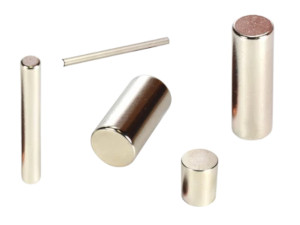
Credit: www.kjmagnetics.com

Credit: www.reddit.com
Frequently Asked Questions
Can Magnets Stick To Stainless Steel Refrigerators?
Most stainless steel refrigerators are magnetic. However, some use austenitic stainless steel, which is non-magnetic. Check your fridge’s material to know for sure.
Why Don’t Magnets Stick To Some Stainless Steel Fridges?
Certain stainless steel types, like 304 or 316, resist magnets due to their metal structure. These are chosen for durability and rust resistance.
How To Test If Your Fridge Is Magnetic?
Use a small magnet and place it on the fridge surface. If it sticks firmly, the fridge is magnetic and can hold magnets well.
Are Magnets Safe For Stainless Steel Refrigerators?
Yes, magnets are safe and won’t damage stainless steel. But avoid strong magnets that might scratch or leave marks on the surface.
Conclusion
Magnets usually stick well to stainless steel refrigerators with magnetic surfaces. Some stainless steel types are not magnetic, so magnets won’t hold. Check your fridge’s material before adding magnets. Using magnets can add fun and function to your kitchen. Just avoid strong magnets that might scratch or damage the surface.
Small decorations and notes stay easy to place and remove. Enjoy personalizing your space without worry. Simple steps help keep your fridge looking great. Magnets and stainless steel can work well together.