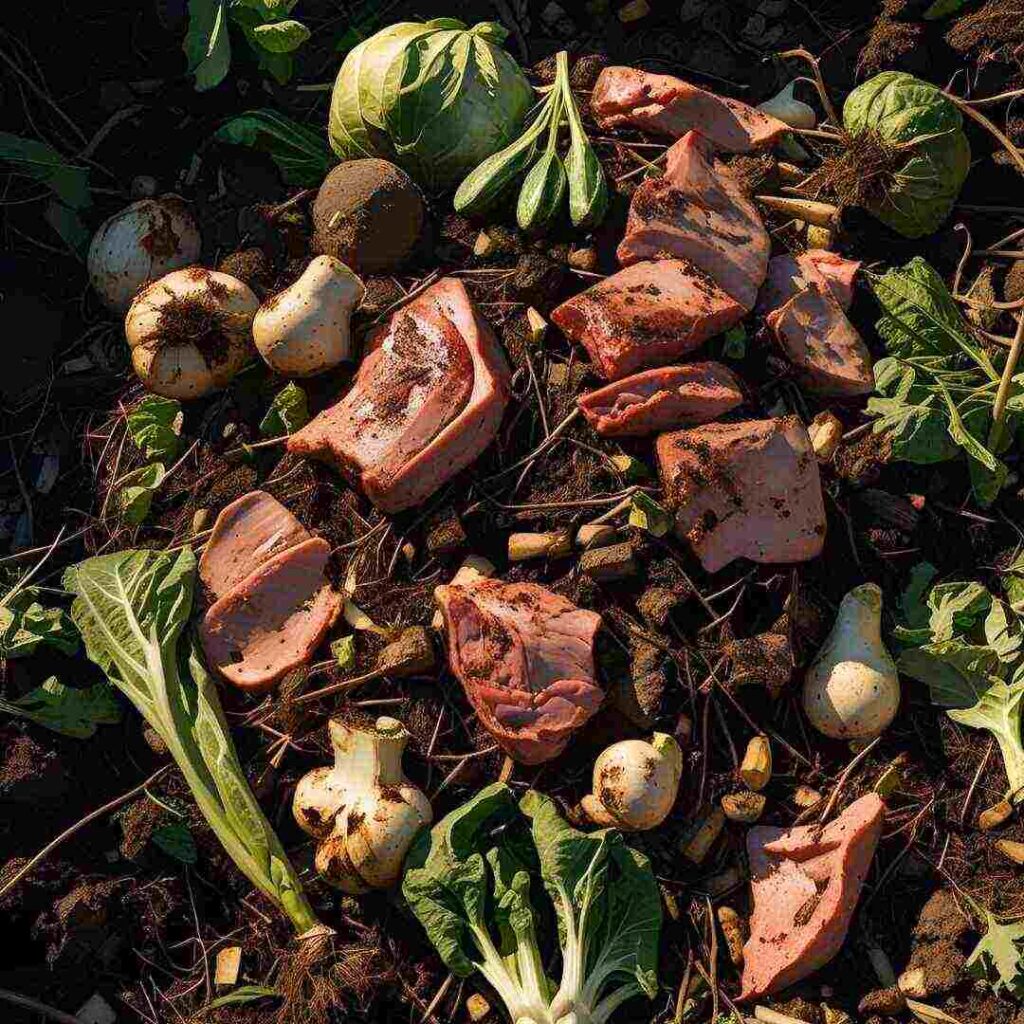
Are you wondering if you can put meat in your compost bin without causing problems? It’s a common question for anyone trying to compost kitchen scraps and reduce waste.
You might think tossing leftover chicken or beef into your compost is a simple way to go green, but it’s not always that easy. Meat can change how your compost works, and if not handled right, it can attract pests or create bad smells.
Keep reading, and you’ll discover the truth about composting meat, how to do it safely, and whether it’s worth the effort for your garden.
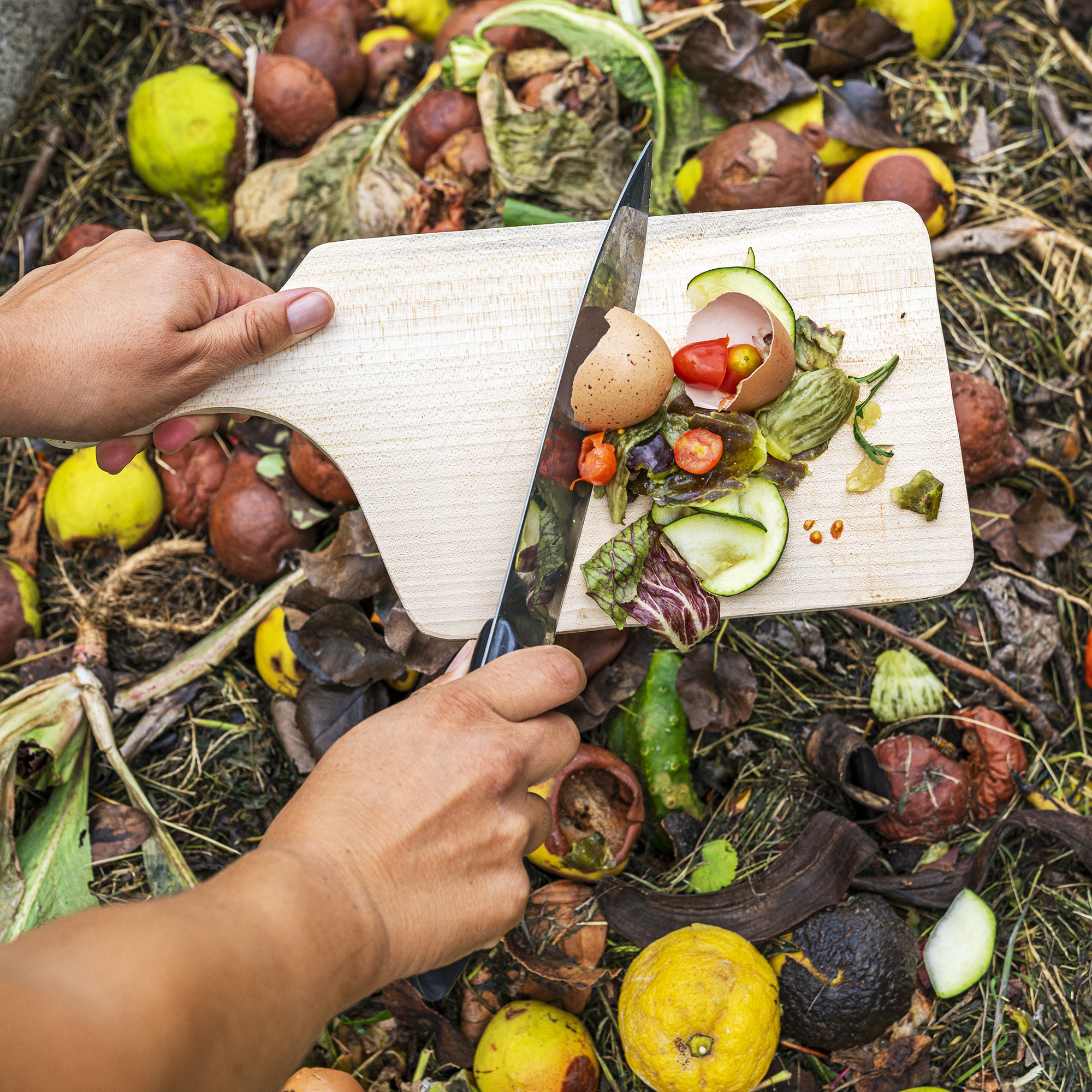
Credit: www.gardeningknowhow.com
Why Meat Is Usually Avoided
People often avoid putting meat in compost bins. Meat can cause several problems during composting. These issues make it harder to keep a clean and effective compost pile.
This article explains the main reasons meat is usually left out of compost bins. Understanding these reasons helps keep compost healthy and safe.
Attracting Pests And Animals
Meat in compost bins attracts pests like rats, raccoons, and flies. These animals can spread germs and damage the compost pile.
Pests make composting messy and unsafe. They can also dig up the compost, slowing down the process.
- Rats and mice look for meat scraps
- Raccoons can tear open bins
- Flies lay eggs, causing maggots
Odor Problems
Meat rots differently from plant waste and smells bad. This strong odor can disturb neighbors and attract unwanted animals.
The smell comes from fat and protein breaking down. It is hard to control and can make composting unpleasant.
Slower Decomposition
Meat takes longer to break down than fruits or vegetables. It needs more oxygen and heat to decompose properly.
Slow decomposition can cause the compost pile to stay wet and smelly. This stops the pile from turning into good soil quickly.

Credit: ceercle.eu
Types Of Meat Suitable For Composting
Composting meat can be tricky because it can attract pests and cause bad smells. Not all types of meat are good for compost bins.
This guide explains which meats you can compost safely and how to prepare them.
Cooked Vs. Raw Meat
Raw meat breaks down more easily in compost but can carry bacteria. Cooked meat has added fats and seasonings that may slow composting.
- Raw meat is better in small amounts and mixed well with other materials.
- Cooked meat can compost but needs careful handling to avoid pests.
- Avoid heavily spiced or fatty cooked meats as they take longer to decompose.
- Always cut meat into small pieces to speed up breakdown.
Small Quantities And Proper Preparation
Adding small amounts of meat reduces problems in the compost bin. Proper preparation helps keep the compost healthy.
| Preparation Step | Reason |
|---|---|
| Cut meat into small pieces | Faster decomposition and less smell |
| Mix meat with brown materials | Balances moisture and reduces odor |
| Cover meat with soil or leaves | Keeps pests away |
| Use a closed compost bin | Prevents animals from accessing meat |
Composting Methods For Meat
Composting meat requires special techniques. Meat can attract pests and create odors. Using the right methods can solve these problems.
Here are some methods to safely compost meat. Each method has its own benefits and requirements.
Hot Composting Techniques
Hot composting uses high temperatures. This method can break down meat safely. The heat kills harmful bacteria and pathogens.
To start hot composting, you need a large compost pile. Turn the pile regularly to keep the temperature high.
- Maintain a temperature of 140°F or higher
- Use a mix of greens and browns
- Aerate the pile every few days
Using Bokashi Systems
Bokashi is a fermentation process. It is useful for composting meat. The system uses a special bran to ferment the meat.
Place the meat in a Bokashi bin. Cover it with Bokashi bran. This creates an anaerobic environment.
- Seal the bin tightly
- Ferment for two weeks
- Transfer to a traditional compost pile
Commercial Composters
Commercial composters are large machines. They handle meat waste efficiently. These machines control temperature and moisture.
Commercial composters are used by businesses and institutions. They can process large amounts of meat quickly.
| Pros | Cons |
| Fast processing | Expensive |
| High efficiency | Requires space |

Credit: ceercle.eu
Tips To Manage Meat In Compost
Adding meat to a compost bin can be tricky. It can attract pests and cause bad smells.
You need to follow some tips to keep your compost healthy when adding meat scraps.
Balancing Green And Brown Materials
Meat is a green material that is high in nitrogen. You must add enough brown materials.
Brown materials like dry leaves, paper, and straw help balance moisture and stop odors.
- Use 3 parts brown materials for every 1 part meat or green waste
- Cover meat scraps well with brown materials to hide smells
- Avoid adding too much meat at once to keep balance
Maintaining Temperature
High temperatures help break down meat safely in compost. Aim for 130°F to 150°F.
Hot compost kills bad bacteria and stops pests from visiting your bin.
- Use a compost thermometer to check heat regularly
- Add enough materials to keep the pile large and warm
- Keep the pile moist but not too wet for good heat
Turning And Aerating The Pile
Turning your compost helps air reach the pile. It speeds up decomposition.
Aerating stops bad smells and reduces pests attracted by meat scraps.
- Turn the pile every 3 to 5 days
- Mix meat scraps well with other materials
- Use a pitchfork or compost aerator tool for best results
Alternatives To Composting Meat
Putting meat in a compost bin is not recommended. Meat can attract pests and cause bad odors. It also breaks down slowly in regular compost.
There are safer and cleaner ways to dispose of meat scraps. These options help keep your compost healthy and your home clean.
Trash Disposal Options
Throwing meat scraps in the trash is the simplest option. Use a sealed bag to avoid smells and pests. Put the bag in a covered trash bin.
Check with your local waste management for rules. Some places have special trash pickup for food waste.
Feeding To Animals
Some meat scraps can be fed to pets or farm animals. Make sure the meat is safe and fresh. Avoid spoiled or cooked meat.
Always check with animal care experts first. Some meats can be harmful to certain animals.
Specialized Waste Programs
Special programs exist for disposing of meat and food waste. These programs may use industrial composting or bio-digesters.
Look for local food waste recycling or organic waste collection programs. They handle meat safely and reduce landfill waste.
Frequently Asked Questions
Can You Compost Meat In A Home Bin?
Composting meat in a home bin is not recommended. Meat attracts pests and causes odor issues. It requires specialized composting systems with high heat to break down safely.
What Problems Does Meat Cause In Compost Bins?
Meat causes foul odors and attracts rodents and flies. It also slows the composting process. Proper composting needs high temperatures to avoid these issues.
How To Safely Compost Meat Scraps?
To compost meat scraps safely, use a hot composting method or a specialized bokashi system. These methods kill pathogens and control odors effectively.
Can Meat Harm The Compost Quality?
Improperly composted meat can introduce pathogens and pests. It can also create an unpleasant smell, lowering compost quality. Proper high-heat composting prevents these problems.
Conclusion
Meat in a compost bin can cause problems like bad smells and pests. Most compost bins work best with plant-based scraps. Use meat only if your bin handles it safely. Keep your compost healthy by adding leaves, fruit, and veggies.
Turning the compost helps it break down faster. Clean bins stop unwanted bugs and smells. Remember, composting is about balance and care. Choose the right materials to make good soil for your garden. Compost well, and your plants will thank you.