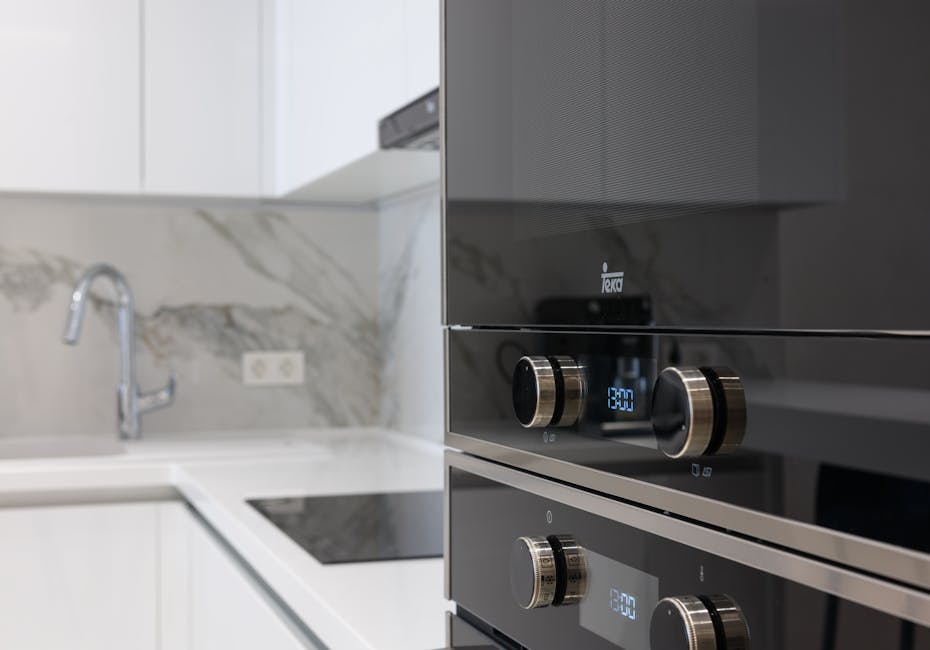
Have you ever wondered if it’s safe to put metal in your microwave convection oven? You might have seen shiny utensils or foil around the kitchen and asked yourself, “Can I use these in my microwave oven without causing damage?” This question is more common than you think, and the answer isn’t always straightforward.
If you want to protect your appliance and cook your food safely, it’s important to understand how metal interacts with microwave convection ovens. Keep reading, and by the end of this article, you’ll know exactly what you can and can’t put inside your microwave convection oven when it comes to metal.

Credit: kitchendance.com
Microwave Convection Oven Basics
Understanding the basics of a microwave convection oven can transform your cooking experience. This versatile appliance combines the speed of a microwave with the even cooking of a convection oven. If you’re curious about its workings and benefits, you’re not alone.
How Microwave And Convection Modes Work
Microwave mode uses electromagnetic waves to heat food quickly. These waves cause water molecules in the food to vibrate, generating heat. It’s perfect for reheating leftovers or defrosting frozen items in minutes.
Convection mode, on the other hand, uses a fan and heating element to circulate hot air. This ensures even cooking, making it ideal for baking and roasting. Imagine achieving a crispy crust on your homemade bread or perfectly roasted vegetables.
Differences Between Microwave And Traditional Ovens
Traditional ovens rely on radiant heat from heating elements at the top and bottom. They often require preheating, adding to cooking time. In contrast, microwave convection ovens offer the convenience of rapid cooking without compromising on texture.
Microwave convection ovens are more energy-efficient compared to traditional ovens. They consume less power due to their quicker cooking times. This efficiency can save you money on electricity bills over time.
Have you ever wondered about the versatility of your kitchen appliances? Knowing how each mode works allows you to maximize their potential. Whether you’re a busy parent or a culinary enthusiast, understanding these differences can enhance your cooking adventures.
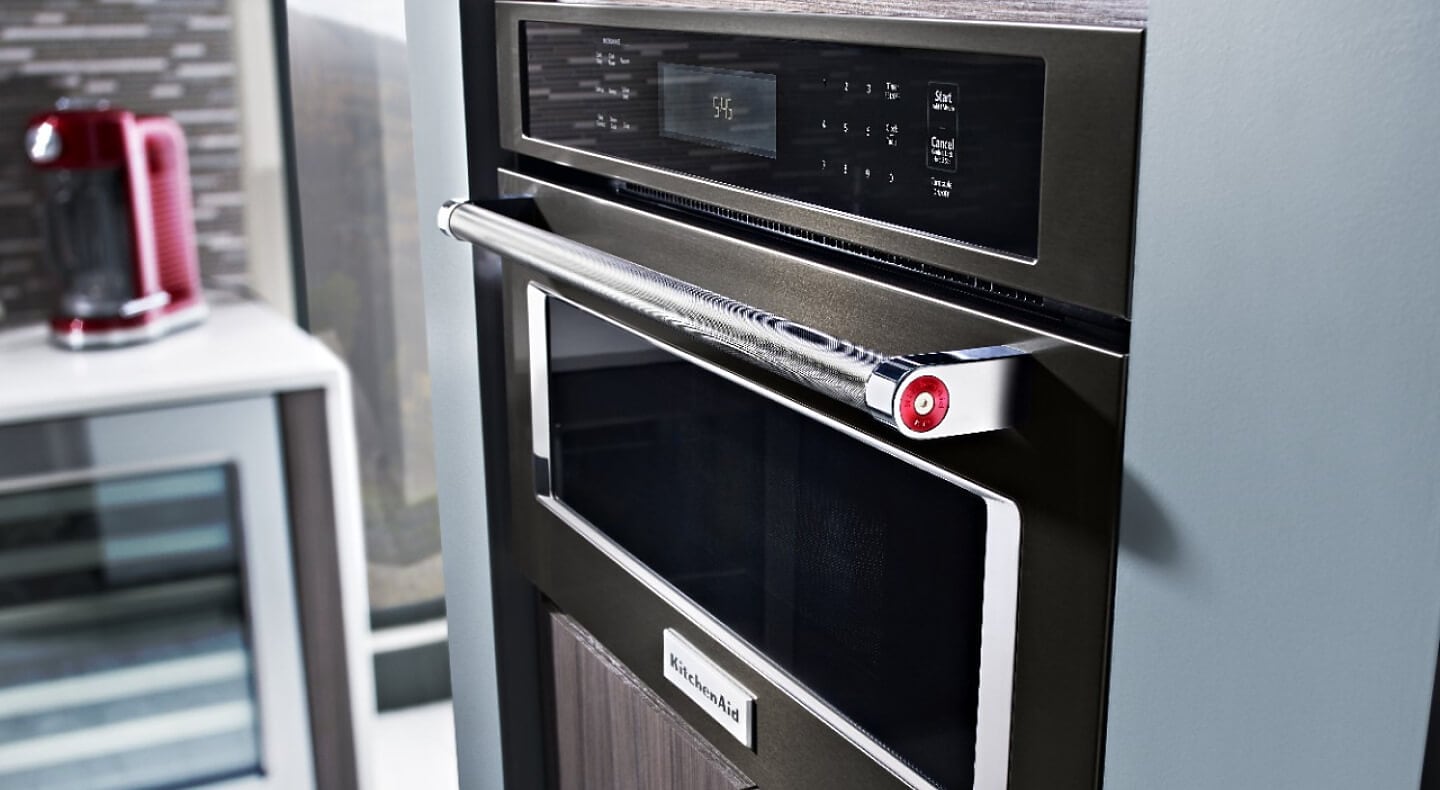
Credit: www.kitchenaid.com
Metal And Microwaves
Metal and microwaves often spark questions about safety and functionality in the kitchen. Many wonder if placing metal inside a microwave convection oven is harmful or if it affects cooking results. Understanding how metal interacts with microwave energy can help you use your appliance more effectively and avoid mishaps.
Why Metal Reacts In Microwaves
Microwaves use electromagnetic waves to heat food by exciting water molecules. Metal surfaces reflect these waves instead of absorbing them. This reflection can cause sparks or arcing, which might damage your microwave or even start a fire.
Thin or crinkled metal, like aluminum foil, is more likely to cause sparks because it creates points where the electrical charge concentrates. On the other hand, smooth, thick metal objects may not spark but can still reflect energy unevenly, affecting cooking efficiency.
Have you ever noticed tiny sparks when accidentally microwaving a fork? That’s the electrical energy bouncing off the metal, trying to find a path through the air. This reaction is why many manufacturers warn against putting metal inside microwaves unless specifically designed for it.
Common Types Of Metal Items In Kitchens
Metal appears in many kitchen tools and containers, so it’s important to recognize which are safe to use in a microwave convection oven. Here are some common metal items you might encounter:
- Aluminum foil:Often used for covering dishes but risky if placed too close to the oven walls or crumpled.
- Metal cookware:Pots and pans made of stainless steel or cast iron are generally unsafe for microwaves.
- Microwave-safe metal racks:Some convection ovens include metal racks designed to withstand microwave energy safely.
- Metal-trimmed plates or mugs:These can cause sparks if the metal rim is thin or chipped.
Knowing the difference can save you from accidental sparks or damaged appliances. Have you checked if your convection oven came with a metal rack? Using that rack correctly could improve cooking without risk.
Using Metal In Microwave Convection Ovens
Using metal in microwave convection ovens often raises questions about safety and function. These appliances combine microwave energy with convection heat. This mix changes how metal interacts inside the oven. Understanding which metals are safe and when metal can cause problems helps avoid damage or accidents.
Safe Metal Utensils And Containers
Some metal items are safe in microwave convection ovens. Thin metal trays or racks made for these ovens work well. They help cook food evenly by circulating hot air. Metal containers with smooth edges and no sharp points usually do not spark. Small amounts of metal, like aluminum foil, can be used carefully. Keep foil flat and away from the oven walls and ceiling.
When Metal Can Cause Damage
Metal can cause sparks and fires if used incorrectly. Sharp edges or crumpled foil create electric arcs. These arcs can damage the oven’s interior and electronics. Large metal pans block microwave energy, leading to uneven cooking. Using metal utensils not designed for microwaves increases risk. Avoid putting metal objects that touch the oven walls or cover the entire food surface.
How Convection Mode Affects Metal Use
Convection mode uses hot air, not microwaves, to cook food. Metal is safe in convection mode like in a regular oven. You can use metal baking trays and pans without worry. When convection and microwave modes run together, caution is needed. The microwave energy can still cause sparks with some metals. Always check the oven’s manual for metal use guidelines in combined modes.
Expert Tips For Safe Use
Using metal in a microwave convection oven requires care and knowledge. Following expert tips can help you avoid damage and keep cooking safe. Understanding the right cookware and safety rules is key. Proper cleaning also extends the oven’s life and performance.
Selecting The Right Cookware
Choose metal cookware designed for microwave convection ovens. Look for thin, smooth metal trays or racks made by the oven’s brand. Avoid containers with sharp edges or crinkled foil. Use cookware labeled as microwave-safe to prevent sparks. Mixing metal with glass or ceramic can improve cooking results.
Avoiding Sparks And Fire Hazards
Never use metal foil that touches the oven walls or door. Keep metal pieces small and flat to reduce sparks. Avoid cooking foods with high fat or sugar in metal containers. Always watch the oven while metal is inside. Stop cooking immediately if you see sparks or smell burning.
Cleaning And Maintenance Advice
Clean metal trays and racks after each use with mild soap and water. Avoid abrasive cleaners that can damage surfaces. Wipe the oven interior regularly to remove food residue. Check for scratches or dents on metal parts and replace if needed. Proper cleaning prevents sparks and maintains oven safety.
Alternatives To Metal Cookware
Metal cookware can cause sparks and damage inside microwave convection ovens. Choosing safe alternatives protects your oven and food. Many materials handle heat well without risks.
These alternatives are easy to find and use. They work well for baking, reheating, and cooking. Safe options help keep your meals tasty and your appliances safe.
Microwave-safe Glass And Ceramic Options
Glass and ceramic cookware are excellent choices for microwave convection ovens. They do not react with microwaves or cause sparks. Look for containers labeled microwave-safe to ensure safety.
These materials heat food evenly and retain heat well. Glass baking dishes, ceramic plates, and mugs work perfectly. They are also easy to clean and reuse.
Silicone And Plastic Alternatives
Silicone cookware is flexible, lightweight, and microwave safe. It resists heat and does not warp or melt easily. Use silicone baking mats, molds, or lids for various cooking needs.
Microwave-safe plastic containers are another option. Choose BPA-free plastics marked for microwave use. They are great for reheating and storing food but avoid high temperatures or long cooking times.
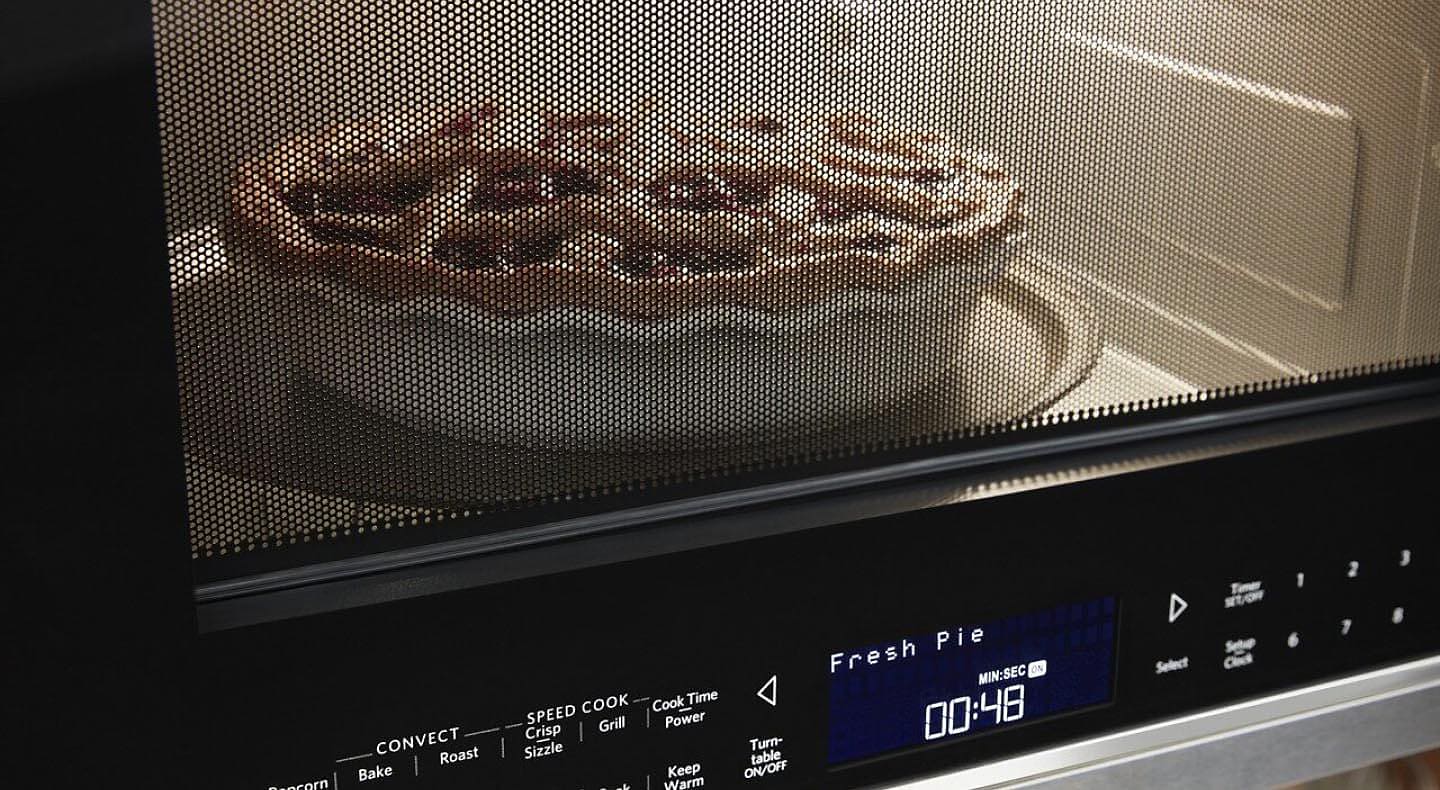
Credit: www.kitchenaid.com
Frequently Asked Questions
Can You Microwave Metal In A Convection Oven?
No, placing metal in a microwave convection oven can cause sparks and damage. Metal reflects microwaves, creating electrical arcing, which is unsafe.
What Happens If Metal Is Used In Microwave Convection Ovens?
Using metal can produce sparks, fire hazards, and damage the appliance. It may also ruin your food and cause uneven heating.
Are Some Metals Safe In Microwave Convection Ovens?
No metal is completely safe, but some specially designed microwave-safe metal trays may be used. Always check the manufacturer’s guidelines before use.
Can Aluminum Foil Be Used In A Microwave Convection Oven?
Generally, aluminum foil should be avoided as it can cause sparks. Small, smooth pieces may be used cautiously if the oven manual permits.
Conclusion
Metal in a microwave convection oven can be tricky. Small amounts of metal, like trays made for the oven, usually work fine. But regular metal objects can cause sparks and damage. Always check the oven’s manual before using metal. Safety matters most.
Use microwave-safe containers to cook food well and avoid risks. This keeps your oven safe and your food tasty. Understanding how metal interacts with your oven helps you cook smarter. Stay cautious and enjoy your meals without worry.