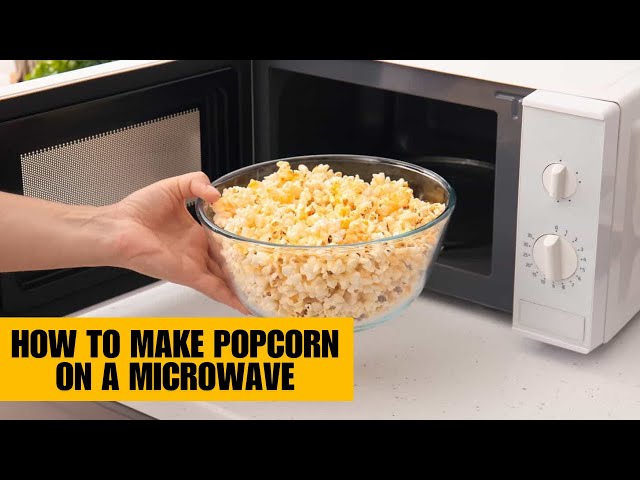
Imagine this: you’re settling in for a cozy movie night at home, and you’re craving that classic cinema snack – popcorn. But there’s a twist: your microwave is on the fritz, and all you have is a packet of microwave popcorn.
So, what do you do? Can you put microwave popcorn in the oven? This question might have popped into your mind before, and you’re not alone. It’s a curious conundrum that many popcorn lovers face. You might be wondering if it’s safe, if it will taste just as good, or if there’s a secret trick to making it work.
Dive into this article to find out if you can transform your microwave popcorn into an oven-baked delight. Discover tips, tricks, and important safety notes that will not only satisfy your curiosity but also ensure your movie night goes off without a hitch. Don’t miss the answers and insights that could change the way you snack forever!

Credit: www.tasteofhome.com
Microwave Popcorn Basics
Understanding the basics of microwave popcorn can help you decide if the oven is a suitable alternative for popping it. Knowing what it’s made of and how it cooks in the microwave sheds light on why the packaging and method are so specific. This knowledge can guide you to safer, tastier results if you ever try different ways to make popcorn.
What Is Microwave Popcorn Made Of
Microwave popcorn typically contains three main components:
- Popcorn kernels:The core ingredient that pops when heated.
- Oil or fat:Helps distribute heat and adds flavor.
- Seasonings and additives:Includes salt, butter flavoring, and preservatives.
The kernels are sealed inside a special bag designed to withstand microwave heat and steam pressure. This bag often has a thin layer of metal or a susceptor patch that absorbs microwave energy to help pop the corn evenly. Without this, the kernels won’t pop properly, and the bag could even catch fire in other heat sources.
How Microwave Popcorn Cooks
Microwave popcorn relies on a unique interaction between the microwave oven and the bag. The susceptor patch inside the bag gets very hot when microwaved, which helps heat the kernels quickly and evenly. This heat causes the moisture inside each kernel to turn into steam, building pressure until the kernel bursts open.
Unlike stovetop or oven popping, microwave popcorn is designed for the microwave’s rapid, contained heating environment. The bag traps steam, which helps keep the popcorn moist and fluffy as it pops. This method is very different from the dry heat of an oven, which can cause uneven popping and burnt kernels.
Have you ever wondered why your microwave popcorn bag warns against using other cooking appliances? This difference in cooking method is exactly why. The packaging and cooking process are made to work together, and changing one can change the entire popping experience.

Credit: www.kitchenriffs.com
Oven Vs Microwave Cooking
Deciding between oven and microwave for cooking popcorn might seem simple, but the differences in how these appliances work can affect your popcorn’s taste and texture. Both heat your kernels, but they do so in very different ways. Understanding these differences can help you choose the best method for your snack cravings.
Heat Distribution Differences
Microwaves heat popcorn by exciting water molecules inside the kernels, causing them to pop quickly and evenly. The microwave’s energy penetrates the bag, making the heat distribution relatively uniform throughout the popcorn.
Ovens, on the other hand, use hot air that surrounds the popcorn. This can lead to uneven heating, especially if the popcorn is still inside the original microwave bag, which is not designed for oven use. Hot spots or cooler areas in the oven can cause some kernels to burn while others remain unpopped.
Have you ever noticed some popcorn tastes scorched or smells burnt when you try oven cooking? That uneven heat is often the culprit.
Cooking Time Variations
Microwave popcorn typically takes around 2 to 3 minutes to pop fully. This short cooking time results from the direct heating of moisture inside the kernels.
In contrast, oven cooking takes longer—usually 10 to 15 minutes or more—because the heat must gradually penetrate the bag and kernels. This slower process can dry out the popcorn or cause inconsistent popping if not carefully monitored.
If you want a quick snack, the microwave is usually your best bet. But if you prefer to experiment with flavoring or texture, the oven might offer more control—though it requires more attention.
Risks Of Using Oven For Microwave Popcorn
Using an oven to pop microwave popcorn might seem like a quick fix if you don’t have a microwave nearby. However, this approach carries several risks that can affect your safety and the quality of your snack. Understanding these risks can help you avoid common pitfalls and keep your popcorn experience enjoyable.
Potential Fire Hazards
Microwave popcorn bags are designed specifically for microwave use, which means their materials and oils react differently to oven heat. The intense and uneven heat of an oven can cause the bag to overheat quickly, increasing the chance of smoke or even fire.
Have you ever noticed how the bag feels warm but not burning in the microwave? That’s because the microwave heats the kernels internally, while the oven heats externally, making it easier for the bag’s paper to catch fire.
Leaving the popcorn unattended in the oven can be dangerous. If the bag starts to burn, it can fill your kitchen with smoke and create a fire hazard. Always consider this risk before deciding to use the oven for popping microwave popcorn.
Texture And Taste Changes
Even if you avoid burning the bag, the oven method can change the popcorn’s texture and flavor. Oven heat tends to dry out the kernels unevenly, often leaving some unpopped and others burnt.
Microwave popcorn uses carefully measured oil and seasoning inside the bag, which melts and spreads evenly in the microwave. In the oven, these oils can separate or burn, leading to a less tasty and greasy snack.
Have you ever bitten into popcorn that’s hard or tastes burnt? That’s a common result of using the wrong heat source. If you want perfect popcorn texture and flavor, sticking to the microwave or traditional stovetop methods is usually best.

Credit: www.yahoo.com
Safe Alternatives For Oven Popping
Microwave popcorn bags are designed specifically for microwave use, making them unsafe for the oven. However, if you want that delicious popcorn experience without a microwave, there are safer ways to enjoy freshly popped kernels using your oven or other kitchen tools. Here are some practical alternatives that let you control the popping process while keeping safety a priority.
Using Stovetop Methods
One of the simplest and safest ways to pop corn without a microwave is on the stovetop. Grab a large pot with a lid and add a tablespoon of oil with a few popcorn kernels. Once those kernels pop, add the rest of the kernels, cover the pot, and gently shake it over medium heat.
This method gives you control over heat and timing, letting you stop when most kernels have popped. It also lets you customize flavors by adding butter, salt, or spices right after popping. Have you tried this method? It’s a great way to enjoy popcorn with less packaging waste, too.
Specialty Oven-safe Popcorn Bags
If you prefer using the oven, look for popcorn bags specifically labeled as oven-safe. These products are made with materials that withstand high temperatures without melting or catching fire. You can find these bags online or in specialty stores.
Using oven-safe popcorn bags is convenient and reduces cleanup since they often come pre-flavored and sealed. Just follow the instructions on the package for best results. Have you checked if your local store carries these? It might be worth trying for a safer oven popcorn experience.
Tips For Perfect Popcorn
Getting perfect popcorn without a microwave can be tricky, but it’s definitely possible. The key is paying attention to how you heat the kernels and how you add flavor. Small changes in your technique can make a big difference in taste and texture.
Avoiding Burnt Kernels
Burnt kernels ruin the whole batch, so you want to keep a close eye on the heat. Use a heavy-bottomed pan or an oven-safe dish that distributes heat evenly. If you’re using the oven, set it to a moderate temperature, around 400°F (200°C), and check frequently.
Shaking or stirring the popcorn halfway through helps prevent burning by moving the kernels around. Don’t leave the popcorn unattended—it can burn fast once popping starts. Have a timer ready to avoid overcooking and remove the popcorn promptly once popping slows down.
Enhancing Flavor Without Microwave
Flavoring popcorn without microwave butter packets is easier than you think. You can melt butter on the stovetop or in the oven and drizzle it over the popcorn while tossing it gently. Adding a pinch of salt or your favorite seasoning mix right after popping locks in the flavor better.
Try experimenting with simple toppings like garlic powder, paprika, or nutritional yeast for a cheesy taste without cheese. Have you tried a sprinkle of cinnamon and sugar for a sweet twist? This way, you control exactly what goes on your popcorn, avoiding artificial additives.
Frequently Asked Questions
Can You Cook Microwave Popcorn In A Regular Oven?
No, microwave popcorn bags are designed for microwaves only. Using a regular oven may cause uneven heating and fire hazards. It’s unsafe and not recommended to cook microwave popcorn in a conventional oven.
What Happens If You Put Microwave Popcorn In The Oven?
The bag may burn or catch fire due to high oven temperatures. Microwave popcorn relies on microwave radiation, which ovens don’t provide. This can result in poor popping and potential safety risks.
Is Oven Popping Popcorn A Safe Alternative?
Yes, but use plain popcorn kernels in a stovetop or oven-safe pan. Avoid microwave popcorn bags in the oven for safety. Oven popping requires controlled heat and constant monitoring to prevent burning.
Why Can’t Microwave Popcorn Bags Go In The Oven?
Microwave popcorn bags contain metalized film that reacts poorly in ovens. Ovens use dry heat, which can ignite the bag’s materials. This makes microwave popcorn bags unsafe for oven use.
Conclusion
Putting microwave popcorn in the oven is not a good idea. The bag is made for microwaves, not ovens. Oven heat can cause the bag to burn or catch fire. Also, the popcorn may not pop properly in the oven.
Stick to using the microwave for safe, quick popcorn. For a crunchy snack, try air-popping or stovetop methods instead. Always follow the instructions on the popcorn package. This keeps your snack tasty and your kitchen safe. Simple and safe is always best.