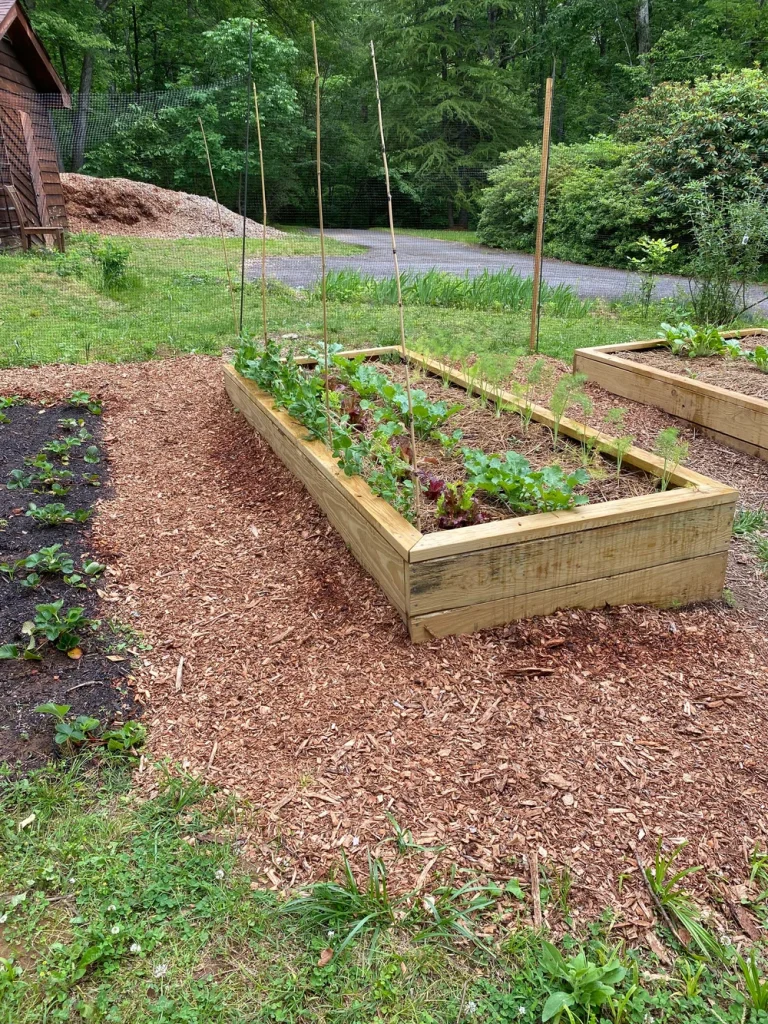
Are you wondering if you can put mulch at the bottom of your raised garden bed? It’s a question many gardeners ask when trying to boost plant growth and keep weeds at bay.
What if adding mulch beneath your soil could save you time, improve drainage, or even protect your plants? Keep reading to discover the surprising truth about using mulch this way—and learn the best tips to make your raised garden bed thrive like never before.

Credit: www.ollegardens.com
Benefits Of Mulch In Raised Beds
Mulch plays an important role in raised garden beds. It helps improve plant growth and keeps the soil healthy.
Using mulch in the bottom or on top of raised beds offers several benefits. These include saving water, controlling weeds, and managing soil temperature.
Moisture Retention
Mulch helps keep the soil moist by reducing water evaporation. This means plants need less frequent watering, which saves time and water.
It also helps the soil absorb water more evenly. This supports healthy root growth and reduces water runoff.
Weed Suppression
Mulch blocks sunlight from reaching weed seeds. This stops many weeds from growing in your raised bed.
- Reduces time spent pulling weeds
- Prevents weeds from stealing nutrients
- Keeps garden looking neat and tidy
Soil Temperature Control
Mulch helps keep soil temperature stable. It keeps soil cooler in the summer and warmer in the winter.
| Season | Soil Temperature Effect |
|---|---|
| Summer | Keeps soil cool and prevents overheating |
| Winter | Traps heat and protects roots from frost |
Types Of Mulch Suitable For Raised Beds
Mulch helps keep soil moist and reduces weeds in raised garden beds. Choosing the right mulch type is important for plant health.
This guide explains two main mulch types you can use in raised beds: organic and inorganic mulches.
Organic Mulches
Organic mulches come from natural materials. They break down over time and add nutrients to the soil.
- Wood chips – slow to decompose and good for moisture retention.
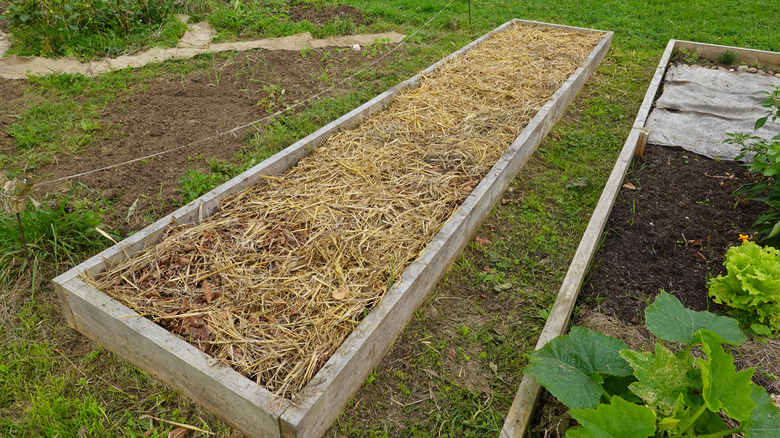
- Straw – light and easy to spread, helps keep soil cool.
- Leaves – shredded leaves improve soil texture as they break down.
- Grass clippings – add nitrogen but should be used in thin layers.
- Compost – enriches soil while keeping it moist.
Inorganic Mulches
Inorganic mulches do not break down. They control weeds and help soil stay warm.
| Type | Benefits | Considerations |
|---|---|---|
| Plastic sheeting | Blocks weeds and retains heat | May reduce water flow |
| Landscape fabric | Allows water through, controls weeds | Needs topping with gravel or bark |
| Gravel or stones | Long-lasting and good for drainage | Can heat soil too much in summer |
Placing Mulch At The Bottom: Pros And Cons
Many gardeners wonder if they can put mulch at the bottom of a raised garden bed. Mulch is often used on top of soil, but some try it below. This choice has both benefits and drawbacks.
This article looks at how mulch affects drainage and soil health when placed at the bottom of a raised bed.
Improved Drainage
Mulch at the bottom can help water drain faster. It creates space for water to flow through. This stops water from sitting in the soil too long.
Good drainage keeps plant roots from getting too wet. Wet roots can rot and harm plants. Mulch can act like a sponge and hold some water too.
- Allows excess water to flow out
- Prevents water buildup around roots
- Helps keep soil from becoming soggy
Potential Drainage Issues
Mulch at the bottom may block water if it is too thick or dense. This can cause water to pool and not drain well. Poor drainage can harm plants.
Some types of mulch break down quickly and turn into a dense layer. This layer can stop water from moving through the soil below. It can also trap moisture and cause root problems.
- Thick mulch layers may block water flow
- Decomposed mulch can form a hard layer
- Water might pool and cause root rot
Soil Health Impact
Mulch at the bottom can add organic matter as it breaks down. This helps improve soil texture and nutrients over time. It also supports beneficial soil life.
Still, if mulch is placed at the bottom, it might slow down soil warming in spring. Cold soil can delay plant growth. Using mulch on top is better for keeping soil warm.
- Improves soil nutrients as mulch decomposes
- Supports earthworms and microbes
- May slow soil warming if placed too deep
Credit: www.housedigest.com
Alternatives To Bottom Mulch
Placing mulch at the bottom of a raised garden bed is not always the best choice. It can trap moisture and cause root problems. Instead, use other materials to help with drainage and weed control.
These alternatives create a better environment for your plants to grow strong and healthy. They also help keep the soil in good condition.
Using Landscape Fabric
Landscape fabric is a popular option for the bottom of raised beds. It lets water pass through but blocks weeds from growing up.
This fabric helps keep your soil clean and prevents roots from growing into unwanted areas. It also stops soil from washing out of the bed.
- Allows water drainage
- Blocks weeds and grass
- Stops soil erosion
- Easy to cut and fit
Gravel Layers
Adding a layer of gravel at the bottom helps water drain away quickly. This stops the soil from becoming too wet and keeps roots healthy.
Gravel also provides a stable base for the soil above. It reduces the chance of soil compaction and improves airflow.
- Improves drainage
- Prevents waterlogging
- Keeps soil loose
- Supports plant roots
Expert Tips For Mulching Raised Beds
Mulching helps keep soil moist and controls weeds in raised garden beds. It also adds nutrients as it breaks down.
Many gardeners ask if mulch should go at the bottom of raised beds. This guide shares expert tips for mulching raised beds the right way.
Proper Layer Thickness
Mulch works best when applied in the right thickness. Too thin layers dry out fast. Too thick layers can block air and water.
For raised beds, keep mulch layers about 2 to 3 inches thick. This thickness keeps moisture and prevents weeds well.
- Less than 2 inches may dry out quickly
- More than 4 inches can cause root problems
- Keep mulch away from plant stems to stop rot
Timing For Mulching
Timing your mulch helps plants grow strong. Add mulch after the soil warms up in spring to protect moisture.
Mulch in early spring or late fall. Spring mulch keeps soil moist and cool. Fall mulch protects roots from winter cold.
- Mulch after planting seeds or seedlings
- Avoid mulching frozen or wet soil
- Refresh mulch layers yearly for best results
Avoiding Common Mistakes
Mulching has benefits, but some mistakes can harm plants. Avoid these to keep your garden healthy.
Do not put mulch at the bottom of raised beds under soil. This can block drainage and cause rot. Use mulch only on top.
- Do not pile mulch against plant stems
- Do not use fresh wood chips that can steal nitrogen
- Do not cover soil too thickly to avoid pests and mold
- Do not put mulch directly on bottom layers under soil

Credit: www.reddit.com
Frequently Asked Questions
Can You Put Mulch At The Bottom Of Raised Garden Beds?
Yes, you can put mulch at the bottom of raised beds. It helps improve drainage and suppress weeds. However, ensure proper layering to avoid waterlogging and promote healthy root growth.
Does Mulch Improve Soil Quality In Raised Beds?
Mulch breaks down over time, adding organic matter to the soil. This process enhances soil fertility, moisture retention, and microbial activity, benefiting plant growth in raised garden beds.
What Type Of Mulch Is Best For Raised Beds?
Organic mulches like straw, wood chips, or shredded leaves work best. They decompose naturally, enriching soil and regulating temperature. Avoid dyed or synthetic mulches that may harm plants.
Can Mulch Cause Problems If Placed At The Bottom?
If mulch is too thick or retains excess moisture, it can cause root rot. Proper layering and drainage are essential to prevent such issues in raised beds.
Conclusion
Mulch can benefit your raised garden bed in many ways. It improves soil moisture, keeps weeds away, and enriches the soil. Use organic mulch for added nutrients. Be mindful of the mulch layer thickness. Too thick might hinder water drainage.
Choose the right mulch type for your plants’ needs. Experimenting can help you find the best fit. A well-mulched bed supports healthy plant growth. Remember, every garden is unique. Adjust your approach as needed. Enjoy watching your garden thrive with the right mulch strategy.
Happy gardening!