As a parent, you’re always looking for ways to simplify your life while keeping your baby safe and healthy. One tiny item that can cause big questions is the pacifier.
After a long day of soothing your little one, you might wonder: Can you put pacifiers in the dishwasher? It’s a question that pops up frequently, and for good reason. Your baby’s health is your top priority, and you want to ensure everything they use is squeaky clean and sanitized.
But is the dishwasher a safe option for pacifiers, or could it cause more harm than good? Stick around as we dive into the details and uncover the best practices for keeping your baby’s pacifiers clean. You won’t want to miss these insights that could make your daily routine a little bit easier and worry-free.
Pacifier Safety And Hygiene
Keeping pacifiers clean is crucial for your baby’s health. Germs and bacteria can easily build up on pacifiers. This can cause infections or stomach problems for your child. Good hygiene helps protect your baby from illness. Safe cleaning habits also extend the life of the pacifier. Let’s explore why cleaning matters and the risks of not cleaning properly.
Why Clean Pacifiers Matter
Pacifiers touch your baby’s mouth many times a day. This makes them a hotspot for germs. Clean pacifiers reduce the chance of spreading bacteria and viruses. They help prevent oral infections and upset stomachs. Proper cleaning also removes dirt and milk residue. This keeps the pacifier fresh and safe for use.
Risks Of Improper Cleaning
Not cleaning pacifiers well can lead to health problems. Germs can cause thrush, colds, and diarrhea. Some bacteria may cause more serious infections. Dirty pacifiers may also cause bad odors and tastes. This can make your baby refuse to use them. Using unsafe cleaning methods may damage the pacifier. Damaged pacifiers pose choking hazards or leaks.
Dishwasher Cleaning Basics
Understanding the basics of dishwasher cleaning helps decide if pacifiers can go inside. Dishwashers use water, detergent, and heat to clean items thoroughly. Knowing how these parts work clarifies what items are safe to wash in the machine.
How Dishwashers Work
Dishwashers spray water through jets to remove dirt and food. The water mixes with detergent to break down grime. This mixture reaches all surfaces of the items inside. After washing, the dishwasher rinses the items with clean water. Finally, warm air dries everything to prevent spots and bacteria.
Heat And Detergent Effects
Heat in dishwashers helps kill germs and dries items fast. Detergents contain chemicals that remove oils and stains. These chemicals can be strong and may harm soft materials. High heat can warp or melt plastic items. Understanding these effects is key for safely washing pacifiers in the dishwasher.
Can You Put Pacifiers In The Dishwasher?
Pacifiers need regular cleaning to stay safe for babies. Many parents wonder if putting pacifiers in the dishwasher is okay. The answer depends on several factors like the pacifier’s material and the manufacturer’s advice. Understanding these details helps keep pacifiers clean without damage.
Material Matters
Pacifiers come in different materials such as silicone, latex, and rubber. Silicone pacifiers usually handle dishwasher heat well. They can be placed on the top rack for safety.
Latex and rubber pacifiers are softer and might get damaged by high heat. The dishwasher can make them brittle or cause cracks. Hand washing these types with warm soapy water is safer.
Plastic parts on pacifiers may melt or warp if placed near the dishwasher’s heating element. Always check the pacifier’s material before using the dishwasher to avoid damage.
Manufacturer Recommendations
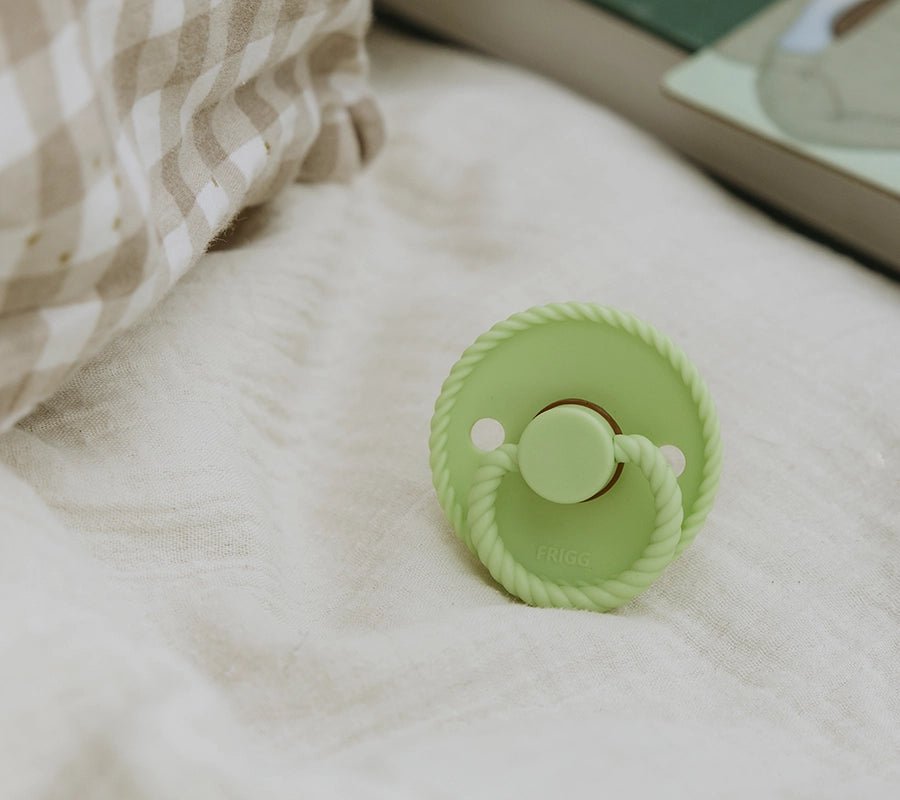
Always check the packaging or label of the pacifier. Manufacturers often provide cleaning instructions specific to their products. Some pacifiers are dishwasher safe, while others are not.
Following the manufacturer’s advice helps maintain the pacifier’s shape and safety. Using the dishwasher against instructions can void warranties or reduce the product’s lifespan.
When in doubt, hand washing with mild soap is a gentle and effective option. This method avoids heat damage and removes germs safely.
Credit: frigg.com
Best Practices For Dishwasher Cleaning
Cleaning pacifiers in the dishwasher can be a real time-saver, but doing it right matters a lot. You want to make sure they come out spotless without getting damaged. Here are some best practices to help you get the most out of your dishwasher cleaning routine for pacifiers.
Placement Tips
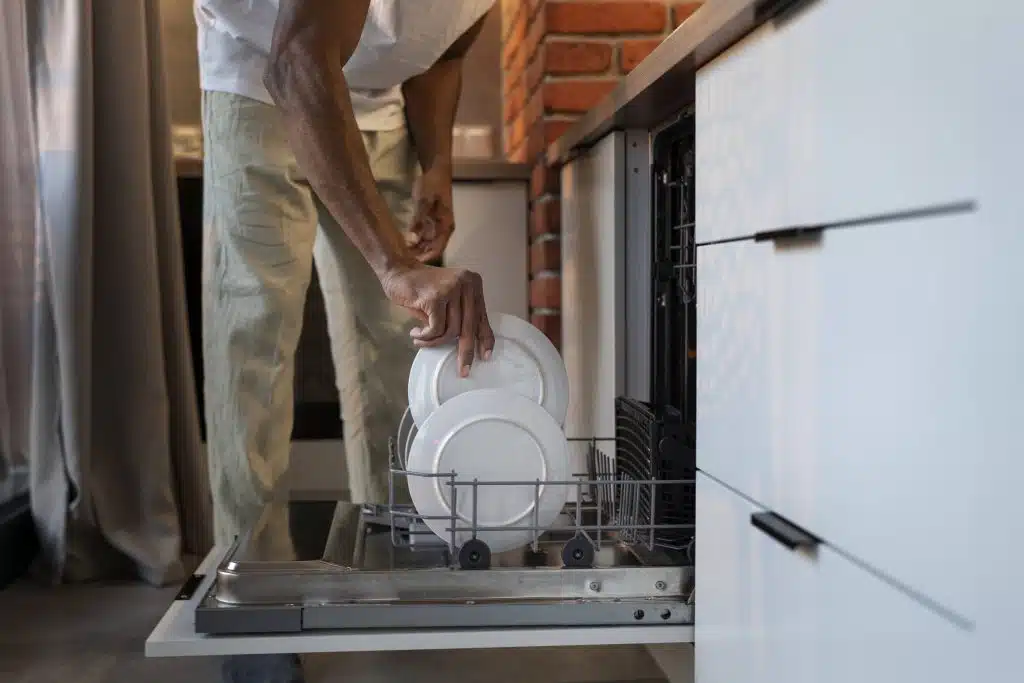
Where you place the pacifiers in the dishwasher affects how clean they get and if they stay intact. Always put pacifiers in the top rack to avoid exposure to the heating element at the bottom, which can melt or warp them.
Use a dishwasher basket or a mesh bag to keep small parts from falling through the rack. This also prevents them from bouncing around during the cycle, which can cause damage.
Have you noticed that some dishwasher models have a designated area for baby items? If yours does, use it—it’s designed for gentle cleaning.
Cycle Selection
Choosing the right cycle helps protect pacifiers while ensuring they are hygienic. Avoid heavy-duty or high-heat cycles because they can degrade silicone or plastic materials over time.
Opt for a gentle or baby care cycle if your dishwasher has one. These settings usually use lower temperatures and a softer wash action.
Running a quick rinse before the full cycle can help remove milk residue, making the cleaning process more effective.
Drying Methods
How you dry pacifiers after washing is just as important as how you clean them. Avoid using the dishwasher’s heated dry option; high heat can cause pacifiers to lose shape.
Instead, open the dishwasher door after the cycle ends and let pacifiers air dry inside. This reduces heat exposure and keeps them safe.
If you’re in a hurry, gently pat them dry with a clean towel, but avoid rubbing too hard to prevent scratches.
Alternative Cleaning Methods
Keeping pacifiers clean is essential for your baby’s health. While the dishwasher can be convenient, there are other effective ways to sanitize pacifiers. These alternative methods ensure your little one’s pacifier stays germ-free without relying solely on the dishwasher.
Boiling Water
Boiling water is a simple and reliable way to sterilize pacifiers. Just drop the pacifiers into a pot of boiling water for about 5 minutes. This kills most germs and bacteria without using chemicals.
Make sure to watch the time closely to avoid melting or damaging the pacifier. After boiling, let them cool on a clean surface before giving them back to your baby.
Sterilizing Devices
Electric sterilizers and microwave steam sterilizers offer a quick and easy cleaning option. These devices use high heat steam to kill bacteria effectively. They are designed to handle multiple pacifiers at once, saving you time.
Using a sterilizing device can also reduce wear and tear on pacifiers compared to harsh washing methods. Have you tried one? Many parents find these devices a game-changer for daily pacifier care.
Hand Washing
If you prefer a more hands-on approach, hand washing is a good choice. Use warm water and mild soap, scrubbing the pacifier thoroughly. Rinse well to remove all soap residues.
This method allows you to inspect the pacifier closely for cracks or damage. It’s a gentle way to clean, especially when you’re on the go and don’t have access to other tools.

Credit: frigg.com
Maintaining Pacifier Hygiene Between Washes
Keeping pacifiers clean between washes helps protect your baby from germs. Proper hygiene ensures safety and comfort. Small habits make a big difference in maintaining cleanliness.
Storage Solutions
Store pacifiers in a clean, dry container. Avoid leaving them exposed to dust or dirt. Use a pacifier case or sealed box to keep them safe. Portable cases work well for travel and outings. Change storage containers regularly to prevent mold or bacteria buildup.
Regular Inspection
Check pacifiers often for damage or wear. Look for cracks, tears, or discoloration. Replace any pacifier showing signs of damage immediately. Inspect for sticky residue or dirt before each use. Clean pacifiers promptly if they appear dirty between washes.

Credit: frigg.com
Frequently Asked Questions
Can Pacifiers Be Safely Cleaned In A Dishwasher?
Yes, many pacifiers are dishwasher-safe. Check the manufacturer’s label first. Use the top rack and a gentle cycle to avoid damage.
How Often Should Pacifiers Be Washed In A Dishwasher?
Wash pacifiers daily if used frequently. Regular cleaning prevents bacteria buildup and keeps them hygienic for your baby’s health.
Does Dishwasher Cleaning Damage Pacifiers?
Dishwasher heat may cause some pacifiers to warp. Always verify if your pacifier is dishwasher-safe to avoid damage or reduced lifespan.
Can Dishwasher Detergents Harm Pacifiers?
Some detergents contain harsh chemicals. Use mild, baby-safe detergent or rinse pacifiers thoroughly after washing to ensure no residue remains.
Conclusion
Dishwashers can clean pacifiers safely if used correctly. Place pacifiers on the top rack to avoid heat damage. Use a gentle cycle and avoid harsh detergents. Regular cleaning helps keep pacifiers free from germs. Always check the manufacturer’s instructions before washing.
Hand washing is a good option for delicate or special pacifiers. Clean pacifiers help keep babies healthy and happy. Simple care makes a big difference in daily baby routines.