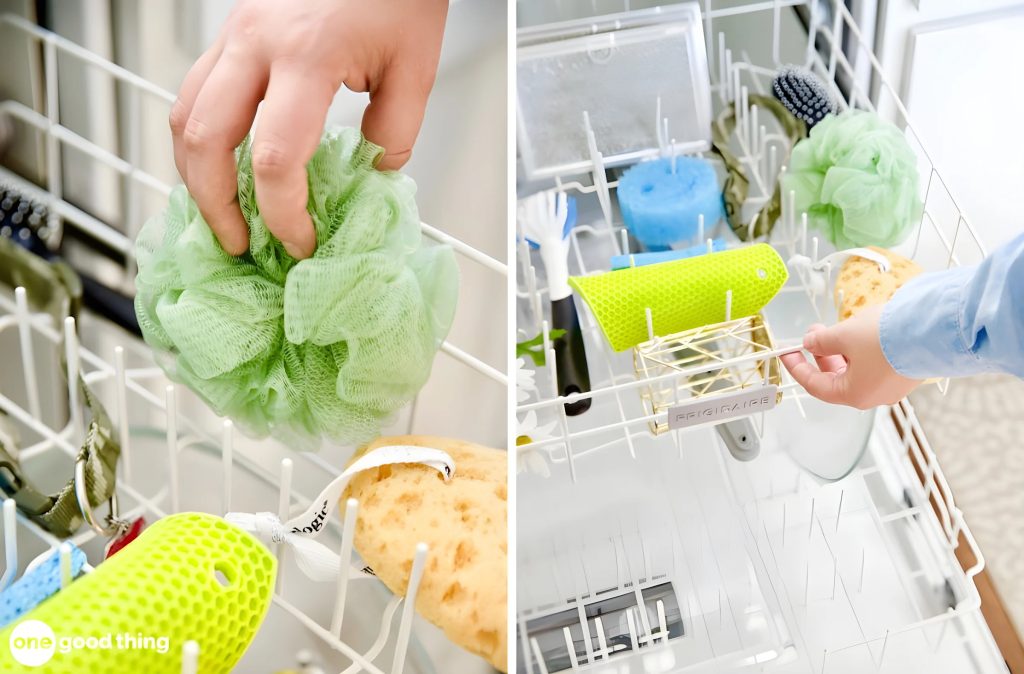
Have you ever found yourself standing in your kitchen, holding a plastic container, and wondering, “Can I put this in the dishwasher?” You’re not alone.
This question pops into your mind more often than you’d like to admit, especially when you’re trying to save time on cleaning. But before you toss that plastic item onto the top rack, it’s crucial to know whether it’s dishwasher-safe.
The wrong move could lead to warped containers, harmful chemical release, or even a damaged dishwasher. We’ll unravel the mystery and provide you with the confidence to make the right decision every time. Discover the secrets to keeping your kitchenware intact while ensuring your peace of mind. Keep reading to find out if your favorite plastic items can survive the spin cycle!

Credit: food52.com
Plastic Types And Dishwasher Safety
Not all plastics are created equal when it comes to dishwasher safety. Knowing which types of plastic can handle the heat and water pressure inside your dishwasher helps you avoid warping, melting, or even harmful chemical leaching. Let’s dive into how you can identify safe plastics and what to watch out for.
Identifying Dishwasher-safe Plastics
Look for plastics labeled as dishwasher-safe. These are designed to withstand high temperatures and the dishwasher’s water jets without damage.
- Common dishwasher-safe plastics include polypropylene (PP) and certain types of polyethylene (PE).
- They usually feel sturdy and have a higher melting point compared to other plastics.
- Items like plastic food containers, some reusable water bottles, and kitchen utensils often fall into this category.
Have you ever noticed a plastic container warping after one dishwasher cycle? That’s a clear sign it wasn’t meant for dishwasher use.
Common Plastics To Avoid
Certain plastics should never go in the dishwasher because they can melt or release harmful chemicals.
- Polystyrene (PS), often used in disposable cups and cutlery, can deform easily under heat.
- Polyvinyl chloride (PVC) is another type that can release toxins when heated.
- Thin, cheap plastics tend to crack or warp quickly, even if not labeled specifically.
Think twice before tossing those flimsy plastic containers into your dishwasher. Is it really worth the risk of ruining them or contaminating your dishes?
Symbols And Labels On Plastic Items
Plastic items usually have identification symbols on the bottom that tell you about their material and dishwasher compatibility.
| Symbol | Plastic Type | Dishwasher Safety |
|---|---|---|
| ♳ (PP) | Polypropylene | Generally dishwasher safe |
| ♴ (LDPE) | Low-Density Polyethylene | Use with caution; may warp |
| ♵ (HDPE) | High-Density Polyethylene | Usually safe |
| ♶ (PVC) | Polyvinyl Chloride | Not dishwasher safe |
| ♷ (PS) | Polystyrene | Not dishwasher safe |
Next time you’re unsure about a plastic item, take a moment to check for these symbols. It’s a simple step that can save you from replacing damaged items and avoid potential health risks.
Heat Effects On Plastic In Dishwashers
Heat from dishwashers can affect plastic items in several ways. High temperatures inside the dishwasher may cause damage to some plastics. Understanding these effects helps protect your plasticware and keeps it safe for daily use.
Melting And Warping Risks
Plastic items can melt or warp due to dishwasher heat. Thin or low-quality plastics are more vulnerable. Warping changes the shape and fit of containers. Melting can cause permanent damage and ruin the item. Avoid placing plastic not labeled dishwasher safe in the dishwasher.
Chemical Leaching Concerns
Heat may cause plastics to release chemicals into food or water. This happens especially with older or cheaper plastics. Some chemicals can be harmful to health. Using dishwasher-safe plastics reduces this risk. Rinse plastic items thoroughly before placing them in the dishwasher.
Impact On Plastic Durability
Repeated heat exposure can weaken plastic over time. It may cause cracks or brittleness. The color and texture might fade or change. Durable plastics designed for dishwashers last longer. Hand washing is safer for delicate or thin plastic items.
Best Practices For Washing Plastic
Washing plastic in the dishwasher can be tricky if you want to keep your items safe and your machine running smoothly. Plastics vary widely, so knowing how to handle them correctly is key. Here’s how you can protect your plastic dishes and containers while ensuring a thorough clean.
Placement Tips In The Dishwasher
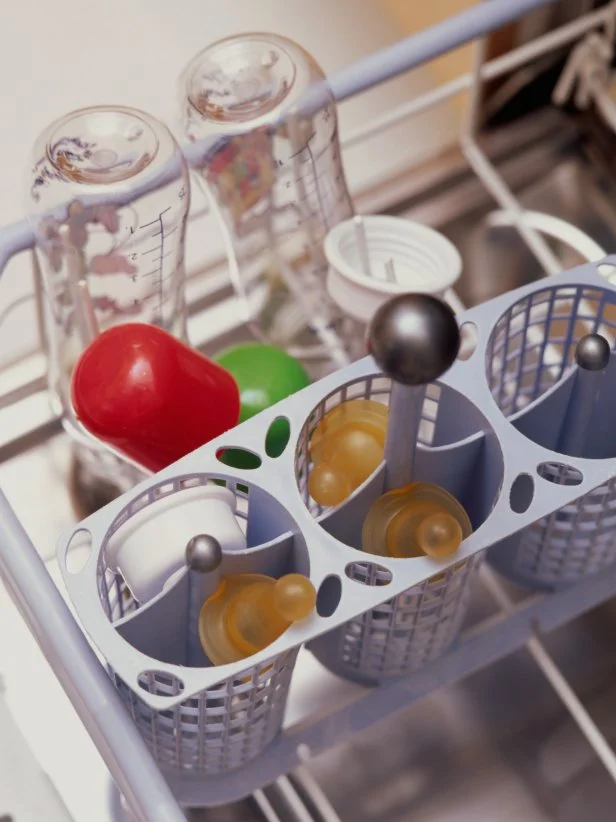
Always place plastic items on the top rack of your dishwasher. The heating element is usually at the bottom, and placing plastic there can cause warping or melting.
Make sure the plastic pieces are secure and won’t flip over during the cycle. Loose items might fill with water and come out dirty.
Keep small plastic lids or cups inside larger dishwasher-safe containers to prevent them from falling through the racks.
Choosing The Right Cycle And Temperature
Opt for a gentle or eco-friendly cycle that uses lower temperatures. High heat can damage plastic by causing it to warp or degrade.
Check the plastic item for dishwasher-safe symbols or temperature limits. If you’re unsure, hand washing might be safer.
Think about your plastic items’ age and quality—older plastics can become brittle and more vulnerable to heat damage.
Using Dishwasher Detergents Safely
Use detergents that are designed to be gentle on plastics. Harsh detergents can cause cloudiness or surface damage over time.
Avoid using too much detergent as residue can stick to plastic and affect taste or smell.
Have you noticed some plastics developing a film after dishwasher use? Trying a different detergent or rinsing plastics before loading can make a difference.
Credit: www.foodnetwork.com
Alternatives To Dishwasher Cleaning
Not all plastics are safe for the dishwasher, and even those labeled dishwasher-safe can sometimes warp or degrade over time. If you want to keep your plastic items looking new and ensure they are properly cleaned, there are reliable alternatives to relying on the dishwasher. These methods give you more control over the cleaning process and help extend the life of your plastics.
Handwashing Techniques For Plastics
Start by rinsing plastic items with warm water to remove loose food particles. Use a soft sponge or cloth with mild dish soap to gently scrub the surface. Avoid abrasive scrubbers, as they can scratch and weaken the plastic.
Pay special attention to corners and crevices where grime can hide. If you have stubborn stains, soak the plastic in warm soapy water for 10-15 minutes before scrubbing. Have you noticed how handwashing can sometimes get plastics cleaner than the dishwasher, especially on delicate items?
Using Sanitizers And Safe Cleaners
After washing, you can sanitize plastics using a solution of diluted white vinegar or a few drops of bleach mixed with water. This step helps kill bacteria without harsh chemicals that might damage your items.
Make sure to rinse thoroughly after sanitizing to remove any residue. If you prefer commercial products, look for those labeled safe for plastics and food contact surfaces. Have you tried natural sanitizers like vinegar? They’re surprisingly effective and gentle on plastics.
Drying And Storing Plastic Items
Dry plastics immediately after washing to prevent water spots and bacterial growth. Use a clean towel or air dry them upside down on a drying rack.
Store plastic items in a cool, dry place away from direct sunlight to avoid warping or fading. Keeping your plastics dry and well-stored can make a big difference in their durability over time. How often do you check your storage spots for moisture buildup?
Health And Environmental Considerations
Using plastic in the dishwasher raises important health and environmental questions. Some plastics release chemicals when heated. These chemicals can harm health. The environment also suffers from plastic pollution. Choosing the right plastics and cleaning methods helps reduce risks.
Avoiding Harmful Chemicals
Not all plastics are dishwasher safe. Heat can cause some plastics to leach toxins. BPA and phthalates are common harmful chemicals found in some plastics. These chemicals may affect hormone balance and cause health problems. Always check if plastic items are labeled dishwasher safe. Use lower heat settings to reduce chemical release.
Reducing Plastic Waste
Plastic waste harms oceans and wildlife. Dishwashing plastic items multiple times helps reduce single-use plastic waste. Avoid throwing away plastics after one use. Properly washed plastics last longer and create less trash. Recycling plastic after it wears out also lowers environmental impact.
Eco-friendly Plastic Choices
Some plastics are safer and more eco-friendly. Look for plastics marked with recycling codes 1, 2, or 5. These plastics resist heat and release fewer chemicals. Biodegradable and compostable plastics are better options but check if dishwasher use is safe. Choosing reusable containers made from glass or stainless steel is best for health and the planet.

Credit: www.newscientist.com
Frequently Asked Questions
Can All Plastic Items Go In The Dishwasher?
Not all plastics are dishwasher-safe. Check the item’s label for a dishwasher-safe symbol. Heat can warp or melt some plastics.
How To Identify Dishwasher-safe Plastic?
Look for symbols like a dishwasher icon or “top rack only” label. These indicate the plastic can handle dishwasher heat.
Why Do Some Plastics Warp In The Dishwasher?
High water temperature and direct heat can deform plastic. Thin or low-quality plastics are more prone to warping.
Is It Better To Wash Plastic By Hand?
Hand washing prevents heat damage and extends plastic’s life. Use mild soap and warm water for best results.
Conclusion
Plastic can go in the dishwasher, but with some care. Check if the item is dishwasher safe. Place plastics on the top rack to avoid heat damage. Use a gentle cycle to keep them in good shape. Avoid washing thin or cracked plastics this way.
Taking these steps helps plastics last longer and stay clean. Keep your dishwasher routine simple and safe for your plastic items. Small actions protect your dishes and your machine. Easy to follow and good for everyday use.