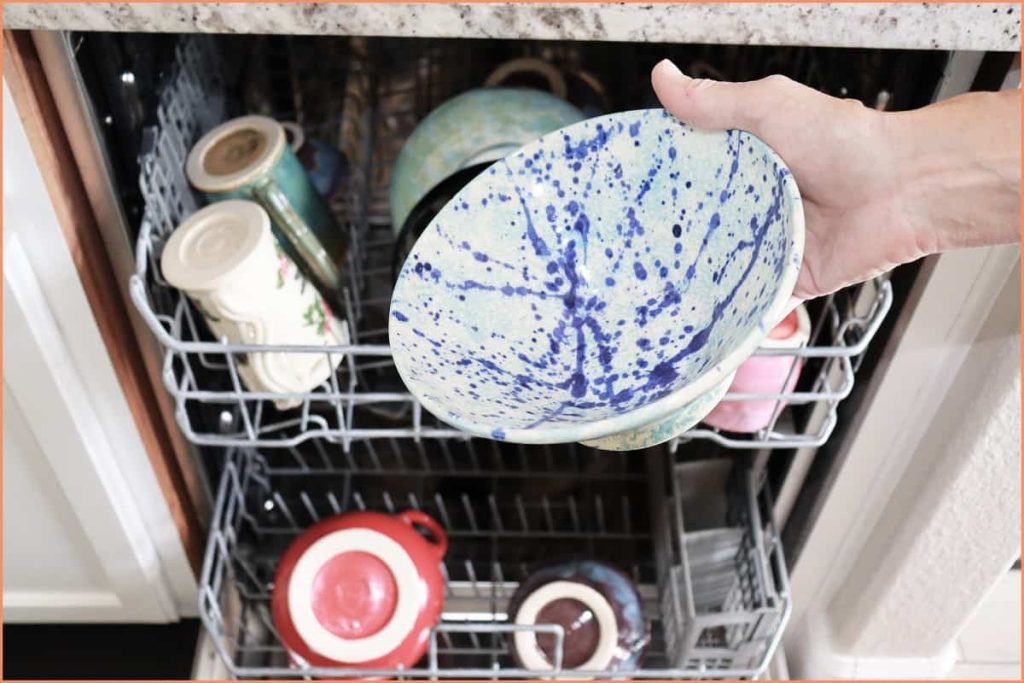
Have you ever stood in your kitchen, staring at your beautiful porcelain dishes, wondering if you can safely pop them into your dishwasher? You’re not alone.
This question stirs a mixture of curiosity and concern in many. After all, you want to keep your porcelain pristine while also enjoying the convenience of modern appliances. Imagine the peace of mind knowing the right choice for your cherished dinnerware.
We’ll uncover the truth behind porcelain and dishwashers, helping you make the best decision for your home. Stick around, and you might discover some surprising insights that could save you time, effort, and even money.
Porcelain Basics
Porcelain is a popular ceramic material known for its strength and beauty. It is made by heating raw materials at high temperatures. This process makes porcelain hard, white, and translucent. Many people use porcelain for dishes, cups, and decorative items. Understanding the basics helps in caring for porcelain correctly.
Types Of Porcelain
- Hard-paste porcelain:Made from kaolin and fired at very high temperatures. It is strong and durable.
- Soft-paste porcelain:Fired at lower temperatures and less durable than hard-paste. It often has a creamy texture.
- Bone china:Contains bone ash, making it very strong and lightweight. It has a smooth, white finish.
Common Uses In Dinnerware
Porcelain is widely used for making dinnerware due to its elegance and durability. It includes:
- Plates and bowls
- Cups and saucers
- Serving dishes and platters
- Teapots and coffee sets
Its smooth surface resists stains and absorbs little liquid. Porcelain adds a classic touch to dining tables. It is also easy to clean with proper care.
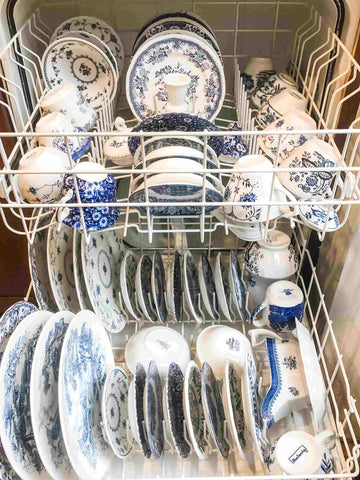
Credit: thebrooklynteacup.com
Dishwasher Safety
Dishwasher safety is essential when cleaning porcelain items. Porcelain is delicate and can react differently to dishwasher conditions. Understanding how dishwashers affect porcelain helps keep your items looking new and undamaged.
Heat And Detergent Effects
Dishwasher heat can cause porcelain to crack or fade over time. High temperatures stress the material, especially if porcelain has decorative finishes. Detergents in dishwashers contain strong chemicals. These chemicals may dull the glaze or wear away painted designs.
Repeated exposure to hot water and detergent can weaken porcelain’s surface. Some modern dishwashers have gentler cycles designed for delicate items. Using mild detergent and lower heat settings protects porcelain better.
Potential Damage Risks
Porcelain can chip or crack from dishwasher sprays hitting it hard. Items may knock against each other during the wash cycle. This movement increases the risk of breakage. Glued parts or delicate handles may loosen or fall off.
Not all porcelain is dishwasher safe. Antique or hand-painted porcelain is especially vulnerable. Always check the manufacturer’s guidelines before washing porcelain in the dishwasher. Hand washing remains the safest option for valuable or fragile pieces.
Porcelain Dishwasher Compatibility
Porcelain is a popular choice for dinnerware due to its elegant look and durability. Understanding if porcelain can go in the dishwasher is essential to keep it safe and beautiful. Not all porcelain items handle dishwasher cleaning the same way. Porcelain dishwasher compatibility depends on several factors like manufacturing, glaze, and design.
Manufacturer Guidelines
Check the manufacturer’s instructions before placing porcelain in the dishwasher. Many brands label their products as dishwasher safe or hand wash only. Guidelines often include:
- Recommended water temperature
- Suitable detergent types
- Placement advice to avoid chipping
- Warnings about delicate patterns or gold trims
Following these rules helps prevent damage and extends the life of your porcelain.
Signs Porcelain Is Dishwasher Safe
Look for clear signs that porcelain can withstand dishwasher cycles. These include:
- Labels stating “dishwasher safe” or similar wording
- Plain white or solid colors without metallic accents
- Thick, durable glaze that resists chipping
- Even surface without cracks or crazing
Porcelain with gold or silver trims often requires hand washing. Avoid dishwasher use if unsure, as damage can be costly and irreversible.

Credit: creeklifestyle.co.uk
Hand Washing Porcelain
Hand washing porcelain is often the safest way to keep your delicate dishes looking their best. While dishwashers offer convenience, porcelain can sometimes be sensitive to harsh detergents and high temperatures. Taking a few extra moments to wash by hand can protect the fine details and prevent damage.
Best Practices
Start by rinsing your porcelain with warm water to remove any loose food particles. Use a soft sponge or cloth—avoid anything abrasive that could scratch the surface. Always wash gently in a circular motion to preserve any painted or gilded designs.
Don’t let your porcelain soak for too long, especially if it has gold or silver trim. Dry immediately with a soft towel to avoid water spots. Have you noticed how hand washing can actually extend the life of your favorite plates?
Recommended Cleaning Supplies
Choose a mild dish soap free from harsh chemicals and dyes. Avoid bleach or ammonia-based cleaners which can damage the glaze. A soft microfiber cloth or sponge works best for cleaning without scratching.
For stubborn stains, mix a paste of baking soda and water and gently rub it on the affected area. Rinse thoroughly afterward. Would you believe something as simple as baking soda can refresh your porcelain without any risk?
Tips For Dishwasher Use
Using your dishwasher for porcelain items can save time, but it requires careful handling to keep your pieces looking perfect. Knowing how to load your porcelain correctly, selecting the appropriate wash cycle, and steering clear of common mistakes will make all the difference. Let’s dive into practical tips that protect your porcelain while making dishwashing hassle-free.
Loading Porcelain Safely
Place porcelain items securely so they don’t move during the wash. Avoid overcrowding the dishwasher, as this increases the risk of chips or cracks from banging against other dishes.
Keep delicate pieces separated by using the top rack, which is gentler and further from the heating element. Use dishwasher racks with soft or rubber-coated prongs to prevent scratching the surface.
Choosing The Right Cycle
Opt for a gentle or china/crystal cycle whenever possible. These cycles use lower water pressure and milder temperatures, reducing stress on fragile porcelain.
Skip heavy-duty or pots-and-pans cycles, even if your porcelain is sturdy. High heat and strong jets can cause damage over time, dulling the finish or causing cracks.
Avoiding Common Mistakes
- Don’t mix porcelain with metal utensils or abrasive items in the same wash. Metals can scratch and dull porcelain surfaces.
- Avoid using harsh detergents with bleach or lemon that can erode glaze or decoration.
- Check if your porcelain has any hand-painted or gold trim, which often isn’t dishwasher safe.
- Never force large or awkwardly shaped porcelain pieces into the dishwasher; washing by hand might be safer.
Have you ever noticed a fine crack or dull spot appear after dishwashing your best porcelain? That might be a sign to rethink your dishwasher routine. Treat your porcelain with care, and it will keep its beauty for many meals to come.

Credit: potterycrafters.com
Maintaining Porcelain Shine
Keeping your porcelain looking shiny and new requires more than just gentle washing. Over time, porcelain can lose its luster due to dulling from improper cleaning or storage. The right care techniques help preserve that smooth, glossy finish that makes your pieces special.
Polishing Techniques
Polishing porcelain is a simple way to restore its shine without risking damage. Use a soft, lint-free cloth and a small amount of mild polishing compound or even toothpaste. Rub gently in circular motions to avoid scratching the surface.
If you prefer natural options, a mixture of baking soda and water can work as a gentle abrasive. Apply it carefully, then rinse thoroughly and dry with a soft cloth. Have you ever noticed how a quick polish can bring back that original brightness on your favorite cup?
Storage Suggestions
How you store porcelain greatly affects its shine. Avoid stacking pieces directly on top of each other without protection, as this can cause scratches or chips. Use felt pads or soft cloths between items to keep surfaces safe.
Keep porcelain away from extreme temperature changes, which can cause cracks or dullness. Store in a dry, dust-free cabinet with good airflow. Would you consider reorganizing your china cabinet to give your porcelain room to breathe and shine?
Frequently Asked Questions
Can Porcelain Dishes Go In The Dishwasher Safely?
Yes, most porcelain dishes are dishwasher safe. However, avoid high heat settings to prevent cracks or fading of designs.
Does Dishwasher Detergent Damage Porcelain?
Harsh detergents can dull porcelain’s finish. Use mild detergent and avoid bleach to keep your porcelain looking new.
How To Prevent Porcelain Chipping In The Dishwasher?
Place porcelain items securely and avoid overcrowding. Use a gentle cycle and low heat drying to reduce chipping risks.
Can Dishwasher Damage Porcelain With Gold Or Silver Trim?
Yes, dishwasher heat and detergent may damage metallic trims. Hand wash these items to preserve their decorative finishes.
Conclusion
Porcelain can usually go in the dishwasher, but be cautious. Use a gentle cycle and mild detergent to protect your items. Avoid overcrowding the dishwasher to prevent chips or cracks. Hand washing remains the safest way for delicate or antique porcelain.
Taking simple steps helps keep your porcelain clean and lasting longer. Always check the manufacturer’s care instructions before washing. Small efforts make a big difference in maintaining your porcelain’s beauty. Choose what fits your porcelain’s needs best.