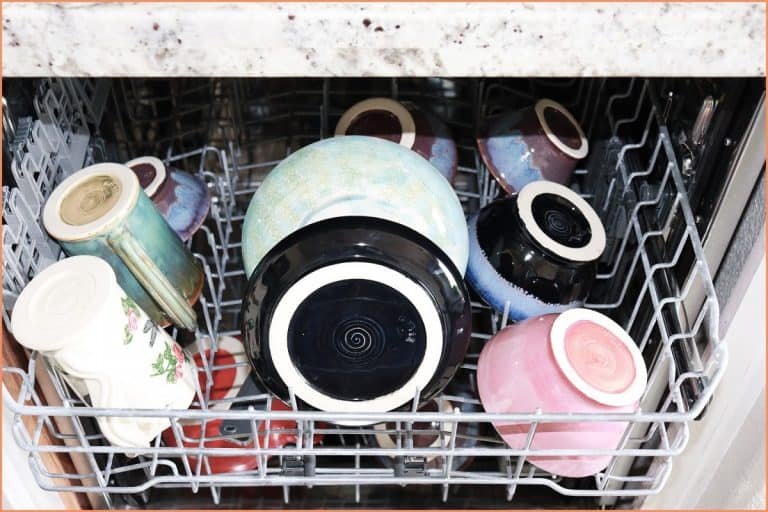
Are you tired of hand-washing your stoneware dishes and wondering if you can just pop them in the dishwasher instead? You’re not alone.
With busy schedules and endless to-do lists, the convenience of using a dishwasher is undeniably tempting. But, before you take the plunge, it’s crucial to know how your stoneware will fare in that high-powered cleaning environment. We’ll dive into the details of whether your beloved stoneware can safely take a ride in the dishwasher without damage.
Stay with us to discover how you can effortlessly maintain the beauty and longevity of your stoneware while still enjoying the convenience of your dishwasher.

Credit: www.reddit.com
Stoneware Durability
Understanding stoneware durability is key before deciding if it belongs in your dishwasher. Stoneware is known for its robustness, but its strength varies depending on its material makeup and finish. Let’s break down what really affects its ability to withstand dishwasher cycles.
Material Strength
Stoneware is made from dense clay fired at high temperatures, which gives it impressive toughness. This density makes it less prone to chipping and cracking compared to other ceramics. However, not all stoneware is created equal—some brands use softer clays or lower firing temperatures, making their products more fragile.
Think about your own stoneware pieces: do they feel heavy and solid, or lighter and more delicate? Heavier, denser pieces usually handle dishwasher heat and water pressure better. If you’ve ever noticed fine cracks or crazing after washing, that could be a sign your stoneware isn’t fully durable enough for dishwasher use.
Glaze Impact
The glaze on stoneware plays a huge role in its durability, especially in a dishwasher environment. A well-applied, high-quality glaze seals the surface, protecting it from water absorption and stains. It also helps prevent scratches from utensils or dishwasher racks.
On the flip side, thin or poorly applied glazes can wear down after repeated dishwasher cycles, leading to dullness or even tiny cracks. If your stoneware has a matte or rough finish, it might be more vulnerable to damage. Does your stoneware’s surface feel smooth and glassy, or rough and uneven? This simple test can hint at how well it will hold up.
Have you ever noticed your stoneware looking worn after a few dishwasher runs? That’s a direct impact of glaze quality. To keep your pieces looking fresh, you might want to hand wash those with delicate or matte finishes instead.
Dishwasher Safety
Understanding dishwasher safety is essential if you want to keep your stoneware looking great and lasting longer. Stoneware is known for its durability, but the dishwasher environment can sometimes be tough on it. Let’s look closely at how heat, water, and detergent affect your stoneware during a dishwasher cycle.
Heat And Water Effects
Dishwashers use high temperatures to clean dishes effectively, but these intense heat levels can cause stoneware to crack or weaken over time. Rapid changes from hot water to cooler drying cycles may create stress in the material. Have you noticed tiny cracks appearing on your stoneware after several washes?
Water pressure inside a dishwasher is strong enough to remove stuck-on food, yet it can also chip delicate edges. If your stoneware has any imperfections or glaze issues, the forceful jets could worsen these problems. Consider placing your stoneware on the top rack where the water pressure is generally lower.
Detergent Concerns
Dishwasher detergents are designed to be powerful, which might sound good for cleaning but can be harsh on stoneware surfaces. Some detergents contain chemicals that gradually dull the glaze or cause discoloration. Have you ever seen your favorite mug lose its shine after a few dishwasher cycles?
To protect your stoneware, choose detergents labeled as gentle or free from bleach and phosphates. Another tip is to avoid using too much detergent since excess suds won’t clean better but may leave residues. If you want to extend the life of your stoneware, hand washing with mild soap might still be the safest bet.
Manufacturer Guidelines
Understanding manufacturer guidelines is key to caring for your stoneware properly. These guidelines give you clear instructions on whether your stoneware is safe for dishwasher use. Ignoring them can lead to damage or void your warranty.
Label Instructions
Always check the label or packaging that comes with your stoneware. Manufacturers often include specific washing instructions right on the product or its box. If the label says “dishwasher safe,” you can put it in the dishwasher without worry.
However, some stoneware items might be marked as “hand wash only” or have no mention of dishwashers at all. In these cases, it’s safer to wash by hand to avoid cracking or fading. Have you ever noticed your stoneware’s finish dulling after a dishwasher cycle? That’s a sign to revisit these instructions.
Warranty Considerations
Your stoneware’s warranty often depends on following the manufacturer’s care instructions exactly. Using a dishwasher against the guidelines can void your warranty, leaving you with no recourse if the item breaks or chips. This is especially important for high-end or handcrafted pieces.
If you’re unsure about the dishwasher safety of your stoneware, contact the manufacturer or check their website. Protecting your investment means respecting these rules—even if washing by hand feels like extra work. Would you risk losing your warranty just to save a few minutes?
Hand Washing Benefits
Choosing to hand wash your stoneware can make a big difference in how long your pieces last and look. While dishwashers offer convenience, hand washing provides benefits that help maintain the quality of your stoneware over time. Let’s dive into why picking up a sponge instead of loading the dishwasher might be worth your effort.
Preserving Finish
Stoneware often has a delicate glaze that gives it its unique look. Harsh dishwasher detergents and high water temperatures can dull this finish quickly. When you wash by hand, you control the water temperature and use gentle soap, which keeps the glaze vibrant.
Think about the last time you noticed your favorite mug losing its shine. That’s often the dishwasher’s doing. Hand washing helps maintain the original beauty, so your pieces stay eye-catching for years.
Preventing Damage
Stoneware can chip or crack in the dishwasher due to the forceful water jets and tight packing. Hand washing lets you handle each piece carefully, reducing the risk of accidental knocks or bumps.
Have you ever seen a cracked plate after a dishwasher cycle? You can avoid those frustrating moments by washing your stoneware gently. Plus, hand washing lets you spot any small chips early before they worsen.
Cleaning Tips For Stoneware
Stoneware needs gentle care to keep its beauty and durability. Proper cleaning helps avoid damage and stains that dull its look. Use simple and safe methods for best results. Avoid harsh chemicals or tools that can scratch the surface. Follow these tips to clean stoneware effectively.
Stain Removal
Stains can appear on stoneware from food or drinks. Use baking soda mixed with water to make a paste. Apply the paste on the stain and let it sit for 15 minutes. Gently scrub with a soft cloth or sponge. Rinse with warm water and dry with a towel. Repeat if the stain is strong.
Avoiding Abrasives
Abrasive cleaners can scratch stoneware and ruin its finish. Stay away from steel wool, rough brushes, or harsh powders. Use soft sponges or cloths for cleaning. Choose mild dish soap and warm water instead of strong detergents. Handle stoneware with care to keep it smooth and shiny.

Credit: potterycrafters.com
Storage And Maintenance
Proper storage and maintenance of your stoneware can extend its life and keep it looking great. Stoneware is durable but still requires careful handling to avoid cracks or chips. Paying attention to how you dry and stack your pieces can make a big difference over time.
Proper Drying
After washing, always dry your stoneware completely before storing it. Leaving it damp can cause moisture to get trapped, leading to unpleasant odors or even mold. Use a soft cloth or air dry the pieces in a well-ventilated area.
Have you ever noticed a musty smell from your stored dishes? That’s often a sign of improper drying. Take a few extra minutes to ensure each item is fully dry—it’s a small step that protects your investment.
Safe Stacking
Stacking stoneware incorrectly can cause scratches and chips. To avoid damage, place a soft cloth or paper towel between each item. This simple barrier prevents direct contact and reduces friction.
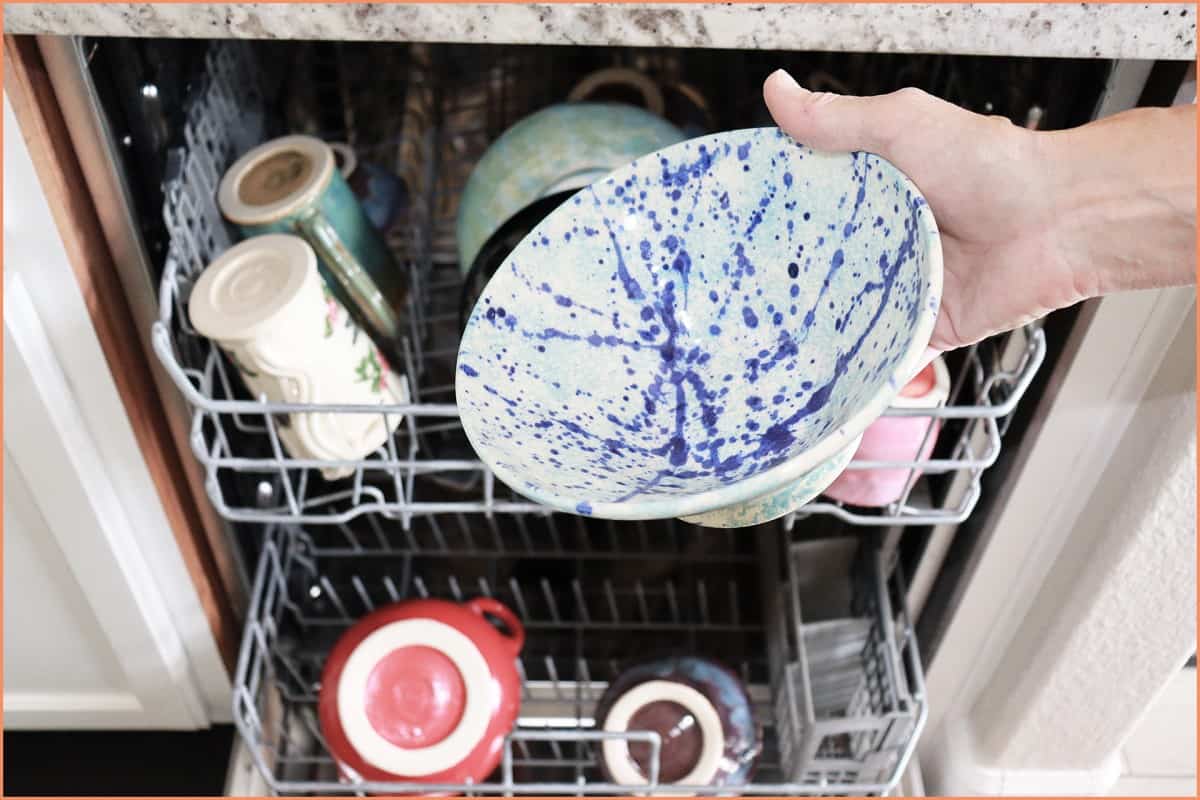
Think about how you stack your plates or bowls in the dishwasher—are they touching tightly? The same principle applies to storage. Give your stoneware some breathing room, and it will stay in better condition for longer.
Credit: potterycrafters.com
Frequently Asked Questions
Can Stoneware Safely Go In The Dishwasher?
Yes, most stoneware is dishwasher safe. However, check the manufacturer’s guidelines to avoid damage. Hand washing is gentler and extends its life.
Will Dishwasher Damage My Stoneware Dishes?
Dishwashers can cause chipping or fading over time. High heat and strong detergents may weaken stoneware’s glaze. Use a gentle cycle if possible.
How To Clean Stoneware In A Dishwasher Properly?
Place stoneware securely to prevent knocking. Use mild detergent and low heat settings. Avoid overcrowding to ensure thorough cleaning without damage.
Can Dishwasher Affect Stoneware’s Color Or Finish?
Repeated dishwasher use may dull stoneware’s color and glaze. Hand washing preserves its original look longer. Avoid harsh detergents for better results.
Conclusion
Stoneware can usually go in the dishwasher safely. Use a gentle cycle to avoid damage. Avoid harsh detergents that may harm the finish. Hand washing is best for delicate or old pieces. Regular care keeps stoneware looking great for years.
Follow these tips to protect your dishes easily. Keep your kitchen routine simple and safe. Enjoy your stoneware without worry or fuss.