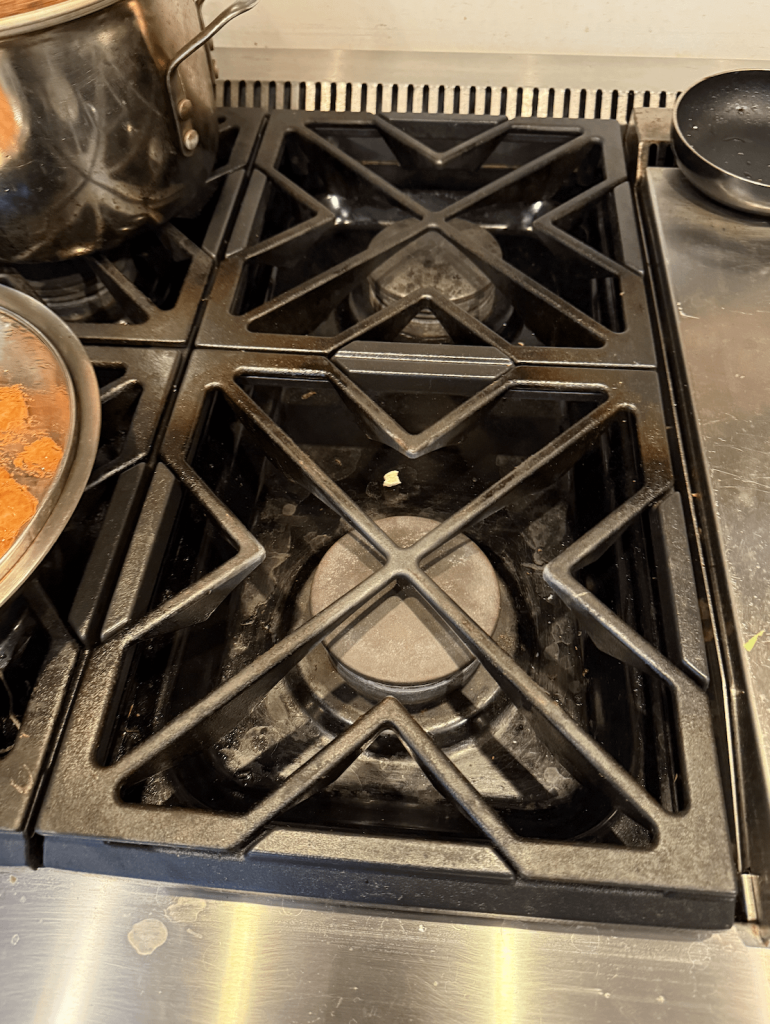
Are you tired of scrubbing stubborn grease off your stovetop grates? If you’ve ever wondered, “Can you put stovetop grates in the dishwasher?”
You’re not alone. Many people are looking for a simple solution to make their kitchen cleaning routine easier and more efficient. Imagine a quick, hassle-free way to keep your stovetop sparkling clean without the elbow grease. We’ll dive into whether your dishwasher can be your secret cleaning ally.
Get ready to discover how you can save time, energy, and perhaps even extend the life of your stovetop grates. Don’t let this opportunity for convenience pass you by—read on to find out more!
Stovetop Grates Basics
Understanding the basics of stovetop grates helps you decide the best way to clean and maintain them. These grates come in various materials and sizes, each affecting their durability and dishwasher compatibility. Knowing these details can save you time and prevent damage during cleaning.
Materials And Coatings
Most stovetop grates are made from cast iron, steel, or sometimes porcelain-coated metal. Cast iron grates hold heat well but can rust if not dried properly after washing. Porcelain coatings add a layer of protection but may chip under harsh cleaning conditions.
If your grates have a ceramic or enamel coating, you might want to avoid the dishwasher, as strong detergents and high heat can cause damage. Steel grates are often dishwasher-safe but check your stove’s manual to be sure. Have you noticed how some grates discolor after dishwasher cleaning? That’s usually due to the material or coating reacting to the detergent.
Common Sizes And Shapes
Stovetop grates vary widely in size, typically ranging from 8 to 12 inches across. Shapes can be square, rectangular, or even round, depending on the stove model. Larger grates might not fit well in a standard dishwasher, so measuring yours before cleaning is a smart move.
Some stoves have individual grates for each burner, while others have a continuous grate covering multiple burners. This design difference impacts how you clean them—continuous grates often require hand washing. Have you ever tried forcing a large grate into a dishwasher and ended up with a poor fit or a broken rack? That’s a clear sign to double-check your grate’s dimensions first.

Credit: www.reddit.com
Dishwasher Safety For Grates
Cleaning stovetop grates in the dishwasher might seem easy. Yet, not all grates are safe to wash this way. Understanding dishwasher safety helps protect your grates and keeps them lasting longer.
Heat And Detergent Effects
Dishwasher heat can cause grates to warp or lose their coating. High temperatures may damage the finish or cause discoloration. Strong dishwasher detergents can be harsh on metal surfaces. These chemicals might eat away at protective layers. Over time, grates can become weaker or rusty.
Cast iron grates are especially sensitive. They often need hand washing and drying right away. Porcelain-coated grates may chip or crack in the dishwasher. Metal grates without coatings handle dishwashers better but still face risks.
Manufacturer Recommendations
Check your stove’s manual for cleaning advice. Manufacturers often state if grates are dishwasher safe. Following their guidance helps avoid damage and voiding warranties. Some brands advise hand washing only. Others allow dishwasher use on lower heat settings.
Look for labels on the grates themselves. They might show cleaning instructions or warnings. When in doubt, hand wash with mild soap and warm water. Use a soft brush to remove stuck-on food.
Preparing Grates For Cleaning
Preparing stovetop grates for cleaning is a key step before placing them in the dishwasher. Proper preparation ensures better cleaning results and protects the grates from damage. It also helps remove stubborn food residues that could clog the dishwasher.
Start by handling the grates carefully to avoid scratches or chips. Cleaning grates in the right way extends their life and keeps your stove looking neat.
Removing Loose Debris
Begin by taking the grates off the stove. Use a soft brush or cloth to remove crumbs and loose food bits. Avoid using metal tools that can scratch the surface. Shake the grates gently to dislodge any particles stuck in the corners or grooves.
Removing loose debris first prevents clogging the dishwasher filter and ensures the grates get cleaner.
Soaking Tips
Fill a sink or basin with warm water and mild dish soap. Soak the grates for 15 to 30 minutes. This softens grease and burnt-on food, making it easier to wash off later. Use a sponge or soft brush to scrub any remaining stains after soaking.
Do not soak grates with cast iron or enamel coating too long. Excess water can cause rust or damage the finish.
Using The Dishwasher
Using the dishwasher to clean stovetop grates can save time and effort. It removes grease and food particles effectively. Before placing grates in the dishwasher, make sure they are dishwasher-safe. Not all grates can handle dishwasher cleaning. Check the manufacturer’s instructions for guidance.
Proper use of the dishwasher ensures grates come out clean without damage. Follow these tips for best results.
Best Dishwasher Settings
Select a heavy-duty or pots and pans cycle for stubborn grease. Use the hottest water setting available to break down oils. Avoid quick or eco-friendly cycles as they may not clean thoroughly. Choose a dry option to prevent rust or water spots. Use a mild detergent to protect the grate’s finish.
Loading Grates Properly
Alternative Cleaning Methods
If you’re wondering about alternatives to tossing your stovetop grates in the dishwasher, there are effective ways to get them clean without risking damage. Some grates aren’t dishwasher-safe, so knowing other cleaning options can save you time and effort. These methods allow you to control the process and avoid harsh dishwasher detergents that might wear down your grates.
Hand Washing Techniques
Hand washing your stovetop grates gives you the advantage of gentle yet thorough cleaning. Start by soaking the grates in hot, soapy water for at least 15-20 minutes to loosen grease and grime. Use a non-abrasive scrub brush or sponge to scrub away residue, paying close attention to corners and crevices.
If tough stains remain, sprinkle baking soda on the grates before scrubbing. It acts as a mild abrasive and deodorizer without scratching the surface. Rinse with warm water and dry immediately to prevent rust. Have you tried using an old toothbrush to reach those tricky spots? It’s surprisingly effective for detailed cleaning.
Natural Cleaning Solutions
Natural cleaners offer a safe and eco-friendly alternative to chemical detergents. White vinegar, for example, cuts through grease and disinfects surfaces. You can spray or soak your grates in a 50/50 mixture of vinegar and water, then scrub with a brush after 20 minutes.
Lemon juice is another powerful natural cleaner. Its acidity helps dissolve buildup and leaves a fresh scent behind. Combine lemon juice with baking soda to create a fizzy paste that tackles stubborn stains. Have you noticed how these simple ingredients often outperform pricey cleaners in your kitchen?

Credit: manuals.plus
Maintaining Grate Condition
Maintaining stovetop grates in good condition keeps your kitchen safe and your cooking smooth. Grates face heat, spills, and grease daily. Proper care helps them last longer and look better.
Regular Cleaning Routine
Clean grates after each use to stop buildup. Use warm, soapy water and a soft brush. Avoid harsh scrubbing that can scratch the surface. For tough stains, soak the grates for 15-20 minutes. Rinse well and dry completely before placing back.
Preventing Rust And Damage
Keep grates dry to prevent rust. Never leave them wet or damp for long. Check for chips or cracks regularly. Avoid putting grates in the dishwasher unless the manufacturer says it is safe. Use gentle cleaners to protect the finish. Store grates in a dry place when not in use.

Credit: www.reddit.com
Frequently Asked Questions
Can Stovetop Grates Be Safely Washed In A Dishwasher?
Most stovetop grates are dishwasher-safe, but always check the manufacturer’s guidelines first. Some grates may have coatings that can wear off in dishwashers.
Will Dishwasher Damage My Stovetop Grates?
Dishwashers can cause rust or discoloration on some grates. Avoid dishwashing if grates are cast iron or have special finishes.
How To Clean Stovetop Grates Without A Dishwasher?
Use warm, soapy water and a scrub brush for effective manual cleaning. For tough stains, use baking soda paste or vinegar.
Can Dishwasher Detergent Harm Stovetop Grates?
Harsh dishwasher detergents may strip protective coatings or cause corrosion. Mild detergents or hand washing is safer for delicate grates.
Conclusion
Stovetop grates need careful cleaning to last longer. Not all grates are safe for the dishwasher. Check the material and manufacturer’s instructions first. Some grates may get damaged or lose their finish. Hand washing with warm soapy water is often best.
Use a soft brush to remove stuck food. Dry grates well to stop rust. Taking time to clean properly keeps your stove looking good. Simple care makes a big difference. Choose the right method for your grates and keep your kitchen safe.