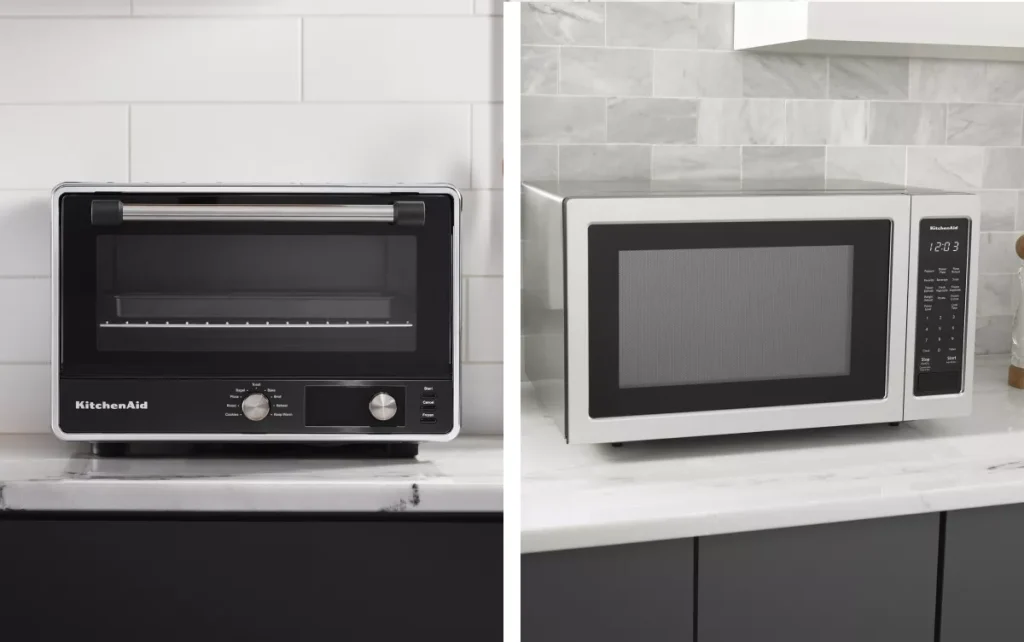
Imagine walking into your kitchen and seeing your trusty microwave and toaster oven, two essential appliances, taking up valuable counter space. You might wonder: can you put your toaster oven on top of your microwave?
It’s a question many of us have pondered, especially if you’re trying to maximize your kitchen’s efficiency without sacrificing safety or functionality. Before you balance these appliances like a precarious game of Jenga, let’s dive into what you need to know.
We’ll explore the potential benefits, safety concerns, and practical tips to help you make the best decision for your kitchen setup. Stick around because the insights you gain here might just revolutionize how you use your kitchen space. Are you ready to discover if stacking these appliances is a smart move? Let’s find out!

Credit: www.amazon.ca
Risks Of Stacking Appliances
Stacking a toaster oven on top of a microwave might seem like a smart space-saving idea, but it comes with several risks you should carefully consider. These risks can affect the performance and safety of your appliances, and even pose dangers to your home. Understanding these concerns will help you decide if stacking is really worth it.
Heat Damage Concerns
Toaster ovens generate a lot of heat, which can easily transfer to the microwave below. This constant heat exposure may damage the microwave’s exterior and internal components over time.
Microwaves are not designed to withstand high temperatures from above. This can shorten their lifespan or cause malfunctions, forcing you to replace your appliance sooner than expected.
Have you ever noticed your microwave feeling hot to the touch after running your toaster oven? That’s a warning sign you should not ignore.
Electrical Hazards
Both toaster ovens and microwaves draw significant power, and plugging them into the same outlet or power strip increases the risk of electrical overload.
Overloaded circuits can lead to tripped breakers, sparks, or even fires. Your safety should always come first, so consider how your kitchen’s wiring handles this extra load.
Also, stacking appliances can block ventilation slots, causing overheating and potential electrical shorts. Are you confident your setup allows proper airflow?
Stability And Weight Issues
Toaster ovens can be surprisingly heavy, especially when loaded with food. Placing that weight on top of a microwave may create an unstable setup.
An unstable stack risks the toaster oven sliding or falling, which can cause injury or damage to both appliances.
Think about how often you open and close the toaster oven door. Each movement adds stress to the microwave below, potentially shifting the balance. Is your countertop secure enough to handle this?
Microwave And Toaster Oven Compatibility
Placing a toaster oven on top of a microwave is a common space-saving idea. Both appliances generate heat and need good air flow. Their compatibility depends on factors like manufacturer advice and size. Understanding these points helps keep your kitchen safe and appliances working well.
Manufacturer Recommendations
Check the user manuals for both appliances first. Many brands warn against stacking appliances. Toaster ovens get very hot and may damage the microwave surface. Microwaves need proper ventilation to avoid overheating. Ignoring manufacturer advice can void warranties or cause hazards.
Size And Ventilation Requirements
Both appliances need space around them. Toaster ovens require room for heat to escape. Microwaves need vents free from blockage. Stacking can block vents and trap heat. This can lead to poor performance or fire risk. Leave at least a few inches of space on all sides. Use a sturdy, heat-resistant surface if stacking is unavoidable.
Proper Placement Tips
Placing a toaster oven on top of a microwave might seem like a convenient space-saver, but it requires careful attention to placement details. Proper placement is key to ensuring safety and the longevity of both appliances. Here are essential tips to help you position your toaster oven correctly without risking damage or hazards.
Safe Surface Choices
Always place your toaster oven on a flat, stable surface that can handle its weight and heat output. Avoid using surfaces made of plastic or thin wood that might warp or melt. Heat-resistant materials like metal, stone, or thick heatproof mats work best to protect your microwave and counter.
Think about the surface beneath your microwave too. If it’s prone to heat damage, stacking another appliance on top might cause problems. Have you checked if your countertop or microwave top can bear extra heat and weight?
Adequate Airflow And Ventilation
Both toaster ovens and microwaves need plenty of airflow to function safely. Make sure there’s enough space around the toaster oven—at least a few inches on all sides—to let hot air escape. Blocking vents can cause overheating and reduce appliance lifespan.
It’s easy to overlook ventilation when stacking appliances, but tight spaces trap heat quickly. Do you notice your toaster oven or microwave feeling unusually hot during use? That’s a sign you might need better airflow.
Avoiding Heat Accumulation
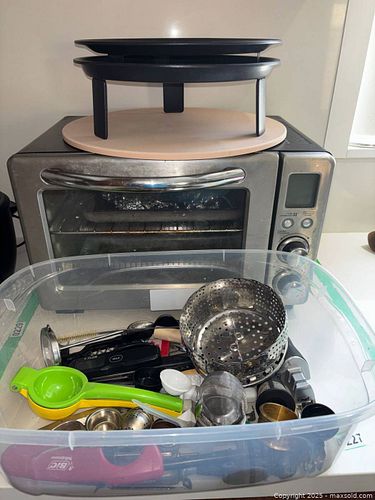
Heat buildup can damage electronics and increase fire risk. Avoid placing your toaster oven directly on top of the microwave surface without any heat barrier. Consider using a dedicated heat shield or a sturdy tray designed to disperse heat evenly.
Regularly check both appliances for signs of heat damage, such as discoloration or unusual smells. Small adjustments in placement can prevent costly repairs and keep your kitchen safe. How often do you inspect your appliances for heat-related wear?
Credit: maxsold.com
Alternative Setup Ideas
Finding the right spot for your toaster oven and microwave can be tricky, especially if kitchen space is tight. Instead of stacking the toaster oven on top of the microwave, which might cause safety concerns, consider alternative setup ideas that keep your appliances accessible and your kitchen organized.
Using Separate Counters
Placing your toaster oven and microwave on different counters can spread out your workspace and reduce heat buildup. This setup prevents overheating and makes it easier to use both appliances at the same time.
If counter space is limited, try designating a small section for each appliance. You could place the microwave near your prep area and the toaster oven closer to where you serve food. This arrangement keeps your workflow smooth and efficient.
Wall-mounted Shelves
Adding wall-mounted shelves offers a smart way to save counter space while keeping appliances within reach. Shelves strong enough to hold a toaster oven or microwave can free up valuable surface area for food prep.
Think about installing a sturdy shelf above your counter or near your cooking zone. This not only declutters your space but also keeps your appliances at a comfortable height. Would you try this if it meant more room to chop and mix?
Multi-tiered Appliance Racks
Multi-tiered racks are designed to stack appliances safely without risking heat damage or instability. These racks often have ventilation gaps and strong frames to support heavier devices.
Using a multi-tiered rack can give your kitchen a neat, organized look. Plus, it keeps everything accessible without cramming your counters. Have you seen these racks in action? They might be the perfect solution for your setup.
Maintenance And Safety Checks
Keeping your toaster oven and microwave in good shape is key to safe and efficient kitchen use. Regular maintenance and safety checks can prevent hazards and extend the life of your appliances. Let’s look at simple steps you can take to keep these devices running smoothly when stacked together.
Regular Cleaning
Cleaning your toaster oven and microwave frequently helps avoid buildup of food particles and grease. These residues can cause smoke or even fires if left unchecked. Wipe the exterior and interior surfaces with a damp cloth and mild detergent at least once a week.
Don’t forget to remove crumbs from the toaster oven’s tray and crumb catcher. For the microwave, clean the turntable and the inside walls thoroughly to prevent odors. Have you noticed how a clean microwave heats food more evenly? That’s a sign of effective maintenance.
Inspecting Power Cords
Power cords are often overlooked but are critical for safety. Check both appliances’ cords for any signs of fraying, cracks, or discoloration before you use them. Damaged cords can lead to electrical shorts or shocks.
Make sure the cords are not pinched or bent, especially since stacking can put pressure on them. If you spot any damage, replace the cord or consult a professional technician. Isn’t it better to spend a few minutes inspecting cords than dealing with an emergency?
Monitoring Appliance Performance
Pay attention to how your toaster oven and microwave perform daily. Are they heating unevenly or making unusual noises? These signs often indicate internal issues that need addressing.
If you notice extended cooking times or smells of burning, stop using the appliance immediately. Regularly testing your appliances helps you catch small problems before they become costly repairs or safety risks. What unexpected signs have you noticed that hinted at appliance trouble?

Credit: www.tnttt.com
Frequently Asked Questions
Can You Safely Place A Toaster Oven On A Microwave?
Placing a toaster oven on a microwave is generally unsafe. Toaster ovens generate heat and vibration, which can damage the microwave. It may also block ventilation, causing overheating. Always check manufacturer guidelines and ensure proper airflow to avoid appliance damage and fire hazards.
What Are The Risks Of Stacking Appliances?
Stacking appliances like a toaster oven on a microwave risks overheating and electrical issues. Heat from the toaster can harm the microwave’s components. It may also increase fire risk and reduce the lifespan of both devices. Avoid stacking to maintain safety and appliance efficiency.
How To Ensure Proper Ventilation For Kitchen Appliances?
Proper ventilation requires keeping space around appliances. Avoid placing toaster ovens on microwaves to prevent blocking vents. Ensure at least a few inches of clearance on all sides. Good airflow prevents overheating, protects appliances, and enhances performance. Always follow manufacturer instructions for ventilation.
Are There Alternatives To Save Kitchen Space?
Instead of stacking, use shelves or separate countertops for appliances. Wall-mounted racks or dedicated appliance stands optimize space safely. This approach prevents heat damage and improves appliance longevity. It also keeps your kitchen organized and safe from fire hazards.
Conclusion
Placing a toaster oven on top of a microwave can be risky. Both appliances produce heat and need space to cool down. Crowding them may cause damage or fire hazards. Always check the manufacturer’s instructions before stacking. Use a sturdy, heat-resistant surface if needed.
Keep vents clear for proper airflow. Safety should come first in your kitchen setup. Choose the best spot to keep your appliances working well. This simple step helps avoid accidents and saves money. Think smart about appliance placement for a safe kitchen.