Have you ever wondered if adding too much oil to your car’s engine could cause problems? It’s a simple step in car maintenance, but getting it wrong might lead to unexpected issues.
You want your car to run smoothly and last longer, right? Knowing the right amount of oil to use is key. You’ll discover why too much oil can be just as harmful as too little—and how to avoid common mistakes that could cost you time and money.
Keep reading to protect your car and keep it running at its best.

Credit: hunters-auto-marine-electrical.co.uk
Effects Of Excess Oil
Adding too much oil to your car might seem harmless at first, but it can lead to several problems that affect your engine’s health and performance. Understanding the effects of excess oil can help you avoid costly repairs and keep your vehicle running smoothly. Let’s look at what happens when there’s too much oil in your engine.
Impact On Engine Performance
Excess oil can cause the engine to work harder than it should. When the oil level is too high, the crankshaft may dip into the oil, causing it to aerate and form foam. This foamy oil can’t lubricate the engine parts properly, leading to increased friction and wear.
You might notice your engine running rough or losing power. Have you ever wondered why your car suddenly feels sluggish even after an oil change? Too much oil could be the culprit.
Potential For Increased Pressure
Too much oil raises the pressure inside the engine. This extra pressure can push oil past seals and gaskets, causing leaks. Over time, increased pressure can damage these components, leading to expensive repairs.
Think about the last time you checked your oil dipstick—did the level sit right at the max mark or go beyond? Overfilling can quietly build pressure that harms your engine’s internal parts without immediate signs.
Risk Of Oil Leaks And Seals Damage
High oil levels strain the engine’s seals and gaskets, which are designed to hold oil in specific areas. Excess oil can cause these seals to expand and crack, resulting in leaks. Once seals are damaged, you risk losing oil quickly and inviting dirt into the engine.
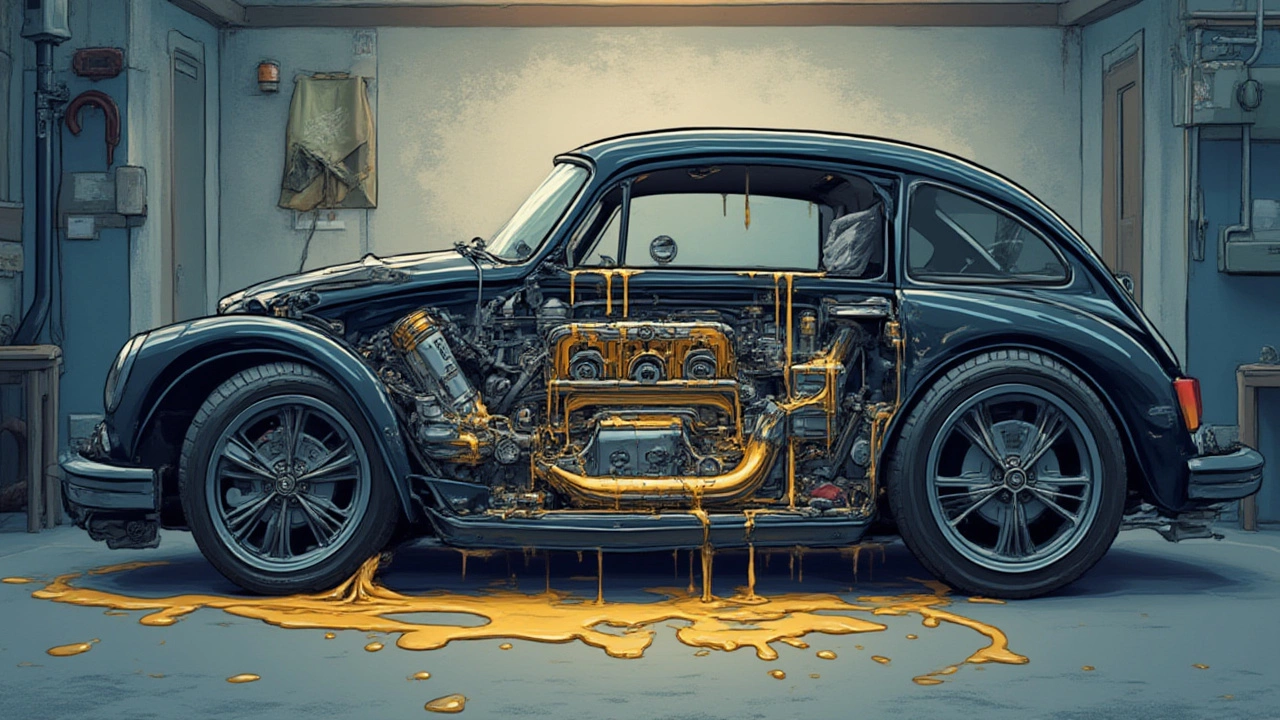
Leaking oil isn’t just messy; it can also be a fire hazard and damage other engine components. If you spot oil spots under your car, ask yourself—could overfilling have started this problem?

Credit: stevenagetyresandservice.co.uk
Signs Of Overfilled Oil
Overfilling your car’s oil can cause serious problems. Knowing the signs helps protect your engine from damage. Watch for unusual changes that signal too much oil inside.
Unusual Engine Noises
Too much oil can cause strange sounds from the engine. You might hear knocking or gurgling noises. These noises come from oil hitting parts it should not. This can reduce engine performance and cause wear.
Smoke From Exhaust
Excess oil can leak into the combustion chamber. This causes blue or gray smoke from the exhaust pipe. The smoke means oil is burning with fuel. It can harm your engine and increase pollution.
Oil Level Warning Indicators
Your car’s dashboard may show an oil warning light. This signals a problem with oil pressure or level. The gauge might also read higher than normal. These indicators warn that oil needs checking right away.
Common Causes Of Overfilling
Overfilling engine oil is a common mistake that can harm your vehicle. Understanding why it happens helps prevent damage. Several factors lead to adding too much oil during maintenance or checks.
Misreading The Dipstick
The dipstick shows oil level but can be tricky to read. Dirt or oil residue on it causes confusion. Checking on uneven ground or right after running the engine leads to wrong readings. Many add extra oil, thinking the level is low.
Overcompensation During Oil Change
Changing oil requires careful measurement. Some people pour more than needed to avoid running low soon. This extra oil can flood the engine. Overcompensation often results from anxiety about engine health or lack of experience.
Using Incorrect Oil Amount
Car manuals specify exact oil quantities. Using the wrong amount, either more or less, causes problems. Mistakes happen when the wrong oil type or container is used. Following the recommended oil amount ensures smooth engine performance.
Risks To Engine Components
Overfilling your car’s engine oil might seem like a minor mistake, but it can lead to serious problems inside your engine. Too much oil doesn’t just sit quietly; it affects several critical components and can cause costly damage. Understanding these risks can save you from unexpected repairs and keep your engine running smoothly.
Damage To Catalytic Converter
Excess oil can find its way into the exhaust system, especially the catalytic converter. This component is designed to reduce harmful emissions, but oil contamination can clog it and reduce its efficiency. Have you noticed a drop in your car’s fuel economy or a strange smell from the exhaust? These could be early signs of catalytic converter damage due to too much oil.
Foaming And Reduced Lubrication
When there’s too much oil, the engine’s moving parts can whip it into foam. Foamy oil doesn’t lubricate well, which means your engine parts aren’t protected as they should be. This reduced lubrication can lead to overheating and increased friction, causing your engine to wear out faster than normal.
Increased Wear And Tear
Overfilled oil increases pressure inside the engine crankcase. This pressure can cause oil seals and gaskets to fail, leading to leaks and engine damage. Have you ever noticed oil spots under your car? Overfilling could be the culprit, accelerating wear and tear on your engine components and leading to expensive repairs.
Correcting Excess Oil
Correcting excess oil in your car is crucial to avoid engine damage and maintain smooth performance. Too much oil can cause increased pressure inside the engine, leading to leaks or damage to seals. Acting quickly to remove the extra oil can save you time, money, and potential headaches down the road.
Draining Extra Oil Safely
The safest way to remove excess oil is by draining it from the oil pan. Start by warming up your engine for a few minutes to make the oil flow easier, but don’t let it get too hot.
Use a wrench to carefully open the drain plug and let a small amount of oil drain out into a container. Avoid removing too much at once; check the oil level frequently with your dipstick to prevent underfilling.
Always dispose of the drained oil properly by taking it to a recycling center or auto shop. This simple step protects the environment and keeps your vehicle in great shape.
Using Oil Extractors
Oil extractors are handy devices that suck excess oil out through the dipstick tube, eliminating the need to remove the drain plug. This method is clean and quick, especially if you don’t have the tools to lift your car safely.
Many mechanics and car enthusiasts recommend extractors for small adjustments in oil level. Just make sure your extractor is compatible with your car model and follow the instructions carefully to avoid air pockets in the engine.
When To Seek Professional Help
If you’re unsure about handling oil removal yourself, it’s wise to visit a professional mechanic. They have the right tools and experience to correct oil levels without risking engine damage.
Also, if you notice symptoms like smoke from the exhaust, oil leaks, or unusual engine noises after correcting the oil, a mechanic should inspect your vehicle. These signs could mean the excess oil caused internal issues that need expert attention.
Preventing Oil Overfill
Preventing oil overfill is crucial for your car’s health. Too much oil can harm the engine and lower performance. Taking simple steps keeps the oil at the right level. This protects your engine and saves repair costs.
Checking Oil Level Properly
Use the dipstick to check oil level carefully. Park on a flat surface and turn off the engine. Wait a few minutes for the oil to settle. Pull out the dipstick, wipe it clean, then reinsert it fully. Remove it again and note the oil level. The oil should be between the minimum and maximum marks. Avoid guessing or filling without checking first.
Following Manufacturer Guidelines
Car manuals provide clear oil capacity and type details. Use the oil grade recommended for your engine. Overfilling often happens by ignoring these instructions. Always fill slowly and measure frequently. Stick to the suggested amount to avoid problems. Using the right oil ensures proper engine function and longevity.
Regular Maintenance Practices
Regular oil changes keep the engine clean and efficient. Schedule oil checks and changes as stated in the manual. Look for leaks or unusual oil consumption during visits. Use quality oil and filters for best results. Consistent care prevents mistakes like overfilling. This habit keeps your car running smoothly for years.
Credit: stevenagetyresandservice.co.uk
Frequently Asked Questions
What Happens If You Overfill Car Oil?
Overfilling car oil can cause engine damage. Excess oil can lead to increased pressure and leaks. It might also result in oil foaming, which can reduce lubrication. This can cause overheating and engine wear. Always check the oil level with a dipstick to ensure proper levels.
How Do You Know If There’s Too Much Oil?
You can check for excess oil by using the dipstick. If the oil level is above the maximum mark, there’s too much. Symptoms include a burning oil smell, smoke from the exhaust, or poor engine performance. Regularly monitoring oil levels helps avoid this issue.
Can Overfilling Oil Damage The Engine?
Yes, overfilling oil can damage the engine. It can lead to increased engine pressure and leaks. This might cause seals to fail and lead to oil foaming. Foaming reduces lubrication, causing overheating and excessive wear. It’s important to maintain the correct oil level.
How To Fix Overfilled Engine Oil?
To fix overfilled engine oil, drain the excess oil. Use an oil drain pan and remove the oil plug. Let the excess oil flow out until the level is correct. Alternatively, use an oil extractor pump. Always recheck the oil level with a dipstick after draining.
Conclusion
Too much oil in your car can cause serious problems. It may damage the engine or reduce performance. Always check the oil level with a dipstick. Add oil slowly and avoid overfilling. Regular oil changes keep your car running well.
Pay attention to your car’s manual for the right oil amount. Taking care of your car oil helps avoid costly repairs. Remember, balance is key. Keep your engine healthy by using the correct oil level every time. Simple steps can save you trouble down the road.