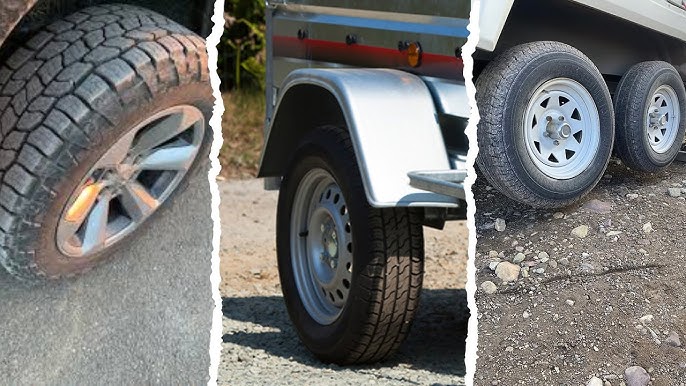
Have you ever wondered if you can put trailer tires on your car? It sounds like a simple solution when you need new tires fast or want to save money.
But before you make that switch, it’s important to know what could happen to your car’s performance, safety, and handling. You’ll discover the key differences between trailer tires and car tires, and why choosing the right tires matters more than you might think.
Keep reading to avoid costly mistakes and keep your ride smooth and safe.

Credit: www.youtube.com
Differences Between Trailer And Car Tires
Trailer tires and car tires look similar but have key differences. These differences affect safety and performance. Understanding them helps you decide if trailer tires fit your car.
This article covers design, load capacity, speed ratings, tread patterns, and rubber compounds of both tire types.
Design And Construction
Trailer tires have stiffer sidewalls than car tires. This helps them hold heavy loads without bending. Car tires are softer to give a smooth ride and better handling.
Trailer tires usually have a bias-ply design. Car tires mostly use radial construction for better traction and comfort. The construction affects tire flexibility and durability.
Load Capacity And Speed Ratings
Trailer tires carry heavier loads but at lower speeds. Car tires carry less weight but can handle higher speeds safely.
| Feature | Trailer Tires | Car Tires |
|---|---|---|
| Load Capacity | Higher load per tire | Lower load per tire |
| Speed Rating | Usually below 65 mph (105 km/h) | Often above 75 mph (120 km/h) |
| Purpose | Support heavy trailers | Support passenger cars |
Tread Patterns And Rubber Compounds
Trailer tires have simple tread patterns. This design reduces heat and improves durability when carrying loads. Car tires have complex tread patterns for grip and water dispersal.
- Trailer tires use harder rubber for less wear under load.
- Car tires use softer rubber for better traction and comfort.
- Trailer tires focus on stability and heat resistance.
- Car tires focus on handling and road grip.

Credit: nasaspeed.news
Potential Risks Of Using Trailer Tires On Cars
Using trailer tires on a car can seem like a quick fix. But it comes with risks that can affect safety, handling, and legal matters.
Trailer tires are made for different loads and speeds. They are not suitable for regular car use.
Safety Concerns
Trailer tires are designed for straight-line towing. They lack the grip and flexibility needed for car use.
Using these tires can increase the risk of skidding. They might not handle well during sharp turns or sudden stops.
- Higher risk of blowouts
- Poor traction on wet roads
- Increased stopping distance
Handling And Performance Issues
Cars need tires that offer smooth handling and good performance. Trailer tires can affect these qualities.
Using trailer tires can lead to poor steering response. This can make the car feel less stable on the road.
- Reduced cornering ability
- Less responsive steering
- Increased road noise
Legal And Insurance Implications
Using the wrong type of tire may have legal consequences. It can also affect your car insurance.
Insurance companies might refuse claims if non-standard tires are used. It’s important to follow manufacturer guidelines.
- Possible fines for non-compliance
- Insurance claim denial
- Increased liability in accidents
Situations Where Trailer Tires Might Be Used On Cars
Trailer tires are made for trailers, not cars. Still, some people use trailer tires on cars in special cases. This guide explains when it might happen.
Using trailer tires on cars is not common. It can work in certain situations, but it has limits. Safety and performance matter.
Temporary Or Emergency Use
Trailer tires can be used on a car if a regular tire fails. This can help you get to a repair shop safely. It is only a short-term fix.
Trailer tires are not made for fast driving. They may not handle well on highways or in bad weather. Use them only to move slowly and carefully.
- Use trailer tires to replace a flat tire temporarily
- Drive slowly to a tire repair shop
- Do not use trailer tires for long distances
Off-road Or Low-speed Applications
Some off-road cars or farm vehicles use trailer tires. These tires work well on soft ground and low speeds. They help avoid sinking in mud or dirt.
Trailer tires are strong and have thick sidewalls. This makes them good for rough surfaces but not for fast road driving. They fit certain types of vehicles for special tasks.
- Use on farm vehicles or utility cars
- Good for driving on mud, sand, or grass
- Not suitable for highway or city use
Expert Recommendations For Tire Choices
Choosing the right tires for your vehicle is important for safety and performance. Some people wonder if trailer tires can be used on cars.
This guide shares expert advice on selecting tires and checking compatibility with your car.
Selecting Tires For Passenger Vehicles
Passenger vehicle tires differ from trailer tires in design and function. Using the correct tire type improves handling and ride comfort.
- Passenger tires have tread patterns for better road grip.
- Trailer tires focus on load carrying and durability.
- Mixing tire types can cause uneven wear and instability.
- Check tire size, speed rating, and load index for your car.
- Always replace tires in sets for balanced performance.
Consulting Professionals For Tire Compatibility
Experts can help you find tires that fit your car and driving needs. They use tools and knowledge to ensure safety and legality.
| Professional Service | What They Check | Why It Matters |
| Tire Shops | Size, speed rating, load capacity | Ensures tires meet vehicle specs |
| Mechanics | Tire wear, suspension compatibility | Maintains vehicle control and comfort |
| Dealerships | Original equipment recommendations | Matches manufacturer standards |
Alternatives To Using Trailer Tires On Cars
Using trailer tires on a car is not recommended. Trailer tires are built for different speeds and loads. They can affect the car’s handling and safety.
There are better options to keep your car safe and running well. These include proper tire care, affordable tire choices, and repair solutions.
Proper Tire Maintenance
Taking care of your tires helps them last longer and work better. Check your tire pressure regularly. Keep it at the level your car maker suggests.
Rotate your tires every 5,000 to 8,000 miles. This makes sure they wear evenly. Also, check for signs of damage or uneven wear.
- Check tire pressure monthly
- Rotate tires regularly
- Inspect for cracks or bulges
- Balance and align wheels
Affordable Tire Options
Buying new tires can be expensive. Look for budget-friendly tires from trusted brands. These tires meet safety standards but cost less.
Consider buying tires during sales or from discount stores. Sometimes, you can find good deals on last year’s tire models.
- Choose budget brands with good reviews
- Buy tires in sales or clearance
- Check local tire shops for deals
- Compare prices online before buying
Retreading And Repair Solutions
Retreading means adding new tread to old tires. It can save money and reduce waste. Retreaded tires work well if done by experts.
Small tire damages like punctures can be fixed. Repairing tires is cheaper than buying new ones. Always use a trusted tire repair service.
- Consider retreaded tires for some cars
- Fix small punctures quickly
- Avoid using damaged tires
- Use professional repair services only
Credit: www.kenfeagintruckandtrailer.com
Frequently Asked Questions
Can Trailer Tires Fit Standard Car Wheels?
Trailer tires are not designed for car wheels. They have different sizes and load ratings. Using them on cars can cause poor handling and safety risks.
Are Trailer Tires Safe For Regular Driving?
No, trailer tires lack the grip and flexibility needed for regular driving. They are built for towing at low speeds, not daily car use.
What Happens If You Use Trailer Tires On A Car?
Using trailer tires on a car can lead to reduced traction, uneven wear, and compromised braking. This increases the risk of accidents.
How Do Trailer Tires Differ From Car Tires?
Trailer tires have stiffer sidewalls and lower tread flexibility. Car tires offer better traction, comfort, and stability for varied driving conditions.
Conclusion
Trailer tires are not designed for cars. They handle weight and speed differently. Using them on a car can cause safety risks. Cars need tires made for their speed and weight. Always choose tires that fit your vehicle’s needs. Proper tires help your car drive better and safer.
Think about your safety and the car’s performance. Avoid mixing trailer tires with car tires. Stay safe on the road with the right tires.