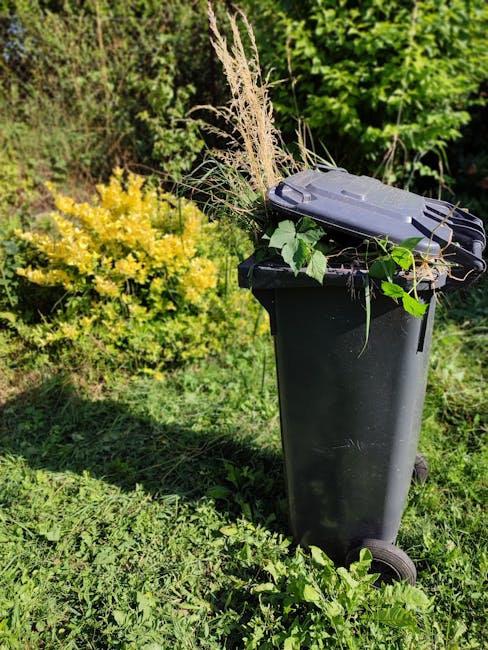
Are you wondering if you can toss those pesky weeds into your compost bin? It’s a common question for anyone trying to turn garden waste into rich, healthy soil.
You might think adding weeds is an easy way to get rid of them while boosting your compost. But is it really safe? Could those weeds come back to haunt your garden? Keep reading to find out the surprising truth about composting weeds and how to do it the right way—so your compost stays healthy and your garden thrives.
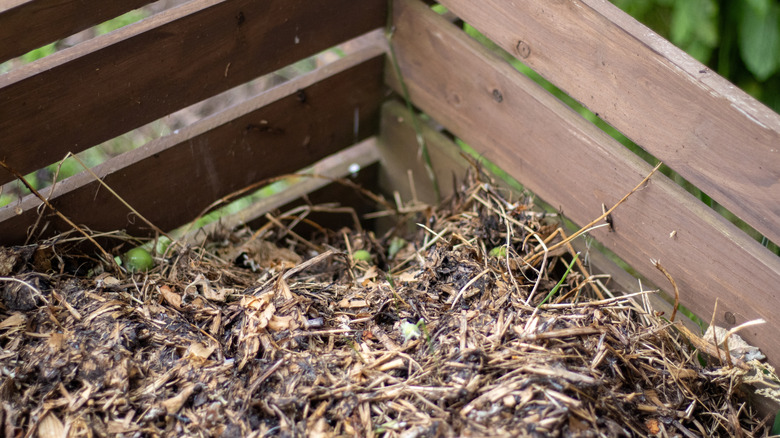
Credit: www.housedigest.com
Weeds And Composting Basics
Composting is a great way to turn yard waste into healthy soil. Many people wonder if they can add weeds to their compost bin.
Not all weeds are safe to compost. Some can cause problems for your garden later on. Let’s learn why.
What Makes Weeds Problematic
Weeds can spread seeds and roots that grow again. This means they might come back in your garden.
Some weeds carry diseases that can harm other plants. Composting them without care can spread these problems.
- Weeds often have strong seeds that survive composting.
- Roots from some weeds can regrow in compost.
- Weeds may carry plant diseases.
- Some weeds grow very fast and take over gardens.
Types Of Weeds To Avoid
Not all weeds should go into your compost bin. Avoid weeds that spread easily or grow back fast.
Be careful with weeds that have seeds, roots, or tough stems. These can survive in compost and cause trouble.
- Bindweed: Its roots spread quickly and grow back.
- Quackgrass: Hard to kill because of strong roots.
- Thistle: Has sharp seeds that spread easily.
- Dodder: Parasitic and can harm plants.
- Milkweed: Seeds can survive compost heat.
Safe Weeds For Compost
Weeds can be a good addition to your compost if you choose the right types. Some weeds do not spread seeds or roots, making them safe to compost.
Adding safe weeds helps improve your compost with nutrients and organic matter. It is important to know which weeds will not cause problems in your garden later.
Non-seeding Weeds
Non-seeding weeds are safe for compost because they do not spread seeds. This prevents unwanted weed growth after composting.
- Dandelion leaves without flowers
- Plantain leaves
- Chickweed before flowering
- Young nettle plants
- Bindweed shoots without flowers
Weeds Without Roots
Weeds without roots break down quickly in compost and do not regrow. They are safe to add as they will not take over your garden.
| Weed Type | Reason Safe for Compost |
|---|---|
| Grass clippings | No roots in compost, breaks down fast |
| Cut clover tops | Roots left in ground, tops decompose |
| Dead leaves from weeds | No chance of regrowth |
| Pulling young seedlings | Roots removed, safe to compost |
Risks Of Composting Weeds
Composting is great for reducing waste and enriching soil. Adding weeds to your compost bin can be risky. Weeds might cause problems if not handled properly.
Understanding the risks helps you manage your compost better. Learn about seed spread issues and regrowth from roots below.
Seed Spread Issues
Weeds often carry seeds that can survive in compost. These seeds may spread when you use the compost in your garden.
Seeds from weeds can grow into new plants. This can cause more weeds to appear in your garden.
- Seeds can survive if compost is not hot enough
- Spread of seeds leads to unwanted weeds
- Careful management reduces seed survival
Regrowth From Roots
Some weeds can regrow from roots. If roots are not broken down, they might sprout again.
Roots that survive composting can start new weed growth. This can cause a problem for your garden.
| Root Type | Regrowth Risk |
| Shallow Roots | Low |
| Deep Roots | High |

Credit: ezypeazy.co.nz
Techniques To Compost Weeds Safely
Weeds can be a challenge in composting because they might spread seeds or roots. Using the right methods helps break them down safely. This keeps your compost healthy and weed-free.
Two effective ways to compost weeds safely are hot composting and solarization. Both methods destroy seeds and roots to stop weeds from growing again.
Hot Composting Method
Hot composting uses high temperatures to kill weed seeds and roots. It needs the right mix of materials and regular turning to keep heat strong.
- Gather green materials like grass clippings and kitchen scraps.
- Add brown materials such as dry leaves and straw.
- Build the pile at least 3 feet wide and 3 feet tall.
- Turn the pile every 3 to 5 days to keep it hot.
- Maintain moisture like a damp sponge.
- Keep the temperature between 130°F and 160°F (54°C to 71°C) for several days.
These steps ensure weeds fully break down and do not regrow when used in your garden.
Solarization Before Composting
Solarization uses the sun’s heat to kill weeds before adding them to the compost. This method works well in sunny areas and can reduce weed growth.
| Action | Description |
| Collect Weeds | Pick fresh weeds with seeds or roots. |
| Place in Clear Plastic Bag | Put weeds inside a thin, clear plastic bag. |
| Seal and Leave in Sun | Seal the bag tightly and place it in direct sunlight for 4 to 6 weeks. |
| Check for Heat | The bag should become hot inside, killing seeds and roots. |
| Add to Compost | Once treated, add weeds safely to your compost bin. |
Alternatives To Composting Weeds
Many gardeners wonder if they can add weeds to their compost bins. Some weeds can spread seeds or roots in the compost. This can cause problems in your garden later.
It is safer to use other ways to dispose of weeds. These methods stop weeds from coming back in your garden.
Green Waste Bins
Green waste bins are a good way to get rid of weeds. Many cities offer these bins for garden waste. You can put pulled weeds in them.
Weeds in green waste bins are taken to special facilities. These places turn the waste into safe mulch or compost. This stops weed seeds from spreading.
- Check local rules for green waste bin use
- Do not include invasive weed species
- Remove seed heads before binning if possible
Weed Disposal Options
You can also dispose of weeds by other safe methods. Burning is one option where allowed. It destroys seeds and roots completely.
Another option is solarizing weeds. Cover weeds with clear plastic in the sun. The heat kills seeds and roots over weeks.
- Burn weeds in a safe, legal area
- Use clear plastic to solarize weeds
- Bag weeds and throw them in trash if no other option
- Do not dump weeds in wild areas

Credit: www.epicgardening.com
Tips To Manage Weeds In Your Garden
Weeds can harm your plants by taking water and nutrients. Managing them keeps your garden healthy and neat.
Using simple ways to stop weeds helps you save time and effort. Here are easy tips to control weeds well.
Preventive Measures
Stopping weeds before they grow is the best way to control them. Pull weeds early, before they spread seeds.
Keep your garden soil healthy by adding compost and turning it often. Healthy soil helps plants grow stronger than weeds.
- Remove weeds by hand regularly
- Use garden tools to dig out roots
- Avoid letting weeds flower or seed
- Plant ground covers to block weed growth
Using Mulch Effectively
Mulch blocks sunlight, so weed seeds do not grow well. Spread mulch around plants to stop weeds from coming up.
Use organic mulches like wood chips, straw, or grass clippings. These also add nutrients to your soil as they break down.
- Apply 2 to 3 inches of mulch around plants
- Keep mulch a few inches away from plant stems
- Refresh mulch layer each season
- Mulch helps keep soil moist and cool
Frequently Asked Questions
Can You Compost All Types Of Weeds Safely?
Not all weeds are safe for composting. Avoid weeds with seeds or invasive roots to prevent spreading. Use hot composting methods to kill seeds and roots effectively.
Will Composting Weeds Kill Their Seeds And Roots?
Hot composting can destroy most weed seeds and roots. Maintain temperatures above 140°F for several days to ensure effectiveness. Cold composting may not eliminate seeds, risking weed growth in your garden.
How To Compost Weeds Without Spreading Them?
Use a hot compost pile or a compost tumbler to reach high temperatures. Avoid adding seedy or root-heavy weeds to cold compost. Alternatively, solarize weeds in a sealed plastic bag before composting.
Is It Better To Dispose Of Weeds Than Compost Them?
Disposing of invasive or seedy weeds might be safer to prevent spread. However, hot composting can turn many weeds into valuable organic matter. Choose disposal methods based on weed type and composting setup.
Conclusion
Weeds can go into a compost bin with care. Avoid adding weeds that have seeds or roots. Hot composting helps kill weed seeds effectively. Turning the compost speeds up the process. This keeps your garden safe from new weeds. Composting weeds adds valuable nutrients to soil.
A healthy compost bin means a healthy garden. Keep watching your compost to prevent problems. You can enjoy richer soil and fewer weeds. Simple steps make composting weeds easy and safe.