Have you ever stood in your kitchen, holding a delicate wine glass, and wondered if it’s safe to pop it in the dishwasher? You’re not alone.
This question has puzzled many, especially after a delightful evening of wine tasting or a cozy dinner at home. The convenience of a dishwasher is undeniable, but the thought of your prized wine glasses clinking and clattering inside can be unsettling.
Imagine the peace of mind you’ll feel knowing whether your dishwasher is a friend or foe to your glassware. You’ll discover the truth about dishwashing wine glasses and learn the best practices to keep them sparkling and intact. Ready to protect your cherished collection? Let’s dive in.
Credit: www.aeg.co.uk
Dishwasher Safety For Wine Glasses
Dishwasher safety for wine glasses depends on their design and material. Some glasses handle the dishwasher well, while others can break or lose clarity. Understanding which types of wine glasses are dishwasher safe helps protect your collection. Being aware of risks can prevent costly damages and keep your glasses sparkling.
Types Of Wine Glasses And Durability
Wine glasses come in many shapes and materials. Common types include:
- Crystal Glasses:Thin and delicate, often not dishwasher safe.
- Glassware:Thicker and more durable, usually dishwasher safe.
- Hand-Blown Glasses:Fragile and should be washed by hand.
- Stemless Glasses:More sturdy and dishwasher friendly.
Durability depends on thickness and quality. Thicker glasses resist chips better in the dishwasher. Thin crystal glass is prone to cracks and etching. Some manufacturers label their products as dishwasher safe, so always check before washing.
Risks Of Dishwasher Cleaning
Using the dishwasher for wine glasses has risks:
- Breakage:Glasses can bump and break during cycles.
- Etching:A cloudy film may develop from hard water or detergents.
- Stem Damage:Thin stems can snap under pressure or heat.
- Cloudiness:Detergents may dull glass shine over time.
Loading glasses carefully reduces breakage risks. Use top rack only and avoid overcrowding. Choose gentle dishwasher cycles and mild detergents. Hand washing remains safest for expensive or delicate glasses.
Choosing The Right Dishwasher Settings
Choosing the right dishwasher settings is key to protecting your wine glasses from damage and cloudiness. Not all dishwasher cycles are created equal, and selecting the wrong temperature or wash intensity can turn your delicate glassware into a cloudy, scratched mess. Paying attention to these settings can save you time and money, keeping your glasses sparkling and safe.
Best Temperature For Wine Glasses
High heat can warp or weaken fine wine glasses. Aim for a temperature below 140°F (60°C) to avoid thermal shock or etching. Many dishwashers have a “low heat” or “glassware” setting specifically designed for delicate items.
Have you ever noticed cloudy glasses after a dishwasher run? It’s often from too-hot water or harsh detergent combined with heat. Using cooler water not only preserves the clarity but also prevents tiny cracks that develop over time.
Selecting Gentle Wash Cycles
Gentle or delicate wash cycles use slower water pressure and shorter runtimes. This reduces the risk of chipping or breaking your wine glasses. Look for cycles labeled “fragile,” “glass,” or “china” on your dishwasher panel.
To protect your glasses, avoid heavy-duty or pots and pans cycles. These are designed to blast away tough grime but can damage thin stems and rims. Consider hand washing if your dishwasher lacks a delicate cycle, especially for expensive or vintage glassware.
Preparing Wine Glasses For The Dishwasher
Preparing your wine glasses before placing them in the dishwasher can make a big difference in how they come out. Taking a few simple steps helps protect the delicate glass and keeps them sparkling clear. Are you ready to treat your glasses with the care they deserve?
Rinsing And Removing Residue
Start by rinsing your wine glasses with warm water right after use. This removes leftover wine and prevents stains from setting. Avoid using hot water, as extreme temperature changes can cause delicate glasses to crack.
If you notice any sticky residue or dried wine, gently wipe it off with a soft sponge or cloth before rinsing. Skipping this step can cause residue to bake onto the glass during the dishwasher cycle, leaving spots and cloudiness.
Proper Placement In The Dishwasher
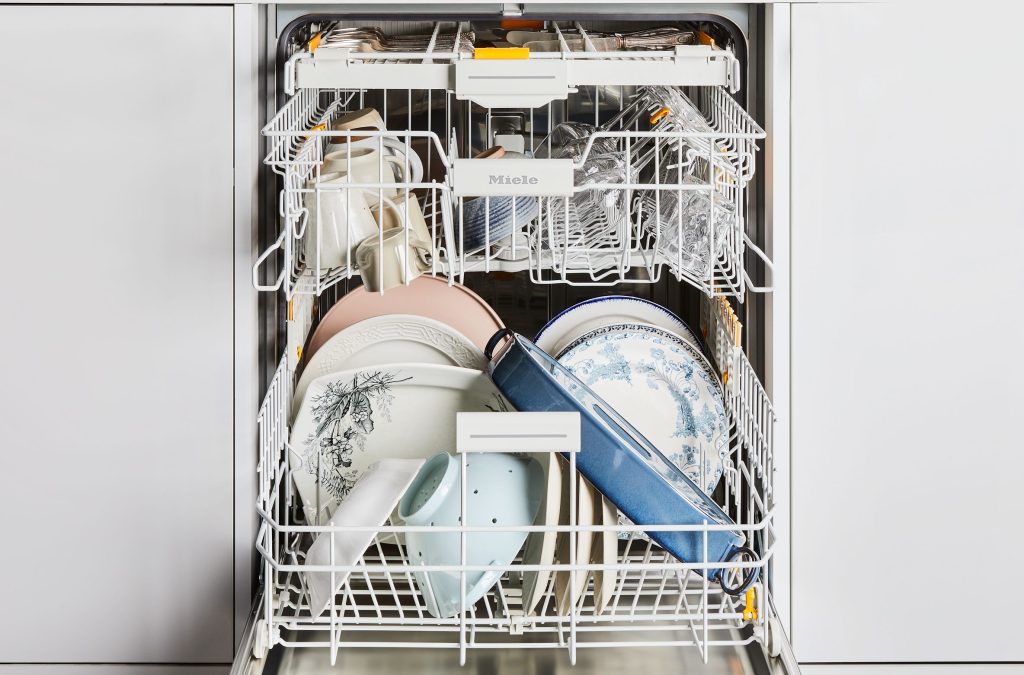
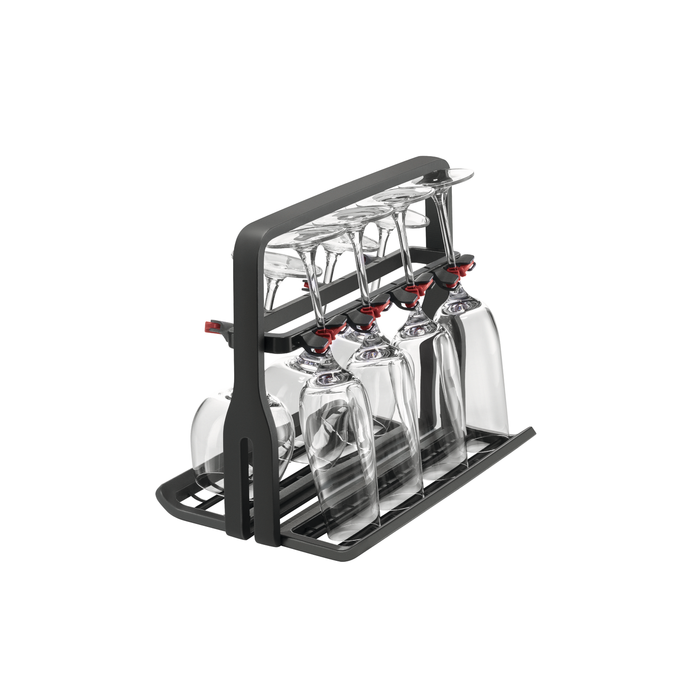
Place your wine glasses securely in the dishwasher’s top rack, where heat and water pressure are gentler. Many dishwashers have adjustable racks or special holders designed for stemware—use these if available.
Make sure the glasses do not touch each other or other items. When glasses bump during the wash, they can chip or break. Position them so they stand upright and stable to avoid tipping over during the cycle.
Hand Washing Vs. Dishwasher
Deciding whether to hand wash or use a dishwasher for your wine glasses can affect their longevity and clarity. Each method has its own advantages depending on the type of glass and how careful you want to be. Understanding these differences helps you keep your wine glasses sparkling without the risk of damage.
When To Hand Wash
Hand washing is best for delicate or thin-stemmed wine glasses that can easily break or chip in a dishwasher. If you own crystal glasses or ones with intricate designs, washing by hand helps preserve their beauty. Also, if your glasses have stubborn wine stains, gentle scrubbing under running water can remove residue more effectively than a quick dishwasher cycle.
Using warm water and mild soap, rinse glasses immediately after use to avoid dried wine marks. Take your time to clean the rims and stems carefully, avoiding abrasive sponges that may cause scratches. Your hands give you better control to protect fragile glassware.
Benefits Of Dishwasher Cleaning
Dishwashers offer convenience and efficiency, especially when you have many glasses to clean. Modern dishwashers often have specific settings for delicate glassware that use lower temperatures and gentler sprays to reduce breakage risk.
Using a dishwasher saves time and ensures thorough cleaning by reaching areas you might miss. It also sanitizes your glasses better with high heat, which hand washing may not achieve consistently. Just make sure to place glasses securely and avoid overcrowding to prevent collisions during the wash cycle.
Tips To Prevent Damage
Protecting your wine glasses in the dishwasher is key to keeping them sparkling and intact. Glasses are delicate, and a few simple precautions can save you from costly replacements. Let’s look at practical tips that help prevent damage and maintain your glassware’s beauty.
Avoiding Breakage And Chipping
Make sure to place your wine glasses carefully in the dishwasher. Avoid crowding them too close together, as this increases the risk of glasses knocking against each other during the wash cycle.
Use the top rack for wine glasses since it typically has less forceful water jets. This reduces the chance of strong water pressure causing chips or cracks.
Try to avoid washing very thin or fragile glasses in the dishwasher altogether. Some of my favorite delicate glasses have lasted longer by hand washing, especially those with intricate stems.
Using Protective Accessories
Consider investing in silicone racks or glass holders designed specifically for dishwashers. These accessories keep glasses stable and prevent movement during the cycle.
Another option is to wrap the stems gently with soft cloth or dishwasher-safe sleeves. This simple step can reduce vibrations and protect against scratches.
Have you ever noticed how some dishwashers have adjustable racks? Using those features to create snug compartments for your glasses can make a big difference in preventing damage.

Credit: www.amazon.com
Maintaining Wine Glass Shine
Maintaining the shine of your wine glasses is key to enhancing your wine experience. A sparkling glass not only looks elegant but also allows the true color and aroma of your wine to shine through. However, keeping them crystal clear can be tricky, especially when using a dishwasher.
Preventing Cloudiness And Etching
Have you noticed a dull, cloudy film building up on your wine glasses after multiple dishwasher cycles? This cloudiness often comes from hard water minerals or harsh dishwasher detergents. Etching, a permanent damage, appears as a fine, frosted look on the glass surface and can’t be removed.
To prevent this, try these practical tips:
- Use a gentle, phosphate-free detergent designed for glassware.
- Adjust your dishwasher’s water temperature to below 140°F to avoid heat damage.
- Place glasses securely to avoid rubbing and chipping.
- Consider using a rinse aid to reduce mineral deposits.
Have you ever thought about how your dishwasher settings might affect your delicate glasses?
Using Vinegar And Other Remedies
If your wine glasses already show cloudiness, white vinegar can be a simple fix. Soak the glasses in a mixture of equal parts vinegar and warm water for about 10 minutes, then rinse thoroughly. This helps dissolve mineral deposits and restore clarity.
Other remedies include:
- Using baking soda paste to gently scrub stubborn spots.
- Rinsing with lemon juice for a natural shine boost.
- Hand washing with mild dish soap and a soft cloth for extra care.
Remember, prevention is easier than cure. But if your glasses lose their sparkle, these home remedies can bring them back. Have you tried any of these at home, and what worked best for you?

Credit: www.express.co.uk
Frequently Asked Questions
Can Wine Glasses Be Safely Washed In A Dishwasher?
Yes, many wine glasses can be safely washed in a dishwasher. Use a gentle cycle and place glasses securely to avoid breakage. Check if the glassware is dishwasher-safe before loading. Avoid high heat to prevent damage or clouding.
What Dishwasher Settings Are Best For Wine Glasses?
Use the delicate or glassware setting on your dishwasher. This setting uses lower heat and gentle water pressure. It helps protect the glass from cracking or etching. Always place glasses carefully to prevent movement during washing.
Do Dishwasher Detergents Harm Wine Glasses?
Some dishwasher detergents can be harsh on delicate wine glasses. Choose a mild, phosphate-free detergent to minimize damage. Avoid abrasive powders and strong chemicals that may cause cloudiness or etching on glass surfaces.
How To Prevent Wine Glasses From Breaking In Dishwasher?
Place wine glasses securely in the dishwasher rack to avoid movement. Use a padded glass holder or separate compartments if available. Avoid overcrowding to prevent glasses from knocking against each other during the wash cycle.
Conclusion
Wine glasses can go in the dishwasher with care. Place them securely to avoid bumps or cracks. Use a gentle cycle and mild detergent for best results. Avoid high heat to keep glasses clear and strong. Hand washing still works well for delicate or expensive glasses.
Cleaning glasses right helps them last longer. Keep these tips in mind for sparkling, safe wine glasses every time. Simple steps make a big difference in glass care. Try these ideas and enjoy your drinks worry-free.