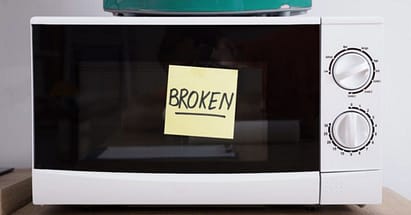
Have you ever wondered what to do with your old microwave oven when it’s time for an upgrade? Tossing it in the trash might seem like the easiest option, but that choice could impact our environment in ways you haven’t considered.
What if I told you there’s a more responsible way to handle your appliance? Yes, you can recycle microwave ovens, and doing so benefits both you and the planet. Imagine turning your outdated kitchen gadget into a resource rather than waste.
By the end of this article, you’ll have a clear understanding of how recycling your microwave can make a difference. Ready to discover a simple way to help the environment while decluttering your kitchen? Let’s dive in!
Why Recycling Microwaves Matters
Recycling microwave ovens is important for many reasons. These appliances contain materials that can harm the environment if thrown away carelessly. Recycling helps reduce waste and saves resources. It also prevents dangerous chemicals from polluting land and water. Understanding why recycling microwaves matters encourages responsible disposal habits.
Environmental Impact Of Microwave Waste
Microwaves have metals, plastics, and electronic parts. When microwaves end up in landfills, these materials can leak harmful substances. Chemicals like lead and mercury may enter soil and water. This contamination affects plants, animals, and human health. Electronic waste also takes a long time to break down. Recycling microwaves helps keep these toxins out of nature.
Benefits Of Proper Disposal
Proper disposal of microwaves allows for material reuse. Metals like steel and copper can be melted and used again. Plastics can also be recycled into new products. This lowers the need to mine new resources. Recycling saves energy and reduces pollution from manufacturing. It also cuts down on landfill space used by bulky appliances. Safe disposal protects people and the planet alike.
Components That Can Be Recycled
Microwave ovens are more than just kitchen appliances; they contain valuable materials that can be recycled. Breaking down these devices reveals several components that can be reused instead of ending up in landfills. Understanding which parts are recyclable can help you make better choices when disposing of your old microwave.
Metal Parts And Frames
The metal parts inside a microwave are among the most recyclable components. These include the outer shell, internal frame, and various screws and brackets.
Steel and aluminum from these parts can be melted down and reused in construction or manufacturing. Have you ever considered how much metal from discarded electronics could reduce the need for mining new materials?
Electronic Circuit Boards
Microwaves contain electronic circuit boards packed with valuable metals like copper, gold, and silver. These small components are worth recycling because they reduce the demand for raw metal mining.
Special recycling centers can safely extract these metals, preventing toxic substances from contaminating the environment. Next time you toss an old microwave, think about the hidden treasure inside those circuit boards.
Glass And Plastic Elements
The door window of a microwave is often made of tempered glass, which can be recycled if separated properly. Plastic parts, such as the control panel and interior lining, are usually recyclable depending on the type.
Recycling these materials reduces waste and saves energy compared to making new glass or plastic. Have you checked whether your local recycling program accepts these specific materials from electronics?
Hazardous Materials To Handle Carefully
Microwave ovens contain parts that can be dangerous if not handled properly during recycling. Understanding which materials are hazardous helps you stay safe and ensures the environment is protected. Let’s look closely at some key components you need to be careful with.
Capacitors And Electrical Components
Capacitors inside microwaves store electrical energy even when unplugged. This stored charge can cause shocks if you touch them without proper precautions. It’s wise to discharge capacitors safely or leave this task to professionals.
Besides capacitors, other electrical parts like wiring and circuit boards may contain metals and chemicals that require special disposal methods. Are you equipped to handle these parts safely, or should you seek expert help?
Potential Toxic Substances
Microwaves may contain toxic materials such as lead, mercury, and certain flame retardants. These substances can leak and contaminate soil or water if the oven is thrown in regular trash. Proper recycling facilities have the tools to manage these toxins responsibly.
Think about this: If hazardous materials from just one microwave contaminate a small area, how much harm could hundreds or thousands cause? Your decision to recycle correctly makes a real difference.

Credit: gws.sandbox.iam.s.uw.edu
How To Prepare A Microwave For Recycling
Preparing your microwave oven for recycling is a crucial step that helps ensure the process goes smoothly and safely. Proper preparation not only protects the people handling the appliance but also maximizes the chance that valuable materials get reused. Let’s break down what you need to do before you hand over your microwave for recycling.
Cleaning And Removing Accessories
Start by unplugging your microwave and giving it a good clean. Wipe down the inside and outside with a damp cloth to remove food residue and grease. This makes the microwave more pleasant for the recycling staff to handle.
Next, remove any detachable parts like the turntable, roller ring, or trays. These components are often made from different materials and may need to be recycled separately. Keep these parts handy and check if your local recycler accepts them along with the microwave.
Disconnecting And Safety Measures
Before recycling, ensure the microwave is completely disconnected from any power source. This simple step prevents any accidental electrical hazards during transportation or dismantling.
Microwaves contain a high-voltage capacitor that can retain a dangerous charge even after being unplugged. If you’re not experienced, it’s best to leave capacitor discharge to the professionals. Never attempt to open the microwave’s casing unless you know exactly what you’re doing.
Finally, consider whether your local recycling center has specific rules for microwave drop-off. Some places require you to remove batteries if your microwave has a digital display or remote control. Checking these details ahead of time saves you a return trip.
Where To Recycle Microwaves
Wondering where to take your old microwave when it’s time to recycle? Knowing the right places can save you time and ensure your appliance is handled responsibly. Let’s look at the best options for recycling microwaves near you.
Local Recycling Centers
Many communities have local recycling centers that accept microwaves. These centers specialize in handling electronic waste and safely dispose of hazardous materials inside microwaves.
Check your city or county’s waste management website to find nearby centers. Some may require an appointment or have specific drop-off days, so it’s smart to call ahead.
Retailer Take-back Programs
Did you know some retailers offer take-back programs for old electronics? Stores like Best Buy and Home Depot often accept microwaves when you buy a new one or simply bring the old appliance in.
This option is convenient if you’re upgrading your microwave. Plus, retailers usually ensure the devices are recycled properly.
Special E-waste Collection Events
Many towns host special e-waste collection events throughout the year. These events are designed to collect electronic items like microwaves, computers, and phones for recycling.
Keep an eye on local bulletins or community websites for dates. These events are a great way to recycle multiple items at once without hassle.
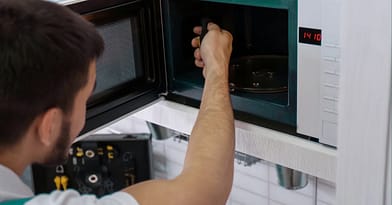
Credit: nixxitjunk.com
Alternatives To Recycling
Recycling isn’t the only way to handle an old microwave oven. Sometimes, your appliance still has value beyond the recycling bin. Exploring other options can help you extend its life or benefit others while reducing waste.
Donating Or Reselling
If your microwave still works, why not give it a second chance? Donating it to a local charity, community center, or shelter can help someone in need and keep your appliance out of the landfill.
You can also try reselling it online through platforms like Craigslist or Facebook Marketplace. Many people look for affordable, gently used microwaves, and you might be surprised how quickly yours finds a new home.
Have you ever thought about how many appliances end up unused while others are struggling to afford one? By passing your microwave along, you contribute to a more sustainable and helpful cycle.
Repurposing Microwave Parts
Broken microwaves don’t have to be useless. Their parts can often be reused for creative or practical projects.
For example, the turntable glass can be cleaned and used as a sturdy plate or a base for plant pots. The metal casing might be repurposed into storage boxes or even small shelves.
Some hobbyists salvage the magnetron for science experiments or art projects, although it requires caution due to safety concerns. Have you considered looking inside your microwave for parts that could spark your next DIY idea?
Tips For Choosing A Recycling Service
Choosing the right recycling service for your microwave oven matters a lot. The service should handle your appliance safely and follow the rules. Picking a good recycler helps protect the environment and keeps harmful parts away from landfills. Here are some tips to guide you in making a smart choice.
Checking Certification And Reputation
Find a recycling service with proper certification. Certificates show they follow industry standards and laws. Check if they have licenses for electronic waste. Look for reviews and ratings from past customers. Positive feedback means they do their job well. Avoid services with many complaints or unclear information. A trustworthy recycler values safety and transparency.
Understanding Fees And Policies
Ask about all fees before handing over your microwave. Some services charge for pickup or processing. Others may offer free drop-off or recycling. Read their policies on data security if your microwave has smart features. Know how they handle hazardous parts like batteries and circuits. Clear policies prevent surprises and ensure your appliance is recycled properly.

Credit: samrinc.com
Frequently Asked Questions
Can You Recycle Microwave Ovens At Local Facilities?
Many local recycling centers accept microwave ovens, but rules vary. Check with your local facility for specific guidelines before dropping off.
What Parts Of A Microwave Oven Are Recyclable?
Microwave ovens contain metal, glass, and plastic parts that can be recycled. Proper disassembly ensures these materials are sorted and processed correctly.
Should Microwave Ovens Be Disposed Of As Electronic Waste?
Yes, microwave ovens are considered electronic waste and should be handled through e-waste recycling programs. This prevents hazardous materials from harming the environment.
How Do I Prepare A Microwave Oven For Recycling?
Unplug the microwave, remove batteries if any, and clean it. Follow your recycler’s instructions to ensure safe and proper disposal.
Conclusion
Recycling microwave ovens helps protect the environment. These appliances contain valuable metals and parts. Throwing them away wastes resources and harms nature. Many communities offer special recycling programs for microwaves. Find your local recycling center and drop off old units.
Proper disposal keeps harmful materials out of landfills. Small actions like this make a big difference. Keep your home and planet clean by recycling microwaves right. It’s simple, responsible, and good for the earth.