If you’re a parent or caregiver, you know how important breast milk is for your baby’s health. But what happens when you warm breast milk and don’t use it all?
Can you put it back in the fridge safely? This question worries many parents because you want to keep your baby safe while avoiding waste. Understanding the best way to store warmed breast milk can save you time, reduce stress, and ensure your little one gets the best nutrition.
Keep reading to find out the facts and tips that will help you handle breast milk with confidence.
Breast Milk Storage Basics
Storing breast milk properly is crucial for keeping it safe and nutritious for your baby. Knowing the basics helps you avoid wasting this precious resource and ensures your little one gets the best nourishment possible. Let’s break down what you need to know about storing breast milk, especially when it comes to handling milk that has already been warmed.
Safe Storage Times
How long can you keep breast milk after warming it? This question is common among many parents. Once breast milk has been warmed, it should be used within 1 to 2 hours and never refrozen or refrigerated again.
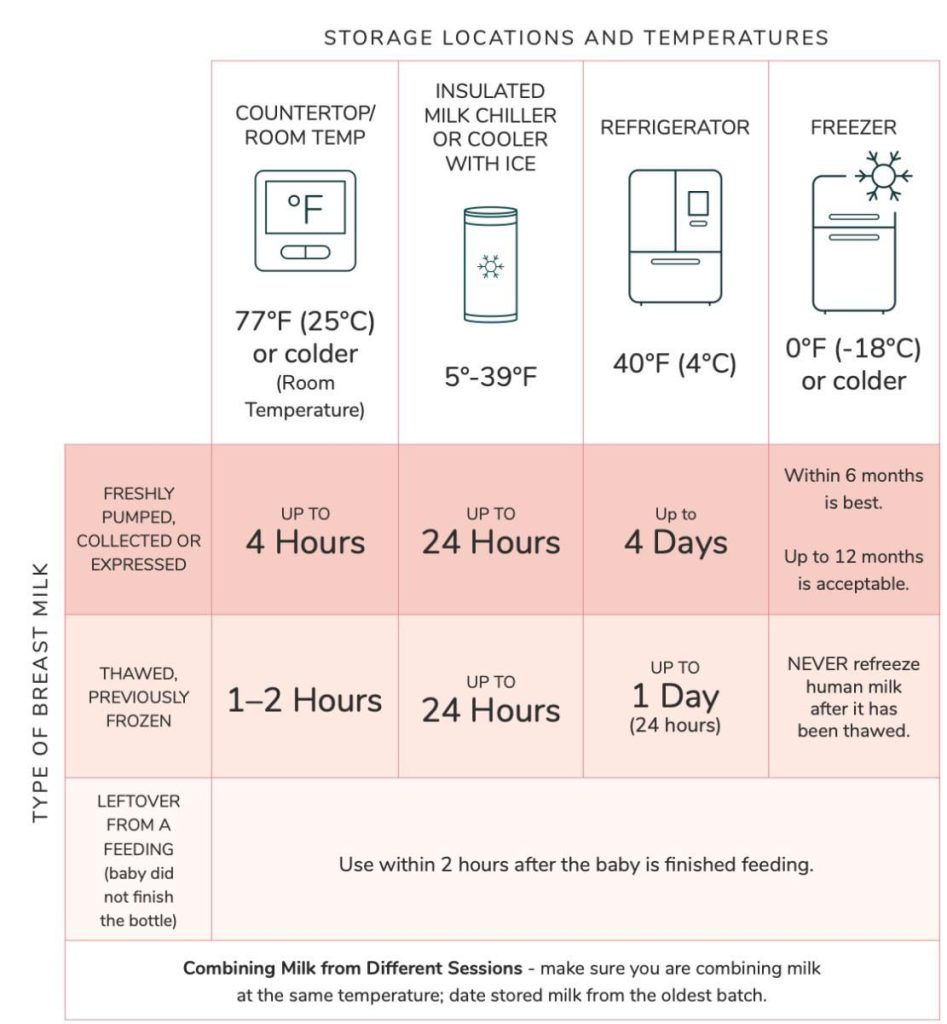
Here’s a quick guide for different storage conditions:
- Freshly expressed milk: can be refrigerated for up to 4 days.
- Frozen milk: safe for 6 months in a regular freezer, up to 12 months in a deep freezer.
- Warmed milk: must be used within 1 to 2 hours and discarded if not finished.
Have you ever wondered why warmed milk can’t be refrigerated again? Bacteria can multiply quickly once milk is warmed, so reheating or refrigerating warmed milk increases the risk of contamination.
Temperature Guidelines
Keeping breast milk at the right temperature is key to preserving its quality. Freshly pumped milk should be cooled quickly by placing it in the refrigerator or freezer as soon as possible.
| Storage Location | Temperature | Recommended Storage Time |
|---|---|---|
| Room Temperature | Up to 77°F (25°C) | 4 hours |
| Refrigerator | 39°F (4°C) or below | Up to 4 days |
| Freezer (regular) | 0°F (-18°C) | Up to 6 months |
| Freezer (deep) | -4°F (-20°C) or below | Up to 12 months |
Have you checked your refrigerator’s temperature lately? Even small changes can affect milk safety. Use a thermometer to keep your storage environment consistent.

Credit: wonderbewbz.com
Warming Breast Milk
Warming breast milk is a common task for many parents and caregivers. It’s important to warm milk safely to preserve its nutrients and prevent bacteria growth. Understanding the best ways to warm breast milk can help you feed your baby confidently and keep the milk as fresh as possible.
Common Warming Methods
Many parents use warm water baths to gently heat breast milk. Simply place the bottle or bag in a bowl of warm water for a few minutes, swirling occasionally to distribute the heat evenly.
Another popular method is using a bottle warmer, which offers controlled and consistent warmth. It’s convenient and reduces the risk of overheating compared to microwaving.
Microwaving is generally not recommended because it can create hot spots and damage important nutrients. If you ever feel pressed for time, warming with water is safer and just as effective.
Effects On Milk Quality
Warming breast milk too quickly or to very high temperatures can break down its valuable proteins and antibodies. This reduces the milk’s ability to protect and nourish your baby.
Reheating or warming milk multiple times also increases the risk of bacterial growth. That’s why experts suggest warming only the amount you plan to use and avoiding refreezing previously warmed milk.
Have you noticed any changes in taste or smell after warming your milk? This could be a sign that the milk quality has declined, so trust your senses and discard milk that seems off.
Refrigerating Warmed Breast Milk
Refrigerating warmed breast milk requires careful handling to keep it safe for your baby. Once breast milk is warmed, bacteria can start to grow faster. Proper storage helps prevent this and protects your baby’s health.
It is best to use warmed breast milk within a certain time. Knowing the right way to refrigerate it can reduce waste and keep milk fresh. Let’s explore key safety tips and risks linked to cooling or refreezing warmed milk.
Safety Considerations
Warmed breast milk should be cooled quickly before refrigerating. Place the container in the fridge within two hours after warming. Use clean, sealed containers to avoid contamination.
Label the milk with the date and time it was warmed. Use the milk within 24 hours for best safety. Do not leave milk at room temperature for more than two hours after warming.
Risks Of Refreezing Or Cooling
Refreezing breast milk after it has been warmed is unsafe. Freezing again can cause bacteria to multiply. It also breaks down important nutrients in the milk.
Cooling warmed milk multiple times increases the risk of contamination. It is best to only warm the amount you plan to use. Avoid saving leftover milk for later feeding.

Credit: www.reddit.com
Best Practices For Handling Milk
Breast milk that has been warmed should not be refrigerated again. Bacteria can grow quickly once warmed, so use it within two hours. Always store milk properly before warming to keep it safe for your baby.
Handling breast milk properly is crucial to ensure your baby receives all its nutritional benefits. Once breast milk has been warmed, the way you handle it can impact its freshness and safety. By following some best practices, you can maximize the milk’s quality and minimize waste, making feeding time stress-free for you and satisfying for your little one.Timing For Feeding After Warming
Warmed breast milk should ideally be used within two hours. This ensures that any potential bacterial growth is minimized. If your baby isn’t hungry right away, consider offering the milk in small increments. This way, if they don’t finish, you haven’t wasted much. Remember, once your baby has started drinking from the bottle, it’s best not to save the leftovers for the next feeding.Tips To Avoid Waste
To avoid wasting precious milk, store it in smaller portions. This allows you to thaw only what you need for each feeding. Label your stored milk with the date it was expressed. This helps you use the oldest milk first, ensuring nothing goes bad. Consider using a cooler bag for outings. This keeps milk at the right temperature until you’re ready to warm it, reducing the risk of spoilage. Engage with your baby’s feeding patterns. Sometimes they eat more, sometimes less—being attentive helps you adjust accordingly, saving milk for when it’s truly needed. By implementing these practical steps, you’re ensuring that your baby gets the best nutrition while keeping the process efficient and waste-free. Have you found any unique tricks that work for you?Signs Of Spoiled Breast Milk
Knowing the signs of spoiled breast milk helps keep your baby safe. Breast milk changes when it spoils. These changes are easy to notice if you watch carefully. Spotting spoiled milk saves your baby from stomach upset or illness. Pay attention to how milk looks and smells before feeding.
Visual And Smell Indicators
Spoiled breast milk often looks different. It may have:
- Clumps or lumps instead of smooth liquid
- Discoloration, such as yellow or green tint
- Separation that doesn’t mix after shaking
The smell also changes. Fresh milk has a mild, sweet scent. Spoiled milk smells sour, rancid, or sharp. Trust your nose and eyes. If milk looks or smells strange, avoid using it.
When To Discard Milk
Throw away breast milk if it:
- Has been warmed and left out for more than 2 hours
- Shows any visual or smell signs of spoilage
- Has been refrigerated after warming for over 24 hours
Do not try to reheat or refreeze spoiled milk. Always check milk before feeding to keep your baby safe and healthy.

Credit: kiinde.com
Frequently Asked Questions
Can You Refrigerate Breast Milk After Warming It?
No, it’s not recommended to refrigerate breast milk once warmed. Warmed milk should be used within two hours. Refrigerating after warming increases bacterial growth risk and affects milk quality.
How Long Can Warmed Breast Milk Stay In The Fridge?
Warmed breast milk should not be returned to the fridge. Use it within two hours after warming to ensure safety and freshness.
Is It Safe To Reheat Refrigerated Breast Milk?
Reheating breast milk more than once is unsafe. Use only the amount needed and discard leftovers to avoid contamination.
What Happens If Warmed Breast Milk Is Refrigerated?
Refrigerating warmed milk encourages bacterial growth and reduces nutritional quality. Always use warmed milk promptly and avoid refreezing or refrigerating it again.
Conclusion
Warmed breast milk should not be refrigerated again. Bacteria can grow and harm your baby. Use warmed milk within two hours for safety. Always store breast milk properly before warming. Follow guidelines to keep your baby healthy. Trust your instincts and keep milk fresh.
Safe feeding matters most for your little one. Keep it simple. Keep it safe.