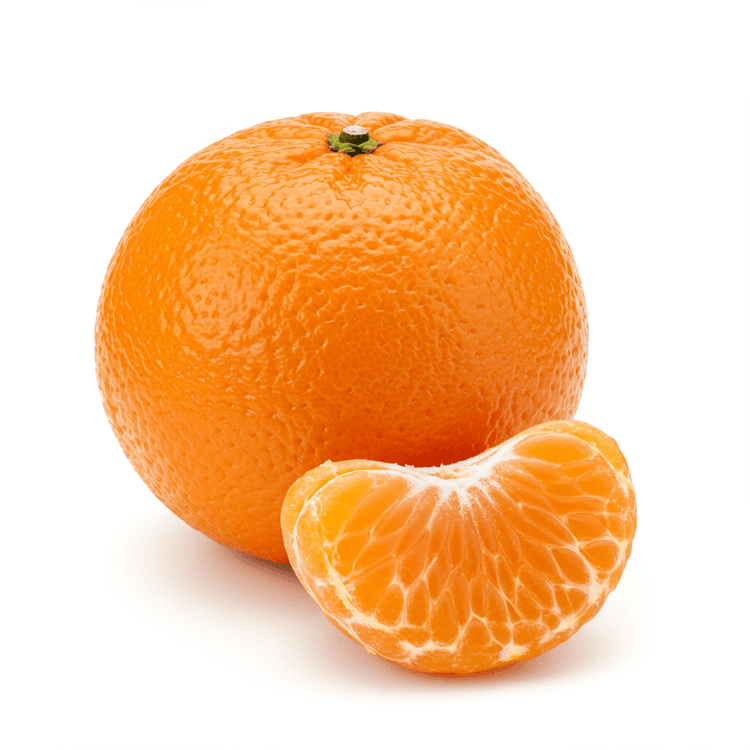
Have you ever wondered if you can refrigerate clementines to keep them fresh longer? You’re not alone.
These sweet, easy-to-peel fruits are a favorite snack, but knowing how to store them properly can make all the difference. If you’ve ever opened your fruit bowl only to find your clementines dried out or spoiled, this article is for you.
Keep reading to discover the best way to store your clementines so they stay juicy and delicious every time you reach for one.
Clementine Storage Basics
Understanding how to store clementines properly can make a big difference in how long they stay fresh and tasty. These small citrus fruits can quickly lose their juiciness and flavor if not cared for right. Let’s look at some simple storage basics to help you enjoy every sweet, zesty bite.
Room Temperature Storage
Keeping clementines at room temperature is fine if you plan to eat them within a few days. They do well in a bowl on your kitchen counter, away from direct sunlight and heat sources.
However, leaving them out too long can cause them to dry out or spoil faster. Have you noticed your clementines getting soft or shriveled after just a week on the counter? That’s a sign they’re past their prime.
Refrigeration Benefits
Refrigerating clementines can extend their freshness for up to two weeks or more. The cold slows down the ripening process and keeps the fruit firm.
Just place them in the crisper drawer or a breathable bag to avoid moisture buildup. You might find that chilled clementines taste even more refreshing on a hot day, turning storage into a simple way to enhance your snack.
Ideal Storage Conditions
- Store clementines in a cool, dry place if not refrigerating.
- Use a mesh or perforated bag in the fridge to allow airflow.
- Avoid stacking them too tightly to prevent bruising.
- Check them regularly and remove any that show signs of mold or softness.
Do you pay attention to the humidity levels in your fridge? Too much moisture can cause mold, but too little can dry out the fruit. Finding that balance helps keep your clementines at their best.

Credit: www.jessicaruthshepard.com
Effects Of Refrigeration On Clementines
Refrigeration helps clementines stay fresh longer by slowing down ripening and mold growth. Cold storage keeps them juicy and firm without losing flavor. Avoid freezing to prevent texture damage.
Refrigerating clementines can affect their freshness and taste. While many fruits benefit from cooler temperatures, clementines have unique needs. Understanding these effects helps you store them better.Shelf Life Extension
Refrigerating clementines can extend their shelf life. The cool temperature slows down ripening. This means they stay fresh longer. Without refrigeration, they spoil faster. Store them in the fridge to keep them edible for weeks.Taste And Texture Changes
Cold temperatures may alter clementines’ taste. They might lose some sweetness. The texture can also become firmer. Some people prefer this change. Others might miss the original flavor. It’s a matter of personal preference.Moisture And Mold Risks
Refrigeration can increase moisture risks. Excess moisture can lead to mold growth. Store clementines in a well-ventilated area of the fridge. Keep them dry to prevent spoilage. This helps maintain their quality and safety.Best Practices For Refrigerating Clementines
Storing clementines in the refrigerator can keep them fresh longer. Proper care before and during refrigeration is important. This section shares tips to help you store clementines the right way. These steps will keep the fruit juicy and tasty.
Preparation Before Refrigeration
Start by checking each clementine for bruises or soft spots. Remove any damaged fruit to stop spoilage. Gently rinse the clementines under cool water to clean dirt. Dry them completely with a soft towel. Wet fruit can grow mold quickly in the fridge.
Packaging Tips
Wrap clementines loosely in paper towels to absorb moisture. Place them in a breathable container or mesh bag. Avoid sealed plastic bags, which trap moisture and cause mold. Proper packaging keeps air flowing and slows decay. Change the paper towels if they get damp.
Optimal Refrigerator Zones
Store clementines in the crisper drawer of the fridge. This area has the best humidity for citrus fruits. Keep them away from strong-smelling foods to avoid flavor transfer. Avoid the coldest spots near the freezer to prevent freezing. The ideal temperature is around 45°F (7°C) for clementines.

Credit: www.epicurious.com
Signs Of Spoiled Clementines
Knowing how to spot spoiled clementines can save you from an unpleasant taste and potential waste. It’s easy to overlook subtle signs that indicate your fruit is past its prime. Paying attention to changes in appearance, smell, and texture will help you decide when to enjoy your clementines or toss them out.
Visual Indicators
Look closely at your clementines for any dark spots or mold. White or green fuzzy patches are clear signs of spoilage. Wrinkled or dried-out skin means the fruit is losing moisture and freshness.
Sometimes the skin might look fine, but if the fruit feels unusually soft or has sunken areas, it’s likely starting to spoil. Have you ever bitten into a clementine only to find it mushy inside? That’s a visual clue you missed.
Smell And Feel
Fresh clementines smell sweet and citrusy. If you notice a sour or fermented odor, the fruit is no longer good. Your nose is a powerful tool—don’t ignore what it tells you.
When you hold a clementine, it should feel firm and heavy for its size. If it feels light, mushy, or overly soft, it’s a sign the fruit inside is breaking down. A little give is normal, but too much means spoilage.
When To Discard
If you see mold, feel excessive softness, or smell anything off, it’s time to throw the clementine away. Eating spoiled fruit can upset your stomach or cause foodborne illness.
Trust your senses. If anything about the clementine seems unusual or unpleasant, don’t hesitate to discard it. Would you want to risk your health for a piece of fruit that looks questionable?
Alternatives To Refrigeration
If you’re wondering about storing clementines without using the fridge, you have practical options that keep your fruit fresh and flavorful. Refrigeration isn’t the only way to extend their shelf life. Let’s explore some alternatives that might suit your kitchen and lifestyle better.
Cool, Dark Places
Storing clementines in a cool, dark spot can slow down ripening and prevent spoilage. A pantry corner or a cupboard away from sunlight works well. Make sure the area has good air circulation to avoid moisture buildup, which can cause mold.
I once kept clementines in a basement cupboard, and they stayed fresh for over a week without refrigeration. It’s surprising how much difference a simple, shaded spot can make.
Using Fruit Bowls
Fruit bowls are not just decorative—they can help keep clementines fresh on your countertop. Choose a bowl made of breathable materials like ceramic or wood, not plastic. Spread the fruit out so they don’t touch too much, reducing bruising and moisture accumulation.
Have you noticed how a pile of fruit quickly goes bad compared to when each piece has some space? Paying attention to how you arrange your clementines in a bowl can make a noticeable difference in their longevity.
Freezing Clementines
If you want to store clementines for much longer, freezing is an effective alternative. Peel and segment them before freezing to make snacking easier later. Place the segments on a baking sheet to freeze individually, then transfer them to an airtight container or freezer bag.
Frozen clementine segments work great in smoothies or as a cold treat. Have you ever tried frozen citrus? It’s a refreshing way to enjoy your fruit even months after you bought it.
Maximizing Freshness After Refrigeration
Maximizing freshness after refrigeration keeps clementines tasty and juicy. Cold storage slows spoilage but affects flavor and texture. Proper handling after taking them out helps restore their natural sweetness and firmness. Follow these tips to enjoy fresh and flavorful clementines every time.
Bringing Clementines To Room Temperature
Cold clementines taste less sweet and lose aroma. Let them sit at room temperature for 30 to 60 minutes. This helps sugars and natural oils develop fully. Avoid warming them too long to keep texture firm. Gentle warming enhances taste and juiciness.
Handling And Peeling Tips
Handle clementines with care to avoid bruising. Use your fingers to peel gently, starting at the top. Avoid sharp tools that can damage the fruit or cause bitterness. Remove white pith carefully to improve flavor. Peeling slowly keeps the fruit intact and fresh.
Using Leftover Fruit
Store leftover clementine pieces in an airtight container. Keep them refrigerated and use within two days. Add leftover fruit to salads, yogurt, or smoothies. This prevents waste and adds fresh flavor to meals. Use leftovers quickly to maintain freshness and nutrition.

Credit: tap.health
Frequently Asked Questions
Can Clementines Be Stored In The Refrigerator?
Yes, clementines can be refrigerated to extend freshness. Keep them in a ventilated container to prevent moisture buildup and maintain flavor.
How Long Do Refrigerated Clementines Last?
Refrigerated clementines typically last up to two weeks. Proper storage in the fridge helps keep them juicy and fresh longer.
Should Clementines Be Refrigerated Before Or After Peeling?
Clementines should be refrigerated whole, not peeled. Peel them only when ready to eat to preserve moisture and taste.
Does Refrigeration Affect Clementine Taste Or Texture?
Refrigeration slightly firms clementines but maintains sweetness. Avoid freezing, as it can alter texture and reduce flavor quality.
Conclusion
Storing clementines in the fridge keeps them fresh longer. Cold slows down their ripening and stops spoilage. Keep them in a breathable bag or container. Avoid washing before storing to prevent mold. Check often for soft spots or mold. Enjoy sweet, juicy clementines anytime by storing properly.
Simple steps make a big difference in freshness. Save money and reduce waste with smart storage. Your clementines will taste better and last longer this way.