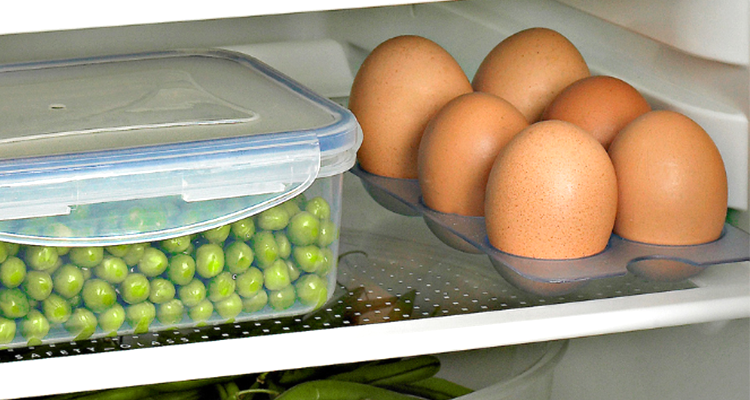
Have you ever wondered if you can refrigerate fresh eggs without ruining their quality? Whether you buy eggs from a local farmer or collect them from your backyard chickens, knowing how to store them properly can save you money and keep your meals safe.
You might be surprised by what really happens when fresh eggs go into the fridge. Keep reading to discover the best way to handle your eggs and avoid common mistakes that could affect their taste and freshness. Your kitchen—and your breakfast—will thank you.
Why Refrigerate Fresh Eggs
Refrigerating fresh eggs might seem unnecessary if you’ve just collected them from your backyard or bought them from a local farmer. However, keeping eggs cool plays a crucial role in maintaining their quality and safety. Understanding why refrigeration matters can help you make smarter choices about egg storage and avoid foodborne risks.
Eggshell Porosity And Bacteria
Eggshells are naturally porous, allowing air and moisture to pass through tiny holes. This porosity can also let bacteria like Salmonella sneak inside if the eggs aren’t handled properly.
When eggs are left at room temperature, bacteria can multiply faster. Refrigeration slows this process down, reducing the chance that harmful bacteria will grow. Have you ever noticed how eggs stored in the fridge last much longer than those kept out?
Shelf Life Differences
Fresh eggs stored at room temperature typically last about one to two weeks before they start to spoil. In contrast, refrigerated eggs can stay fresh for three to five weeks or even longer.
Keeping eggs in the fridge keeps their whites and yolks firmer, which is ideal for cooking and baking. Next time you crack an egg from the fridge, you might see how much fresher it looks compared to one left out.
Safety Standards By Region
Different countries have varying rules on egg refrigeration based on their processing methods. For instance, in the United States, eggs are washed and sanitized, which removes the natural protective layer, so refrigeration is required to prevent contamination.
In many European countries, eggs aren’t washed, allowing the natural coating to stay intact, so refrigeration at the store is less common. Knowing these regional differences can help you decide how to store your eggs safely depending on where you live.

Credit: www.allrecipes.com
How To Store Fresh Eggs Safely
Storing fresh eggs safely is essential to keep them fresh and prevent spoilage. Proper storage helps maintain the eggs’ quality and reduces the risk of bacteria growth. Simple steps can make a big difference in how long your eggs stay good to eat.
Optimal Temperature For Refrigeration
Eggs need to be kept at a steady, cool temperature. The best temperature is between 33°F and 40°F (1°C to 4°C). This range slows down bacterial growth and keeps eggs fresh longer. Avoid placing eggs in the fridge door, where temperature changes often.
Proper Egg Placement In Fridge
Store eggs in their original carton. The carton protects eggs and keeps them from absorbing strong smells. Place the carton on a middle or lower shelf inside the fridge. These spots stay cooler and more stable than the door or top shelves.
Avoiding Moisture And Odors
Keep eggs dry to avoid mold and bacteria. Never wash eggs before storing; washing removes their natural protective layer. Store eggs away from foods with strong odors, like onions or cheese, to prevent flavor transfer. The carton helps block smells and moisture.
Effects Of Refrigeration On Egg Quality
Refrigeration slows down bacteria growth and keeps eggs fresh longer. It also helps maintain egg quality by preserving moisture and texture. Storing fresh eggs in the fridge prevents spoilage and extends their shelf life effectively.
Refrigerating fresh eggs is common in many households. But how does it affect their quality? Understanding these effects helps in making informed choices.Impact On Texture And Flavor
Refrigeration can change an egg’s texture. The cold can make the whites thicker. This might be preferred for certain recipes. But the flavor can become less pronounced. Fresh eggs have a richer taste. Refrigeration may dull this flavor over time.Changes In Cooking Performance
Cold eggs behave differently in recipes. They don’t whip up as well. This can affect cakes and meringues. Warmer eggs mix more smoothly. Using room temperature eggs is ideal for baking. Refrigerated eggs may take longer to cook. This might change cooking times in recipes.Signs Of Spoiled Eggs
Even refrigerated eggs can spoil. Look for signs of spoilage. A bad smell is a clear indicator. Check the shell for cracks. A sticky or slimy shell is not good. Float eggs in water to test. Bad eggs float, good ones sink. Always use your senses to check freshness.Alternatives To Refrigeration
Not everyone has easy access to a refrigerator, and even if you do, sometimes you want to store fresh eggs without using one. There are practical alternatives to refrigeration that can keep your eggs safe and fresh for days or even weeks. Understanding these options lets you make informed choices based on your environment and storage needs.
Room Temperature Storage Conditions
Keeping fresh eggs at room temperature is possible if you follow specific guidelines. Store eggs in a cool, dry place away from direct sunlight, ideally between 50°F and 70°F (10°C to 21°C). Avoid humid areas because moisture can promote bacterial growth and spoilage.
Using a dedicated egg basket or carton with ventilation helps maintain airflow, reducing the risk of mold. Have you noticed that eggs stored outside the fridge often last longer when the shell remains unwashed? That’s because the natural protective coating stays intact, preventing bacteria from entering.
Using Lime Water Or Mineral Oil Coating
Applying a protective coating to eggs can extend their freshness without refrigeration. Lime water creates a natural barrier that seals the shell’s pores, slowing moisture loss and bacterial invasion. You can prepare a lime water solution at home by mixing hydrated lime with water, then soak eggs for a few minutes before drying them.
Alternatively, mineral oil is a food-safe option that you can gently rub onto the eggshell. This method mimics the natural bloom and can keep eggs fresh for up to several weeks at room temperature. Have you tried this before? Many backyard chicken keepers swear by mineral oil for preserving their eggs.
When Refrigeration Is Not Recommended
Refrigeration isn’t always the best choice, especially in places where eggs haven’t been washed or sanitized. In some countries, washing removes the protective coating, so eggs must be refrigerated to avoid contamination. However, if you live somewhere where eggs are sold unwashed, refrigerating them can cause condensation that encourages bacteria.
Also, if you plan to use eggs for baking or cooking soon, storing them at room temperature can improve results by allowing eggs to mix better and rise more evenly. So, consider your egg source and intended use before deciding whether or not to refrigerate.
Tips For Handling And Using Refrigerated Eggs
Handling refrigerated eggs properly keeps them fresh and safe to eat. Simple steps can improve your cooking results and prevent spoilage. Follow these tips to make the most of your refrigerated eggs.
Bringing Eggs To Room Temperature Before Use
Cold eggs can affect baking and cooking results. Take eggs out of the fridge about 30 minutes before use. This helps them mix better in recipes. Room temperature eggs also cook more evenly.
Avoiding Condensation
Condensation forms when cold eggs meet warm air. This moisture can cause bacteria growth on the shell. Keep eggs in their carton to reduce moisture. Avoid washing eggs before storing. Dry eggs well if washing is needed.
Best Practices For Egg Washing
Eggs have a natural protective coating. Washing can remove this layer and increase contamination risk. Only wash eggs just before use. Use warm water and mild soap if washing is necessary. Rinse eggs thoroughly and dry them completely.

Credit: www.youtube.com

Credit: grubblyfarms.com
Frequently Asked Questions
Can Fresh Eggs Be Stored In The Refrigerator?
Yes, fresh eggs can be refrigerated to extend their shelf life. Refrigeration slows bacterial growth and keeps eggs fresh longer. Store eggs in their carton on a middle shelf, not the door, to maintain a consistent temperature and freshness.
How Long Do Fresh Eggs Last Refrigerated?
Refrigerated fresh eggs typically last 3 to 5 weeks beyond the pack date. Proper storage in a cool, consistent temperature ensures they stay safe to eat. Always check eggs for freshness before use.
Should Fresh Eggs Be Washed Before Refrigeration?
It’s best not to wash fresh eggs before refrigerating. Washing removes the natural protective coating, increasing contamination risk. Clean eggs gently only if visibly dirty, then refrigerate promptly to maintain safety.
Does Refrigeration Affect Fresh Egg Quality?
Refrigeration helps maintain fresh egg quality by slowing spoilage. It prevents bacterial growth and preserves texture and flavor. Avoid temperature fluctuations to keep eggs fresh and reduce condensation risks.
Conclusion
Fresh eggs can stay safe in the fridge for weeks. Cold slows bacteria growth and keeps eggs fresh. Store eggs in their carton to protect them. Avoid washing eggs before refrigerating to keep the shell’s natural barrier. Check eggs by cracking them to see if they smell or look bad.
Proper storage helps keep your eggs tasty and safe. Simple steps make a big difference in egg freshness. Keep your eggs cool and enjoy them longer. Easy to do, easy to remember.