If you’re a parent who pumps and feeds breast milk, you’ve probably wondered: Can you refrigerate reheated breast milk? It’s a question that matters because your baby’s health and safety come first.
You want to avoid wasting precious milk but also don’t want to take any risks. Understanding the best way to handle breast milk after warming it can save you time, reduce stress, and keep your little one safe. Keep reading to get clear, simple answers that help you make the right choice every time.
Breast Milk Storage Basics
Proper storage of breast milk keeps it safe and nutritious for your baby. Understanding the basics helps you avoid waste and protect your child’s health. Knowing the difference between fresh and reheated milk is key to safe feeding.
Fresh Vs. Reheated Milk
Fresh breast milk is the milk that has never been frozen or warmed. It contains all natural nutrients and antibodies that help your baby grow.
Reheated breast milk is milk that was previously stored in the fridge or freezer and then warmed again for feeding. It is important to handle reheated milk carefully to avoid bacteria growth.
Once breast milk is warmed, it should not be cooled and reheated again. Doing so can increase the risk of contamination and reduce milk quality.
Safe Storage Times
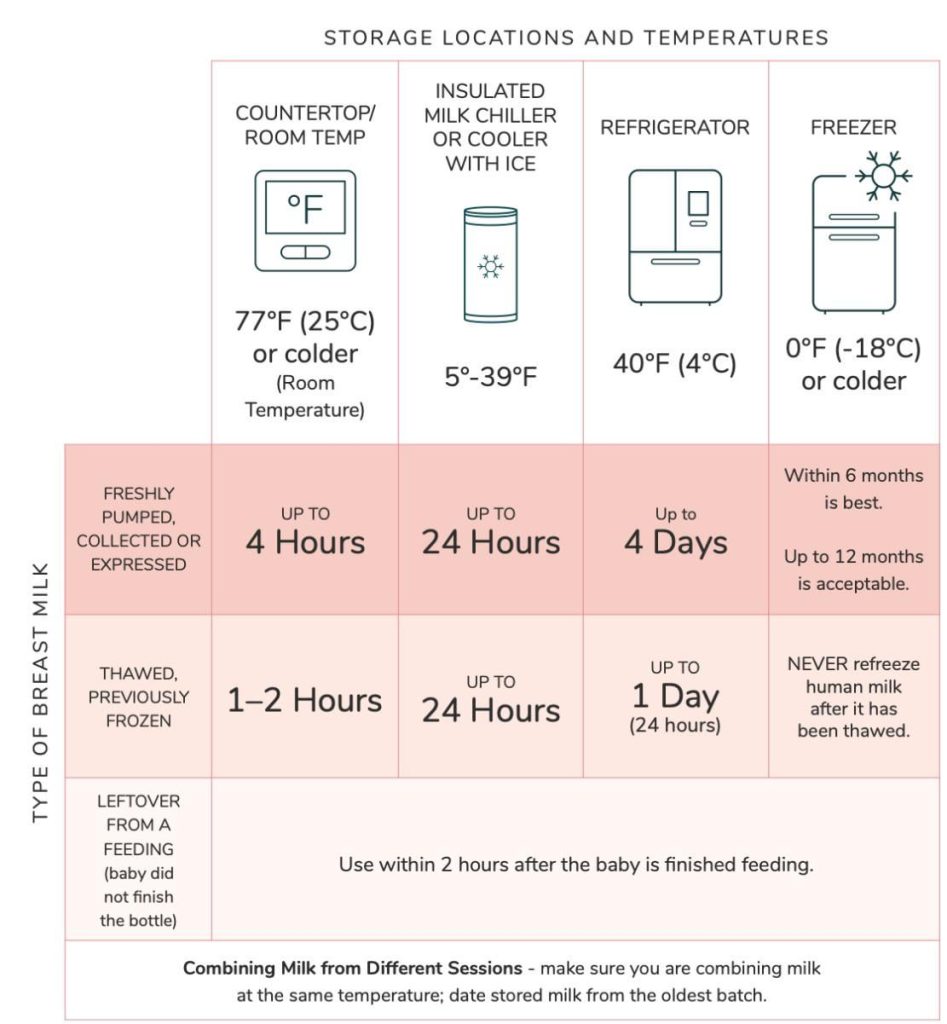
| Milk Type | Storage Duration | Storage Condition |
|---|---|---|
| Fresh breast milk | 4 days | Refrigerator (≤4°C or 39°F) |
| Fresh breast milk | 6 months | Freezer (-18°C or 0°F) |
| Reheated breast milk | Use immediately | After warming |
Always label milk with the date before storing. Use the oldest milk first to prevent spoilage.

Credit: kiinde.com
Risks Of Refrigerating Reheated Milk
Reheating breast milk and then refrigerating it can cause bacteria to grow quickly. This risks your baby getting sick from spoiled milk. Always use freshly thawed or freshly expressed milk for best safety.
Refrigerating reheated breast milk might seem like a convenient option for busy parents. However, it carries several risks that could affect your baby’s health and nutrition. Understanding these risks is crucial to making informed decisions about your baby’s feeding.Bacterial Growth Concerns
Once breast milk is reheated, the potential for bacterial growth increases. Warm environments are perfect breeding grounds for bacteria, which can multiply rapidly. If you refrigerate reheated milk, you might unwittingly introduce harmful bacteria to your baby’s diet. Consider the last time you left milk sitting out for too long. Did it develop a sour smell? This is similar to what can happen with reheated breast milk if not handled properly.Nutrient Degradation
Reheating breast milk doesn’t just pose bacterial risks; it also affects its nutritional value. Essential nutrients can break down with each reheating. Vital enzymes and antibodies, which are crucial for your baby’s development, may lose their effectiveness. Have you noticed how reheating leftovers repeatedly can alter their taste and texture? Similarly, breast milk can lose its original nutritional integrity, impacting your baby’s growth. These concerns might make you question if it’s worth the convenience. Is saving a few minutes today worth compromising your baby’s health? Prioritizing safety and nutrition could make all the difference in your baby’s well-being.Safe Reheating Practices
Safe reheating practices for breast milk protect its nutrients and keep your baby healthy. Proper handling stops bacteria growth and preserves milk quality. Knowing how to thaw and warm milk correctly helps avoid contamination and nutrient loss.
Proper Thawing Methods
Thaw frozen breast milk in the refrigerator overnight. This slow thaw keeps the milk safe and fresh. If you need milk faster, place the container in a bowl of warm water. Avoid hot water as it can damage nutrients.
Never thaw milk at room temperature. This can cause harmful bacteria to grow. Use milk within 24 hours after thawing. Do not refreeze thawed breast milk.
Heating Techniques To Avoid
- Do not use a microwave to heat breast milk. It heats unevenly and creates hot spots that burn your baby’s mouth.
- Avoid boiling or overheating breast milk. High heat destroys important nutrients and antibodies.
- Never leave milk warming on the stove or in hot water for too long. Keep heating time short and check temperature often.

Credit: www.reddit.com
Guidelines For Refrigerating Reheated Milk
Knowing how to store reheated breast milk safely helps keep your baby healthy. Proper refrigeration after warming is key to preventing bacteria growth. Follow clear guidelines to decide when and how long you can refrigerate reheated milk. This section explains important rules for handling reheated breast milk.
When Refrigeration Is Allowed
Reheated breast milk can be refrigerated only if it was warmed but not left out for too long. Milk should not sit at room temperature for more than two hours before refrigerating. Use a clean container to store any leftover milk after feeding. Avoid reheating the same milk more than once. Milk that has been heated and partially fed to the baby should be used within one hour or discarded.
Storage Duration Limits
After reheating, breast milk stored in the refrigerator should be used within 24 hours. Do not refreeze or reheat milk multiple times. Always label milk with the date and time before placing it in the fridge. This helps track freshness and prevent waste. If milk smells sour or looks unusual, throw it away immediately.
Signs Of Spoiled Breast Milk
Recognizing spoiled breast milk is crucial for your baby’s health. Spoiled milk can cause discomfort and illness. Always check breast milk carefully before feeding. Trust your senses to detect any signs of spoilage. Knowing what to look for helps keep your baby safe and happy.
Visual And Smell Indicators
Spoiled breast milk often looks different from fresh milk. It may appear curdled or separated, with lumps or clumps floating in it. The color might change to yellowish or grayish tones. Fresh milk is usually white or slightly creamy.
The smell is a strong clue. Spoiled milk has a sour or rancid odor. Fresh breast milk smells sweet or neutral. If the milk smells off or unpleasant, it is best not to use it.
When To Discard Milk
Throw away breast milk if you notice any odd smell or look. Do not taste the milk to check if it is spoiled. If the milk has been left out at room temperature for more than 2 hours, discard it. Milk stored in the refrigerator for more than 4 days should be thrown away.
Reheated milk that was not used within 1 hour must be discarded. Always follow storage guidelines to avoid spoilage. When in doubt, it is safer to discard the milk than risk feeding spoiled milk to your baby.

Credit: www.reddit.com
Tips For Handling Breast Milk Safely
Handling breast milk safely is crucial to protect your baby’s health. Even a small mistake can introduce bacteria or spoil the milk, causing discomfort or illness. These tips help you keep breast milk fresh and safe, whether you’re storing, reheating, or refrigerating it.
Hygiene Best Practices
Always wash your hands thoroughly before touching breast milk or feeding equipment. Clean surfaces where you prepare or store milk regularly to avoid contamination.
Use soap and warm water for at least 20 seconds. If you’re out and about, hand sanitizer with at least 60% alcohol works well too.
Remember, clean hands and clean environment reduce the risk of germs. Have you checked your feeding area’s cleanliness today?
Using Clean Containers
Store breast milk in containers designed for feeding—glass or BPA-free plastic bottles are best. Avoid reusing disposable bottles or containers not meant for breast milk.
Before use, wash containers with hot, soapy water or run them through a dishwasher. If you’re freezing milk, label containers with the date and time to track freshness easily.
Don’t forget to close containers tightly to prevent spills and contamination. Would you trust a container that’s been left open or poorly cleaned?
Frequently Asked Questions
Can You Refrigerate Breast Milk After Reheating?
No, reheated breast milk should not be refrigerated again. Doing so risks bacterial growth and contamination. Use reheated milk within two hours and discard any leftovers for safety.
How Long Can Reheated Breast Milk Stay Refrigerated?
Reheated breast milk should not be stored back in the fridge. It must be used within two hours after warming to ensure your baby’s safety.
Is It Safe To Reheat Breast Milk Multiple Times?
No, reheating breast milk multiple times is unsafe. Each reheat increases bacteria risk. Warm only the amount your baby will consume immediately.
What Is The Best Way To Store Reheated Breast Milk?
Avoid storing reheated breast milk. Use it right after warming and discard leftovers. Always store fresh or previously frozen milk properly before reheating.
Conclusion
Reheated breast milk should not go back into the fridge. Doing so can cause bacteria to grow and harm your baby. Always use the milk right after warming it. If your baby does not finish the milk, throw the rest away.
Keep your baby safe by handling breast milk with care. Follow simple rules to protect your baby’s health. Safe feeding means happy and healthy babies. Remember, fresh or properly stored milk is best. Keep these tips in mind for every feeding.