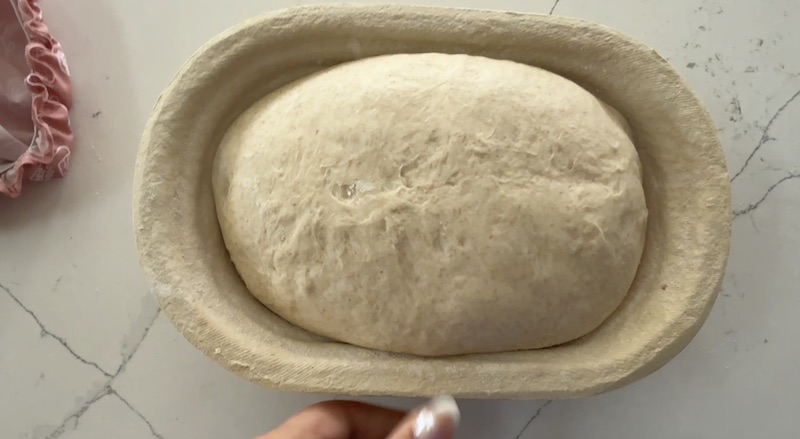
Have you ever wondered if you can refrigerate sourdough before shaping? You’re not alone.
Many home bakers, both beginners and seasoned pros, face this question. The world of sourdough can seem daunting with its unique processes and timing. But what if you could tweak the routine to fit your schedule better? Imagine having more flexibility without compromising the quality of your beloved bread.
This article will guide you through the pros and cons of refrigerating sourdough before shaping. You’ll learn how this simple step can affect your dough’s flavor and texture. Keep reading to discover how this technique might just revolutionize your baking routine.
Benefits Of Refrigerating Sourdough
Refrigerating sourdough before shaping can change the way your bread turns out in several positive ways. It’s more than just a storage trick—it actually helps develop flavor, improve texture, and control fermentation. You might find that this simple step transforms your baking process and the final loaf.
Flavor Development
Cold fermentation slows down yeast activity but allows bacteria to keep working. This creates more complex, tangy flavors that you won’t get with a quick rise at room temperature. I noticed that letting my dough rest in the fridge overnight gave the bread a richer, deeper taste that made every bite more interesting.
Texture Improvement
Refrigeration tightens the dough, making it easier to handle and shape. It also helps gluten strands relax, which can result in a more open crumb and a chewier texture. Have you ever struggled with sticky dough? Chilling it can give you better control and a nicer crust after baking.
Fermentation Control
Keeping sourdough in the fridge slows down fermentation, giving you more flexibility with timing. This is especially useful if your schedule is unpredictable—you can delay shaping and baking without sacrificing quality. Plus, it reduces the risk of overproofing, so your loaf won’t collapse or lose its shape.

Credit: www.reddit.com
When To Refrigerate The Dough
Knowing the right time to refrigerate sourdough dough affects its texture and flavor. Refrigeration slows fermentation. This pause helps develop taste and makes handling easier. Timing depends on your baking plan and dough activity. Understanding key moments to chill dough will improve your sourdough results.
After Bulk Fermentation
Refrigerate dough right after bulk fermentation for better flavor. Bulk fermentation is when dough rises first, usually a few hours. Cooling dough at this stage stops yeast activity. This keeps the dough stable and enhances sour notes. It also makes dough easier to shape later.
Before Shaping
Chilling dough before shaping helps control its elasticity. Cold dough is less sticky and easier to form. This step is useful if you need more time to prepare. It also allows gluten to relax, making shaping smoother. Keep dough covered while it rests in the fridge.
Timing Considerations
- Refrigerate too early, and dough may not rise well.
- Wait too long, and dough may overproof and lose strength.
- Typically, 8 to 24 hours in the fridge works best.
- Adjust time based on dough temperature and recipe.
- Plan refrigeration to match your baking schedule.
How To Refrigerate Sourdough Properly
Refrigerating sourdough before shaping can be a game-changer for flavor and texture. However, doing it right is crucial to avoid over-proofing or drying out your dough. Proper refrigeration helps control fermentation and develops those complex sour notes you love.
Choosing The Right Container
Pick a container that fits your dough snugly but leaves some room for expansion. Glass or plastic containers with straight sides work well because they let you see the dough’s rise.
A shallow container spreads the dough out, promoting even cooling. Avoid overly large containers that allow the dough to spread too thin or stick excessively to the sides.
Covering And Sealing
Cover your dough tightly to keep moisture in and prevent a dry crust from forming. Use plastic wrap, a silicone lid, or a damp towel—whatever creates a good seal.
If your container isn’t airtight, check the dough occasionally and re-moisten the cover if needed. You want to maintain a humid environment without trapping too much condensation.
Ideal Temperature Settings
Set your fridge between 37°F and 45°F (3°C to 7°C) for optimal fermentation control. Too cold and the dough will barely rise; too warm and it may overproof.
Think about your usual fridge spots—sometimes the door is warmer, so place your container in the main compartment. Have you noticed how dough behaves differently in various fridge spots? This small detail can affect your final loaf more than you expect.

Credit: breadtopia.com
Effects Of Refrigeration On Dough Handling
Refrigerating sourdough before shaping changes how the dough feels and behaves. Cold slows down yeast activity, affecting dough texture. This pause impacts how easy it is to handle and shape the dough.
Understanding these effects helps bakers adjust their techniques for better results. Here is how refrigeration influences dough handling.
Dough Firmness
Chilled dough becomes firmer and less sticky. The cold tightens gluten strands, making the dough feel dense. This firmness can help with cleaner cuts and less spreading during baking.
Yet, very cold dough may be harder to stretch or fold. It needs time to warm up slightly before shaping for best flexibility.
Ease Of Shaping
Refrigerated dough often shapes more easily because it is less sticky. It holds its form better and won’t stick to hands or work surfaces as much.
Still, the dough might resist stretching and spring back if too cold. Letting it rest a few minutes after removing from the fridge improves shaping ease.
Adjusting Techniques
Warm the dough slightly before shaping to reduce stiffness. Use gentle, patient stretching to avoid tearing the gluten.
Lightly flour your hands and work surface to prevent sticking. Avoid pressing too hard, which can deflate the dough.
Allow extra proofing time after shaping if the dough feels tight. This helps develop good oven spring and crumb texture.
Common Mistakes To Avoid
Refrigerating sourdough before shaping can improve flavor and texture. Avoid common mistakes that spoil your dough. These errors cause weak structure and poor rise. Watch out for these pitfalls to bake better bread.
Overproofing In Fridge
Leaving sourdough too long in the fridge makes it overproofed. The dough becomes too soft and sticky. It loses strength and cannot hold shape well. Overproofed dough results in dense, flat bread. Check the dough regularly and keep refrigeration time short.
Under-hydration Issues
Dough that is too dry does not ferment well in cold storage. Under-hydrated dough feels stiff and tough. It does not expand properly during shaping. Add enough water before refrigerating to keep dough elastic. Proper hydration helps fermentation and better crumb.
Ignoring Dough Temperature
Not controlling dough temperature causes uneven fermentation. Dough that is too warm ferments too fast in the fridge. Too cold dough slows fermentation, affecting rise and flavor. Use a thermometer to track dough temperature before refrigerating. Aim for a cool but not freezing temperature.
Tips For Best Results
Refrigerating sourdough before shaping slows fermentation, enhancing flavor and texture. To get the best results, certain strategies help maintain dough quality. These tips guide you through planning and timing your refrigeration effectively. Experimentation also plays a key role in finding what suits your schedule and taste.
Plan Ahead
Prepare your dough early to allow enough fermentation time before chilling. Cold fermentation needs a well-developed dough for good rise and taste. Setting your schedule helps avoid rushed shaping and baking. Keep ingredients ready and use a clear baking timeline.
Use A Dough Timer
A dough timer tracks fermentation stages precisely. It helps you catch the perfect moment to refrigerate. Timers reduce guesswork and prevent overproofing or underproofing. Use alarms or apps to stay on track without constant checks.
Experiment With Refrigeration Times
Try different chilling durations to discover your dough’s best flavor and texture. Short refrigeration (8-12 hours) keeps dough active and pliable. Longer times (24-48 hours) develop stronger sour notes but may need gentle handling. Note changes in dough feel and baking results to adjust future batches.

Credit: www.reddit.com
Frequently Asked Questions
Can You Refrigerate Sourdough Before Shaping The Dough?
Yes, you can refrigerate sourdough before shaping. Cold fermentation slows yeast activity, enhancing flavor and texture. Refrigerate for up to 24 hours to develop taste without overproofing. Always cover the dough to prevent drying out.
How Long Can Sourdough Rest In The Fridge Pre-shaping?
Sourdough can rest in the fridge for 12 to 24 hours before shaping. Longer refrigeration improves flavor but risks overproofing. Keep dough well-covered to maintain moisture and prevent a crust from forming.
Does Refrigerating Affect Sourdough Dough’s Rise Before Shaping?
Refrigeration slows down the rise by slowing yeast activity. This slow fermentation enhances flavor and dough strength. After chilling, the dough may need room temperature rest to become pliable before shaping.
Should Sourdough Be Shaped Immediately After Refrigeration?
It’s best to let refrigerated sourdough rest at room temperature for 30-60 minutes. This relaxes the gluten, making shaping easier and more effective. Cold dough is harder to handle and shape properly.
Conclusion
Refrigerating sourdough before shaping helps slow fermentation. This step gives the dough time to develop flavor. It also makes the dough easier to handle. Keep the dough covered to prevent drying out. Use the fridge for up to 24 hours for best results.
Avoid leaving it too long, or the dough may overproof. Try this method to improve your sourdough baking process. You will notice better taste and texture in your bread. Simple changes can make a big difference in baking. Give it a try and enjoy fresh, homemade sourdough bread.