Are you wondering if you can refrigerate superworms to keep them fresh longer? If you’re caring for reptiles, birds, or fish that love these crunchy treats, knowing the best way to store superworms is key.
Proper storage not only helps maintain their quality but also saves you money and effort. You’ll discover the simple truth about refrigerating superworms and learn tips to keep them healthy and ready whenever you need them. Keep reading to make sure your superworms stay in top shape!
Superworm Basics
Superworms are a popular choice for pet owners and hobbyists who need a nutritious and active feeder insect. Understanding the basics about superworms helps you care for them properly and know if refrigeration is a good option. Let’s dive into what makes superworms unique and how they fit into your feeding or hobby routine.
Life Cycle
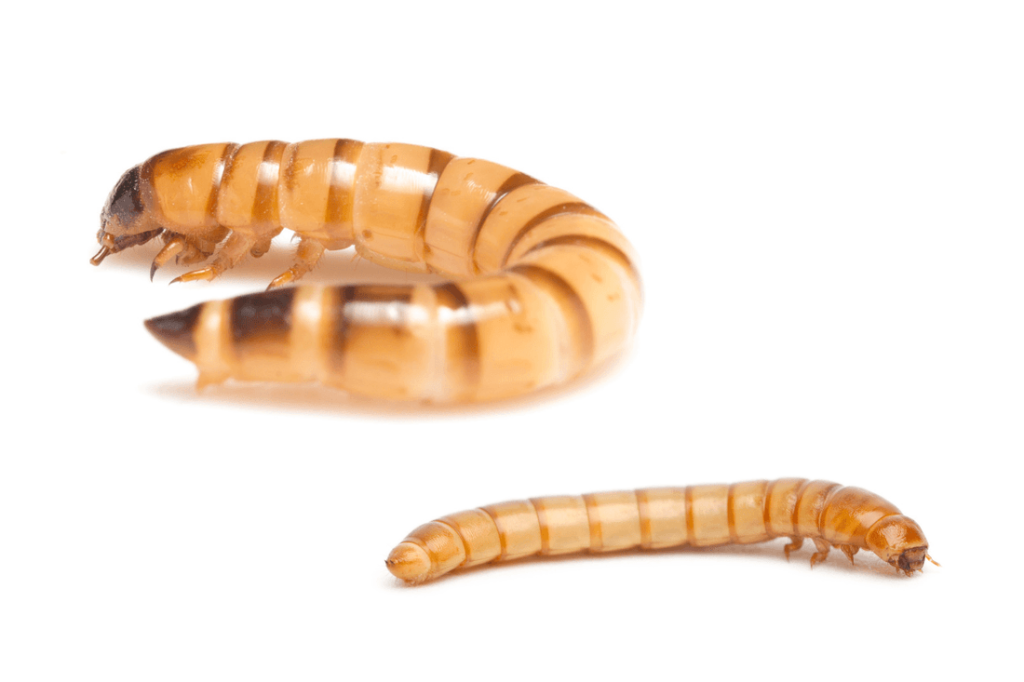
Superworms start as eggs, which hatch into larvae. These larvae are the stage you usually buy or raise. They can grow up to 2 inches long, making them larger than mealworms.
After the larval stage, superworms pupate in a cocoon and then emerge as darkling beetles. The entire cycle, from egg to beetle, usually takes around 3 to 4 months. Knowing this helps you plan your superworm supply effectively.
Common Uses
Many reptile and amphibian owners use superworms as a high-protein snack for their pets. They are especially good for animals that need a bit of crunch and activity in their diet because superworms wriggle more than other feeder insects.
Superworms also appeal to hobbyists who breed insects or enjoy observing insect behavior. Their size and movement make them interesting to watch. Are you using superworms just for feeding, or have you thought about keeping them as a mini pet project?
Credit: petaquarium.com.au
Ideal Storage Conditions
Storing superworms properly keeps them healthy and active. Ideal storage conditions help prevent stress and death. Temperature and humidity play big roles in their survival. Control these factors to extend their lifespan and maintain good quality.
Temperature Requirements
Superworms thrive best between 65°F and 75°F (18°C to 24°C). Temperatures below 50°F (10°C) slow their metabolism too much. This can cause them to die or become weak. Temperatures above 80°F (27°C) increase their activity but reduce lifespan. Keep them in a cool, stable place away from direct sunlight or drafts.
Humidity Levels
Humidity needs to stay moderate, around 50% to 70%. Too much moisture causes mold and bacteria growth. Too little moisture leads to dehydration and shriveling. Use a breathable container with small holes for air flow. Add fresh vegetables like carrots to provide moisture naturally.
Refrigeration Effects
Superworms can survive short refrigeration periods to slow their growth. Keeping them cold helps reduce activity but avoid freezing. Proper temperature control extends their shelf life safely.
Refrigerating superworms can impact their health and lifespan. Understanding these effects is crucial for pet owners. Cooling can slow down their metabolism, affecting their activity levels. It can also influence their growth and development. Let’s explore the benefits and potential risks of refrigerating superworms.Benefits Of Cooling
Refrigeration helps in managing superworm populations. It can delay their transformation into beetles. This ensures a steady supply for your pets. Cooler temperatures reduce their activity, conserving energy. It also minimizes their feeding needs, saving resources. Refrigeration can extend their lifespan by slowing down their biological processes.Potential Risks
Cooling superworms can pose risks if not done correctly. They might become too lethargic, affecting their health. Prolonged exposure to cold can lead to stress. This can weaken their immune system. It might also result in higher mortality rates. Maintaining the right temperature is vital to avoid these risks. Superworms can suffer if the environment is too cold or inconsistent.How To Refrigerate Superworms
Knowing how to refrigerate superworms correctly can make a big difference in their health and longevity. Proper refrigeration slows their metabolism without harming them, giving you more control over their activity and feeding schedule. Let’s break down the best way to prepare, store, and time their refrigeration.
Preparation Steps
Before placing your superworms in the fridge, make sure they are healthy and free from mold. Remove any leftover food or substrate that might rot or create moisture. Gently transfer the worms into a clean container, avoiding overcrowding to reduce stress.
Some keepers suggest fasting superworms for 1-2 days before refrigeration. This helps minimize waste buildup inside the container. Have you noticed how fasting changes their activity level? It really makes a difference.
Optimal Storage Containers
Choose a container that is breathable yet secure. Plastic containers with small ventilation holes work well to allow air flow without drying out the worms. Avoid airtight containers since superworms need some oxygen.
Adding a small piece of damp paper towel or carrot slice helps maintain moisture. But be careful not to overdo it—too much moisture can cause mold growth quickly. I learned this the hard way after a batch spoiled in 3 days!
Duration Limits
Superworms can safely stay in the fridge for about 2-3 weeks. Beyond that, their health and survival rates drop significantly. Regularly check for signs of mold, dehydration, or dead worms during this period.
If you plan to store them longer, consider refreshing the substrate and moisture every week. Have you ever tried keeping them refrigerated for a month? The survival rate usually declines sharply after 21 days.
Alternatives To Refrigeration
Superworms need special care for storage. Refrigeration is common but not the only choice. Alternatives can keep them healthy and active. These methods help maintain their quality and lifespan.
Room Temperature Storage
Superworms survive well at room temperature. Keep them in a cool, dry place away from direct sunlight. Use a ventilated container to allow airflow. Add fresh food like carrots or potatoes for moisture. Change the bedding regularly to avoid mold. This storage method suits short-term keeping. It keeps worms lively and ready to feed.
Freezing Considerations
Freezing superworms is not usually recommended. It can kill the worms and reduce their usefulness. Some breeders freeze only the pupae stage. This halts development without harm. If freezing is necessary, use a sealed bag. Thaw slowly at room temperature before use. Freezing may suit long-term storage but risks worm health. Handle with care to avoid damage.

Credit: www.amazon.com
Signs Of Poor Storage
Recognizing signs of poor storage is crucial when you refrigerate superworms. If you overlook these signals, your superworms could suffer or even die, wasting your effort and money. Knowing what to look for helps you act quickly and keep your superworms healthy.
Behavioral Changes
Superworms that have been stored improperly often behave differently. You might notice they move slower than usual or hardly move at all. Sometimes, they become unusually restless or try to escape their container more aggressively.
If your superworms stop eating or show little interest in food, it’s a red flag. These behavioral shifts usually mean the cold has stressed them or they are unhealthy. Have you ever seen your worms just lie still for hours? That’s a clear warning sign.
Physical Indicators
Look closely at your superworms’ bodies for physical changes. They might become shriveled, dry, or develop dark spots. These are signs they are not coping well with the cold or moisture levels in the fridge.
Sometimes, you may find mold growing in the storage container, which can harm your superworms quickly. Dead worms may appear soft or mushy instead of firm. If you see these signs, it’s time to reassess your storage method immediately.
Tips For Maintaining Superworm Health
Maintaining the health of your superworms during refrigeration requires careful attention to their needs and environment. If you plan to refrigerate them, simple habits before and during storage can make a big difference in their survival and vitality. Here are some practical tips to keep your superworms healthy and active.
Feeding Before Storage
Feeding superworms well before refrigeration is crucial. Provide them with fresh vegetables like carrots or potatoes, which help keep them hydrated and nourished.
Stop feeding them at least 24 hours before placing them in the fridge. This reduces waste buildup and prevents mold, which can harm the worms.
Have you noticed how superworms seem more active and healthy after a good feeding session? This simple step can improve their chances of thriving during cooler storage.
Handling Practices
Handle superworms gently to avoid stressing or injuring them. Rough handling can lead to wounds that invite infections, especially when they are cold and less active.
Use a soft brush or gently scoop them with your hands. Keep the storage container clean and well-ventilated to ensure fresh air circulation.
Think about how you interact with your worms daily; small changes in care routines can lead to stronger, healthier superworms ready for feeding or breeding after refrigeration.
Credit: flukerfarms.com
Frequently Asked Questions
Can You Refrigerate Superworms For Storage?
Yes, you can refrigerate superworms to slow their metabolism. Keep them at 40°F (4-5°C) for up to two weeks. Avoid freezing, as it can kill them. Refrigeration helps preserve their freshness without harming their health.
How Long Can Superworms Stay Refrigerated?
Superworms can stay refrigerated for about 1 to 2 weeks. Beyond this, their health may decline, and they might die. Check them regularly for signs of mold or dryness. Proper refrigeration extends their shelf life effectively.
Does Refrigeration Affect Superworms’ Growth?
Refrigeration temporarily pauses superworms’ growth and development. Their metabolism slows down, so they don’t molt or pupate. Once returned to room temperature, they resume normal growth. Use refrigeration to control timing in breeding or feeding schedules.
Should Superworms Be Fed During Refrigeration?
No, superworms should not be fed while refrigerated. Their slowed metabolism reduces the need for food. Feeding them during refrigeration can cause mold and spoilage. Provide fresh food only after returning them to room temperature.
Conclusion
Refrigerating superworms can help keep them fresh longer. Keep the temperature cool but not freezing. Avoid moisture to prevent mold and death. Check on them often to ensure they stay healthy. Proper care means strong, active superworms for feeding. Store them in a clean container with ventilation.
Remember, too cold or too warm harms superworms. Simple steps make a big difference in their lifespan. Caring well saves money and keeps your pets happy. Try these tips to store superworms safely.