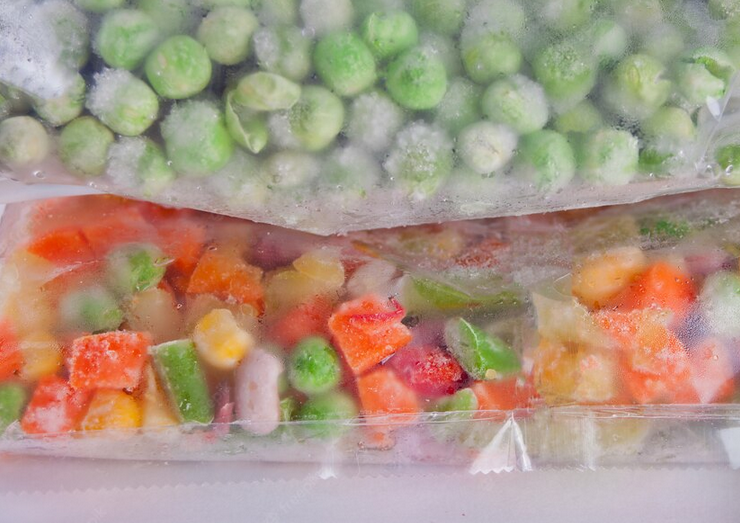
Have you ever wondered if you can bring freeze dried food back to life? Imagine having a pantry full of lightweight, shelf-stable meals that can be transformed into delicious dishes with just a splash of water.
This isn’t just a survivalist’s dream; it’s a practical solution for everyone from busy parents to outdoor enthusiasts. You might be curious about how this process works, or maybe you’re skeptical about the taste and texture of rehydrated food. Well, you’re in the right place.
You’ll discover the secrets behind rehydrating freeze dried food, tips to make it taste fresh, and how it can become a game-changer in your kitchen. Stay with us, and you’ll be surprised at what you can whip up in no time.

Credit: freezedry.eu
Basics Of Freeze Dried Food
Freeze dried food is a popular choice for long-term storage and easy meals. It keeps food fresh by removing moisture without cooking it. This process preserves taste, texture, and nutrients well. Understanding the basics helps you use freeze dried food better.
What Is Freeze Drying
Freeze drying removes water from food by freezing it first. Then, it uses low pressure to turn ice directly into vapor. This method avoids heat, so food stays close to its original form. It also stops bacteria and mold from growing.
Types Of Freeze Dried Foods
- Fruits like strawberries, apples, and bananas
- Vegetables such as peas, corn, and carrots
- Meat products including chicken, beef, and fish
- Complete meals like soups and pasta dishes
- Dairy items like cheese and milk powder
Benefits Of Freeze Dried Food
- Long shelf life, often up to 25 years
- Lightweight and easy to carry
- Retains nutrients better than other drying methods
- Quick and simple to rehydrate
- Preserves flavor and texture well
How Freeze Dried Food Works
Understanding how freeze dried food works is key to knowing if you can successfully rehydrate it later. Freeze drying removes moisture while keeping most of the food’s original qualities intact. This process makes food lightweight and shelf-stable, perfect for long-term storage or quick meals on the go.
Removal Of Moisture
Freeze drying starts by freezing the food solid. Then, under low pressure, the ice changes directly from solid to vapor without melting. This process, called sublimation, removes nearly all the water content.
Without moisture, bacteria and mold can’t grow, which helps preserve the food. But have you ever wondered how this affects the food’s structure? Removing water this way keeps the shape and size mostly the same, unlike other drying methods.
Preservation Of Nutrients
Freeze drying locks in most vitamins and minerals because it avoids high heat. Heat often destroys nutrients in regular drying or cooking, but freeze drying keeps them stable. This means you get food that’s nearly as nutritious as fresh.
However, some very sensitive vitamins might still degrade a bit over time. Still, the nutrient loss is much less than other preservation methods. Think about how valuable this is when you rely on stored food for health and energy.
Texture And Flavor Changes
Freeze dried food can taste surprisingly fresh once rehydrated, but the texture might be different. Some foods regain their original softness, while others stay a bit spongy or dry. This happens because the moisture removal process affects cell walls.
Flavor often becomes more concentrated during freeze drying. When you add water back, the taste usually balances out well. Have you noticed how freeze dried fruits can be sweeter and more intense than fresh ones?
Steps To Rehydrate Freeze Dried Food
Rehydrating freeze dried food restores its texture and flavor. It requires simple steps. Proper rehydration ensures the food tastes fresh and enjoyable. Follow these key points to get the best results.
Choosing The Right Water
Use clean, fresh water for rehydration. Tap water often works well, but filtered water can improve taste. Avoid using salty or flavored water. The water should be safe to drink and free from contaminants.
Water Temperature Tips
Warm water speeds up the rehydration process. Use water around 100°F to 120°F (38°C to 49°C). Avoid boiling water, as it may damage food texture. Cold water works but takes longer to soak the food properly.
Proper Soaking Time
Soaking time varies by food type and size. Small fruits or vegetables need about 5 to 10 minutes. Larger pieces or dense foods may require 15 to 30 minutes. Check the texture; food should be soft but not mushy.
Common Mistakes In Rehydration
Rehydrating freeze-dried food might seem straightforward, but many people trip up on simple mistakes that affect taste and texture. These errors often lead to disappointment and wasted meals. Understanding common pitfalls can help you get the best results every time you rehydrate your food.
Using Too Much Water
Adding too much water is a frequent mistake that dilutes flavor and makes the food mushy. Freeze-dried food is designed to absorb a specific amount of water to regain its original texture. If you pour in excess water, your meal ends up bland and soggy rather than satisfying.
Try measuring the water carefully instead of guessing. You can always add a little more if needed, but it’s hard to fix a watery dish once it’s soaked too long. Have you ever ruined a camping meal by overhydrating it? It’s frustrating but avoidable.
Insufficient Soaking Time
Rushing the soaking process is another common issue. Freeze-dried food needs enough time to fully absorb water and soften. If you eat it too soon, the texture will be tough and dry, making the meal unpleasant.
Patience pays off. Follow the recommended soaking times on the package, or test your food by touching it. Does it still feel hard? Let it sit a bit longer. Your taste buds will thank you.
Ignoring Food Texture
Not paying attention to the texture of different freeze-dried foods can lead to poor results. Some ingredients rehydrate quickly, while others take more time or a different approach.
For example, freeze-dried fruits may only need a quick soak, but meats require longer soaking or cooking in hot water. Ignoring these differences means you might end up with chewy or gritty bites. Have you noticed how some foods just don’t rehydrate well? Adjusting your method based on texture can save your meal.
Tips For Perfect Rehydration
Rehydrating freeze dried food properly brings back its texture and flavor. It can be simple with a few useful tips. Pay close attention to water amounts, flavor boosts, and heating methods. These elements help restore the food’s original taste and make meals more enjoyable.
Adjusting Water Amounts
Start with the recommended water amount on the package. Some foods need more water to soften fully. Others require less to keep a firmer texture. Add water slowly and check the texture as you go. Use a spoon to mix well and ensure even moisture.
Enhancing Flavor After Rehydration
Freeze dried food can taste bland after rehydration. Adding simple seasonings improves flavor quickly. Try salt, pepper, herbs, or a splash of broth instead of plain water. Stir gently to blend flavors. Fresh herbs and spices also brighten the taste.
Using Heat For Faster Results
Warm water speeds up rehydration. Use hot water or gently heat the food on the stove. Avoid boiling to keep texture intact. Cover the food to trap steam and heat evenly. Stir occasionally to help water absorb faster and prevent clumps.
Credit: www.houndsy.com
Rehydrating Different Freeze Dried Foods
Rehydrating freeze dried foods restores their texture and flavor. Each type of food needs a slightly different approach. Understanding these differences helps you get the best taste and quality from your meals.
Vegetables And Fruits
Vegetables and fruits absorb water quickly. Use warm water to speed up the process. Let them soak for 5 to 10 minutes. Drain any extra water to avoid sogginess.
Some fruits rehydrate better with cold water to keep their shape. Avoid over-soaking to prevent mushiness. After rehydration, use them in salads, snacks, or cooking.
Meats And Proteins
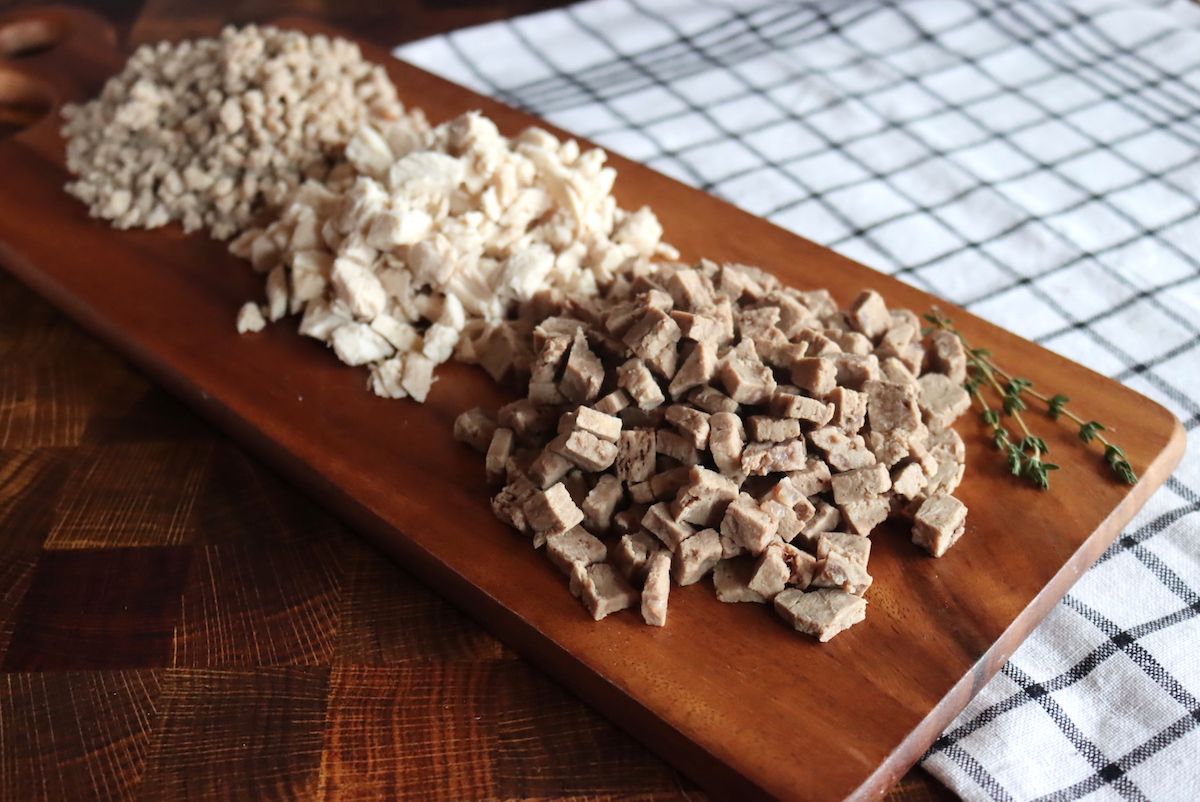
Meats and proteins need more care. Use hot water to rehydrate them. Soak for 15 to 30 minutes depending on size. Stir occasionally to separate pieces and improve texture.
Draining excess water helps retain flavor. For best results, rehydrate meats in broth or stock. This adds richness and depth to the protein.
Soups And Meals
Soups and complete meals often contain mixed ingredients. Add hot water directly to the freeze dried meal. Stir well to mix all components.
Let the meal sit for 10 to 20 minutes. Stir occasionally for even rehydration. Adjust water amount to match desired thickness.
Storing And Handling Rehydrated Food
Proper storage and handling of rehydrated freeze-dried food keep it fresh and safe. Once rehydrated, the food becomes vulnerable to bacteria and spoilage. Treat it like any other cooked meal. Cool it quickly, store it properly, and eat it soon.
Best Practices For Storage
- Use airtight containers to prevent moisture and air exposure.
- Store rehydrated food in the refrigerator below 40°F (4°C).
- Label containers with the date of rehydration for easy tracking.
- Avoid leaving rehydrated food at room temperature for long periods.
- Keep different foods separate to avoid cross-contamination.
Shelf Life After Rehydration
Rehydrated freeze-dried food lasts much shorter than dry food.
Most can be safely stored in the fridge for 3 to 5 days. Some foods, like meat or seafood, should be eaten within 1 to 2 days.
Freezing rehydrated food can extend shelf life but may affect texture.
Safety Tips
- Always wash hands before handling rehydrated food.
- Use clean utensils and containers to avoid contamination.
- Reheat food to at least 165°F (74°C) before eating.
- Do not refreeze rehydrated food after thawing.
- Discard food that smells off or looks moldy.
Credit: practicalselfreliance.com
Frequently Asked Questions
Can You Rehydrate Freeze Dried Food Safely?
Yes, freeze dried food can be safely rehydrated by adding water. Use clean, warm water for best results. Follow the package instructions for water quantity and soaking time. Proper rehydration restores texture and flavor effectively, making the food ready to eat.
How Long Does Freeze Dried Food Take To Rehydrate?
Rehydration typically takes 5 to 15 minutes, depending on the food type. Softer foods like fruits rehydrate faster than dense meals. Using warm water speeds up the process. Always check the texture to ensure the food is fully rehydrated before eating.
What Is The Best Water Temperature For Rehydrating?
Warm water between 100°F to 120°F (38°C to 49°C) is ideal. It dissolves freeze dried food quickly and evenly. Avoid boiling water, which can damage texture and nutrients. Cold water works but requires longer soaking times.
Can You Rehydrate Freeze Dried Meals Without Water?
No, water is essential to rehydrate freeze dried meals. Without water, the food remains dry and hard. Adding water restores moisture, texture, and flavor, making the food edible and enjoyable. Always use clean water for safety.
Conclusion
Freeze dried food can easily return to its original form. Just add water and wait a few minutes. The texture and flavor come back well most times. This makes freeze dried food great for camping or emergencies. It stays fresh for a long time without spoiling.
Keep in mind, some foods rehydrate better than others. Try different methods to find what works best. Overall, rehydrating freeze dried food is simple and effective. It saves time and keeps meals tasty.