Have you ever faced the frustration of a broken fishing rod just when you were ready to catch that big fish? It’s a common problem that can feel like the end of your fishing trip—but what if you didn’t have to throw your rod away?
You might be surprised to learn that many broken fishing rods can be repaired, saving you money and getting you back on the water faster. You’ll discover simple ways to fix your rod and tips to keep it strong for your next adventure.
Ready to bring your fishing gear back to life? Let’s dive in.
Common Fishing Rod Breaks
Fishing rods can break in different ways during use. Knowing the common breaks helps you decide if repair is possible.
Understanding the types of breaks and how to spot damage saves time and money on repairs or replacement.
Types Of Breaks
Fishing rods usually break in a few common places. Each break type has unique signs and repair needs.
- Tip Breaks:The rod tip often breaks from hitting hard objects or bending too far.
- Mid-Section Breaks:These breaks happen in the middle of the rod from strong pressure or impact.
- Handle or Butt Breaks:Damage near the handle occurs from dropping or heavy use.
- Guide Breaks:Rod guides can break or bend, affecting line flow and casting.
Identifying Damage
Check your rod carefully to find cracks, splinters, or loose parts. These signs show where the rod is weak or broken.
| Damage Type | How to Spot | Effect on Rod |
| Cracks | Look for lines or splits in the rod material | Weakens rod strength, may lead to breakage |
| Splinters | Small wood or fiberglass pieces sticking out | Can cause injury and reduce rod durability |
| Loose Guides | Wobbling or missing guide rings | Impairs line casting and retrieval |
| Loose Handle | Handle feels wobbly or detached | Makes rod hard to control and fish with |

Credit: www.youtube.com
Tools Needed For Repair
Fixing a broken fishing rod is possible with the right tools. Using proper supplies makes the job easier and safer. This guide lists what you need for a successful repair.
Some tools are must-haves, while others help you work faster or cleaner. Knowing the difference helps you prepare well.
Essential Supplies
These supplies are necessary for most fishing rod repairs. Keep them ready before you start.
- Epoxy or rod-building glue to bond parts
- Sandpaper of various grits to smooth surfaces
- Replacement rod tips or guides if needed
- Thread for wrapping and securing guides
- Masking tape to hold parts in place while drying
Optional Equipment
These tools are not required but improve the repair process. They offer more control and a cleaner finish.
| Tool | Purpose |
| Heat gun | Softens glue for easy removal of old parts |
| Rod drying motor | Rotates the rod to evenly cure epoxy |
| Fine brushes | Apply glue or finish precisely |
| Small clamps | Hold parts firmly during repair |
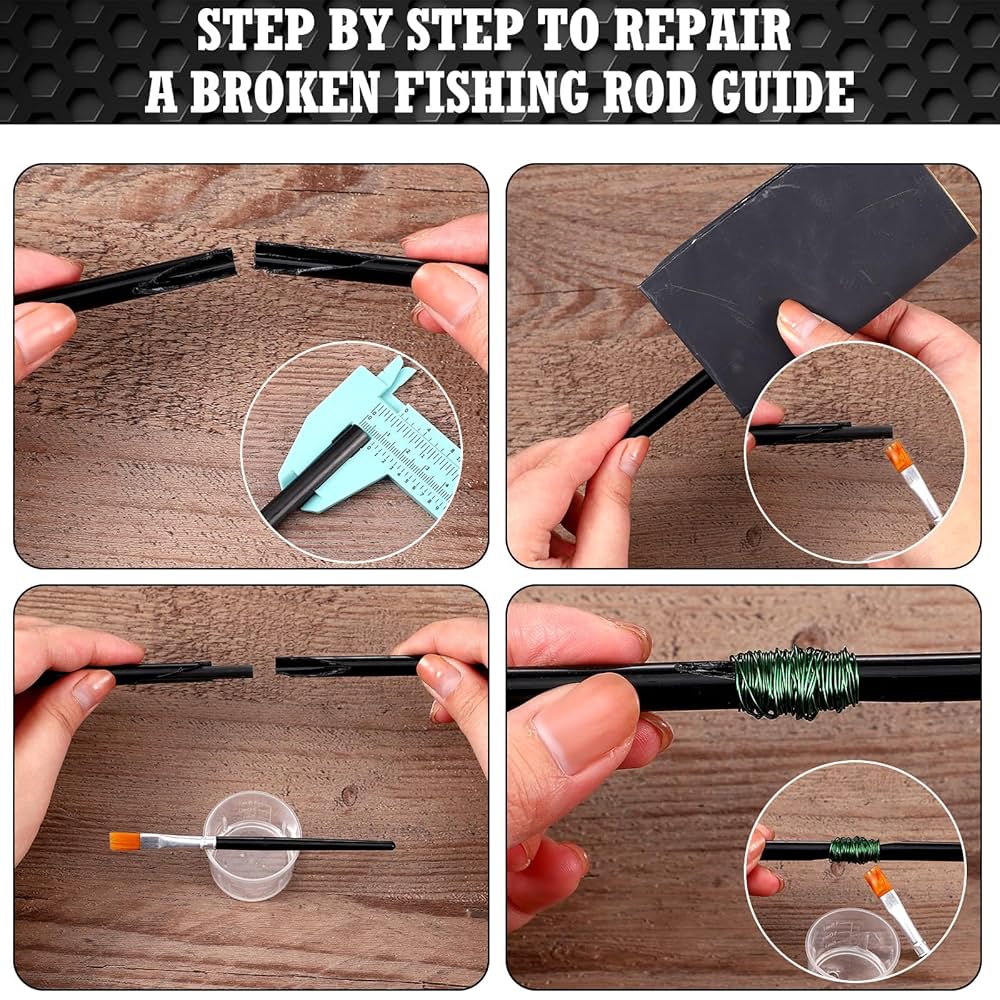
Step-by-step Repair Process
Fixing a broken fishing rod can save you money and keep you fishing longer. This guide shows the main steps to repair your rod carefully.
Follow each part to prepare, fix, and secure your rod so it works well again. You will need some tools and patience.
Preparing The Rod
Start by cleaning the broken area and checking the damage. Remove any loose pieces or dirt from the rod.
- Use sandpaper to smooth rough edges
- Clean the area with rubbing alcohol
- Gather tools like epoxy glue, tape, and a small brush
- Make sure the rod is dry before you continue
Fixing The Break
Glue the broken parts together carefully. Use a strong epoxy to hold the rod firmly.
- Mix the epoxy as instructed on the package
- Apply epoxy to both broken ends
- Press the ends together and hold firmly
- Remove extra glue before it dries
- Let the epoxy cure for the time advised
Securing The Repair
Wrap the repaired area to add strength and prevent future breaks. Use thread or tape to secure the fix.
| Material | Purpose | How to Use |
| Thread wrap | Strengthen joint | Wrap tightly around repair area |
| Clear tape | Protect wrap | Cover thread wrap to hold it in place |
| Epoxy coat | Seal and harden | Brush a thin layer over wrap and let dry |

Credit: www.ebay.com
When To Replace Instead
Not all broken fishing rods can be fixed. Sometimes replacing the rod is better.
Knowing when to replace saves money and avoids frustration on the water.
Severe Damage Signs
Some damage is too bad to repair safely or effectively. Watch for these signs:
- Cracks running through the rod blank
- Broken guides or missing eyelets
- Delamination or peeling of rod layers
- Loose or broken reel seat
- Warped or bent rod sections
Cost Vs. Value
| Repair Cost | Replacement Cost | When to Replace |
| $20 – $50 | $60 – $120 | Rod has minor damage, repair is cheaper |
| $50 – $100 | $100 – $150 | Consider replacement if rod quality is low |
| $100+ | $120 – $200 | Replace if repair cost nears replacement price |
Maintaining Your Fishing Rod
Keeping your fishing rod in good condition helps it last longer. Regular care can prevent damage and improve your fishing experience.
Simple steps in maintenance avoid costly repairs. Focus on preventing breaks and storing the rod properly.
Preventing Future Breaks
Handle your fishing rod gently to reduce the risk of breaks. Avoid bending the rod too much or using it for heavy loads beyond its limit.
- Check guides and reel seats for damage before fishing
- Use rod holders to avoid dropping or knocking it around
- Do not step on or place heavy objects on the rod
- Clean your rod after each use to remove dirt and salt
- Replace worn-out line guides to prevent line damage
Proper Storage Tips
Store your fishing rod in a dry, cool place to avoid warping or rust. Keep it away from direct sunlight and extreme temperatures.
| Storage Method | Benefit |
| Use a rod rack | Keeps rods straight and safe |
| Hang vertically | Prevents bending or pressure points |
| Store in protective tube | Protects from dust and physical damage |
| Remove reel | Reduces stress on rod and reel seat |
Professional Repair Services
Broken fishing rods can be fixed by experts who know the craft well. Professional repair services help bring your rod back to life.
These services use special tools and parts to ensure the rod works like new. They save you money compared to buying a new rod.
Finding A Specialist
Look for repair shops that focus on fishing gear. They have experience with different rod types and brands.
Ask about their repair process and if they offer a warranty. Good specialists will explain the work clearly.
- Search online for local fishing rod repair shops
- Check reviews from other fishing enthusiasts
- Visit tackle shops for recommendations
- Verify if they handle your rod type
What To Expect
When you bring your rod in, experts will inspect the damage. They check the guides, blank, and handle carefully.
Repairs may include fixing cracks, replacing guides, or rewrapping parts. The job usually takes a few days.
- Initial assessment of the rod’s condition
- Clear estimate of repair costs
- Use of quality replacement parts
- Testing the rod after repair
- Options for pickup or delivery

Credit: www.youtube.com
Frequently Asked Questions
Can You Fix A Snapped Fishing Rod?
Yes, a snapped fishing rod can often be repaired. Use a rod repair kit or a fiberglass rod to mend the break. Secure it with strong epoxy or resin. If the break is too severe, consider replacing the rod to ensure its performance and reliability.
What Materials Are Needed For Repair?
To repair a fishing rod, you’ll need a rod repair kit, which typically includes epoxy or resin, fiberglass rod, and sandpaper. These materials will help you mend the break effectively, ensuring the rod’s durability and performance during your next fishing adventure.
How Long Does A Repair Take?
Repairing a fishing rod usually takes a few hours. This includes time for the epoxy or resin to cure completely. However, it might take longer depending on the extent of the damage. Allow sufficient time for curing to ensure a strong and durable repair.
Is A Repaired Rod As Strong As Before?
A repaired rod can regain much of its original strength. However, it might not be as strong as before. Properly using repair materials and techniques can ensure a durable fix. Regularly check the rod for any signs of weakness or damage after repair.
Conclusion
Broken fishing rods can often be fixed with simple tools and patience. Small cracks or splits may need glue or tape. Larger breaks might require replacement parts or professional help. Repairing saves money and keeps your favorite rod ready. Don’t toss your rod at the first sign of damage.
Try fixing it yourself or ask an expert. Fishing is more fun when your gear works well. So, keep your rod in good shape and enjoy every catch.