Have you ever wondered if you can swap out the R22 refrigerant in your air conditioning system for something else? You’re not alone.
With environmental concerns and regulatory changes, many people are looking for alternatives. Whether you’re worried about the environment or just want to ensure your system is running efficiently, this is an issue that affects your comfort and your wallet. But before you make any changes, you need to know your options.
You might be surprised by what you find. Keep reading to discover the possibilities and learn how you can make an informed decision that benefits both your home and the planet.
Why Phase Out R22
R22, also known as Freon, was widely used in air conditioning and refrigeration systems. Over time, experts found it harmful to the environment and human health. Phasing out R22 is necessary to protect the planet and comply with laws.
Environmental Impact
R22 is a hydrochlorofluorocarbon (HCFC). It damages the ozone layer that shields Earth from harmful UV rays. This damage increases skin cancer risks and harms wildlife. R22 also has a high global warming potential, adding to climate change.
Regulatory Changes
Many countries have banned or limited R22 use. Laws require replacing R22 with safer refrigerants. These rules help reduce ozone depletion and climate change. Businesses must follow these laws to avoid fines and penalties.
Availability And Cost Issues
R22 production has stopped in many regions. This causes a shortage of R22 supplies. The price of R22 has increased sharply. Using alternative refrigerants is often cheaper and more reliable.

Credit: refrigerantscenter.com
Common R22 Alternatives
Finding the right alternative to R22 refrigerant is crucial if you’re looking to maintain or upgrade your HVAC system. Not every substitute fits perfectly, so understanding the common options helps you make a smart choice. Let’s look at some popular alternatives and what makes them unique for your needs.
R410a
R410A is a widely used replacement for R22, especially in newer air conditioning systems. It operates at higher pressure, which means your system must be compatible or modified accordingly. Many homeowners choose R410A because it offers better energy efficiency and is more environmentally friendly than R22.
Have you checked if your current system can handle higher pressure? This is crucial before considering R410A as a replacement.
R407c
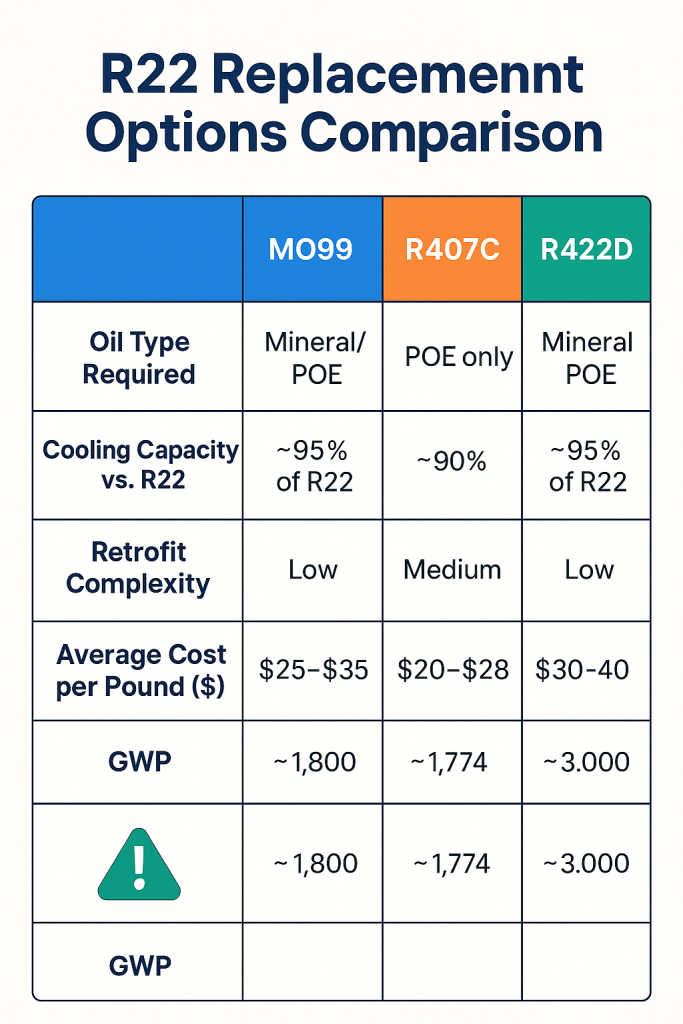
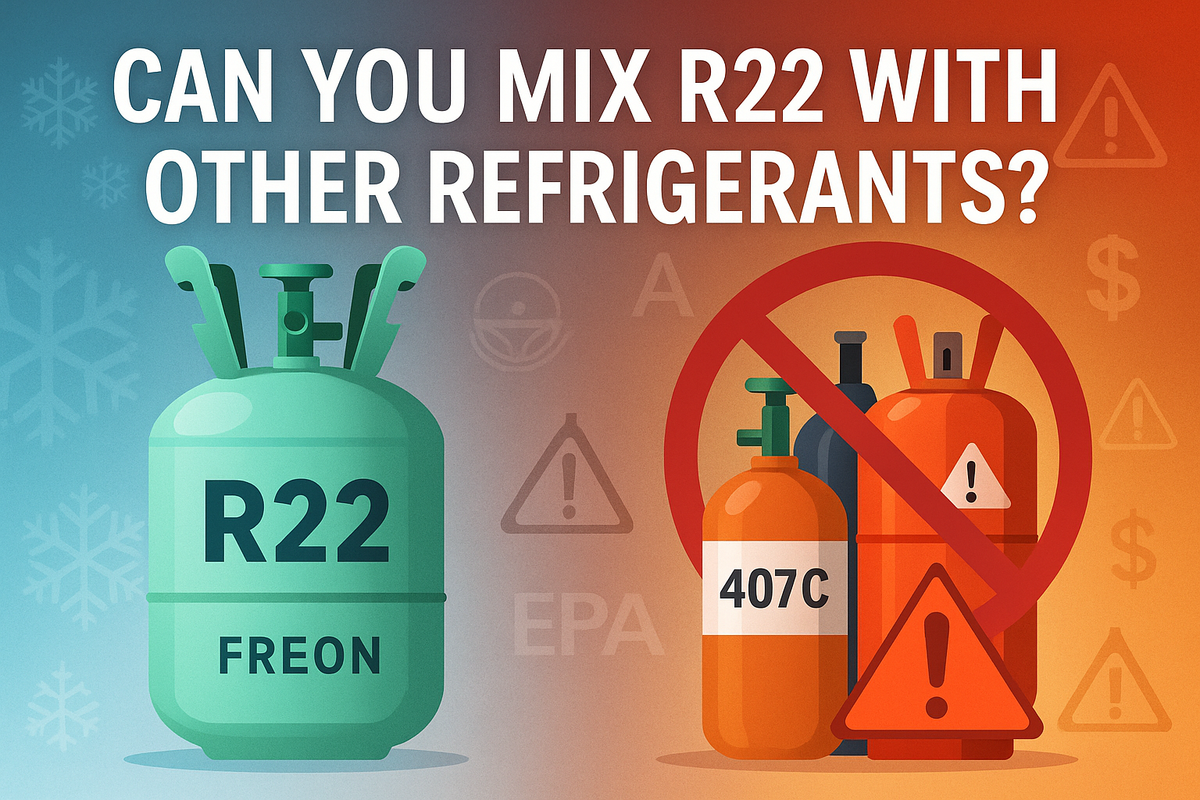
R407C is a blend designed to closely mimic the cooling properties of R22, making it a common retrofit option. It works well in existing systems with minimal modifications, which can save you time and money. However, it may not be as efficient as R410A, so factor that into your decision.
Think about how important energy savings are to you versus upfront retrofit costs.
R422d
R422D is another retrofit refrigerant that offers a good balance between performance and compatibility with R22 systems. It provides better lubricity, which helps protect your compressor over time. This makes it a reliable choice for those wanting to extend the life of their older equipment.
Would extending your current system’s life without major upgrades suit your budget and plans?
R134a
R134a is more commonly used in refrigeration and automotive air conditioning but can be adapted for some HVAC systems. It has low toxicity and is widely available, but it doesn’t work well at the higher pressures typical of residential AC units. Using R134a requires careful evaluation to avoid performance issues.
Is availability or environmental impact more important to you when selecting a refrigerant?
Compatibility Factors
Replacing R22 with another refrigerant isn’t as simple as swapping one can for another. The compatibility of your existing system with the new refrigerant plays a huge role in the success of the replacement. Understanding these compatibility factors can save you time, money, and headaches down the road.
System Design Differences
Your HVAC system was built specifically for R22’s properties. Different refrigerants have varied temperature ranges and heat transfer abilities. This means the compressor, evaporator, and condenser might not operate efficiently with a new refrigerant without some modifications.
Think about it: if the new refrigerant requires higher pressure to work properly, your system components might face extra stress or premature wear. Have you checked if your equipment’s design specs support the refrigerant you want to use?
Lubricant Compatibility
Lubricants are essential for your system’s compressor to run smoothly. R22 systems typically use mineral oil, but many alternative refrigerants require synthetic oils like POE (polyolester) oils. Mixing incompatible oils can cause poor lubrication, leading to compressor failure.
Switching refrigerants often means you’ll need to change the lubricant as well. It’s not enough to just add the new refrigerant—you must also ensure the oil type matches to avoid costly repairs. Have you verified what oil your replacement refrigerant needs?
Operating Pressure Variations
Each refrigerant operates at different pressures during the cooling cycle. R22 generally runs at moderate pressures, but some alternatives operate at much higher or lower pressures. This impacts system safety and performance directly.
Higher operating pressures might require stronger components or safety upgrades. On the other hand, lower pressures could reduce efficiency or cause other issues. Do you know how the pressure ranges of your chosen refrigerant compare to R22?
Retrofitting Considerations
Switching from R22 to a different refrigerant isn’t as simple as just topping off your system with a new chemical. You need to carefully evaluate your existing setup to avoid costly mistakes and ensure efficient operation. Retrofitting requires a clear plan and understanding of what your equipment can handle.
Assessing Equipment Condition
Before making any changes, thoroughly inspect your current HVAC system. Look for signs of wear, corrosion, or leaks that could worsen with a new refrigerant. If your system is old or damaged, replacing the refrigerant might not be enough—you could end up needing a full system upgrade.
Think about the compressor and seals too. Some refrigerants can be harsher on these components, so you want to be sure they’re in good shape or compatible. Have you checked your equipment’s age and maintenance history lately?
Necessary Component Changes
Not all parts in your system will work smoothly with a new refrigerant. You might need to swap out components like expansion valves, compressors, or oil types to match the chemical properties of the replacement refrigerant.
For example, R22 uses mineral oil, but many alternatives require synthetic oil, which means flushing the system thoroughly. Skipping this step can cause serious damage. Have you considered how much time and effort will go into these adjustments?
Cost Implications
Retrofitting can save money compared to a full system replacement, but unexpected costs often arise. Besides the price of the new refrigerant, factor in labor, new parts, and potential downtime.
Sometimes, the total cost edges close to that of a new system, especially if your equipment is outdated. Are you budgeting for hidden expenses like system flushing or leak repairs? Planning ahead can prevent budget surprises down the road.
Performance And Efficiency
Replacing R22 with another refrigerant raises important questions about how your system will perform and how efficiently it will run. You want to ensure that the new refrigerant keeps your cooling system effective without driving up energy costs or causing frequent breakdowns. Let’s look closely at how this change can impact key aspects of performance and efficiency.
Cooling Capacity
The cooling capacity of a refrigerant determines how well your system can lower indoor temperatures. Not all replacement refrigerants offer the same cooling power as R22. Some alternatives might reduce the cooling output slightly, meaning your system may struggle during hot days.
Have you noticed your AC takes longer to cool your space after switching refrigerants? This could be due to lower cooling capacity. Always check the specs of the replacement refrigerant to match or exceed your system’s original performance.
Energy Consumption
Energy efficiency is critical when replacing R22. Some newer refrigerants use less energy, which can lower your utility bills. However, others might require your system to work harder, increasing energy consumption.
Think about your energy bills before and after the switch. If you see a spike, the refrigerant might not be the best fit. Energy consumption depends on factors like pressure levels and how well the refrigerant circulates within your specific system.
System Reliability
The reliability of your HVAC system can change with a new refrigerant. Some replacements are compatible with existing equipment, while others may cause wear and tear or leaks if not handled properly.
Your system’s long-term health depends on the refrigerant’s chemical properties and how it interacts with oils and seals inside the unit. Have you experienced unusual noises or frequent repairs since the change? These can be signs of poor compatibility.
Environmental And Safety Aspects
Choosing a replacement for R22 refrigerant involves careful thought about environmental and safety factors. These aspects affect both the planet and the people handling the refrigerants. Understanding these points helps pick a safer and eco-friendlier option.
Ozone Depletion Potential
R22 belongs to hydrochlorofluorocarbons (HCFCs) that harm the ozone layer. This layer protects Earth from harmful UV rays. Many alternatives have zero ozone depletion potential (ODP). Choosing refrigerants with low or no ODP helps protect the ozone layer.
Global Warming Potential
Global warming potential (GWP) measures how much heat a gas traps in the atmosphere. R22 has a high GWP, contributing to climate change. Some replacements offer lower GWP values. These options reduce environmental impact and are better for the climate.
Handling And Safety Precautions
Every refrigerant has unique handling rules. Some are flammable or toxic, requiring extra care. Proper training is essential for safe use. Always use protective gear and follow manufacturer guidelines. Correct storage and disposal prevent accidents and environmental harm.
Hiring Professional Help
Replacing R22 refrigerant in your HVAC system isn’t a simple swap. It requires expertise to ensure the new refrigerant works efficiently and safely with your existing equipment. Hiring professional help can save you from costly mistakes and guarantee the job is done right the first time.
Certified Technicians
Choosing a technician with proper certification is crucial. Certified experts understand the specific requirements for handling refrigerants safely and comply with environmental regulations. Have you ever considered how much damage an improperly handled refrigerant can cause?
These professionals are trained to evaluate your system and recommend the best replacement refrigerant. Their experience helps avoid leaks and system failures that could result from an incorrect refrigerant choice.
Proper Equipment
Not every HVAC technician has the right tools for retrofitting your system from R22 to a newer refrigerant. Specialized equipment is necessary to recover old refrigerant, test for leaks, and ensure the new refrigerant is charged correctly. Without these tools, you risk damaging your system or reducing its efficiency.
Think about how important precision is when working with your HVAC unit. Professionals bring calibrated gauges, vacuum pumps, and refrigerant analyzers to the job, which are essential for a smooth transition.
Warranty And Support
Hiring a professional often comes with added benefits like warranties and ongoing support. If something goes wrong after the refrigerant replacement, you’ll want quick access to repairs and guidance. DIY attempts or unlicensed work might void your system’s warranty or leave you without help.
Would you rather spend extra now for peace of mind or risk higher costs later from improper handling? Professionals provide documentation and support that protect your investment long-term.

Credit: www.reddit.com
Credit: refrigerantscenter.com
Frequently Asked Questions
What Refrigerants Can Replace R22 Safely?
R410A, R407C, and R422D are common R22 replacements. They offer better efficiency and lower ozone depletion. Always consult a professional for compatibility and system adjustments before switching refrigerants.
Is It Legal To Use R22 Refrigerant Now?
R22 production and import are phased out in many countries due to environmental laws. Using existing R22 is allowed, but new installations must use alternatives. Check local regulations for compliance and options.
Can I Retrofit My Ac System For R22 Alternatives?
Yes, many systems can be retrofitted for R22 substitutes like R407C. Retrofitting requires component checks and oil changes to ensure performance. Hiring a certified technician is essential for a safe retrofit.
Are R22 Replacements More Energy-efficient?
Most R22 alternatives like R410A provide better energy efficiency. They reduce electricity consumption and lower operating costs. Efficiency depends on system design and proper installation.
Conclusion
Replacing R22 with another refrigerant needs careful thought and planning. Not all refrigerants work the same in every system. Choosing the right one depends on your equipment and needs. Always check compatibility and follow safety rules. A trusted HVAC professional can help you make the best choice.
Switching refrigerants can save energy and reduce environmental harm. Take time to research and act wisely for your cooling system’s future.