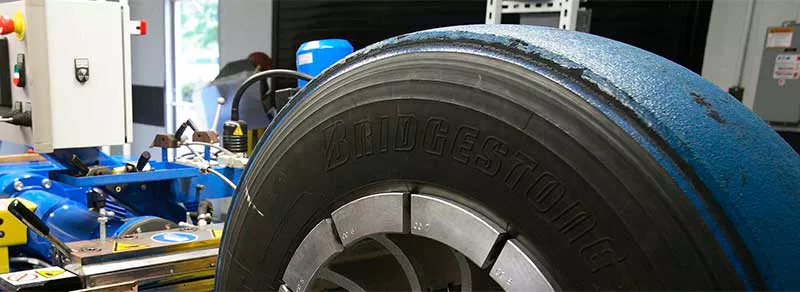
Have you ever wondered if you can retread your car tires? It’s a question many drivers ask when they see their tires wearing out but don’t want to spend a fortune on new ones.
Retreading might sound like a quick fix, but is it safe? Will it save you money in the long run? You’ll discover everything you need to know about retreading car tires—how it works, the benefits, the risks, and whether it’s the right choice for your vehicle.
Keep reading to find out if retreading could be the smart move you’ve been looking for.
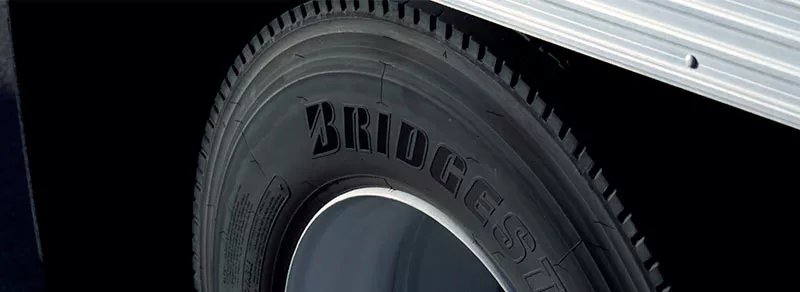
Credit: commercial.bridgestone.com
What Is Tire Retreading
Tire retreading is the process of replacing the worn tread on a tire. It gives an old tire a new life by adding new rubber on the surface.
This process saves money and reduces waste by using the tire’s original casing again.
Process Of Retreading
The first step is to inspect the tire for damage and wear. Only tires with strong casings can be retreaded.
Next, workers remove the old tread and prepare the tire surface. Then, they apply new tread rubber using heat and pressure.
- Inspect tire casing
- Buff off old tread
- Apply new tread rubber
- Cure the tire with heat
- Final inspection for quality
Materials Used
The main material used in retreading is new tread rubber. This rubber has strong grip and good wear resistance.
Other materials include bonding agents and curing compounds that help the new tread stick well to the tire casing.
- New tread rubber
- Bonding adhesives
- Curing compounds
- Protective coatings
Types Of Tires Suitable
Not all tires can be retreaded. Only tires with strong and undamaged casings are suitable.
Common tires for retreading include truck tires, bus tires, and some large car tires.
- Truck tires
- Bus tires
- Commercial vehicle tires
- Some passenger car tires
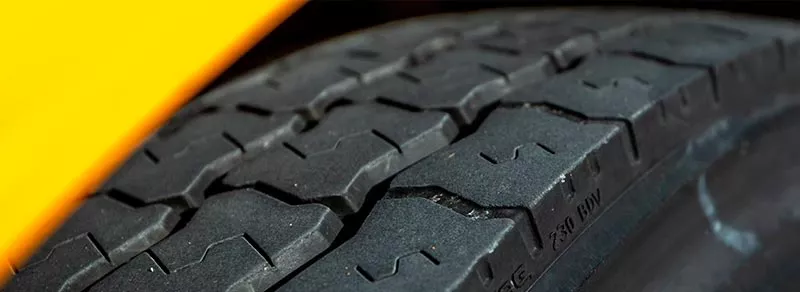
Credit: commercial.bridgestone.com
Benefits Of Retreading Tires
Retreading car tires is a practical way to reuse old tires safely. It saves money and helps the environment. Many drivers and businesses choose retreading for these reasons.
This process replaces worn tread with new material. It gives tires a fresh surface while keeping the original tire casing. Retreading can be done several times with good care.
Cost Savings
Retreading tires costs less than buying new ones. It uses fewer materials and less energy. This lowers the price for drivers and fleet owners.
- Retreaded tires cost about 30% to 50% less than new tires.
- They help reduce expenses for large vehicle fleets.
- Retreading saves money on tire disposal fees.
Environmental Impact
Retreading tires reduces waste and pollution. It lowers the number of tires sent to landfills. It also cuts down on raw material use like rubber and oil.
| Benefit | Effect |
| Less Waste | Fewer tires dumped in landfills |
| Resource Use | Reduces need for new rubber and oil |
| Energy Savings | Uses less energy than making new tires |
Extended Tire Life
Retreading extends the life of a tire by giving it a new tread. This allows the tire casing to be used again safely. Drivers get more miles from one tire.
Good maintenance and proper retreading can make tires last longer. This reduces the frequency of tire replacement for car owners.
Risks And Limitations
Retreading car tires means adding new tread on old tires. This can save money but has some risks and limits.
It is important to know these risks before choosing retreaded tires for your car.
Safety Concerns
Retreaded tires may not be as safe as new tires. Old tire damage can cause problems.
Weak spots in the tire can lead to blowouts or accidents. Also, retreads may wear out faster.
- Risk of tread separation at high speeds
- Possible hidden damage inside the tire
- Less reliable in wet or icy conditions
- May not meet all safety standards
Performance Differences
Retreaded tires usually do not perform like new tires. They can have less grip and traction.
This can affect braking, handling, and fuel efficiency. Retreads may also produce more road noise.
- Reduced traction on wet or slippery roads
- Shorter tread life compared to new tires
- Possible increase in rolling resistance
- May affect vehicle comfort and noise levels
Warranty Issues
Many tire makers do not cover retreaded tires under warranty. This means no free replacements.
Damage or failure of retreaded tires might not be covered by your car or tire warranty.
- Limited or no warranty from manufacturers
- Potential extra cost if tire fails early
- Insurance may not cover accidents caused by retreads
- Check warranty details before buying retreaded tires
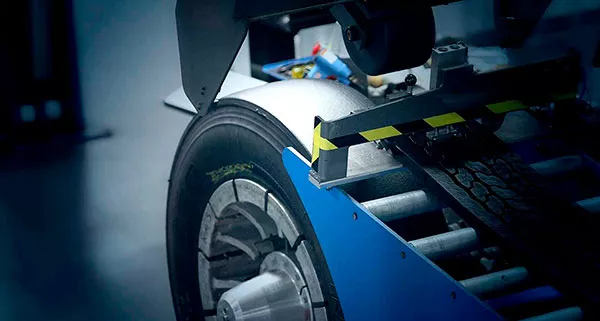
Credit: commercial.bridgestone.com
How To Choose A Retreading Service
Retreading car tires can save money and help the environment. Choosing the right service is important for safety and tire life.
Look for a service that uses good materials and follows strict quality rules. This guide helps you pick a reliable retreading service.
Reputation And Certification
Check if the retreading service has a good reputation. Read reviews and ask for recommendations from friends or mechanics.
Make sure the service has proper certification. Certified services follow safety and quality standards in tire retreading.
- Look for certificates from tire industry groups
- Check if they meet local safety regulations
- Ask about their experience and customer feedback
Technology Used
Good retreading services use modern machines and methods. Technology affects how well the tire performs after retreading.
Ask about the types of equipment and materials they use. Newer technology usually means better safety and longer tire life.
- Look for services that use automated buffing and inspection
- Check if they use high-quality tread rubber
- Find out if they test tires after retreading
Pricing And Guarantees
Compare prices from different retreading services. Low price is good but not if quality is low.
Ask if they offer any guarantees on their work. A warranty shows they trust their retreading process.
- Get a clear price quote before work starts
- Check what the warranty covers and how long it lasts
- Look for services that fix problems without extra cost
Maintenance Tips For Retreaded Tires
Retreaded tires can save money and help the environment. They need proper care to stay safe and last long.
Regular maintenance helps you get the best use from retreaded tires. Keep them in good shape with simple tips.
Proper Inflation
Check tire pressure often to keep it at the right level. Underinflated or overinflated tires wear out faster.
Use a reliable gauge and follow the vehicle maker’s pressure guide. Check pressure when tires are cold for accuracy.
- Low pressure causes more heat and tire damage
- High pressure reduces tire grip and comfort
- Correct pressure improves fuel efficiency and safety
Regular Inspections
Look at your retreaded tires regularly. Find cuts, cracks, or bubbles on the surface or sidewalls.
Check the tread depth and look for uneven wear. Remove stones or debris stuck in the tire grooves.
- Replace tires with visible damage
- Watch for worn tread to keep good traction
- Catch problems early to avoid accidents
Rotation And Alignment
Rotate your tires every 5,000 to 7,000 miles. This helps them wear evenly and last longer.
Keep your wheels aligned. Poor alignment causes uneven tire wear and reduces handling control.
- Follow your car maker’s rotation pattern
- Get alignment checked if steering pulls to one side
- Proper rotation and alignment improve ride comfort
When To Avoid Retreading
Retreading car tires can save money and resources. Still, not all tires should be retreaded.
Knowing when to avoid retreading helps keep you safe on the road.
Severe Tire Damage
Do not retread tires with serious damage. This includes deep cuts, sidewall cracks, or exposed cords.
- Large punctures or holes
- Heavy tread wear below safe levels
- Visible damage to tire structure
Unsuitable Tire Types
Some tires are not good candidates for retreading. This depends on their original design and materials.
| Tire Type | Retreading Suitability |
| Radial tires with steel belts | Usually suitable |
| Bias-ply tires | Often suitable |
| Run-flat tires | Not recommended |
| High-performance tires | Not suitable |
| Low-profile tires | Not suitable |
High-performance Needs
Do not retread if you need top tire performance. Retreaded tires may not handle high speeds or sharp turns well.
Retreaded tires are less reliable for:
- Sports cars
- Race vehicles
- Performance driving
Frequently Asked Questions
Can You Retread Car Tires Safely?
Yes, car tires can be retreaded safely if done by professionals. Retreading restores tire tread, extending tire life and saving money. However, it is important to inspect tires for damage before retreading to ensure safety and performance on the road.
How Long Do Retreaded Tires Last?
Retreaded tires typically last about 80% as long as new tires. Their lifespan depends on tire quality, driving habits, and maintenance. Regular inspections and proper inflation help maximize retreaded tire durability and safety for everyday use.
Are Retreaded Tires Cost-effective?
Retreaded tires cost 30-50% less than new tires, making them economical. They offer similar performance and safety when properly maintained. This option is popular for budget-conscious drivers wanting to extend tire life without compromising quality.
Can All Tires Be Retreaded?
Not all tires qualify for retreading. Tires with severe damage or worn sidewalls cannot be retreaded. Only tires with good casing and minimal damage are suitable. A professional assessment is necessary to determine retread eligibility.
Conclusion
Retreading car tires offers a sustainable choice. It reduces waste and saves money. Many drivers find it a practical solution. Yet, it’s not for everyone. Safety checks are important before choosing retreads. Ensure your tire meets all standards. Consult with a tire professional.
They can guide your decision. Consider your driving needs and conditions. Retreaded tires can serve well for many. Make informed choices for safety and efficiency. Proper care extends tire life. Ultimately, retreading supports eco-friendly practices and budget-conscious driving.