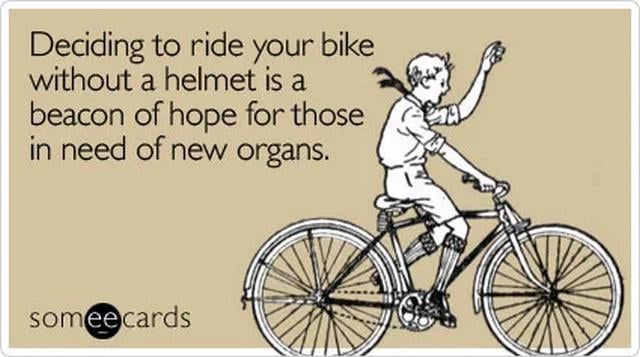
Can you really ride a bike without a helmet and stay safe? You might think it’s just extra gear or a hassle, but what if skipping a helmet could put you at serious risk?
Whether you’re a casual rider or a daily commuter, understanding the real impact of riding without a helmet can change the way you think about your safety. Keep reading to discover surprising facts and smart tips that could protect you every time you hit the road.
Don’t make a choice that could cost you—learn what you need to know now.
Helmet Laws Around The World
Riding a bike can be fun and healthy. But wearing a helmet is important for safety. Different countries have different rules about helmets.
Some places require helmets for all riders. Others have no rules at all. Age can also affect helmet laws in many regions.
Countries With Mandatory Helmet Rules
Some countries have strict helmet laws. They require all bike riders to wear helmets.
- Australia: Helmets are mandatory for all cyclists.
- New Zealand: All bike riders must wear helmets.
- Canada: Most provinces require helmets for all ages.
Regions Without Helmet Requirements
Some places do not require helmets for bike riders. Riders can choose to wear one or not.
- Netherlands: Helmets are not required by law.
- Denmark: No laws mandate helmet use.
- India: Helmets are optional in many states.
Age-specific Helmet Regulations
In some countries, helmet laws depend on the rider’s age. Younger riders must wear helmets.
| Country | Age Requirement |
| United States | Many states require helmets for riders under 18. |
| United Kingdom | No national law, but local laws may require helmets for children. |
| Spain | Helmets required for riders under 16. |

Credit: www.alamy.com
Risks Of Riding Without A Helmet
Riding a bike without a helmet can lead to serious injuries. Many people do not realize the full risk of not wearing one.
Understanding the dangers helps riders make safer choices and protect their health.
Head Injury Statistics
Thousands of cyclists suffer head injuries every year. A large number of these injuries happen without helmet protection.
- About 75% of bike-related deaths involve head injuries.
- Wearing a helmet reduces the risk of head injury by 50%.
- Children are more likely to get serious head injuries when not wearing helmets.
Impact On Brain Health
Head injuries can cause brain damage. This damage may affect memory, speech, and movement.
| Type of Injury | Possible Effects |
| Concussion | Confusion, headache, dizziness |
| Skull Fracture | Severe pain, bleeding, brain swelling |
| Traumatic Brain Injury | Long-term cognitive and physical problems |
Long-term Consequences
Not wearing a helmet can lead to lasting problems. Some effects may appear weeks or months later.
- Permanent memory loss or difficulty learning new things
- Chronic headaches and dizziness
- Emotional changes like depression or anxiety
- Reduced ability to work or perform daily tasks
Benefits Of Wearing A Helmet
Wearing a helmet while riding a bike helps protect your head. It lowers the risk of serious injury if you fall or crash.
Helmets also add safety features that make you more visible to others on the road. This makes riding safer for everyone.
Protection Against Impact
Helmets absorb shock and reduce the force on your skull during a crash. They act as a barrier between your head and hard surfaces.
This protection lowers the chance of skull fractures and brain injuries. It can save your life in severe accidents.
Reducing Severity Of Injuries
Wearing a helmet can reduce the seriousness of head injuries. It helps keep your brain safer even if you fall.
- Helmets cushion the head by spreading out impact forces.
- They prevent cuts and bruises to the scalp and face.
- Helmets lower the risk of concussion and traumatic brain injury.
Enhanced Visibility And Safety Features
Many helmets come with bright colors and reflective materials. These help others see you on the road, especially in low light.
| Helmet Feature | Benefit |
| Bright Colors | Make you more visible to drivers |
| Reflective Strips | Reflect light for better visibility at night |
| Built-in Lights | Improve safety on dark roads |

Credit: basebikes.com.au
Common Misconceptions About Helmets
Many people have wrong ideas about bike helmets. These ideas can stop them from wearing helmets.
Understanding the truth about helmets helps riders stay safe and enjoy biking more.
Helmets And Comfort
Some think helmets are heavy and make the head hot. This is not always true.
Modern helmets are light and have vents. They let air flow to keep the head cool.
- Lightweight materials reduce pressure on the head
- Ventilation holes improve air circulation
- Adjustable straps provide a secure but comfortable fit
Effect On Riding Performance
Some people believe helmets slow them down or make riding harder. This is a myth.
Helmets do not affect how fast or well you ride. They protect your head without getting in the way.
- Streamlined designs reduce wind resistance
- Proper fit prevents helmet movement during rides
- Comfortable padding helps focus on riding
Helmet Effectiveness Myths
Many believe helmets do not protect well or only work in big crashes. This is false.
Helmets reduce head injuries in many types of accidents. They save lives even in minor crashes.
- Helmets absorb impact energy to protect the skull
- They reduce the chance of brain injury
- Wearing a helmet lowers the risk of serious harm
Choosing The Right Helmet
Riding a bike without a helmet can be risky. Picking the right helmet helps keep you safe. It also makes your ride more comfortable.
There are many helmets on the market. Knowing what to look for will help you choose the best one.
Safety Certifications To Look For
Safety certifications show that a helmet meets certain safety standards. These tests check how well a helmet protects your head.
- CPSC: Required in the US for bike helmets
- ASTM F1447: Standard for bike helmets
- Snell B90/B95: Higher safety standards for helmets
- EN 1078: European helmet safety standard
Proper Fit And Comfort Tips
A helmet must fit well to protect you properly. It should feel snug but not tight. Comfort encourages you to wear it every time you ride.
- Measure your head size before buying
- Adjust straps so the helmet sits level on your head
- Check that the helmet does not move when you shake your head
- Look for helmets with padding for extra comfort
- Try the helmet on with your usual riding gear
Helmet Types For Different Riding Styles
Different helmets suit different kinds of riding. Choose one that matches how and where you ride your bike.
- Road Helmets: Lightweight and ventilated for speed
- Mountain Bike Helmets: Extra coverage and durability
- Commuter Helmets: Simple design with good visibility
- Full-Face Helmets: Maximum protection for downhill or BMX
- Urban Helmets: Stylish with added safety features
Helmet Maintenance And Replacement
Riding a bike safely means wearing a helmet. Keeping your helmet in good shape is very important. Knowing when to replace it helps protect your head well.
This guide explains how to care for your helmet, spot damage, and decide when to get a new one.
When To Replace Your Helmet
Helmets do not last forever. You should replace your helmet if it is old or has been in a crash. Most helmets last about five years.
- Replace after any crash, even if no damage shows.
- Replace if the helmet is over five years old.
- Replace if the helmet shows clear signs of damage.
- Replace if straps or padding wear out and can’t be fixed.
Cleaning And Care Guidelines
Keep your helmet clean to make sure it lasts longer and stays safe. Dirt and sweat can harm the materials.
- Use mild soap and warm water to clean the shell and straps.
- Do not use strong chemicals or solvents on the helmet.
- Remove the padding and wash it by hand if needed.
- Let the helmet air dry naturally away from heat or sunlight.
- Store the helmet in a cool, dry place to avoid damage.
Signs Of Helmet Damage
| Type of Damage | What to Look For |
| Cracks | Visible cracks on the shell or foam |
| Dents | Indentations or dents on the helmet surface |
| Loose Parts | Straps or buckles that do not hold firmly |
| Worn Padding | Padding that is torn, compressed, or missing |
| Fading or Discoloration | Fading from sun damage or chemicals |
Promoting Helmet Use
Riding a bike without a helmet increases the risk of head injury. Wearing a helmet protects riders from serious harm. Promoting helmet use helps keep everyone safe on the road.
Communities and families play a big role in encouraging helmet use. Simple steps can make a big difference in safety for all bike riders.
Community Awareness Campaigns
Community campaigns teach people why helmets are important. They share stories and facts to raise awareness. These campaigns often include events and talks that reach many people.
- Organize safety workshops at schools and parks
- Distribute flyers with helmet safety tips
- Use social media to spread helmet use messages
- Partner with local bike shops for helmet discounts
Incentives For Helmet Wearing
Incentives encourage more riders to wear helmets. Rewards can be simple but effective. They make helmet use more appealing for children and adults.
| Incentive | Benefit |
| Discounts on bike gear | Saves money for helmet buyers |
| Helmet design contests | Makes helmets fun and personal |
| Recognition at school or clubs | Builds pride in wearing a helmet |
Role Of Parents And Educators
Parents and teachers guide children to wear helmets every time. They set a good example by wearing helmets themselves. Their support helps make helmet use a habit.
Tips for parents and educators:
- Always remind children to wear helmets before riding.
- Explain how helmets protect the brain and save lives.
- Keep helmets in easy-to-find places at home and school.
- Encourage friends to wear helmets too.

Credit: www.greensafaris.com
Frequently Asked Questions
Can You Legally Ride A Bike Without A Helmet?
Helmet laws vary by location. Some places require helmets for all riders, others only for minors. Check local laws before riding without a helmet to ensure compliance and safety.
What Are The Risks Of Biking Without A Helmet?
Riding without a helmet increases the risk of head injuries and traumatic brain injury. Helmets protect against severe impacts and reduce injury severity during accidents.
Do Helmets Improve Cycling Safety Significantly?
Yes, helmets significantly reduce the risk of head injury. Studies show they lower the chance of serious brain trauma and death in crashes, enhancing overall cycling safety.
Are There Places Where Helmets Are Not Required?
Many regions exempt adult cyclists from helmet laws, while others mandate helmets for all. Always verify local regulations to know if helmet use is legally required in your area.
Conclusion
Riding a bike without a helmet is possible but risky. Heads are fragile, and accidents happen fast. Helmets protect you from serious injuries and save lives. Choosing safety shows you care about your future. Stay smart, wear a helmet every time you ride.
It’s a small step that makes a big difference. Keep riding fun and safe for yourself and others. Safety should always come first on the road.