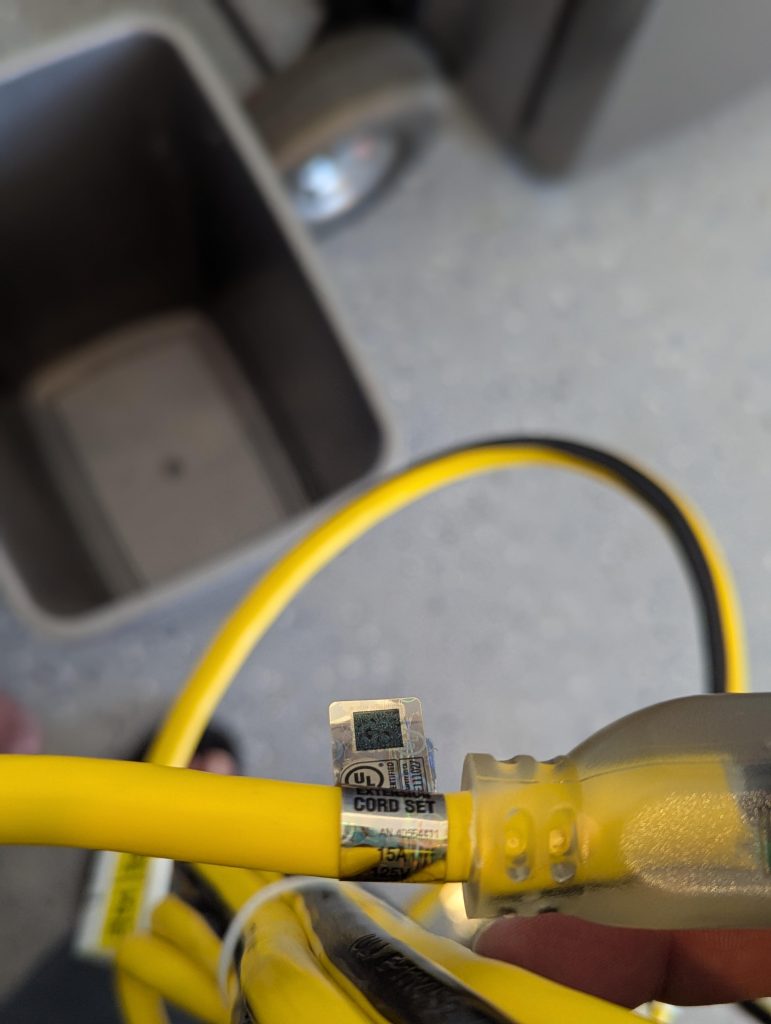
Have you ever found yourself in a situation where your refrigerator needs to be moved, but the nearest power outlet seems just out of reach? The thought of using an extension cord might pop into your mind.
But can you safely run a refrigerator off an extension cord? Before you make that decision, it’s crucial to know the facts. Understanding the dos and don’ts can save you from potential hazards and ensure your appliance runs smoothly. Your curiosity might just lead you to some surprising discoveries.
So, let’s dive into what you really need to know about using extension cords with refrigerators, keeping both safety and efficiency in mind. Trust us, you won’t want to miss this.

Credit: www.reddit.com
Extension Cord Basics
Extension cords are common tools in many homes. They allow you to place devices farther from power outlets. Knowing the basics helps you use them safely and effectively. This is important when running large appliances like refrigerators.
Types Of Extension Cords
Extension cords come in different types. Some are designed for indoor use only. Others are made for outdoor conditions and are more durable. Heavy-duty cords handle more power and resist damage better. Choose the right type for your needs to avoid risks.
Cord Length And Gauge
Longer cords can cause power loss. The thickness of the wire, called gauge, affects this too. Lower gauge numbers mean thicker wires. Thicker wires carry more electricity safely over longer distances. Use shorter cords or thicker gauge for appliances like refrigerators.
Power Ratings
Every cord has a power rating. This shows the maximum current it can handle. Using a cord with too low a rating can cause overheating. It can damage the cord and your appliance. Always check the power rating matches or exceeds your refrigerator’s needs.
Refrigerator Power Needs
Understanding the power needs of a refrigerator is crucial before using an extension cord. Refrigerators require a steady and sufficient power supply to operate efficiently. The power demand varies at different times, especially when the compressor starts. Knowing these details helps avoid electrical issues and keeps the fridge running safely.
Starting Vs Running Current
Refrigerators need more power to start than to run continuously. This higher power is called the starting current or surge current. It can be two to three times the running current. The running current is the steady power needed to keep the fridge cold after it starts. Extension cords must handle both currents without overheating or voltage drops.
Typical Wattage
Most refrigerators use between 100 and 800 watts during normal operation. Smaller models consume less power, around 100 to 200 watts. Larger or older models may use more, up to 800 watts. The starting wattage is higher and can reach 1200 to 1600 watts briefly. Knowing the wattage helps pick the right extension cord and avoid overloads.
Impact On Performance
Using an extension cord with insufficient capacity can reduce the fridge’s performance. Voltage drops cause the compressor to work harder, which may shorten its lifespan. The fridge may run less efficiently and increase energy use. A proper extension cord ensures the fridge runs smoothly and keeps food fresh longer.
Safety Concerns
Using an extension cord for a refrigerator raises important safety issues. Refrigerators need a steady and strong power supply. Extension cords may not always provide this, leading to risks that can damage the appliance or cause danger in your home.
Overheating Risks
Extension cords can heat up if they carry too much electrical load. Refrigerators draw high power, especially when the compressor starts. Thin or low-quality cords may not handle this, causing the cord to overheat. Overheated cords can melt the insulation, exposing wires and increasing shock risk.
Fire Hazards
Overheated extension cords can spark fires. Poor connections or damaged cords add to this danger. Fires caused by electrical issues often start unnoticed. Using an extension cord not rated for heavy appliances raises the chance of fire in your home.
Electrical Code Guidelines
Many electrical codes advise against using extension cords for major appliances. Codes require permanent wiring solutions for refrigerators. These rules protect homes from electrical hazards. Ignoring them may void insurance or cause legal issues after accidents.

Credit: www.amazon.ca
Choosing The Right Extension Cord
Choosing the right extension cord is key to safely running a refrigerator. The wrong cord can cause power loss or even damage the appliance. It is important to pick a cord that handles the refrigerator’s power needs properly.
Heavy-duty Options
Use heavy-duty extension cords designed for high power devices. These cords have thicker insulation and stronger wiring. They reduce the risk of overheating and electrical fires. Avoid thin or light cords meant for lamps or small electronics.
Proper Gauge Selection
Check the wire gauge of the extension cord. Lower gauge numbers mean thicker wires and better power capacity. For refrigerators, choose cords with a gauge of 14 or 12. Thinner wires can cause voltage drops and affect refrigerator performance.
Length Considerations
Keep the extension cord as short as possible. Longer cords increase resistance and reduce voltage. This can make the refrigerator work harder and use more energy. If a long cord is needed, pick a thicker gauge to handle the distance safely.
Best Practices For Use
Using an extension cord to power your refrigerator can be risky without the right precautions. Following best practices ensures safety and efficiency, preventing damage to your appliance and your home’s electrical system. Let’s look at some key steps to keep your refrigerator running smoothly when using an extension cord.
Avoiding Overloads
Extension cords have limits on how much power they can handle. Using one that’s not rated for your refrigerator’s wattage can cause overheating and even fires.
Check the amp rating on the cord and compare it with your fridge’s power needs. If your refrigerator pulls 10 amps, don’t use a cord rated for only 5 amps.
Also, avoid plugging other heavy appliances into the same circuit. Could a simple overload cause your fridge to stop working during a hot day?
Regular Inspection
Extension cords wear out over time. Inspect the cord for cracks, frays, or exposed wires regularly.
A damaged cord can cause shorts or electrical shocks. Unplug the cord and replace it immediately if you spot any damage.
Pay attention to any unusual heat or smells near the cord. These signs often indicate hidden problems that need quick action.
Proper Plugging Techniques
Always plug the extension cord directly into a wall outlet, not into another extension cord or power strip. Daisy-chaining cords increases the risk of failure.
Make sure the plug fits snugly in the outlet to avoid sparks. Loose connections can damage both the cord and your refrigerator.
Keep the cord untangled and off the floor to prevent tripping or damage from foot traffic. Do you often overlook how you plug in your devices?
Credit: www.jackery.com
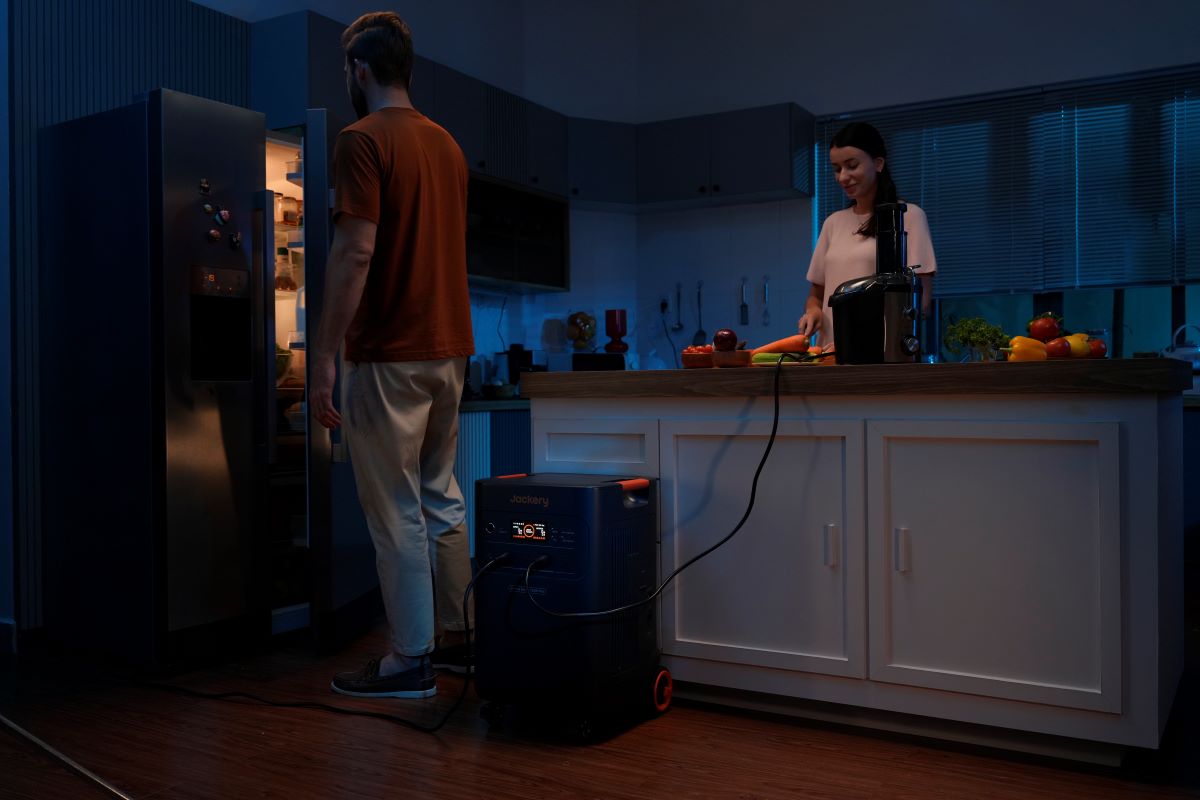
Alternatives To Extension Cords
Using an extension cord for your refrigerator might seem like a quick fix, but it’s not always the safest or most reliable choice. Luckily, there are better alternatives that protect your appliance and keep your home safe. Considering these options can save you from unexpected power issues and costly repairs.
Dedicated Outlets
A dedicated outlet means your refrigerator has its own power source without sharing it with other appliances. This setup prevents overloads and voltage drops that can damage your fridge. If you’ve ever noticed your fridge struggling or hearing unusual noises, it might be due to sharing power with too many devices.
Installing a dedicated outlet is often straightforward and worth the investment. It ensures consistent power flow, helping your refrigerator run efficiently. Have you checked if your kitchen has enough outlets designed specifically for heavy-duty appliances?
Power Strips With Surge Protection
Not all power strips are created equal, especially for high-energy devices like refrigerators. A power strip with surge protection can shield your fridge from sudden voltage spikes caused by storms or electrical issues. This extra layer of defense helps prevent damage to the compressor and electronic components.
Be careful to choose a power strip rated for heavy appliances. Many regular strips can’t handle the continuous current your fridge needs. Do you know the power rating of your current power strip, or is it time to upgrade to one that offers surge protection?
Professional Electrical Solutions
Sometimes, the best option is to call in an electrician. Professionals can assess your home’s wiring and recommend the safest, most efficient way to power your refrigerator. They can install new outlets or upgrade your existing electrical system to handle heavier loads safely.
Hiring a professional might feel like an extra expense, but it prevents fire hazards and costly appliance failures. Have you considered consulting an expert to ensure your fridge’s power setup meets safety standards?
Frequently Asked Questions
Can I Use Any Extension Cord For My Refrigerator?
Not all extension cords are safe for refrigerators. Use a heavy-duty cord rated for appliances. Ensure it matches your fridge’s power needs to avoid overheating or damage.
How Long Can A Refrigerator Run On An Extension Cord?
Running a refrigerator on an extension cord short-term is okay. Avoid long-term use as it may cause voltage drop and reduce efficiency.
What Gauge Extension Cord Is Best For Refrigerators?
A 14-gauge or thicker extension cord is ideal for refrigerators. Thicker cords reduce resistance and prevent overheating, ensuring safe and efficient operation.
Can Using An Extension Cord Damage My Refrigerator?
Using the wrong extension cord can damage your refrigerator. It may cause electrical issues, overheating, or motor failure. Always use a proper, heavy-duty cord.
Conclusion
Running a refrigerator on an extension cord can be risky. Not all cords handle the power a fridge needs. Using the wrong cord may cause overheating or damage. Choose a heavy-duty, grounded extension cord if needed. Keep the cord short and in good condition.
Always check the fridge’s power requirements first. Safety should come first to protect your appliance and home. When done right, it can work for short-term use. Think carefully before deciding to use an extension cord with your refrigerator.