Have you ever wondered if you can safely run your refrigerator on an extension cord? You’re not alone.
Many people find themselves in a pinch, needing to place their fridge just a little further from the outlet than the cord allows. But before you plug in and walk away, there’s a lot to consider. Using the wrong type of extension cord can lead to inefficiency, or worse, a safety hazard.
You’ll discover the do’s and don’ts of using extension cords with refrigerators. We’ll break down the technical jargon and give you clear, straightforward advice to keep your home safe and your food cold. Don’t miss out on these crucial tips that could save you time, money, and peace of mind. Stay with us, and by the end of this read, you’ll be equipped with the knowledge to make the best decision for your household.
Extension Cord Basics
Understanding the basics of extension cords is essential before deciding to plug in a refrigerator. Not all extension cords are built the same, and using the wrong type can cause safety hazards or damage your appliance. Let’s break down what you need to know about extension cords so you can make a safe and smart choice.
Types Of Extension Cords
Extension cords come in various types designed for different uses. You will find indoor cords, outdoor cords, and heavy-duty cords. Indoor cords are lighter and less durable, meant for low-power devices.
Outdoor cords are thicker and have extra insulation to protect against weather and rough surfaces. Heavy-duty cords are designed to handle high power loads and are often used for tools or appliances like refrigerators.
Choosing the right type depends on where and how you’ll use it. Have you ever tried using a thin indoor cord outside and noticed it getting warm or damaged quickly? That’s a clear sign you need a sturdier cord.
Cord Ratings And Capacity
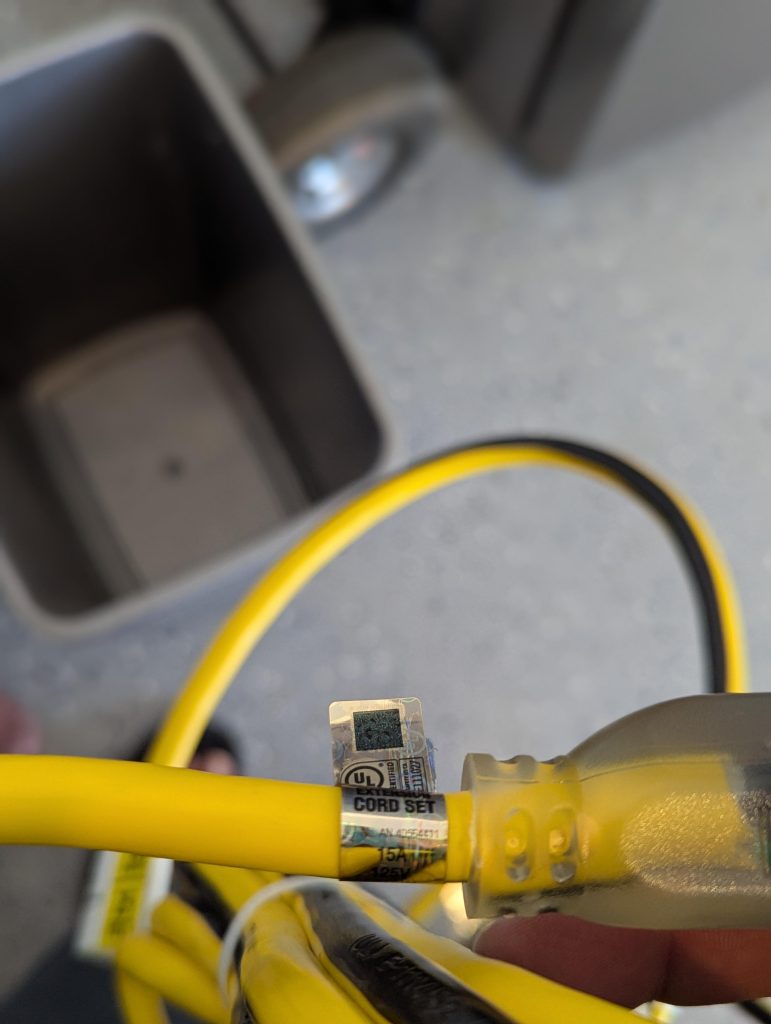
Every extension cord has a rating that tells you the maximum power it can safely carry. This is usually measured in amps or watts and printed on the cord or packaging.
For refrigerators, which require consistent and sometimes high power, using a cord with too low a rating can cause overheating or even electrical fires. A good rule is to pick a cord with a capacity higher than your refrigerator’s power needs.
Check your fridge’s manual or label to find its wattage or amperage. For example, if your refrigerator draws 6 amps, use an extension cord rated for at least 10 amps. This ensures the cord won’t overheat and keeps your appliance running safely.

Credit: www.amazon.com
Refrigerator Power Needs
Understanding the power needs of a refrigerator is important before using an extension cord. Refrigerators require a steady and adequate power supply to work efficiently. Knowing the wattage and amperage helps ensure safe and proper operation. This knowledge also prevents damage to the appliance and reduces the risk of electrical hazards.
Typical Wattage And Amperage
Most refrigerators use between 100 and 800 watts during normal operation. The average fridge consumes about 400 watts. The amperage usually ranges from 1 to 4 amps, depending on the size and model. Smaller fridges use less power, while larger or commercial models need more.
Power ratings can be found on the appliance label or manual. Understanding these numbers helps choose the right extension cord. The cord must support the current without overheating or causing voltage drops.
Startup Surge Considerations
Refrigerators require extra power when starting. This is called the startup surge or inrush current. It can be 2 to 3 times higher than the normal running current. The compressor motor needs this surge to begin cooling.
Extension cords must handle this surge safely. A cord rated only for normal running current may overheat or fail during startup. This can cause damage or even fire hazards. Always select an extension cord with a higher amperage rating than the fridge’s startup surge.
Risks Of Using Extension Cords
Using an extension cord for a refrigerator can lead to serious risks. These risks affect safety and the appliance’s performance. Extension cords are not always designed to handle the power needs of refrigerators. This can cause problems such as overheating or voltage drops. Understanding these risks helps you protect your home and fridge.
Overheating And Fire Hazards
Extension cords may overheat if they carry too much current. Refrigerators need a steady, strong power supply. A thin or long extension cord can cause heat buildup. This heat can melt the cord’s insulation. Exposed wires increase the chance of sparks and fires. Overheating also damages the cord and outlet. Using the wrong extension cord puts your home at fire risk.
Voltage Drops And Appliance Damage
Voltage drop happens when power weakens over a cord’s length. A long or low-quality extension cord causes voltage drops. The fridge may get less voltage than it needs. Low voltage makes the compressor work harder. This stress can shorten the fridge’s lifespan. The fridge might run inefficiently or stop cooling well. Voltage drops also increase electricity use and repair costs.

Credit: www.reddit.com
Choosing The Right Extension Cord
Choosing the right extension cord for your refrigerator is more important than most people realize. Using the wrong cord can cause your fridge to run inefficiently or even become a safety hazard. Let’s break down what you need to know to pick a cord that keeps your refrigerator running smoothly and safely.
Gauge And Length Recommendations
The gauge of an extension cord refers to the thickness of its wires. Thicker wires have a lower gauge number and can handle more electrical current.
For refrigerators, a 14-gauge cord is usually the minimum, but 12-gauge is better if your cord needs to be longer than 25 feet. Why does length matter? The longer the cord, the more resistance it has, which can reduce power and strain your appliance.
Try to keep the cord length as short as possible. For example, if your fridge is 15 feet from the outlet, a 14-gauge cord will work fine. But if you need 50 feet, go for 12-gauge to avoid voltage drops.
Grounded Vs. Ungrounded Cords
Safety is key when running a refrigerator on an extension cord. A grounded cord has three prongs, including a grounding pin, which protects against electrical shocks and short circuits.
Never use an ungrounded two-prong cord with your refrigerator. It may seem convenient, but it puts you at risk and can damage your appliance.
Always check that your extension cord is grounded and rated for your fridge’s power needs. Have you ever thought about the dangers of using a cheap, ungrounded cord just to save a few bucks? It’s not worth it.
Safe Usage Practices
Using a refrigerator with an extension cord can be tricky, but focusing on safe usage practices helps prevent hazards and ensures your appliance runs smoothly. It’s not just about plugging it in; the way you set up and use the cord makes a big difference. Let’s look at how to handle this responsibly.
Proper Cord Placement
Place the extension cord where it won’t cause tripping or get pinched by doors or furniture. A cord lying across a walkway can easily get damaged or cause accidents, so think about where you route it carefully.
Make sure the cord is fully uncoiled before use. Coiled cords can overheat, which increases fire risk. I once ignored this and ended up with a hot cord that scared me enough to replace it immediately.
Keep the cord away from water or damp areas. Even a small spill can create a dangerous shock hazard, so placing it in dry, secure spots is crucial.
Avoiding Overloads
Check the extension cord’s wattage rating before plugging in your fridge. Refrigerators use a lot of power, especially when the compressor starts, so a low-rated cord can’t handle the load safely.
Never plug multiple high-power appliances into the same extension cord. Overloading can cause the cord to overheat and potentially start a fire. Ask yourself: is it worth the risk just to avoid moving the fridge closer to a wall outlet?
Use cords with a heavy-duty rating designed for appliances. These cords often have thicker insulation and better wiring to handle the current your fridge demands.
Alternatives To Extension Cords
Using an extension cord for your refrigerator might seem like a quick fix, but it’s often not the safest or most reliable option. Luckily, there are better alternatives that protect your appliance and your home’s electrical system. Let’s look at practical solutions you can implement to keep your fridge running smoothly without risking damage or power issues.
Dedicated Circuits
One of the best ways to power your refrigerator is by installing a dedicated circuit. This means the fridge has its own electrical line, separate from other devices. It prevents overloads and voltage drops, which can harm your appliance or cause it to run inefficiently.
Have you ever noticed your fridge making unusual noises or not cooling well after plugging in other heavy appliances nearby? That’s often a sign of shared circuits struggling to handle the load. A dedicated circuit solves this by providing consistent, clean power tailored for the fridge’s needs.
Professional Electrical Solutions
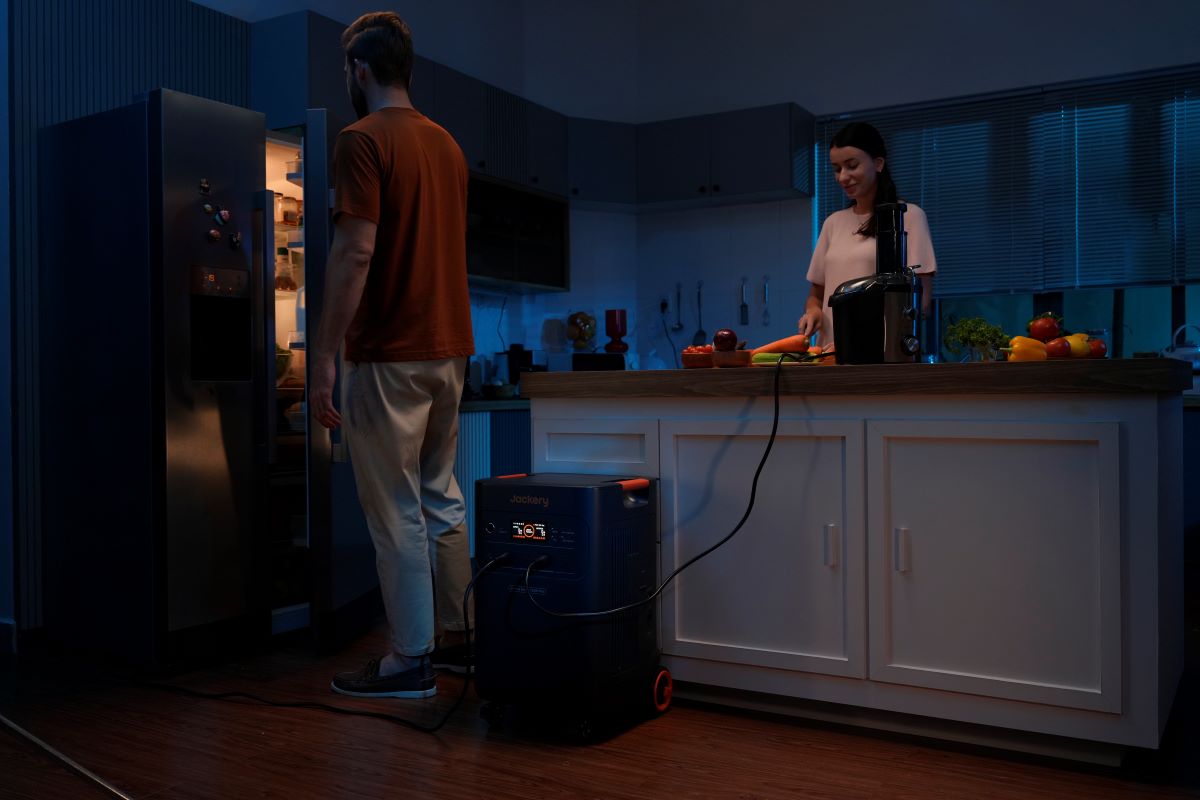
If you’re unsure how to set up a dedicated circuit or want a safer alternative to extension cords, consulting a licensed electrician is a smart move. Professionals can assess your home’s wiring and suggest upgrades or custom solutions that fit your space and budget.
They might recommend installing a longer, properly rated outlet closer to your fridge or upgrading your breaker panel. Sometimes, small changes like these can make a huge difference in appliance performance and safety. Wouldn’t you rather invest a bit now to avoid costly repairs or hazards later?
Credit: www.jackery.com
Frequently Asked Questions
Can You Safely Run A Refrigerator On An Extension Cord?
Running a refrigerator on an extension cord is generally not recommended. Extension cords can cause voltage drops and overheating, risking appliance damage and fire hazards. If necessary, use a heavy-duty, properly rated cord designed for refrigerators to ensure safety and performance.
What Type Of Extension Cord Is Best For Refrigerators?
Use a heavy-duty extension cord with a gauge of 14 or lower for refrigerators. The cord must support the refrigerator’s power needs to prevent overheating and voltage drop. Avoid thin or long cords, as they can cause electrical issues and reduce efficiency.
How Long Can A Refrigerator Run On An Extension Cord?
A refrigerator can run on a suitable extension cord indefinitely if the cord is heavy-duty and properly rated. However, using an extension cord should be a temporary solution. Long-term use increases risks of electrical hazards and appliance damage.
Why Do Refrigerators Struggle With Extension Cords?
Refrigerators require a steady and high current to start and run. Extension cords can cause voltage drops, especially if they are thin or long. This reduces the fridge’s efficiency and may cause the compressor to overheat or fail prematurely.
Conclusion
Running a refrigerator on an extension cord can be risky. Choose a heavy-duty cord made for appliances. Avoid thin or long cords that may overheat. Always check the cord’s power rating before use. Keep the cord in good condition to prevent hazards.
Using the right cord helps your fridge work safely. Protect your food and your home by being careful. Small steps can prevent big problems. Safety matters most when powering your refrigerator.