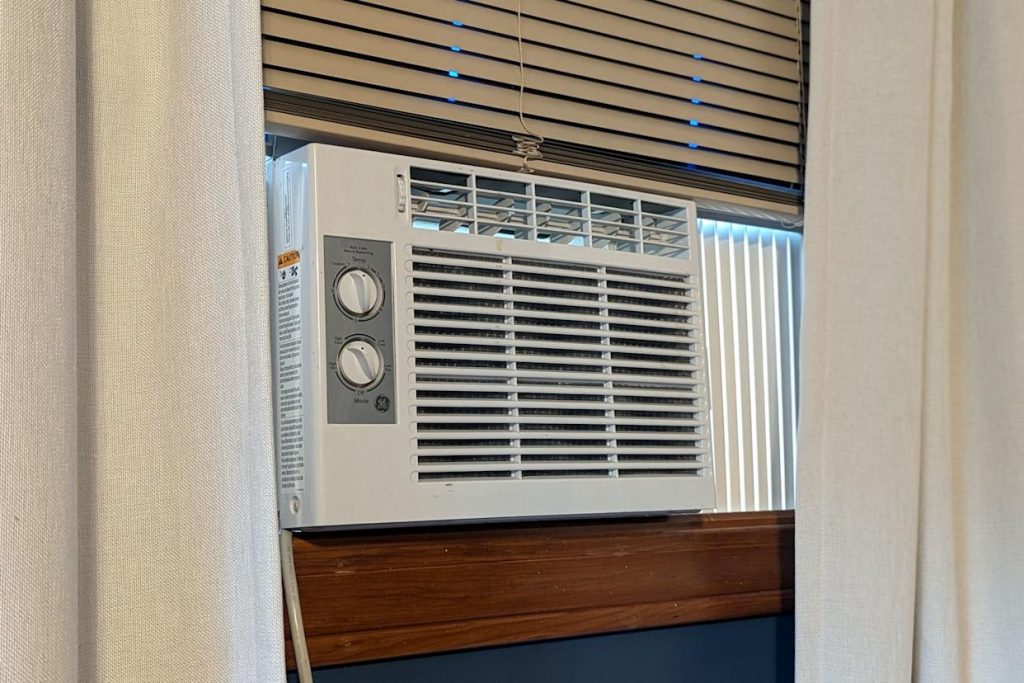
Have you ever wondered if you can run a window air conditioner indoors without any issues? You might have a unit sitting around, and you’re curious if it can cool your room safely and efficiently.
Understanding how these air conditioners work and the best way to use them can save you money and avoid potential problems. Keep reading, because what you learn here could make your next cooling experience much easier and more comfortable.

Credit: www.garvee.com
How Window Air Conditioners Work
Window air conditioners cool your room by moving heat outside. They use a special system to lower the temperature inside.
Understanding how these units work helps you use them safely and effectively indoors.
Cooling Cycle
The cooling cycle starts with warm air from the room. The unit pulls this air inside and removes heat from it.
The cooled air goes back into the room to lower the temperature.
Compressor And Refrigerant
The compressor pumps refrigerant through the system. This liquid absorbs heat from the air inside your room.
The refrigerant changes from liquid to gas as it takes heat away.
Heat Release Outside
The hot refrigerant gas moves to the outside part of the unit. This area has coils and a fan that release heat outdoors.
By moving heat outside, the air conditioner cools the indoor space.
Airflow System
The unit uses fans to move air inside and outside. One fan pulls warm room air in, and another pushes hot air outside.
- Indoor fan circulates cooled air back into the room
- Outdoor fan pushes hot air out
Condensation And Drainage
As the air cools, moisture forms inside the unit. This moisture collects as water and drains outside.
Proper drainage prevents water buildup and keeps the unit working well.

Credit: www.ricksheatingandcooling.com
Indoor Use Considerations
Running a window air conditioner indoors can be tricky. It requires careful planning and adjustments.
There are several factors to think about. These include ventilation, heat exhaust, and electrical needs.
Ventilation Needs
Air conditioners need proper airflow to work well. Without it, they struggle and waste energy.
Make sure the room has enough space for air to circulate. This helps the unit cool the area effectively.
- Open windows for fresh air
- Use fans to improve circulation
- Avoid blocking air vents
Heat Exhaust Management
Air conditioners release heat as they cool. This heat must be directed outside the room.
Without proper heat management, the room can become warmer instead of cooler.
- Use an exhaust hose to channel heat out
- Seal any gaps around the unit
- Check for leaks in the exhaust system
Electrical Requirements
Window air conditioners need a stable power supply. They draw more electricity than many other appliances.
Check your home’s electrical setup to ensure it can support the unit. Safety is a top priority.
- Use a dedicated outlet for the unit
- Avoid using extension cords
- Check circuit capacity to prevent overload
Safety Risks Of Indoor Operation
Running a window air conditioner indoors can pose safety risks. It is important to understand these dangers before using the unit inside.
This guide explains common safety issues linked to indoor use of window air conditioners.
Fire Hazards
Window air conditioners have electrical parts that can spark fires. Using them indoors without proper setup raises this risk.
Poor wiring or blocked vents can cause overheating and start fires. Keep cords and vents clear to reduce fire danger.
- Do not use damaged cords or plugs
- Keep the unit away from flammable materials
- Ensure vents are not blocked
- Have a smoke detector nearby
Carbon Monoxide Concerns
Window air conditioners do not produce carbon monoxide. But if combined with other fuel-burning devices, risks rise.
Make sure the room is well ventilated. Avoid running gas heaters or stoves alongside the air conditioner indoors.
- Check for other appliances that burn fuel
- Install carbon monoxide detectors in the home
- Do not block fresh air entry points
Overheating Issues
Indoor use can cause the air conditioner to overheat. This happens if heat cannot escape from the back of the unit.
Overheating can damage the unit or cause electrical problems. Proper ventilation is key for safe operation.
- Place the unit where air flows freely
- Do not cover or block the back of the unit
- Turn off the AC if it feels too hot

Credit: thefurnaceoutlet.com
Proper Installation Tips
Installing a window air conditioner indoors needs care. Proper steps help the unit cool well and last longer.
Follow these tips to install your air conditioner safely and efficiently inside your home.
Sealing And Insulation
Seal gaps around the air conditioner to keep cold air inside. Use weatherstripping or foam to fill spaces.
- Check for air leaks around the unit
- Apply weatherstripping tape on edges
- Use foam or caulk to fill holes
- Cover gaps with insulating panels if needed
Stable Mounting
Mount the air conditioner firmly to avoid vibrations and falling. A stable base also improves cooling.
| Mounting Tip | Reason |
|---|---|
| Use a strong bracket or shelf | Supports unit weight securely |
| Check for level installation | Prevents water leaks and noise |
| Tighten all screws and bolts | Stops shaking and vibrations |
Drainage Solutions
Proper drainage prevents water damage and mold. Make sure the unit drains water outside or into a container.
- Check the drainage hole is clear
- Use a hose to direct water outside
- Place a drip pan under the unit if needed
- Empty drip pans regularly
Alternatives To Indoor Window Ac Use
Using a window air conditioner indoors can be tricky. It often needs proper venting and space.
Here are some good alternatives to keep your room cool without a window AC unit.
Portable Air Conditioners
Portable air conditioners are easy to move and do not need a window for installation. They use a hose to vent warm air outside through a small window or door gap.
- Can be placed anywhere in the room
- Requires venting hose to outside air
- Good for cooling single rooms
- Usually less powerful than window units
Split Ac Systems
Split AC systems have two parts: one inside and one outside. The inside unit blows cool air, and the outside unit releases heat.
| Feature | Split AC | Window AC |
| Installation | Wall mounted, no window needed | Requires window |
| Noise | Quieter inside | Louder inside |
| Cooling Power | Usually stronger | Less powerful |
| Cost | Higher upfront cost | Lower upfront cost |
Evaporative Coolers
Evaporative coolers use water to cool the air. They work best in dry climates and add moisture to the room.
- Uses less electricity than traditional AC
- Provides fresh, moist air
- Easy to move and set up
- Works best with open windows or doors
Maintenance For Safe Operation
Running a window air conditioner indoors needs regular care. Proper maintenance keeps it safe and working well.
Cleaning and checking parts often can stop problems before they start. This guide covers key tasks.
Filter Cleaning
Clean the air filter every month during heavy use. A dirty filter blocks airflow and reduces cooling.
- Turn off and unplug the unit before cleaning.
- Remove the filter gently from the front panel.
- Wash the filter with warm, soapy water.
- Let it dry completely before reinstalling.
- Replace the filter if it is torn or very dirty.
Regular Inspections
Check the air conditioner for damage or loose parts every few weeks. Look for leaks and unusual sounds.
| Inspection Point | What to Look For | Action Needed |
| Exterior Case | Cracks or damage | Repair or replace case |
| Drainage | Water buildup or blockages | Clear drain holes |
| Fan Blades | Dust or damage | Clean or fix blades |
| Noise | Unusual sounds | Inspect motor or loose parts |
Electrical Checks
Inspect power cords and plugs for wear. Faulty wiring can cause shocks or fires.
- Use a grounded outlet with the correct voltage.
- Do not use extension cords or power strips.
- Look for frayed cords or exposed wires.
- Unplug the unit during storms or when not in use.
- Call a professional for any electrical repairs.
Frequently Asked Questions
Can A Window Ac Be Used Inside A Room Only?
No, window ACs need outdoor ventilation to expel hot air. Running them indoors without proper venting causes heat buildup and poor cooling.
How Do Window Acs Vent Hot Air Outside?
Window ACs use a back vent that releases hot air outside. Proper installation ensures hot air flows outdoors, keeping the room cool.
Is It Safe To Run A Window Ac Indoors?
It’s unsafe to run a window AC indoors without ventilation. Hot air and moisture buildup can damage walls and reduce AC efficiency.
Can A Window Ac Cool Multiple Rooms Indoors?
Window ACs are designed for single-room cooling. They cannot effectively cool multiple rooms as their airflow and capacity are limited.
Conclusion
Running a window air conditioner indoors is possible but needs care. The unit must vent hot air outside. Without proper ventilation, the room will stay warm. Always follow the manufacturer’s instructions for safe use. Keep the area around the unit clear for better airflow.
Regular cleaning helps the air conditioner work well. Using the unit correctly saves energy and money. Think about your room size before choosing the right model. This way, you stay cool and comfortable all summer.