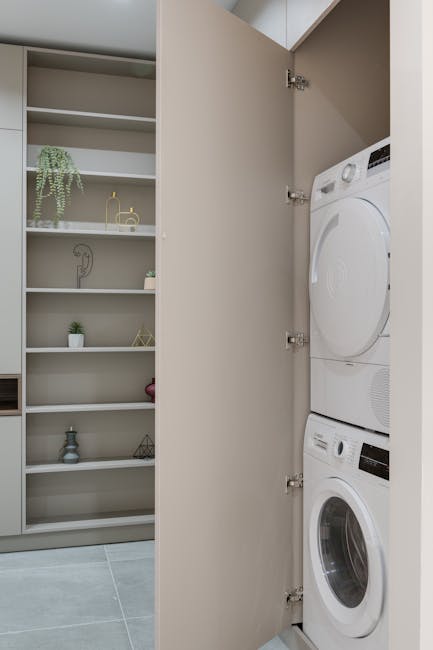
Are you short on space but need both a washer and dryer in your home? Stacking them might be the perfect solution.
But can you really stack a washer and dryer safely and effectively? Understanding how to do it right can save you time, money, and frustration. You’ll discover everything you need to know about stacking your laundry machines—so you can make the best choice for your home and keep your laundry routine running smoothly.
Keep reading to find out if stacking is the answer you’ve been looking for.

Credit: www.amazon.com
Benefits Of Stacking Laundry Units
Stacking a washer and dryer saves space in your laundry area. It helps you use the room more efficiently.
There are several benefits to stacking laundry units. These include better organization and easier access.
Maximizing Small Spaces
Stacking laundry units frees up floor space. This is great for small homes or apartments.
You can use the extra space for storage or other household needs. It makes the laundry area less crowded.
Improved Laundry Room Organization
Stacking units create a neat and tidy look. It keeps your laundry room well organized.
You can place shelves or cabinets nearby. This helps store detergent, fabric softener, and other items.
- More room for laundry baskets
- Space for folding clothes
- Easy to keep area clean
Enhanced Accessibility
Stacked units put the dryer at eye level. You don’t have to bend down to check clothes.
This setup makes loading and unloading easier. It helps people with back pain or limited mobility.
Credit: www.whirlpool.com
Types Of Stackable Washers And Dryers
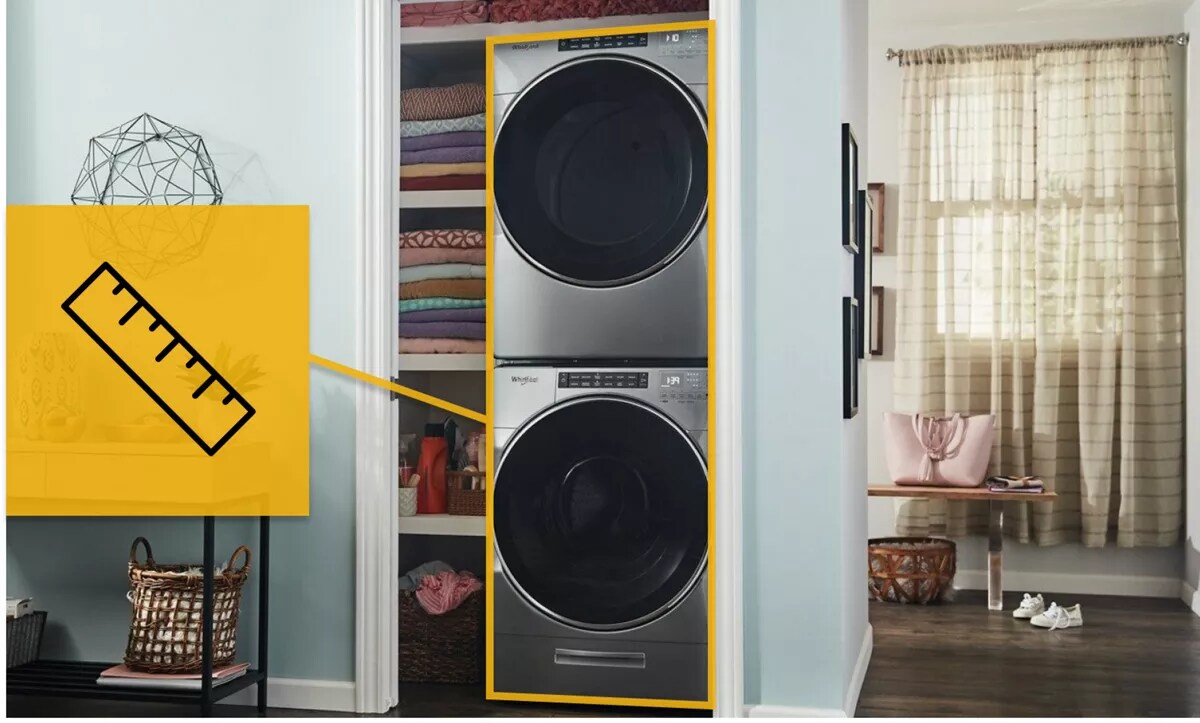
Stackable washers and dryers save space in small homes. They fit one on top of the other. This setup works well in apartments and tight laundry rooms.
There are several types of stackable units. Each type has unique features. Understanding these helps you pick the right one for your needs.
Front-load Models
Front-load washers and dryers are popular for stacking. They have doors on the front for easy access. These models use less water and energy than top-loaders.
- Washers and dryers are sold separately.
- You stack the dryer on top of the washer.
- They offer large capacity for heavy loads.
- Many come with stacking kits for safe installation.
All-in-one Washer-dryers
All-in-one units wash and dry clothes in the same machine. They save even more space than separate machines. These are good for very small areas.
| Feature | Benefit |
| Single unit | No stacking needed |
| Smaller capacity | Best for small loads |
| Simple controls | Easy to use |
| Energy use | Usually higher than separate units |
Compact Units
Compact washers and dryers are small versions of regular machines. You can stack them to save space. They fit in closets or small laundry nooks.
Key points about compact units:
- Smaller capacity than full-size units
- Stacking kits usually available
- Good for light laundry loads
- Energy efficient and quick cycles
Installation Essentials
Stacking a washer and dryer saves space in your laundry area. You must follow key steps for safe and proper installation.
This guide covers what you need to check and how to secure the machines correctly.
Checking Compatibility
Not all washers and dryers can be stacked. You need to confirm if your models support stacking.
Look for stacking kits made by the manufacturer. These kits make sure the units fit and work safely together.
- Check the user manuals for stacking instructions
- Confirm the weight limit of the dryer on top
- Ensure the dimensions of both units match
- Use only recommended stacking kits
Required Tools And Materials
You will need some basic tools to stack your washer and dryer. Having the right materials makes the job easier.
- Screwdriver set (Phillips and flathead)
- Adjustable wrench
- Stacking kit (brackets and screws)
- Level tool to balance machines
- Drill (if needed for mounting)
- Measuring tape
Securing Units Safely
Stack the dryer on top of the washer carefully. Use the stacking kit to fasten the units together.
Make sure both machines are level. This helps reduce noise and keeps the stack stable during use.
- Place the washer on a flat surface
- Attach the stacking brackets securely
- Check that all screws are tight
- Use a level to adjust feet if needed
- Test stability by gently pushing the stack
Space-saving Alternatives
Stacking a washer and dryer is common to save space. Still, there are other smart ways to fit laundry appliances in small areas.
These options help keep your laundry area neat without needing much room. Choose the best fit for your home and needs.
Under-counter Washers
Under-counter washers fit neatly below kitchen or bathroom counters. They look like a dishwasher or small cabinet.
These machines save floor space and keep laundry out of sight. They are good for apartments or homes with limited laundry rooms.
- Compact size fits under standard counters
- Usually front-loading for easy access
- Connects to existing plumbing
- Allows for extra countertop space above
Wall-mounted Dryers
Wall-mounted dryers hang on the wall to save floor space. They keep your laundry area open and less crowded.
| Benefit | Description |
|---|---|
| Saves Floor Space | Mounted high, freeing up room below |
| Easy to Install | Requires a strong wall and proper ventilation |
| Ideal for Small Homes | Fits in tight spaces like bathrooms or closets |
| Varied Sizes | Available in compact and standard models |
Portable Laundry Machines
Portable laundry machines move easily and connect to sinks when needed. They work well in small homes or for travel.
Common features of portable machines:
- Lightweight and compact design
- Connects to kitchen or bathroom faucet
- Drains water into the sink or tub
- Easy to store when not in use
Maintenance Tips For Stacked Units
Stacked washer and dryer units save space in small laundry rooms. Proper maintenance keeps them working well for years.
Follow simple care steps to avoid common issues and extend the life of your machines.
Regular Cleaning
Keep your stacked units clean to prevent dirt buildup and odors. Clean the lint filter after each drying cycle.
- Wipe down the exterior with a damp cloth monthly.
- Run an empty wash cycle with vinegar every few months to clean inside.
- Clear out detergent trays to avoid clogs.
- Check and clean dryer vents regularly to improve air flow.
Preventing Vibration Issues
Vibration can cause noise and damage over time. Make sure your units stand firm and balanced.
| Cause | Prevention |
|---|---|
| Uneven floor | Use a level and adjust feet to stabilize the units |
| Loose stacking kit | Check and tighten all screws and brackets |
| Unbalanced load | Distribute clothes evenly before starting washer |
| Worn shock absorbers | Replace shocks as recommended by manufacturer |
Troubleshooting Common Problems
If your stacked units stop working properly, try these quick fixes before calling a technician.
- Check power supply and outlet for issues.
- Inspect hoses and vents for blockages or leaks.
- Reset the machines by unplugging for 10 seconds.
- Refer to the user manual for error codes and solutions.
- Contact support if problems persist after these steps.

Credit: metroappliancesandmore.com
Safety Considerations
Stacking a washer and dryer can save space. It is important to ensure safety while doing this. Here are some key factors to consider.
Weight Limits And Stability
Make sure the washer and dryer are compatible for stacking. Check the manufacturer’s guidelines for weight limits. This ensures the units do not tip over.
- Use a stacking kit for added stability
- Place the heavier machine at the bottom
- Ensure the floor is level and strong
Proper Ventilation
Good ventilation is crucial for dryers. It helps in preventing overheating. Ensure there is enough space for air to circulate.
- Keep the dryer vent unblocked
- Ensure the room is not too cramped
- Use proper venting materials
Electrical And Plumbing Requirements
Check the power supply and plumbing connections. These must be suitable for both machines. This ensures they operate efficiently.
Make sure the electrical outlet can handle the power needed. Ensure water connections are secure and leak-free.
- Use the correct voltage outlet
- Ensure secure water hoses
- Avoid using extension cords
Frequently Asked Questions
Can You Stack Any Washer And Dryer Models?
No, not all washers and dryers can be stacked. Only specific stackable models designed for vertical placement should be used. Always check manufacturer guidelines for compatibility and safety before stacking.
What Are The Benefits Of Stacking Washer And Dryer?
Stacking saves floor space, ideal for small laundry areas. It creates a more organized and efficient laundry setup. Stacked units also improve accessibility and can enhance room aesthetics.
Is Professional Installation Needed For Stacking Appliances?
Yes, professional installation is recommended to ensure safety and stability. Experts can properly secure the units, connect plumbing and electrical components, and prevent potential damage or accidents.
Can Stacking Washers And Dryers Cause Vibration Issues?
Improper stacking can lead to vibrations and noise. Using the correct stacking kit and ensuring a level floor reduces movement. Proper installation minimizes wear and tear on appliances.
Conclusion
Stacking a washer and dryer saves space in small homes. It keeps laundry areas neat and organized. Make sure both machines are compatible before stacking. Use a proper stacking kit for safety and stability. Check weight limits and machine sizes carefully.
Ventilation and access remain important for good performance. Stacking works well in apartments and tight spaces. A smart choice for saving room and staying tidy.