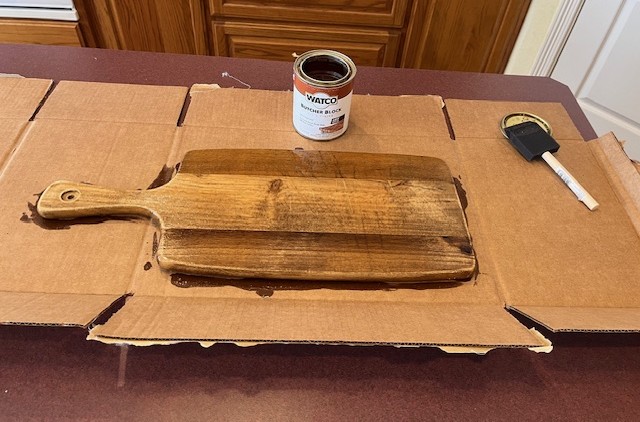
Have you ever wondered if you can stain a cutting board to give it a fresh look or protect it better? If your cutting board has seen better days or you want to add a personal touch, staining might be the answer.
But is it really safe, effective, and worth the effort? You’ll discover everything you need to know about staining your cutting board—what works, what doesn’t, and how to do it right. Keep reading, because the secret to a beautiful, long-lasting cutting board could be simpler than you think.
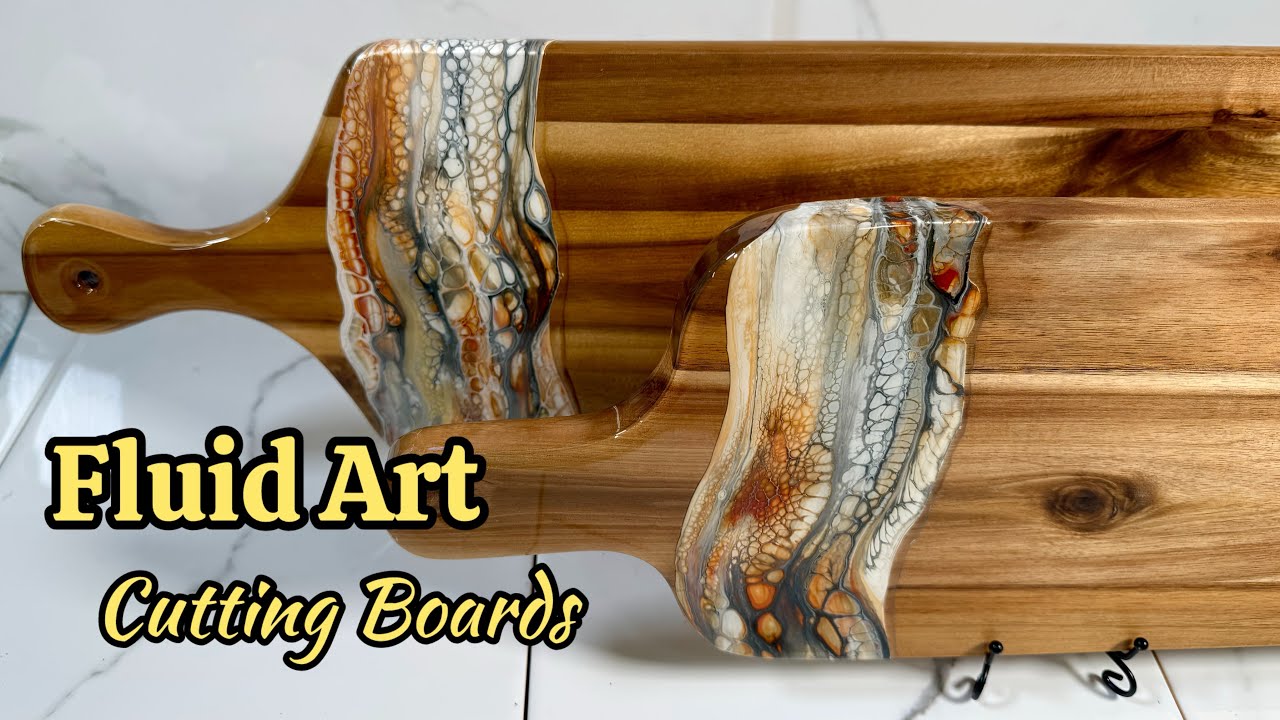
Credit: www.youtube.com
Types Of Cutting Boards
Cutting boards come in many materials. Each type has its own look and feel.
Knowing the types helps you decide if your board can stain or not.
Wooden Boards
Wooden cutting boards are popular for their natural beauty. They are gentle on knives.
Wood can absorb liquids, so stains can happen. Regular oiling helps protect the wood.
- Made from maple, walnut, or cherry wood
- Can develop dark stains from fruits or spices
- Needs cleaning and oiling to stay fresh
Plastic Boards
Plastic cutting boards are light and easy to clean. They do not absorb liquids like wood.
Plastic can still stain from strong colors like beet juice or turmeric. Stains may be hard to remove.
- Usually made from polyethylene or polypropylene
- Can be dishwasher safe
- Stains may remain even after washing
Composite And Bamboo Boards
Composite boards mix wood fibers with resin. They are durable and less porous than wood.
Bamboo boards are eco-friendly and harder than wood. Both types resist stains better than wood.
- Composite boards are heat resistant and dishwasher safe
- Bamboo grows fast and is sustainable
- Both may still get light stains over time
Common Causes Of Stains
Cutting boards often get stained over time. Stains can make your board look old and dirty.
Understanding what causes these stains helps you keep your board clean and fresh.
Food Pigments
Many foods have strong pigments that can leave marks on cutting boards. Beets, berries, and turmeric are common culprits.
- Beets have deep red color that seeps into wood.
- Berries like blueberries and blackberries leave purple stains.
- Turmeric’s bright yellow pigment is hard to remove.
- Tomatoes and carrots also cause orange-red stains.
Moisture And Oils
Water and oils soak into the wood and cause discoloration. Wood can absorb oils from meats and dressings.
| Type | Effect on Board |
| Water | Softens wood and may cause dark spots |
| Oils | Leave greasy stains and darken the surface |
| Meat Juices | Can cause stubborn stains and odors |
Improper Cleaning
Not cleaning cutting boards well leads to stains and bacteria buildup. Using the wrong cleaning methods can make stains worse.
Tips to avoid stains from improper cleaning:
- Wash boards promptly after use with hot water and soap.
- Do not soak wooden boards in water for too long.
- Use a scrub brush or coarse salt to clean tough stains.
- Avoid harsh chemicals that can damage the wood.
Safe Staining Methods
Staining a cutting board can bring out its natural beauty. It is important to use safe methods that keep your board food-friendly. Some stains can be harmful if they touch your food.
This guide covers safe ways to stain your cutting board. You will learn about food-safe oils, natural wood stains, and chemicals to avoid.
Using Food-safe Oils
Food-safe oils protect your cutting board and enhance its color. These oils are safe to use because they do not go bad quickly. They also help prevent cracks in the wood.
- Mineral oil is a popular choice that is odorless and tasteless.
- Walnut oil adds a nice shine but may cause allergies in some people.
- Beeswax mixed with oil can create a natural protective layer.
- Apply oil with a soft cloth and let it soak into the wood.
- Reapply the oil regularly to keep the board in good condition.
Natural Wood Stains
Natural wood stains come from plants, fruits, or spices. These stains add color without harmful chemicals. They are safe to use on items that touch food.
| Natural Stain | Source | Color |
| Beet Juice | Beetroot | Red to Pink |
| Turmeric | Turmeric Root | Yellow to Orange |
| Coffee | Ground Coffee | Brown |
| Spinach | Spinach Leaves | Green |
Apply these stains by brushing or wiping them on the board. Let them dry completely before use. These natural options keep your cutting board safe and colorful.
Avoiding Harmful Chemicals
Some stains contain chemicals that can harm your health. Avoid stains with solvents, synthetic dyes, or heavy metals. These can seep into the wood and contact food.
Here is a list of unsafe chemicals to avoid:
- Toluene
- Formaldehyde
- Lead-based pigments
- Petroleum-based solvents
- Alkyd and oil-based paints not labeled food-safe
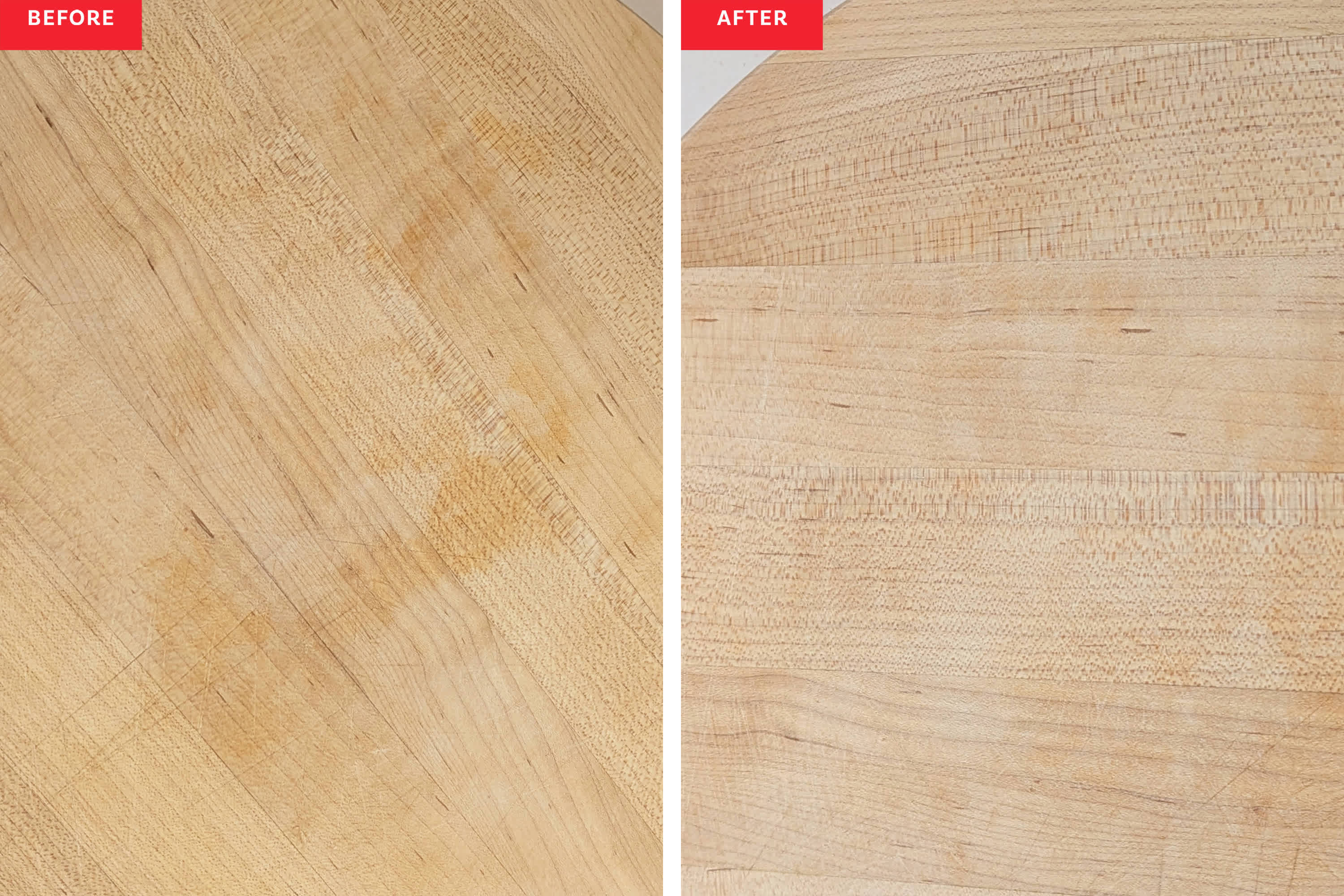
Credit: www.thekitchn.com
Step-by-step Staining Process
Staining a cutting board can change its look and protect the wood. This guide shows you how to do it carefully. Follow each step to get the best result.
Use the right materials and take your time. This will help your cutting board last longer and look good.
Preparing The Board
Start by cleaning the cutting board. Remove any dirt, oils, or old finish. Sand the surface to make it smooth and open the wood pores. This helps the stain soak in evenly.
- Wash the board with warm soapy water and dry it fully.
- Sand with medium-grit sandpaper to remove rough spots.
- Wipe the board with a damp cloth to clear dust.
- Let the board dry completely before staining.
Applying The Stain
Choose a food-safe wood stain. Apply it with a clean cloth or brush. Work in the direction of the wood grain for a smooth finish. Let the stain soak for a few minutes.
| Type of Stain | Dry Time | Effect |
| Oil-Based | 4-6 hours | Deep color, long-lasting |
| Water-Based | 1-2 hours | Lighter color, quick dry |
| Natural Stain | Varies | Safe, mild tint |
Wipe off extra stain after soaking to avoid sticky spots. Repeat if you want a darker color but wait for the first coat to dry.
Sealing And Drying
After staining, seal the board to protect it. Use a food-safe finish like mineral oil or beeswax. Apply evenly and let it soak in.
- Apply the sealant with a clean cloth in a thin layer.
- Let the board absorb the sealant for 20-30 minutes.
- Wipe off any extra finish to avoid stickiness.
- Leave the board to dry for at least 24 hours before use.
Maintaining Stained Cutting Boards
Stained cutting boards add character to your kitchen tools. They need care to stay safe and strong. Proper maintenance keeps them clean and ready for use.
Good care helps prevent bad smells and bacteria growth. Follow simple steps to keep your cutting board in great shape.
Cleaning Tips
Wash your cutting board after every use. Use warm water and mild soap to remove food and stains. Avoid soaking the board in water to stop warping.
Use a scrub brush or sponge to clean hard spots. For deep stains, sprinkle baking soda and scrub gently. Rinse well and dry with a towel.
- Do not put wooden boards in the dishwasher
- Dry board upright to air dry completely
- Use lemon juice for odor removal
Reapplying Oil Or Finish
Oiling your cutting board keeps it from drying out and cracking. Use food-safe mineral oil or special cutting board oil. Apply oil once a month or when the board looks dry.
Rub the oil evenly over the board’s surface. Let it soak in for a few hours or overnight. Wipe off any extra oil before use.
- Use soft cloth or paper towel for application
- Apply oil after cleaning and drying
- Avoid using vegetable or olive oils that can go rancid
Preventing Future Stains
Protect your board by cleaning it quickly after cutting colorful foods like beets or berries. These foods can leave strong stains if left too long. Use a separate board for raw meats to avoid cross-contamination.
Use a protective finish or wax to create a barrier on the wood. This helps stop stains and moisture from soaking in. Store the board in a dry place away from direct sunlight.
- Clean stains immediately with mild soap
- Apply beeswax or board cream for extra protection
- Keep the board dry to avoid mold
When To Avoid Staining
Staining a cutting board can improve its look, but not all boards are good candidates. Some boards may get worse or unsafe after staining.
Here are key situations when you should avoid staining your cutting board.
Boards With Cracks Or Damage
Do not stain cutting boards that have cracks, splits, or deep scratches. Stain can seep into these areas and cause issues. It may also hide damage that needs fixing.
Damaged boards are less safe to use for food prep. Staining will not fix the damage or make the board food-safe again.
Plastic Boards
Plastic cutting boards do not absorb stain like wood. Staining plastic is mostly ineffective and can cause uneven color.
- Stain does not soak into plastic surfaces
- It can leave a sticky or blotchy finish
- Plastic boards are better cleaned with soap and water
- Staining may damage plastic or reduce lifespan
Health And Safety Concerns
| Risk | Explanation |
| Food Contamination | Stain chemicals may not be food safe and can mix with food. |
| Bacterial Growth | Stain can seal cracks, trapping bacteria inside the board. |
| Allergic Reactions | Certain stains may cause allergies or skin irritation. |
| Surface Damage | Improper staining can damage the board’s surface and its safety. |
Alternative Ways To Customize Boards
Customizing a cutting board can make it unique and personal. You do not always need to stain it to add character. There are other creative methods that keep the board functional and attractive.
These alternatives offer different styles and textures. They let you match the board with your kitchen or gift it with a special touch.
Engraving And Woodburning
Engraving and woodburning create lasting designs on wood. You can add names, patterns, or images with these techniques. They give a rustic and artistic look to your cutting board.
- Engraving uses tools or lasers to carve the wood surface.
- Woodburning uses heat to burn designs into the wood.
- Both methods are durable and water-resistant once sealed.
- Choose simple or complex designs based on skill level.
Using Decorative Butchers’ Wax
Decorative butchers’ wax adds shine and protection. It comes in different colors and can highlight natural wood grain. This wax keeps the board safe from moisture and stains.
| Type of Wax | Effect | Use |
| Clear Butchers’ Wax | Natural shine | Protects wood surface |
| Colored Butchers’ Wax | Subtle tint | Adds decorative color |
| Scented Butchers’ Wax | Light fragrance | Enhances freshness |
Personalized Labels And Stickers
Labels and stickers are easy ways to customize boards. You can print names, dates, or fun messages. These add-ons work well for gifts and special occasions.
Keep these tips in mind for labels and stickers:
- Choose waterproof and food-safe materials.
- Place labels on the back or edges to avoid wear.
- Use clear coatings over stickers to protect them.
- Remove or replace labels easily for cleaning.

Credit: www.smorhome.com
Frequently Asked Questions
Can You Stain A Wooden Cutting Board Safely?
Yes, you can stain a wooden cutting board, but use food-safe stains. Avoid toxic chemicals to keep it safe for food prep. Always seal the board with a food-safe finish after staining to protect it from moisture and stains.
Does Staining Affect A Cutting Board’s Durability?
Staining can enhance the cutting board’s appearance but does not increase durability. Proper sealing is crucial to protect against water and bacteria. Regular oiling maintains the board’s strength and extends its lifespan better than staining alone.
How To Choose The Best Stain For Cutting Boards?
Choose a non-toxic, food-safe stain specifically designed for wood used in kitchens. Natural oil-based stains or mineral stains are good options. Always verify the product’s safety for food contact before applying on cutting boards.
Can You Stain A Cutting Board After Sanding?
Yes, sanding prepares the surface for even stain absorption. It removes old finishes and smooths the wood. After sanding, clean the board thoroughly before applying a food-safe stain and finish for best results.
Conclusion
Staining a cutting board is possible and can be practical. It adds beauty and protects the wood. Choose food-safe stains for safety. Clean the board thoroughly before staining. Apply the stain evenly. Allow it to dry completely. Regular maintenance extends the board’s life.
Oil it often to keep it in good shape. Staining makes the board more appealing. It also makes it more durable. Enjoy your stained board in the kitchen. A beautiful and functional choice.