
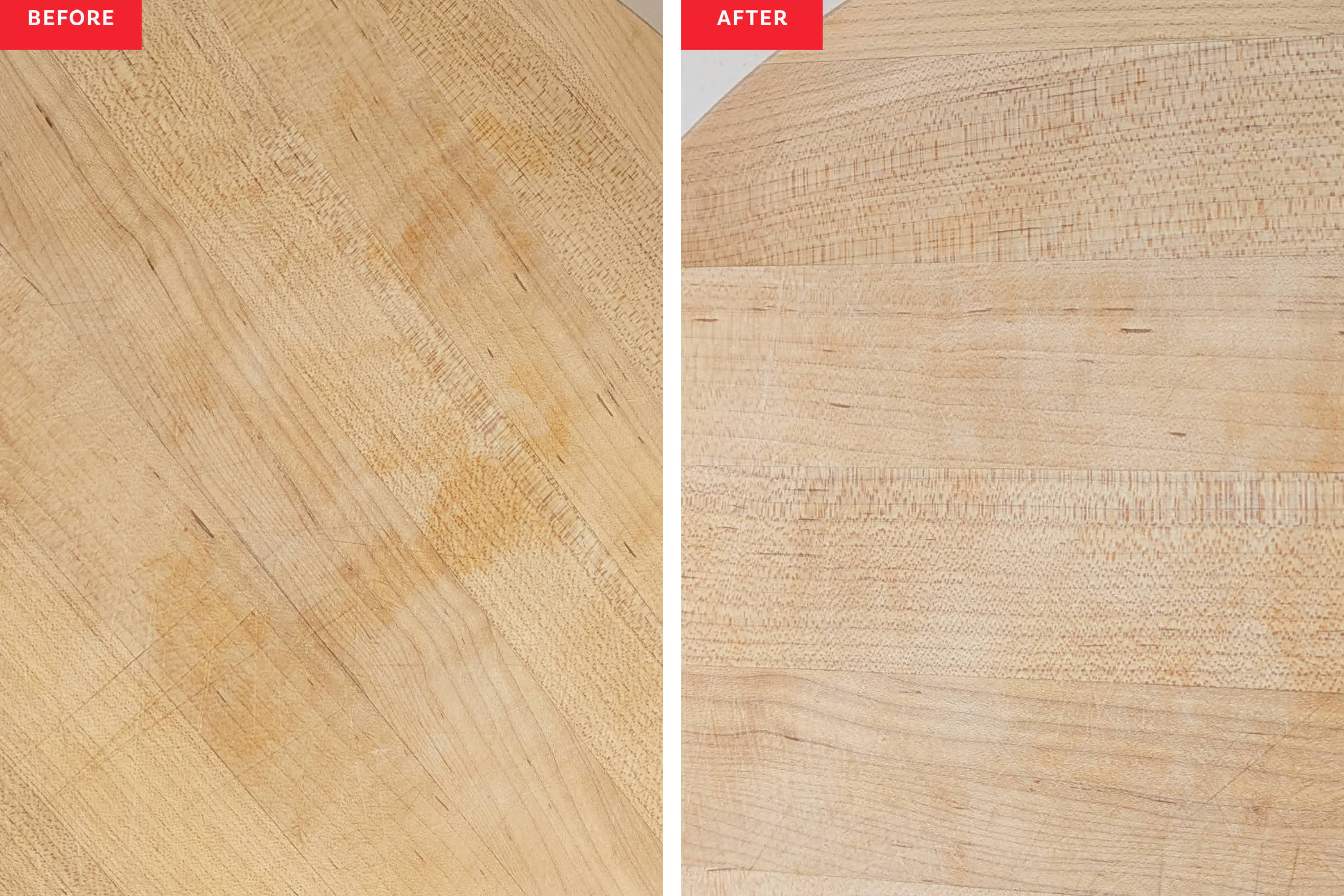
Have you ever noticed unexpected stains on your cutting board and wondered if they can be removed or if staining is just part of the wear and tear? If you’re worried about your cutting board looking dull or dirty, you’re not alone.
You might be asking yourself, “Can you stain cutting boards on purpose, or are stains something to avoid? ” Understanding how stains work on cutting boards—and what you can do about them—can save you money and keep your kitchen looking fresh.
Keep reading to discover simple tips and tricks that will help you manage stains and maintain your cutting board like a pro.
Credit: www.thekitchn.com
Types Of Cutting Boards
Cutting boards come in many materials. Each type has different uses and care needs.
Staining can happen with some boards depending on the material. Knowing the types helps you handle stains better.
Wooden Boards
Wooden cutting boards are popular for their look and feel. They are gentle on knives and last long.
Wood is porous, so it can absorb liquids and stains. Foods like beets and berries may leave marks.
- Stains can be removed with baking soda or lemon.
- Oiling helps protect wood from stains.
- Proper cleaning prevents deep stains and odors.
Plastic Boards
Plastic boards are common and easy to clean. They do not soak up liquids like wood.
Plastic can stain from strong colors like turmeric or tomato sauce. These stains stay on the surface.
- Use bleach or vinegar to reduce stains.
- Replace boards with deep knife cuts to avoid germs.
- Plastic boards are dishwasher safe for cleaning.
Bamboo Boards
Bamboo boards are a hard and eco-friendly choice. They are harder than wood but still natural.
Bamboo resists stains better than wood but can still discolor from strong foods. It needs regular care.
- Clean bamboo boards with mild soap and water.
- Use mineral oil to keep bamboo from drying out.
- Avoid soaking to prevent damage and stains.

Credit: www.smorhome.com
Is Staining Safe For Cutting Boards?
Many people wonder if staining cutting boards is safe. Staining changes the color and look of the wood. It can make the board look new or match kitchen decor.
Before staining, it is important to think about safety and how the stain affects the board’s use. Not all stains are safe for food contact.
Food Safety Considerations
Cutting boards touch food directly. Using a stain that is not food safe can be harmful. Some stains contain chemicals that can soak into the wood.
Look for stains labeled as food-safe or non-toxic. These are safer for cutting boards. Also, apply the stain only on the sides or back if possible. Avoid staining the cutting surface.
- Choose food-safe stains only
- Do not stain the cutting surface
- Allow stain to dry and cure fully
- Seal with a food-safe finish after staining
Impact On Board Durability
Staining can protect wood from water and stains. It may help the board last longer if done right. But some stains can weaken the wood or peel over time.
Using a stain with a good finish can make the board stronger. It also helps prevent cracks and warping. Make sure the stain and finish do not chip or rub off.
- Stain protects from moisture and damage
- Choose durable, food-safe finishes
- Regularly check the board for wear
- Reapply finish if the surface gets rough
Choosing The Right Stain
Staining cutting boards can change their look and protect the wood. It is important to pick the right stain to keep your board safe and strong.
Not all stains work well on cutting boards. Some can be harmful or damage the wood. Learn about the best options to use.
Food-safe Stains
Food-safe stains are made to be safe when food touches the board. These stains do not contain toxic chemicals. They protect the wood without risking health.
Look for stains labeled as food-safe or non-toxic. These are often used in kitchen items and toys. They keep your cutting board safe for daily use.
Oil-based Vs Water-based
Oil-based stains soak into the wood and last longer. They create a deep color but may have strong smells. They need more time to dry fully.
Water-based stains dry faster and have less odor. They are easier to clean up with water. The color can be lighter but still look good on wood.
- Oil-based: deep color, longer drying, strong smell
- Water-based: lighter color, quick drying, less odor
Natural Alternatives
Natural oils and dyes are good for those who want safe, simple options. Oils like mineral oil and beeswax protect wood and look nice.
Natural dyes come from plants and spices. They add gentle color without chemicals. These alternatives keep your cutting board healthy and natural.
- Mineral oil: protects and seals wood
- Beeswax: adds shine and water resistance
- Plant dyes: safe color from natural sources

Credit: www.thekitchn.com
Preparing Your Cutting Board
Before staining a cutting board, you must prepare it well. Proper preparation helps the stain absorb evenly.
Preparing includes cleaning, sanding, and removing any old finishes. These steps make sure the board looks good and lasts longer.
Cleaning And Sanding
Start by washing your cutting board with warm water and mild soap. Remove all food particles and grease.
- Rinse the board well to remove soap.
- Let it dry completely before sanding.
- Use fine-grit sandpaper to smooth the surface.
- Sanding removes scratches and opens the wood pores.
- Wipe off dust with a damp cloth after sanding.
Removing Old Finishes
If your cutting board has an old finish, remove it before staining. Old finishes block the stain from soaking in properly.
| Method | Description | Tools Needed |
| Sanding | Use coarse sandpaper to strip the finish. | Coarse and fine sandpaper, sanding block |
| Chemical Stripper | Apply a wood-safe stripper to dissolve finish. | Wood stripper, gloves, scraper |
| Heat Gun | Heat finish until it bubbles, then scrape. | Heat gun, scraper |
Staining Techniques
Cutting boards can be stained to enhance their look and protect the wood. Staining adds color and highlights the grain.
Using the right techniques helps the stain soak in evenly and look smooth. This guide covers how to apply stain properly.
Application Methods
You can apply stain with a brush, cloth, or sponge. Each tool gives a different finish and control level.
Brushes help cover large areas fast. Cloths let you rub in the stain for a softer look. Sponges absorb and spread stain evenly.
- Brush: Use for quick, even coverage
- Cloth: Rub stain gently for smooth finish
- Sponge: Apply thin coats without streaks
Drying Times
Drying time changes depending on stain type and wood. Oil-based stains take longer than water-based ones.
Wait at least 4 to 6 hours before touching the board. Full drying can take up to 24 hours in some cases.
- Oil-based stains: 6 to 24 hours drying
- Water-based stains: 1 to 4 hours drying
- Wood type affects drying speed
Multiple Coats
Applying more than one coat deepens the color and adds protection. Let each coat dry fully before the next.
Lightly sanding between coats helps smooth the surface. Two to three coats usually give the best results.
- Apply first coat and let dry
- Lightly sand with fine grit sandpaper
- Apply second coat and repeat if needed
Sealing And Finishing
Staining cutting boards adds color and style. Sealing and finishing protect the wood.
Proper sealing keeps the board safe and long-lasting. It also makes cleaning easier.
Food-safe Sealers
Choose sealers that are safe for food contact. Natural oils and waxes are good options.
- Mineral oil: Non-toxic and easy to apply
- Beeswax: Adds a protective layer
- Tung oil: Penetrates wood and hardens
- Walnut oil: Natural and safe for food
Avoid sealers with harmful chemicals. They can soak into the wood and contaminate food.
Maintaining The Finish
Keep your cutting board sealed to stop cracks and stains. Regular care is important.
| Care Tip | Frequency |
| Reapply mineral oil | Every month |
| Clean with mild soap | After each use |
| Avoid soaking in water | Always |
| Sand lightly if rough | When needed |
Common Mistakes To Avoid
Staining cutting boards can improve their look, but some mistakes can damage the wood. Avoiding these errors helps keep your board safe and long-lasting.
Learn what to watch out for when staining cutting boards. This guide covers toxic products, over-saturation, and maintenance errors.
Using Toxic Products
Some stains contain chemicals harmful if they contact food. Using toxic products on cutting boards can cause health risks.
- Check labels for food-safe certification
- Avoid stains with heavy metals or solvents
- Choose natural or non-toxic wood finishes
- Test products on a small board area first
Over-saturating The Wood
Applying too much stain or oil can cause the wood to swell or stay sticky. This weakens the board and traps moisture.
| Effect | Cause | Result |
|---|---|---|
| Wood Swelling | Excess stain application | Board warps or cracks |
| Sticky Surface | Too much oil left on wood | Attracts dirt and bacteria |
| Slow Drying | Heavy stain layers | Delays use of the board |
Ignoring Maintenance
Stained cutting boards need regular care to stay safe and look good. Ignoring maintenance causes damage and shortens board life.
- Clean the board after each use with mild soap
- Apply food-safe oil regularly to protect the wood
- Sand lightly if the surface feels rough
- Store the board in a dry place away from direct sun
Caring For Stained Cutting Boards
Stained cutting boards add color and style to your kitchen. Caring for them keeps them safe and looking good. Proper care prevents damage and extends their life.
This guide covers cleaning tips, reapplying finish, and storage advice to help you maintain stained cutting boards.
Cleaning Tips
Cleaning stained cutting boards is key to keeping the stain and wood safe. Use gentle methods to avoid fading or damage.
- Wash with warm, soapy water after each use.
- Use a soft sponge or cloth to clean the surface.
- Do not soak the board in water for long periods.
- Dry the board completely with a towel before storing.
- Avoid harsh chemicals or bleach that may strip the stain.
Reapplying Finish
Reapplying finish protects the stain and wood from moisture and stains. Regular care keeps the board smooth and safe for food.
- Lightly sand the surface with fine-grit sandpaper to remove rough spots.
- Clean the dust off with a damp cloth and let it dry.
- Apply a food-safe mineral oil or cutting board oil evenly.
- Let the oil soak in for several hours or overnight.
- Wipe off any excess oil before use or storage.
Storage Advice
Proper storage keeps stained cutting boards dry and prevents warping or mold. Store boards in a good spot to keep their condition.
| Storage Tip | Reason |
| Store upright or on a rack | Allows air circulation and quick drying |
| Keep away from direct sunlight | Prevents fading and heat damage |
| Avoid damp or humid areas | Stops mold and wood swelling |
| Do not stack heavy items on top | Prevents warping and cracks |
Alternatives To Staining
Staining cutting boards is not the only way to enhance their look. You can use other methods to protect and decorate wood.
These alternatives keep the wood safe while showing its natural beauty. They can also add unique touches to your cutting board.
Natural Wood Oils
Natural oils keep wood healthy and water-resistant. They soak into the wood instead of sitting on top.
- Mineral oil is food safe and easy to apply.
- Beeswax adds a soft shine and extra protection.
- Walnut oil is natural but may cause allergies in some people.
- Coconut oil works well but can go rancid over time.
Applying oil regularly helps prevent cracks and stains. It also keeps the board looking fresh.
Wood Burning And Engraving
Wood burning and engraving add designs without chemicals. These methods create permanent marks on the surface.
| Technique | Description | Effect on Wood |
| Wood Burning | Using heated tools to burn patterns | Darkens wood and adds texture |
| Engraving | Carving designs into the wood surface | Creates depth and visual interest |
These artistic touches make cutting boards unique. They do not affect the wood’s food safety when done properly.
Frequently Asked Questions
Can You Stain A Wooden Cutting Board?
Yes, you can stain wooden cutting boards. Use food-safe stains to protect the wood. Ensure the stain is non-toxic and safe for kitchen use. Always apply a food-grade oil after staining. This helps seal the wood and maintain its condition.
What Stain Is Safe For Cutting Boards?
Food-safe stains are best for cutting boards. These stains are non-toxic and protect the wood. They enhance the board’s appearance and durability. Always check the label for food safety certification. Apply a food-grade oil after staining for added protection.
How Do You Stain A Cutting Board?
To stain a cutting board, clean it thoroughly first. Choose a food-safe stain and apply it evenly. Let the stain dry completely before use. Apply a food-grade oil to seal the wood. This process ensures a safe and long-lasting finish.
Why Stain A Cutting Board?
Staining enhances the appearance of cutting boards. It also protects the wood from moisture and wear. Staining can extend the board’s lifespan. It provides a fresh look and maintains functionality. Always use food-safe products for kitchen items.
Conclusion
Staining cutting boards can add color and protect the wood. Use food-safe stains to keep your board safe for cooking. Always test the stain on a small spot first. Regular care helps the board last longer and look better. Clean and dry the board after each use.
A well-stained board can brighten your kitchen and stay useful for years. Choose the right stain and maintain your board for best results. Simple steps make staining easy and effective.