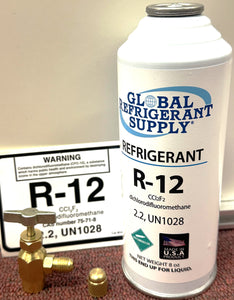
Are you wondering if you can still buy R12 refrigerant? You’re not alone.
Many people with older refrigeration systems are curious about the availability and legality of this once-common coolant. Before you make any decisions, it’s crucial to understand the facts surrounding R12 refrigerant. This information can affect your system’s efficiency, your wallet, and even the environment.
You’ll discover everything you need to know about R12, from its current legal status to alternative options. Don’t miss out on this essential guide that could save you both time and money. Keep reading to find out what steps you should take next!
R12 Refrigerant Basics
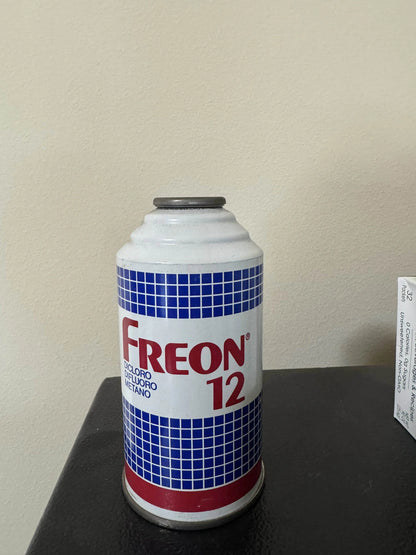
Understanding the basics of R12 refrigerant is important before discussing its availability. R12, also called Freon, is a type of chemical used in cooling systems. It was popular for many years but has faced restrictions due to environmental concerns.
R12 has properties that made it very effective in refrigeration and air conditioning. It is non-flammable and has low toxicity. These traits made it a common choice in older systems.
What Is R12 Refrigerant
R12 is a chlorofluorocarbon (CFC) compound. It helps absorb and release heat in cooling devices. This refrigerant was widely used from the 1930s until the 1990s.
It became less popular due to its harm to the ozone layer. Many countries agreed to reduce its use under international protocols. Today, R12 is mostly replaced by safer alternatives.
Common Uses Of R12
- Car air conditioning systems in older vehicles
- Household refrigerators and freezers manufactured before the 1990s
- Commercial cooling systems installed decades ago
- Industrial chillers and refrigeration equipment built before R12 phase-out
Many of these systems still need R12 for maintenance or repair. This creates challenges due to limited supply and legal restrictions.
Credit: www.amazon.ca
Why R12 Is Hard To Find
Finding R12 refrigerant on the market today is a challenge many car owners and HVAC technicians face. Its scarcity isn’t accidental but the result of significant environmental concerns and strict regulations. Understanding why R12 is hard to find can help you make better decisions about your cooling systems and explore safer alternatives.
Environmental Impact
R12, also known as Freon, contains chlorofluorocarbons (CFCs) that harm the ozone layer. The ozone layer protects life on Earth from harmful ultraviolet rays. When R12 leaks into the atmosphere, it breaks down ozone molecules, accelerating ozone depletion.
Because of this damage, many countries have worked hard to phase out R12 production. You might wonder how much impact a single refrigerant can have, but even small leaks contribute to a bigger environmental problem. This is why finding R12 is becoming increasingly rare.
Regulatory Restrictions
Governments worldwide have banned or severely limited the production and sale of R12. The Montreal Protocol, an international treaty, plays a key role in controlling substances that harm the ozone layer, including R12. This agreement has led to a near-complete phase-out of R12 manufacturing.
Because of these regulations, you can no longer buy new R12 refrigerant legally in most countries. If you need R12 for an older vehicle or equipment, your options are limited to recycled or reclaimed supplies. These restrictions make it not only hard but also expensive to obtain R12 today.
Current Availability Of R12
R12 refrigerant, once a staple in air conditioning and refrigeration systems, has become increasingly difficult to find due to environmental regulations. Its production has been phased out in many countries because of its ozone-depleting properties. But can you still buy R12 today? The answer depends on where you look and the legality of the source.
Legal Sources
Officially, new R12 refrigerant is no longer produced or imported in most places. However, you might still find R12 available through:
- Recovered and recycled supplies from certified technicians or licensed suppliers.
- Stockpiles of reclaimed R12 that meet environmental guidelines.
- Special exemptions for vintage or classic vehicle air conditioning systems.
Buying from these sources means you’re following the law and protecting the environment. Have you checked if your local refrigerant supplier offers reclaimed R12? This could be a safe way to keep your older systems running without breaking rules.
Illegal Markets Risks
Despite restrictions, illegal markets for R12 still exist. Some sellers offer “new” R12 or counterfeit products, but these come with serious risks:
- Poor quality or contaminated refrigerant that can damage your system.
- Legal penalties if caught purchasing or using banned substances.
- Environmental harm due to improper handling and disposal.
Have you considered the long-term consequences of going for cheaper, illegal options? Sometimes saving a few dollars upfront can lead to much bigger expenses and legal troubles later.
Credit: www.refrigerantinc.com
Alternatives To R12
R12 refrigerant is no longer widely available due to environmental regulations. Many systems that used R12 now require safer and more eco-friendly options. Choosing the right alternative depends on the type of equipment and its condition. Several replacement refrigerants offer different benefits and drawbacks. Understanding these helps in making the best choice for cooling needs.
Popular Replacement Refrigerants
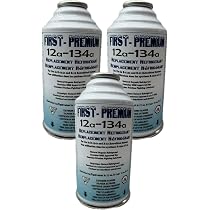
- R134a:Commonly used in automotive air conditioning. Compatible with many R12 systems after modification.
- R401A:A blend designed to replace R12 in refrigeration systems. Offers similar cooling capacity.
- R409A:Another blend used as an R12 substitute. Provides good efficiency but may need system changes.
- Hydrocarbon refrigerants (like R290):Natural and environmentally friendly. Requires special handling due to flammability.
Pros And Cons Of Alternatives
| Refrigerant | Pros | Cons |
|---|---|---|
| R134a | Widely available, non-flammable, easy to find parts | Lower cooling efficiency, needs oil change, not ideal for old systems |
| R401A | Good cooling power, compatible with many systems | More expensive, may require system adjustments |
| R409A | Effective cooling, less harmful to environment than R12 | Potential system wear, less common in the market |
| Hydrocarbon refrigerants | Eco-friendly, high efficiency | Flammable, needs special equipment and care |
Handling And Safety Tips
Handling R12 refrigerant requires care and attention to safety. This gas can be harmful if not managed properly. Proper handling protects you and the environment. Follow essential tips to keep safe while using R12.
Proper Storage
- Store R12 cylinders upright to prevent leaks.
- Keep containers in a cool, dry place away from sunlight.
- Avoid storing near heat sources or open flames.
- Ensure storage areas are well-ventilated to disperse any leaks.
- Label cylinders clearly with contents and hazard warnings.
- Check containers regularly for signs of damage or corrosion.
Safe Usage Practices
- Always wear gloves and safety goggles when handling R12.
- Use proper tools designed for refrigerant handling.
- Work in a well-ventilated area to avoid inhaling fumes.
- Never release R12 directly into the atmosphere.
- Follow local regulations for disposal and recycling.
- Keep fire extinguishers nearby in case of emergency.
Future Trends In Refrigerants
The future of refrigerants is shifting rapidly. New solutions aim to balance cooling needs and environmental care. Industries are adopting safer, greener options. These changes affect availability and use of older refrigerants like R12. Understanding future trends helps consumers and technicians stay informed.
Emerging Technologies
Innovations focus on reducing harm to the environment. Hydrofluoroolefins (HFOs) and natural refrigerants gain popularity. These options have low global warming potential (GWP). Research on refrigerants with zero ozone depletion is expanding. Systems now use smart controls for energy efficiency. These technologies improve cooling performance and safety.
Environmental Regulations Impact
Governments enforce strict rules on refrigerants. Many countries ban or limit R12 use due to ozone damage. New laws push for phase-out of harmful chemicals. Compliance requires switching to approved refrigerants. Penalties exist for illegal use or sale of banned substances. Regulations drive demand for eco-friendly alternatives and new equipment upgrades.

Credit: frosty-freezeacproducts.com
Frequently Asked Questions
Can I Still Legally Buy R12 Refrigerant Today?
R12 refrigerant is mostly banned for new use due to environmental laws. However, limited supplies exist for servicing old equipment. You may find R12 through certified suppliers or reclaimed sources under strict regulations.
Why Is R12 Refrigerant No Longer Widely Available?
R12 contains CFCs, which harm the ozone layer. International agreements phased out R12 production to protect the environment. This caused its availability to drastically decrease.
What Are The Alternatives To R12 Refrigerant?
Common alternatives include R134a, R410A, and newer eco-friendly refrigerants. These options provide similar cooling performance with less environmental impact. They are widely available and approved for modern systems.
Can I Use R12 In My Old Air Conditioning System?
You can use reclaimed R12 to service older systems if legally obtained. However, many technicians recommend retrofitting to modern refrigerants for efficiency and compliance reasons.
Conclusion
R12 refrigerant is hard to find today. Many countries stopped selling it long ago. Its use affects the environment badly. Newer, safer refrigerants work well instead. Old systems need special care and help. Always check local rules before buying refrigerants.
Protect the planet while keeping cool. Remember, safer choices benefit everyone.