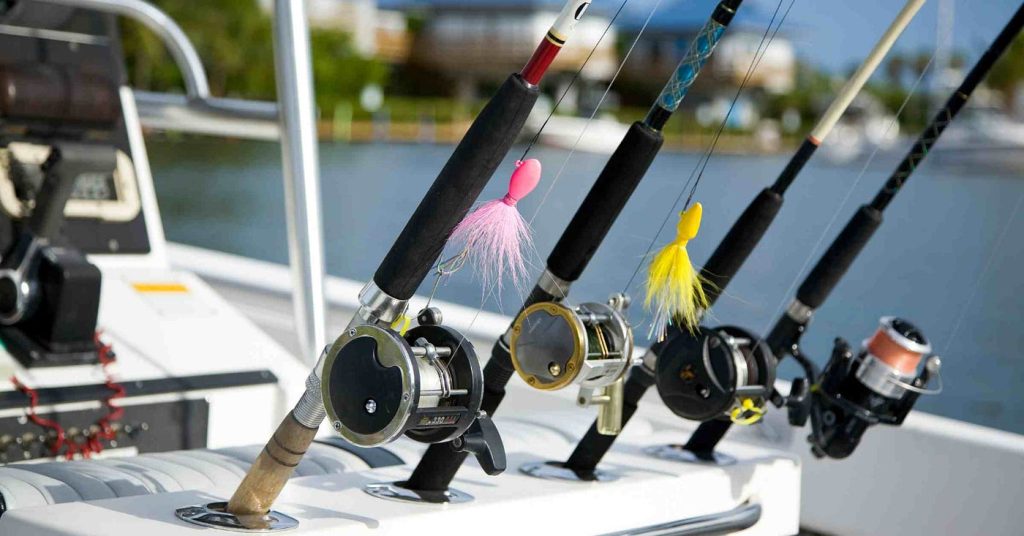
Are you planning a fishing trip and wondering if you can take your fishing rods on a plane? It’s a common question that can cause a lot of stress before you travel.
You want to make sure your gear arrives safely without any hassle at the airport. You’ll find clear answers and simple tips to help you pack your fishing rods the right way. Keep reading to avoid surprises and enjoy your fishing adventure without any travel worries.
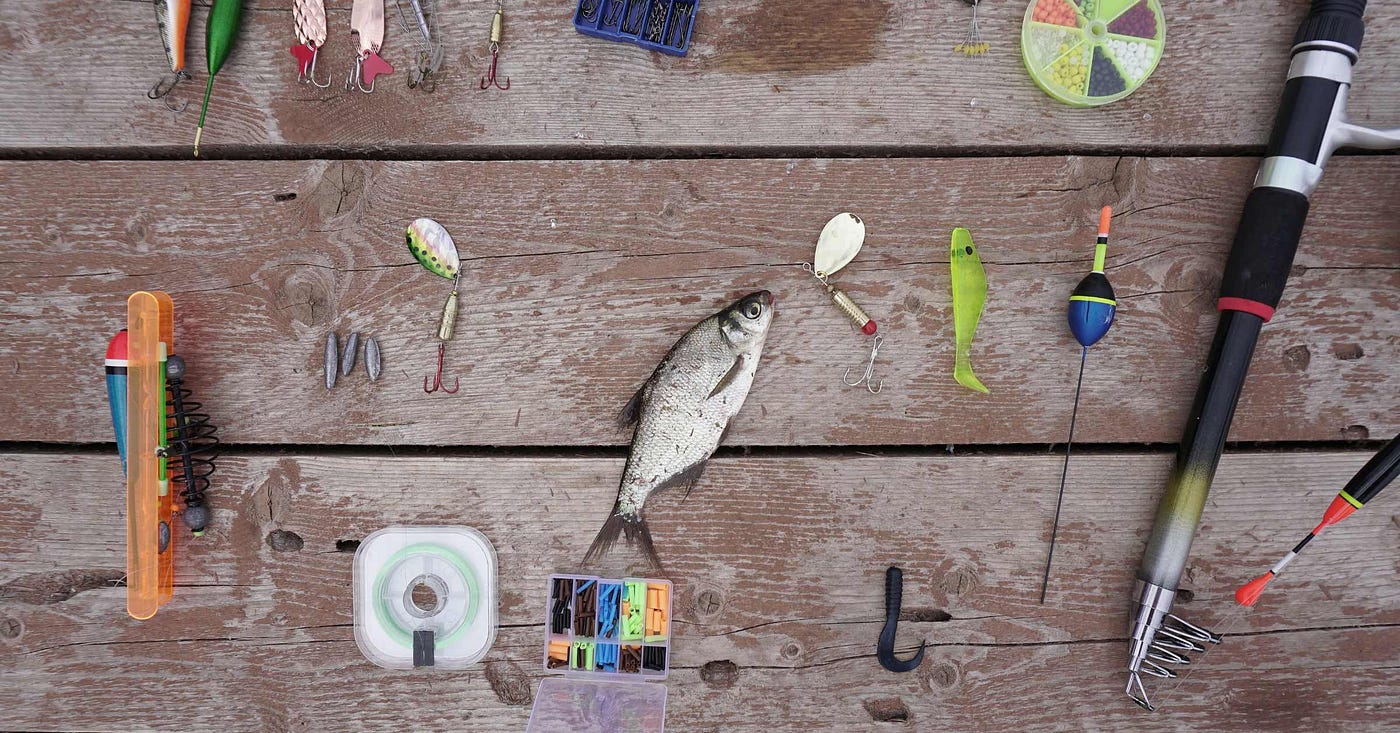
Credit: veronicahanson.medium.com
Airline Policies On Fishing Rods
Many travelers wonder if they can take fishing rods on a plane. Rules vary by airline and baggage type. Knowing these policies can help you avoid problems at the airport.
This guide covers carry-on and checked baggage rules, popular airline regulations, and fees or restrictions you might face.
Carry-on Vs Checked Baggage Rules
Most airlines allow fishing rods in checked baggage. Carrying them on board is often more limited. Size and length rules apply to carry-ons.
- Carry-on fishing rods must fit in the overhead bin or under the seat.
- Checked fishing rods should be packed in a hard or padded case.
- Some airlines count fishing rods as sporting equipment with special rules.
- Always check if your rod’s length meets the airline’s maximum size limit.
Popular Airline Regulations
| Airline | Carry-On Allowed | Checked Baggage Allowed | Notes |
| American Airlines | Yes, if size fits | Yes, in a case | May count as one checked bag |
| Delta Air Lines | Usually no | Yes, must be packed | Special handling available |
| United Airlines | Yes, with size limits | Yes, with protection | Extra fees may apply |
| Southwest Airlines | No | Yes, with no extra fee | One free checked bag allowed |
Fees And Restrictions
Fees for carrying fishing rods vary by airline and how you pack them. Some airlines allow one free checked bag that includes fishing rods. Others charge extra.
- Extra fees may apply for oversized or heavy fishing rods.
- Fragile rods need proper cases to avoid damage and extra fees.
- Some airlines require advance notice if you bring fishing gear.
- Restrictions on sharp hooks or accessories may apply in carry-on bags.
Credit: veronicahanson.medium.com
Packing Fishing Rods Safely
Taking fishing rods on a plane needs careful packing. Protecting the rods stops damage during travel.
This guide shows how to pack rods safely for flying. Follow these tips to keep your gear secure.
Choosing The Right Case
Pick a hard case or a padded soft case. Hard cases give the best protection. Soft cases are lighter but less protective.
- Measure your rod length before buying a case
- Look for cases with foam padding inside
- Check if the case has secure latches or zippers
- Consider a waterproof case for extra safety
Protecting Rod Tips And Guides
Rod tips and guides are fragile parts. Wrap them carefully to avoid bending or breaking.
| Item | Protection Method |
| Rod tips | Wrap with foam or bubble wrap |
| Guides | Cover with tape or pipe cleaners |
| Reel seat | Remove reel and pack separately |
Disassembling Your Rod
Take apart your rod if it has multiple pieces. This helps fit it into a smaller case.
- Unscrew or pull apart rod sections gently
- Wrap each piece separately in cloth or foam
- Label each piece for easy reassembly
- Place pieces in the case securely to prevent movement
Security Screening Process
Taking fishing rods on a plane requires passing through security. The Transportation Security Administration (TSA) screens all items carefully. Knowing what to expect helps you prepare better.
This guide explains what TSA looks for, tips for smooth screening, and how to handle security questions about your fishing gear.
What Tsa Looks For
TSA officers check fishing rods to make sure they are safe to bring on board. They look for sharp parts and any unusual items hidden inside rod tubes or cases.
- Sharp hooks or blades attached to the rod
- Metal parts that might be mistaken for weapons
- Items packed inside rod cases that are not allowed
- Size and length of the fishing rod
Tips For Smooth Screening
To get through security quickly, follow these simple tips. Proper packing and clear communication help TSA officers do their job faster.
| Tip | Details |
| Disassemble Rod | Take apart your rod if possible to fit it in a case |
| Use a Clear Case | Use a transparent or labeled case to show contents easily |
| Remove Hooks | Take off hooks and store them separately in checked luggage |
| Declare Fishing Gear | Tell TSA agents about your fishing equipment during screening |
| Arrive Early | Give yourself extra time for possible additional screening |
Dealing With Security Questions
TSA officers may ask questions about your fishing rods. Answer clearly and honestly to avoid delays. Explain the purpose of your gear and how it is packed.
- State that the rods are for recreational fishing
- Describe how you packed the rod parts and accessories
- Show any permits if asked for fishing in certain areas
- Stay calm and polite during the screening process
Additional Gear And Accessories
Bringing fishing rods on a plane is one thing. You also need to consider other gear and accessories. These items include reels, lines, hooks, lures, and tackle boxes.
Knowing how to pack these accessories helps keep them safe and meets airline rules. This guide covers key tips for transporting your fishing gear.
Transporting Reels And Lines
Reels and lines need careful packing to avoid damage. Remove the reel from the rod if possible. Store it in a padded case or wrap it in bubble wrap.
Keep the fishing line loose on the reel. Tight lines can snap due to pressure changes in the plane’s cargo hold.
- Use a small case or bag for reels
- Wrap reels with soft material
- Loosen fishing lines before packing
- Label your gear to avoid confusion
Handling Hooks And Lures
Hooks and lures can be sharp and dangerous. Airlines often require these items to be packed in checked luggage, not carry-on bags.
Use a tackle box or a small container to keep hooks and lures secure. Make sure the container closes tightly to prevent spills.
- Pack hooks and lures in a sturdy tackle box
- Cover sharp hooks with cork or caps
- Keep containers sealed to avoid injury
- Check airline rules before packing
Carrying Tackle Boxes
Tackle boxes hold many fishing accessories. Choose a compact box that fits easily in your luggage. Avoid overpacking to protect your gear.
Secure the tackle box with locks or straps. This stops the box from opening during travel. Label your box with your name and contact information.
- Select a durable tackle box with secure latches
- Do not overfill to prevent damage
- Lock or strap the box for safety
- Label the box with your details
International Travel Considerations
Taking fishing rods on a plane during international travel can be tricky. Rules about fishing gear vary by country and airline.
It is important to know the customs and legal requirements before you travel. This helps avoid problems at the airport or border.
Customs Regulations
Customs rules control what you can bring into a country. Fishing rods may need special permits or checks.
Some countries limit the types of fishing gear allowed. Others may require you to pay taxes or declare your equipment.
- Check the customs website of your destination country before travel.
- Keep receipts or proof of ownership for your fishing rods.
- Know if your gear needs inspection or quarantine.
Country-specific Fishing Gear Rules
Each country has its own rules about fishing gear. Some restrict fishing rods to protect local wildlife.
For example, some places do not allow certain types of hooks or nets. Others ban fishing rods made from certain materials.
- Research the fishing gear laws of the country you visit.
- Ask local fishing shops or authorities about allowed equipment.
- Adjust your fishing rods or gear to meet local rules if needed.
Declaring Equipment At Borders
Declare your fishing rods and gear at customs when entering a country. This prevents fines or confiscation.
Carry your fishing rods in proper cases or packaging. This shows customs officers your gear is for personal use.
- Always fill out customs forms honestly about fishing equipment.
- Be ready to show your gear and any licenses if asked.
- Follow all instructions from border officials carefully.
Alternative Options For Fishing Gear
Traveling with fishing rods on a plane can be tricky. Airlines have different rules, and carrying gear might cost extra. Many anglers look for other ways to bring or get fishing equipment at their destination.
Here are some options to consider if you want to avoid problems or fees when flying with fishing rods.
Shipping Rods Ahead
One way to manage fishing rods is to ship them to your destination before you arrive. This avoids airline baggage rules and damage risks. Use a sturdy, padded case for protection.
- Choose a reliable shipping service
- Label the package clearly with your contact info
- Track your shipment to ensure safe delivery
- Ship early to avoid delays
Renting Equipment At Destination
Many fishing spots have rental shops. Renting gear means less to carry on the plane. Rentals often include rods, reels, and tackle for a day or longer.
Renting is good for short trips or if you want to try different gear types. Check rental prices and availability in advance.
Buying Affordable Rods Locally
Buying a cheap rod near your fishing spot is another choice. This works well if you plan many trips or if you do not want to carry heavy equipment.
| Place | Advantages | Considerations |
|---|---|---|
| Sporting Goods Store | Wide selection, new gear | Prices may be higher |
| Local Market | Cheap rods, unique finds | Quality varies |
| Secondhand Shops | Lower prices | Check condition carefully |
Credit: veronicahanson.medium.com
Frequently Asked Questions
Can You Carry Fishing Rods In Airplane Cabins?
Most airlines do not allow fishing rods in cabins. They must be checked in as baggage. Always check airline policies before traveling.
Are Fishing Rods Allowed In Checked Baggage On Planes?
Yes, fishing rods are usually allowed in checked baggage. Pack them securely to avoid damage. Confirm with your airline for specific rules.
Do Fishing Rods Require Special Packaging For Flights?
Special packaging is recommended for fishing rods. Use hard cases or tube protectors. This prevents damage during handling and transit.
Are There Size Limits For Fishing Rods On Planes?
Size limits vary by airline. Some may restrict rod length or case size. Check your airline’s baggage policy to avoid issues.
Conclusion
Taking fishing rods on a plane is possible with some rules. Pack rods carefully to avoid damage and follow airline policies. Declare your fishing gear at security checks to prevent delays. Carry rods in a hard case for extra protection.
Knowing the airline’s size and weight limits helps a lot. Plan ahead to enjoy your fishing trip without stress. Simple steps make traveling with rods easy and safe. Ready to catch fish? Just follow these tips and fly worry-free.