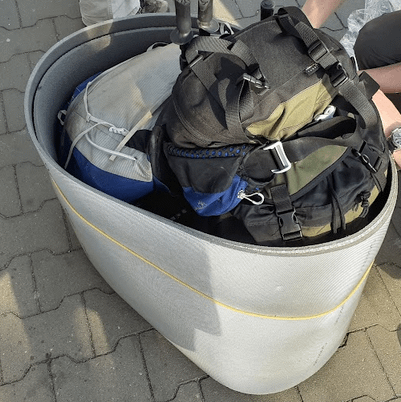
Planning a camping trip and wondering if you can take your tent on an airplane? You’re not alone.
Carrying camping gear while flying can be tricky, and knowing the rules beforehand can save you time, money, and stress. You’ll discover exactly what you need to know about bringing tents on flights—what’s allowed, what’s not, and smart tips to make your travel smooth.
Keep reading to make sure your tent travels with you without any hassle.
Airline Policies On Tents
Carrying tents on airplanes depends on airline rules. These rules cover how you pack tents and what type you can bring. Knowing these rules helps avoid issues at the airport.
Each airline may have different policies for tents in carry-on and checked bags. It is important to check with your airline before your trip.
Carry-on Vs Checked Baggage Rules
Most airlines allow tents in checked baggage only. Carrying tents in the cabin is often restricted due to size and safety rules. Smaller tent parts like poles or stakes might have extra rules.
- Carry-on tents must fit in overhead bins or under the seat.
- Checked tents should be packed securely to avoid damage.
- Sharp tent stakes may be banned from carry-on bags.
- Some airlines require tents to be packed in a specific way.
Size And Weight Restrictions
Airlines set limits on tent size and weight for both carry-on and checked baggage. Exceeding these limits can cause extra fees or denied boarding for the tent.
| Type | Max Size | Max Weight |
| Carry-On Tent | 22 x 14 x 9 inches | 15 lbs |
| Checked Tent | 62 linear inches (length + width + height) | 50 lbs |
Material And Design Considerations
Tent materials and design affect airline approval. Some fabrics or poles may be restricted. Airlines check for flammable or sharp parts.
Important points to check before packing a tent:
- Is the tent made from fire-resistant fabric?
- Do tent poles have sharp ends or are they collapsible?
- Are tent stakes allowed in carry-on or must be in checked baggage?
- Does the tent include any battery-operated lights or heaters?
Packing Tents For Flights
Taking tents on airplanes requires careful packing. Airlines have rules about size and weight. Proper packing helps protect your tent and avoid damage.
Knowing how to disassemble and pack your tent can make travel easier. You can keep your tent safe and ready for use after your flight.
Disassembling And Compacting Tips
Take apart the tent completely before packing. Remove stakes, poles, and rainfly. Fold the fabric tightly to save space.
- Lay the tent flat and fold it evenly.
- Bundle poles by size and secure them.
- Pack stakes separately in a small pouch.
- Place the rainfly on top of the folded tent.
- Use compression straps or bags to reduce bulk.
Protecting Tent Poles And Fabric
Tent poles and fabric need extra care during flights. Poles can bend or break, and fabric can tear or get dirty.
| Item | Protection Method |
|---|---|
| Poles | Wrap in bubble wrap or foam tubing |
| Fabric | Store in a waterproof bag or dry sack |
| Stakes | Keep in a hard case or sturdy pouch |
Using Protective Cases And Bags
Protective cases keep your tent safe and organized. Use bags designed for camping gear or hard cases for extra security.
- Choose a padded tent bag for fabric protection.
- Use a rigid pole case to prevent bending.
- Label bags clearly for easy airport security checks.
- Check airline size and weight limits for carry-on or checked bags.
Security Screening And Tents
Carrying a tent on an airplane is common for campers and travelers. Security officers check all bags and items carefully.
Tents have poles, fabric, and stakes. These parts may cause extra inspection during security screening.
What To Expect At Security Checkpoints
Tents go through the X-ray machine like other luggage. Officers may ask you to open your bag for a closer look.
Metal tent poles and frames can trigger alarms. Security may want to check these items by hand.
Handling Tent Stakes And Accessories
Tent stakes are sharp and may not be allowed in carry-on bags. Pack stakes in checked luggage when possible.
Small accessories like ropes and pegs usually pass screening easily. Keep them organized to speed up checks.
- Pack stakes in checked bags, not carry-on
- Keep poles and parts visible in luggage
- Separate small accessories for easy inspection
Tips For Smooth Security Clearance
Tell security officers about your tent and its parts before screening. This helps avoid confusion and delays.
Use clear bags or packing cubes to keep tent pieces neat. It makes inspections faster and easier for officers.
- Declare tent items to security staff
- Pack tent poles and stakes carefully
- Use clear bags for small tent parts
- Arrive early to allow extra screening time

Credit: veronicahanson.medium.com
Airline Fees And Charges
Taking tents on airplanes can involve extra fees. Airlines charge for baggage depending on size and weight.
It is important to know the fees before you travel. This helps avoid surprises at the airport.
Extra Baggage Fees
Most airlines allow one or two bags for free or a set fee. Extra bags usually cost more money.
If your tent is packed in an extra bag, you may pay an additional fee. This fee varies by airline.
- Fees depend on bag weight and number of bags
- Extra baggage fees can be $30 to $150 or more
- Some airlines charge more for international flights
Oversized Item Charges
Tents often come in large bags that may be oversized. Airlines charge extra for items that are too big.
Oversized fees apply if your tent bag exceeds size limits. These fees are usually higher than regular baggage fees.
- Typical size limits are around 62 inches total (length + width + height)
- Oversized charges can range from $75 to over $200
- Fees depend on airline and flight type
Ways To Avoid Additional Costs
You can reduce fees by packing your tent carefully. Use a bag that fits airline size rules.
Check your airline’s baggage policy before flying. Some airlines allow free sports equipment or camping gear.
- Pack tents in soft bags to reduce size
- Combine tent with other gear in one bag
- Pre-pay baggage fees online for discounts
- Use airlines that allow free checked camping gear
Alternative Options For Carrying Tents
Traveling with a tent can be challenging. Airlines have specific rules about luggage. Here are some other ways to manage tents when flying.
Consider these methods to make your journey easier. Each has its own benefits and may suit different needs.
Shipping Tents Ahead
Shipping tents before your trip is smart. It reduces luggage hassle at the airport. Make sure to check with courier services for options.
- Contact a shipping service to understand their policies.
- Pack the tent securely to avoid damage.
- Track the shipment to ensure it arrives on time.
Renting Tents At Destination
Renting a tent at your destination is convenient. It removes the need to carry extra luggage. Many outdoor stores offer rental services.
Check online for rental locations near your travel spot. This saves time and effort.
Using Lightweight Or Ultralight Tents
Consider lightweight tents for easier travel. They are compact and fit well in luggage. This choice is great for backpackers and hikers.
| Type | Weight | Features |
| Lightweight Tent | 2-3 kg | Easy to pack |
| Ultralight Tent | 1-2 kg | Minimalist design |

Credit: www.reddit.com
Packing Essentials For Tent Travel
Traveling with a tent on an airplane requires smart packing. You need to fit your gear in carry-on or checked bags. Planning helps you stay organized and light.
This guide covers what gear to bring, how to organize it, and ways to balance weight with ease.
Must-have Camping Gear
Start with a compact tent that fits airline rules. Choose lightweight stakes and a small sleeping bag. Include a sleeping pad for comfort and a portable stove for cooking.
- Compact tent with stakes
- Lightweight sleeping bag
- Sleeping pad
- Portable stove and fuel
- Water bottle and filter
- Headlamp or flashlight
- Multi-tool knife
Organizing Your Camping Kit
Keep your camping items neat to save space and find things easily. Use packing cubes or dry bags to separate gear. Label bags for quick access.
| Item | Packing Method | Benefit |
| Tent | Stuff sack | Protects and compresses |
| Sleeping bag | Compression sack | Saves space |
| Cooking gear | Small box or bag | Keeps parts together |
| Clothes | Packing cubes | Organizes by type |
Balancing Weight And Convenience
Choose gear that weighs less without losing function. Carry only what you will use. Distribute weight evenly in your bags for comfort and airline rules.
- Pick lightweight tents and sleeping bags
- Use multi-purpose tools and gear
- Limit food and water to what you need
- Pack essentials in carry-on for easy reach
- Check airline weight limits before packing
Credit: veronicahanson.medium.com
Frequently Asked Questions
Can I Bring A Tent On A Plane As Carry-on Luggage?
Most airlines allow small tents as carry-on if they fit size limits. Check airline policies for specific dimensions before packing.
Are Tents Allowed In Checked Baggage On Flights?
Yes, tents are generally permitted in checked bags. Pack them securely to avoid damage and comply with airline weight rules.
Do I Need To Declare A Tent At Airport Security?
You usually don’t need to declare tents unless they contain restricted items. Always follow TSA and airline guidelines during screening.
Can Tent Poles Be Taken On An Airplane?
Tent poles are often allowed but may be subject to security checks. Verify with your airline and TSA rules to avoid issues.
Conclusion
Taking tents on airplanes is usually allowed with some rules. You must check airline policies before packing your tent. Carry tents in your checked bags to avoid issues. Small tents fit well inside carry-on luggage. Sharp tent stakes might not pass security, so pack them carefully.
Always follow airport security guidelines for smooth travel. Planning ahead helps you enjoy your camping trip without stress. Traveling with a tent is easy when you prepare properly. Safe travels and happy camping!